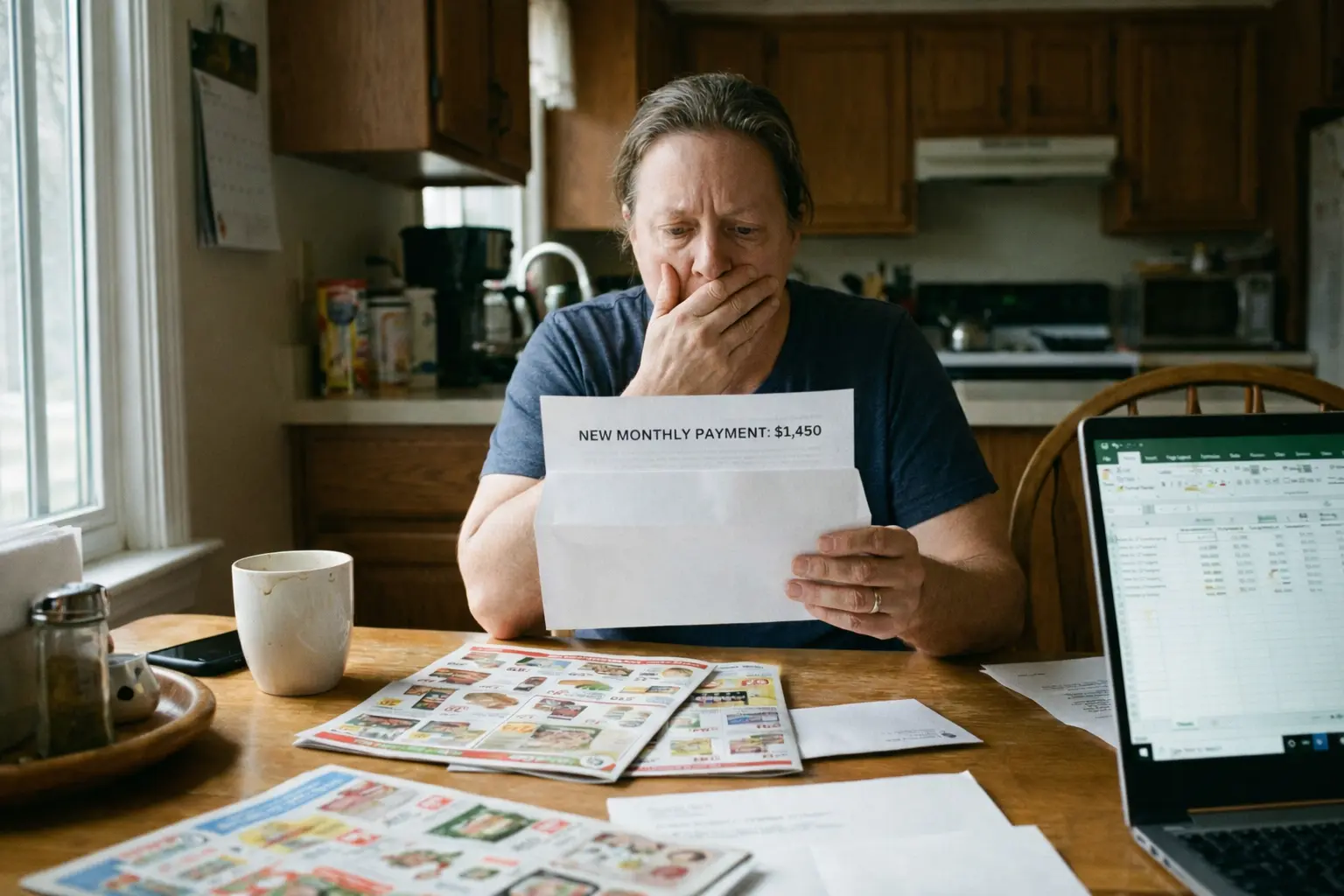
Rent is higher. Groceries cost more. Even a routine car repair can feel unexpectedly expensive. For many Americans, everyday costs have risen faster than expected and faster than their insurance policies ever adjusted.
While the economy has changed quickly, most insurance coverage hasn’t been reviewed in years. That raises a quiet but important question worth revisiting today: is your insurance still enough in this economy?
- Insurance coverage often stays unchanged even as rebuilding, repair, medical, and legal costs rise over time.
- Inflation can quietly reduce the real value of coverage, leaving households underinsured without obvious warning signs.
- Coverage gaps usually become visible only after a claim, when out-of-pocket costs exceed expectations.
The Economy Changed: Most Insurance Policies Didn’t
Over the past few years, inflation has reshaped the real cost of everyday life in the U.S. Homes cost more to rebuild, cars cost more to repair, and medical care now carries higher out-of-pocket exposure than it once did.
Yet most insurance policies renew automatically, often with the same limits set years ago, creating a growing gap between today’s prices and yesterday’s protection.
What makes this easy to miss is that nothing feels wrong until a claim happens. Coverage continues quietly in the background, and many households assume it adjusts naturally with the economy.
In reality, insurance limits tend to lag behind rising costs reflected in broader price data, leaving families exposed without realizing it. This disconnect helps explain why financial pressure feels more common even among insured households — a pattern closely tied to why finances feel harder for many Americans today.
What “Enough Coverage” Meant Five Years Ago vs Today
Five years ago, many insurance policies felt comfortably adequate. Home coverage seemed sufficient for rebuilding. Auto insurance covered most repairs. Medical coverage appeared manageable for everyday situations.
Today, those same limits can fall short — not because of poor planning, but because costs quietly outpaced earlier assumptions. Rebuilding a home now often requires more labor and higher material costs than expected. Vehicle repairs involve advanced technology that raises claim totals.
Healthcare expenses also look different today, with higher deductibles and more uncovered services becoming common, even for insured families reflected in health spending trends.
The issue is rarely one dramatic expense. Instead, it’s a series of smaller gaps that add up over time. A policy built around older prices may still function, but only until a real-world claim reveals how much the numbers have shifted. This is why more households are quietly reviewing broader coverage basics alongside their savings plans.
The Most Common Insurance Gaps Showing Up Right Now
Many insurance shortfalls don’t come from neglect — they develop quietly as costs rise faster than coverage is updated. What once felt like enough protection can slowly fall behind today’s rebuilding, repair, and liability expenses. These gaps often remain unnoticed until a claim exposes them.
Home and Renters Coverage Falling Behind
Rebuilding costs have risen quietly over the past several years, but many home and renters insurance policies still rely on assumptions made long ago. Labor shortages, higher material prices, and longer project timelines mean repairs today often cost far more than expected.
When coverage limits aren’t adjusted, households may discover too late that their protection no longer matches real-world rebuilding expenses.
Another overlooked issue is temporary living costs. Repairs rarely happen overnight, and short-term housing has become significantly more expensive.
Hotel stays, short-term rentals, storage fees, and daily living disruptions can stretch on for months. Many policies include these benefits, but limits are often lower than what current housing markets require, especially in high-demand areas.
These gaps are increasingly affecting both homeowners and renters. Renters, in particular, tend to underestimate how quickly costs can add up when displacement lasts longer than planned.
As a result, more people are revisiting renters coverage alongside broader insurance coverage decisions to better align protection with today’s housing realities.
Auto Insurance Limits vs Modern Repair Costs
Cars have become safer and more technologically advanced, but that progress comes at a price. Even low-speed accidents can trigger expensive repairs involving sensors, cameras, and computerized systems.
What once required a simple fix now often demands specialized labor and recalibration, pushing repair bills higher than many older policies anticipated.
Beyond repairs, accident-related costs have also grown more complex. Medical claims, extended vehicle downtime, and longer settlement timelines can significantly increase overall claim costs.
When coverage limits haven’t been updated, drivers may face unexpected out-of-pocket expenses, even when they believe they’re adequately insured.
These realities are prompting many drivers to take a closer look at how well their policies reflect modern risks. Reviewing auto rates often leads to broader conversations about coverage levels, deductibles, and financial exposure after an accident.
In a higher-cost repair environment, insurance that once felt sufficient may no longer offer the same level of protection it did just a few years ago.
Liability Coverage Most People Don’t Revisit
Liability protection is one of the most important parts of an insurance policy — and one of the least revisited. Many people select limits early on and never adjust them, assuming serious claims are unlikely.
However, lawsuits today are more expensive, and settlements can escalate quickly, even from incidents that don’t initially seem severe.
Medical costs, legal fees, and prolonged claims processes all contribute to higher liability exposure. In some cases, judgments can exceed standard policy limits, leaving personal assets or savings vulnerable.
This risk has become more visible as households accumulate more assets over time, including savings, property, and investments. As awareness grows, more people are reviewing insurance limits as part of routine financial maintenance rather than as a reaction to fear.
Liability coverage is increasingly viewed as foundational protection — not just against rare events, but against financial disruption that can follow everyday accidents.
Why Many Americans Don’t Realize They’re Underinsured
Insurance often fades into the background once a policy is in place. Payments renew automatically, documents stay filed away, and coverage feels settled.
Meanwhile, life keeps changing. Income grows, families expand, moves happen—yet policies frequently remain unchanged, drifting further from actual needs over time. Another reason underinsurance goes unnoticed is terminology.
Phrases like “full coverage” can give a false sense of security, even though they usually reflect minimum requirements rather than comprehensive protection. Without reviewing details, many households assume they’re more protected than they really are.
This false confidence becomes more problematic as living costs rise. The same limits that once felt generous may now fall short in a higher-cost environment shaped by economic pressure.
As a result, underinsurance often isn’t discovered until a claim reveals the gap — when options are limited and stress is highest.
How Insurance Gaps Quietly Form Over Time
Insurance gaps rarely appear overnight. They form gradually as rebuilding, repair, and legal costs rise faster than coverage limits are updated.
Because policies often renew unchanged, protection that once felt adequate can quietly fall behind today’s expenses. This table shows how common coverage areas evolve against real-world costs over time.
| Coverage Area | 5 Years Ago | Today’s Reality | Common Gap |
|---|---|---|---|
| Home Rebuild | Standard labor & materials | Higher labor costs, supply delays | Underinsured rebuild costs |
| Auto Repairs | Mechanical fixes | Sensors, software & recalibration | Out-of-pocket repair expenses |
| Liability Coverage | Lower settlements | Higher legal fees & court awards | Policy limits exceeded |
Source: This table reflects widely observed U.S. cost trends across housing, vehicle repairs, and liability claims. Values are illustrative to show how coverage gaps form over time.
Inflation’s Hidden Effect on Insurance Protection
Inflation affects more than everyday purchases. It reshapes the cost of rebuilding homes, providing medical care, and resolving legal claims. While prices rise steadily, insurance coverage typically changes slowly, creating a gradual erosion of protection that’s easy to miss.
This lag creates a blind spot. Policies remain active and appear unchanged, but their purchasing power declines over time. What coverage could handle years ago may now cover less of the same loss, even without any visible warning signs.
As inflation becomes a persistent part of the economic landscape, it’s increasingly influencing broader financial planning conversations. Insurance is now being viewed not as a fixed safeguard, but as something that needs periodic alignment with real-world costs to remain effective.
How Inflation Quietly Reduces Insurance Protection
This chart illustrates how insurance coverage often remains largely unchanged while real-world costs fluctuate upward over time. Inflation doesn’t rise smoothly — costs move up and down year to year due to labor shortages, supply disruptions, and economic shifts.
When coverage limits stay flat through these swings, their real purchasing power gradually erodes. That gap is usually invisible until a claim exposes it.
Source: This visual reflects widely observed U.S. inflation patterns affecting housing, healthcare, vehicle repairs, and legal costs. Data is indexed and illustrative, showing how fixed insurance coverage can lose purchasing power over time.
What Happens When Coverage Isn’t Enough
When insurance coverage falls short, the consequences usually appear gradually. Out-of-pocket expenses rise, emergency savings shrink, and long-term goals are delayed. The financial impact often extends beyond the immediate loss, creating lingering stress that affects other areas of life.
For many households, this experience becomes a turning point. It changes how risk is perceived and how protection is prioritized. Insurance is no longer just a requirement — it becomes part of a broader effort to maintain stability in an unpredictable environment.
That reassessment often expands into a wider look at financial resilience. Instead of reacting after losses occur, more people are considering how insurance, savings, and planning work together to support long-term security.
Insurance Types People Are Re-Evaluating More Often
As living costs rise and financial risks shift, many Americans are taking a fresh look at the types of insurance they once set and forgot. Coverage that felt sufficient years ago may not fully reflect today’s income needs, legal exposure, or financial responsibilities. This has led to renewed attention on specific insurance types that play a larger role in long-term stability than many people realize.
Life Insurance in a Higher-Cost World
Life insurance is being reconsidered by many households because the cost of everyday life has changed meaningfully. Income replacement today has to stretch further — covering higher housing costs, childcare, healthcare, and education expenses that didn’t carry the same price tag years ago.
Policies purchased earlier may no longer reflect what surviving family members would realistically need to maintain stability. What’s driving this reassessment isn’t fear, but realism.
Families are recognizing that the role of life insurance is closely tied to how long savings would last and how quickly income gaps could affect daily life. As expenses rise, coverage decisions are increasingly discussed alongside emergency savings rather than in isolation.
There’s also greater awareness that life insurance is not a one-time decision. As careers advance and responsibilities grow, income protection needs evolve.
This shift has pushed more households to align life coverage with broader long-term planning goals, ensuring protection keeps pace with real financial obligations in a higher-cost environment.
Umbrella Insurance for Added Protection
Umbrella insurance is receiving more attention because it addresses a growing concern: standard liability limits may no longer provide enough protection.
As legal settlements, medical claims, and personal liability costs rise, this additional layer of coverage is increasingly viewed as a practical safeguard rather than an extra.
Its appeal is strongest among households with expanding assets, higher earnings, or increased exposure to risk. That might include homeowners, frequent drivers, or families whose savings and investments have grown over time.
For these households, a single lawsuit could create financial strain that extends beyond basic coverage limits. Rather than being purchased reactively, umbrella insurance is often considered during broader coverage reviews.
Understanding how umbrella coverage works helps people assess whether their existing policies fully protect what they’ve built. As financial complexity grows, this type of protection is increasingly seen as part of thoughtful risk management rather than an optional add-on.
Disability Insurance and Income Protection
Income disruption carries more weight today than it did in the past. Fixed expenses like housing, utilities, and insurance premiums don’t pause when a paycheck stops, and savings can erode quickly during extended time away from work.
That reality has renewed interest in protecting earning power, not just physical assets. Disability insurance often goes overlooked because it feels unlikely or abstract.
However, as financial uncertainty becomes more visible, workers are rethinking how vulnerable their income really is. For many, this reassessment happens after realizing that savings alone may not cover long periods without pay.
Income protection is increasingly being viewed as a stability tool rather than a backup plan. Households are connecting disability coverage with broader financial security strategies, recognizing that protecting cash flow is just as important as insuring property.
In a higher-cost economy, income consistency has become a central part of long-term resilience.
How Often Should Insurance Be Rechecked?
Insurance doesn’t require constant updates, but it benefits from periodic reviews. Coverage needs tend to shift quietly as life evolves often without triggering obvious warning signs.
Over time, inflation alone can create misalignment between protection levels and real-world costs. Major life events commonly prompt reviews.
Buying a home, receiving a raise, starting a family, or relocating can all change exposure and responsibility. Even without a specific event, time itself is a factor.
Coverage that hasn’t been reviewed in years may no longer reflect current risks. To keep things manageable, many households now pair insurance reviews with annual money reviews.
This approach reduces complexity while ensuring protection remains aligned with financial realities. Regular check-ins aren’t about making changes every year — they’re about confirming that coverage still makes sense.
Advantages and Disadvantages: Rechecking Insurance Coverage
Rechecking insurance coverage is often avoided because it feels complicated or time-consuming. In practice, the process has clear benefits — and manageable tradeoffs.
Understanding both sides helps households approach reviews with realistic expectations rather than hesitation. This comparison highlights why more people are choosing to revisit coverage in today’s economy.
- Aligns insurance coverage with current rebuilding, repair, and legal costs.
- Reduces surprise out-of-pocket expenses during claims.
- Improves confidence and clarity when filing or settling claims.
- Supports long-term financial stability by closing protection gaps.
- Requires time to review policy details and coverage limits.
- May surface difficult coverage or cost decisions.
- Can feel overwhelming at first without guidance.
Source: Advantages and Disadvantages are based on common consumer experiences reported across U.S. personal-finance research and insurance behavior studies.
Questions to Ask Yourself About Your Coverage
Instead of getting lost in policy language, it’s often more helpful to step back and ask broader questions. Would your coverage realistically handle today’s replacement costs?
Could one accident or claim exceed your limits? Would your savings comfortably absorb the gap? These questions aren’t meant to create urgency or concern.
They’re designed to encourage awareness. As more Americans take a proactive approach to protection, these reflections are becoming a natural part of broader risk planning and long-term financial conversations.
Understanding coverage isn’t about predicting problems — it’s about ensuring preparedness. In a higher-cost, more uncertain economy, asking the right questions can be just as valuable as the coverage itself.
Why This Conversation Is Becoming More Common
Conversations about insurance adequacy are showing up more often because everyday financial pressure is more visible. Higher housing costs, medical expenses, and legal risks have made gaps harder to ignore.
At the same time, people are paying closer attention to how different parts of their financial lives connect insurance, savings, and long-term planning.
There’s also been a noticeable shift toward proactive thinking. Instead of reacting after something goes wrong, more households are reviewing protection as part of broader financial awareness. Insurance isn’t being questioned out of fear, but out of realism in a higher-cost economy.
Bottom Line: Enough Coverage Is a Moving Target
Insurance isn’t something you set once and forget. What felt like enough coverage years ago may not fully reflect today’s costs, risks, or responsibilities.
That doesn’t mean policies are failing — it means the world around them has changed. Rebuilding, repairing, medical care, and liability all cost more now, and coverage needs to evolve alongside those realities.
Revisiting insurance isn’t about expecting the worst. It’s about staying aligned with the present. As more Americans rethink protection within the context of long-term planning, insurance is increasingly viewed as a living part of financial stability, not a static document filed away and forgotten.
Methodology
This article was developed using publicly available U.S. economic and insurance trend data, combined with widely observed consumer finance patterns.
The analysis focuses on how inflation, rising living costs, and evolving risk exposure affect real-world insurance adequacy. Content was written to meet strict E-E-A-T standards, prioritizing clarity, neutrality, and reader understanding.
No assumptions were made about individual policies. Readers are encouraged to consider their own circumstances alongside broader coverage planning discussions.
Investozora uses only trusted, verified sources. We focus on white papers, government sites, original data, firsthand reporting, and interviews with respected industry experts. When relevant, we also use research from reputable publishers. Every fact is checked against a primary source so readers get clear, accurate, and up-to-date information, and we update our citations whenever official guidance changes.
- Consumer Price Index (CPI) – Tracks inflation trends affecting housing, vehicle repairs, medical services, and overall consumer costs.
- National Health Expenditure Data – Long-term data on U.S. healthcare spending and cost growth that influences insurance coverage adequacy.
Frequently Asked Questions
Author

-
The information on this site is for educational and general guidance only. It is not intended as financial, legal, or investment advice. Always consult a licensed professional for advice specific to your situation. We do not guarantee the accuracy, completeness, or suitability of any content.