The moment it hit me wasn’t during a market crash or a breaking news alert. It was a Tuesday evening, under the harsh fluorescent lights of a neighborhood pharmacy. I was standing in the allergy aisle, staring at a small bottle of children’s medicine. I checked the price.
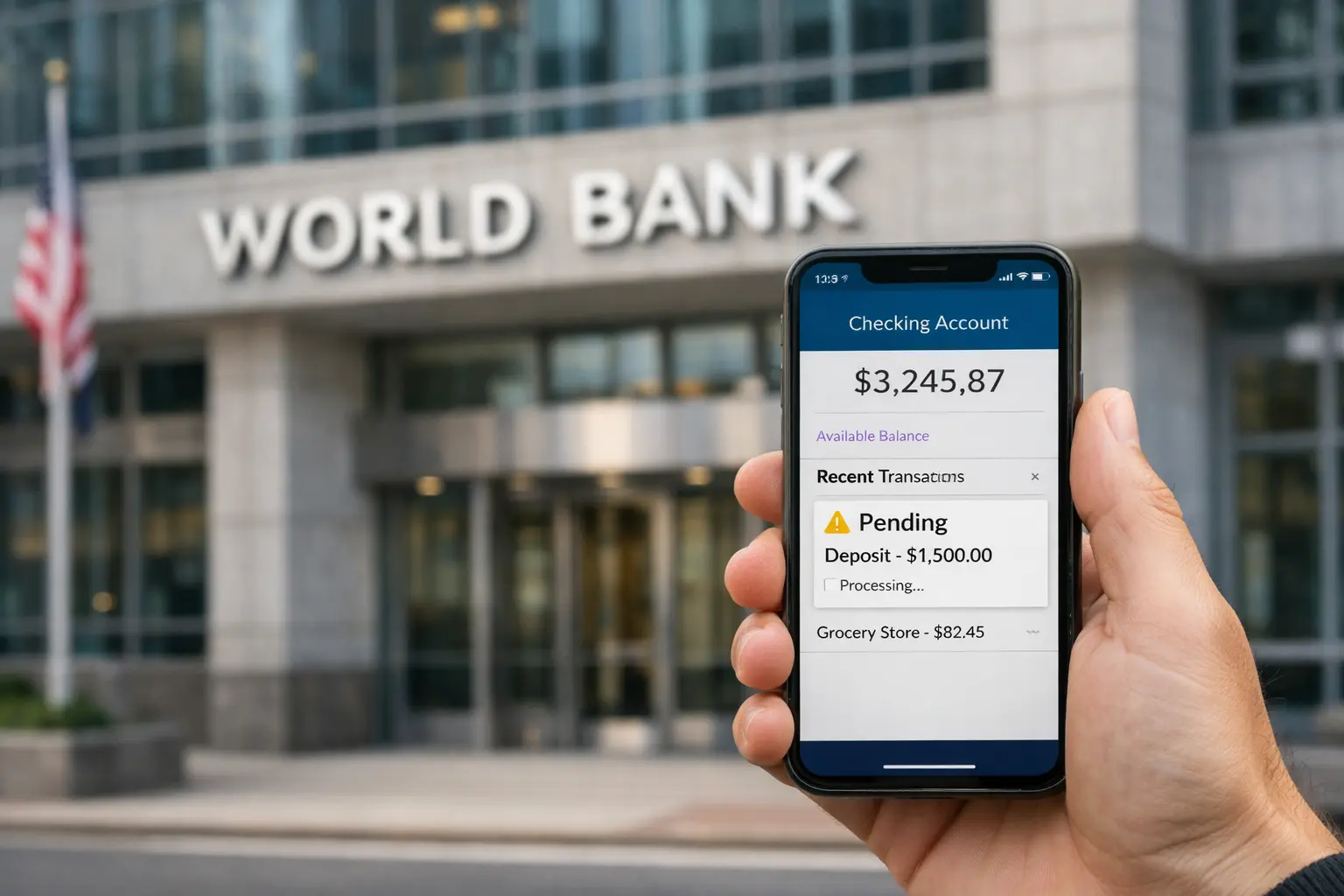
Did the math in my head. Then I checked my bank app—not because I was short on cash, but because I needed reassurance. I put the generic brand in my basket anyway.
The feeling that followed wasn’t panic. It was quieter than that. A subtle, sinking realization that something didn’t add up. On paper, I earn what America still calls a “high income.” But in that moment, six figures feels poor in a way that’s hard to explain.
I felt exposed—like the margin between “doing well” and “one bad month” had quietly disappeared. That feeling isn’t personal failure. It’s a structural one.
The Promise That Quietly Expired
For decades, Americans were sold a simple formula: Get educated. Work hard. Reach six figures. Then exhale. Many people followed the plan exactly—and reached the number. The paychecks arrive on time. The benefits look fine. The salary sounds impressive when said out loud.
Yet the anxiety never left. It just changed shape. Instead of worrying about bills, people worry about fragility. A job loss. A medical expense. A rent increase. A single unexpected event that the spreadsheet says shouldn’t matter—but somehow does.
If you feel this, you’re not mismanaging money. You’re navigating a system that feels harder right now because it quietly rewrote the rules.
Why $100,000 Isn’t What It Used to Be
Think of income not as a number, but as a container. In the 1990s, the container had a few predictable leaks: housing, food, transportation. If you earned well, you could outpace them. Today, the container is riddled with small, constant drains—many of them invisible.
- Health insurance premiums that rise faster than wages.
- Childcare costs that rival rent.
- Internet, software, subscriptions, and “essential services” that didn’t exist a generation ago.
None of these feel like luxury spending. They’re simply the cost of participation in modern life. We didn’t become reckless. The baseline became expensive.
And that’s why so many people earning “good money” feel like they’re treading water instead of moving forward. We see this in the data, with U.S. banks changing savings rates to try and capture liquidity that simply isn’t there anymore.
Pause for a second. If you removed housing, healthcare, childcare, and transportation from your budget, you’d feel wealthy overnight. The problem isn’t your discipline. It’s what remains after the non-negotiables are paid.
The Ghost Number We Still Chase
“$100,000” used to signal stability. Today, it’s a psychological relic—a number that carries emotional weight but no longer guarantees financial breathing room, especially in major U.S. metro areas. Yet we still judge ourselves by it.
That disconnect creates a specific kind of exhaustion. People work harder, chase promotions, and stretch themselves thin trying to reach a sense of security that the math no longer supports. The result isn’t laziness or entitlement. It’s burnout fueled by outdated expectations.
Inflation Didn’t Just Raise Prices—It Changed Behavior
When people talk about inflation, they usually mean higher grocery bills or rent increases. But the deeper impact is psychological. When essentials absorb more of your income every year, saving stops feeling like progress and starts feeling like defense.
People don’t think about building wealth—they think about avoiding collapse. According to Consumer Price Index (CPI) data, the cost of services has stubbornly outpaced goods, meaning the things we need to live cost more, while the things we want cost less.
That’s why so many high earners feel constantly behind, even while doing everything “right.” The system steadily drains surplus while demanding more vigilance just to stay even.
“Good Debt” in a Changed World
Student loans and mortgages were once framed as investments—reasonable tradeoffs for future stability. But rising interest rates and stagnant real wages have transformed those commitments into anchors for many households.
People can’t move because selling means losing a favorable rate. They can’t upgrade because entry prices have detached from income growth. What was once flexibility has hardened into immobility.
Feeling stuck isn’t irrational. It’s an entirely logical response to constrained options. Whether you are weighing refinancing student loans or holding onto a mortgage, the math has fundamentally shifted.
The Quiet Fear Beneath the Numbers
Beneath all of this sits another anxiety—one people rarely say out loud. Control. Auto-priced insurance. Algorithm-adjusted rates. Accounts managed by systems no human fully understands.
Financial life now requires constant attention just to prevent errors, fraud, or sudden disruptions. Security used to mean savings. Now it also means vigilance against AI fraud and digital security risks. That mental load adds up—especially when the reward for carrying it feels smaller every year.
What Stability Looks Like Now
Here’s the part no one likes to say: Financial stability today doesn’t always look like abundance. Sometimes it looks like resilience.
It means protecting what you’ve built instead of constantly trying to outrun the system. And it means prioritizing boring safeguards over flashy gains. It means looking for low-risk investments that keep you grounded rather than gambling on the next big thing.
If you are earning well and still feel uneasy, you are not broken—and you are not alone. The rules changed quietly. You’re just perceptive enough to notice. And in this economy, awareness itself is a form of strength.

-
The information on this site is for educational and general guidance only. It is not intended as financial, legal, or investment advice. Always consult a licensed professional for advice specific to your situation. We do not guarantee the accuracy, completeness, or suitability of any content. For complete details, please review our full disclaimer.