There’s a moment that happens more often now, but rarely gets mentioned. It’s late.
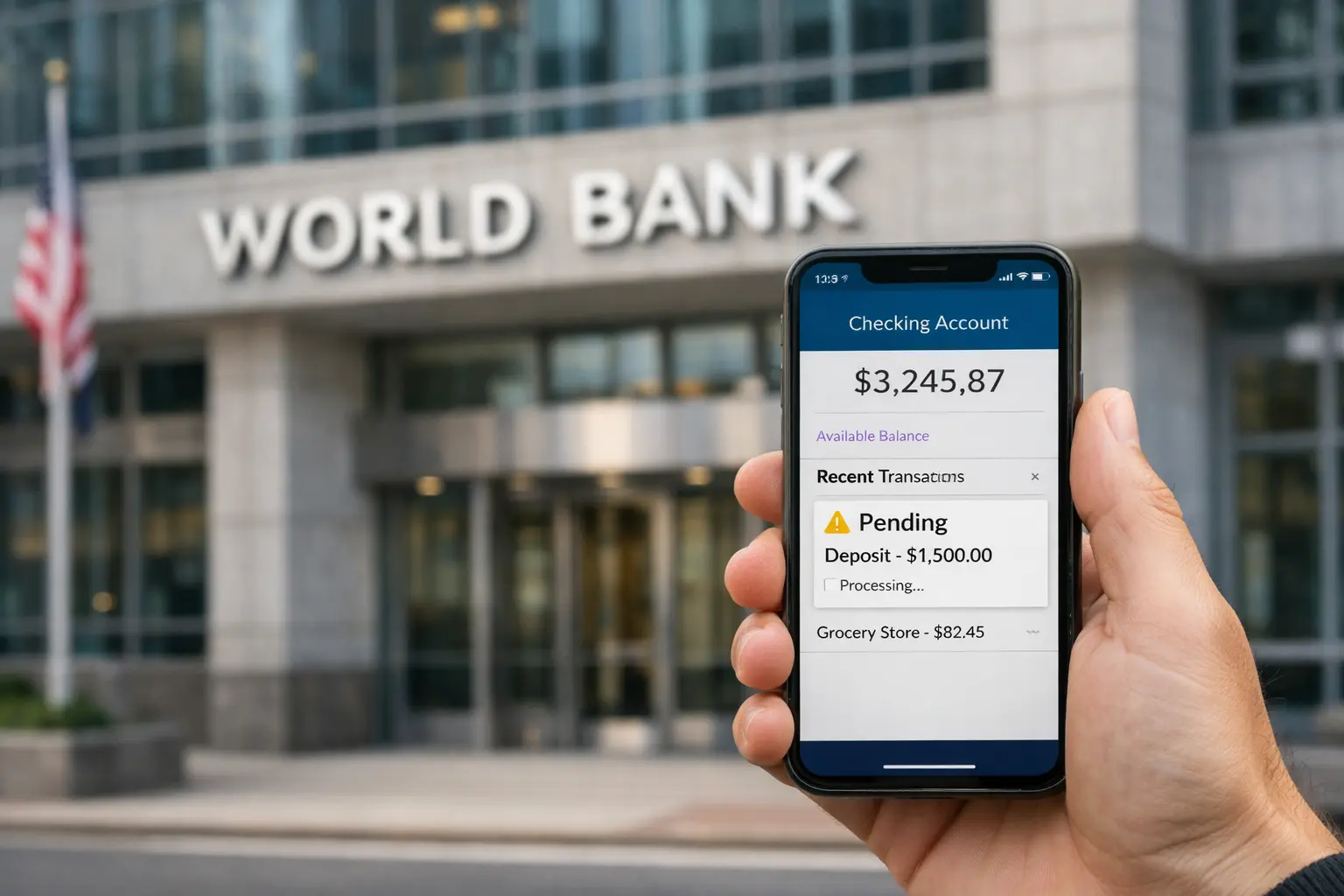
A phone lights up. A banking app opens. Not because something went wrong — just to check. Nothing dramatic happens after that. No purchase. No transfer. The app closes. Life continues.
No one announced this change. No policy triggered it. And No headline explained it. Yet across the country, millions of Americans are doing something subtly different with money.
And most wouldn’t even describe it as a “change” at all. It just feels like the new normal.
This Isn’t Belt-Tightening — It’s a Quiet Shift
For years, financial conversations have followed a familiar pattern. In uncertain times, people pull back, cut spending, and retreat. When things improve, confidence returns and habits loosen.
But what’s happening now doesn’t fit that cycle. Americans aren’t dramatically spending less. Restaurants are still busy. Travel hasn’t vanished. Everyday purchases continue. On the surface, consumer spending data looks steady.
What’s changed is how decisions are made. Spending is slower. Timing matters more. People delay purchases not out of fear, but out of thoughtfulness.
There’s less impulse and more pause — not because people were told to be cautious, but because quiet decisions became comfortable. This shift doesn’t show up cleanly in economic charts. It lives in the space between intention and action.
The Pattern Most People Don’t Notice
Ask someone if they’ve changed their financial habits and many will say no. But describe the pattern, and recognition appears almost immediately.
People check balances more often, even when nothing is wrong. Not because they expect bad news, but because awareness feels grounding. It’s a subtle financial reset that happens daily.
Large purchases aren’t avoided — they’re postponed. Not canceled. Just given time. Subscriptions get reviewed more carefully. Not necessarily removed, but mentally justified again.
Money hasn’t become scarier. It’s become more present. Even those earning well feel financially stuck in this waiting pattern.
These behaviors don’t feel restrictive. They feel reasonable. Almost adult in a new way. They reflect an internal adjustment rather than an external reaction.
That’s why this shift spreads without discussion. It doesn’t feel like a sacrifice worth talking about. It feels like maturity.
Why This Change Happened Without a Headline
There was no single event that caused this. Not one inflation report. Not one interest rate decision. And Not one market swing. Instead, it built quietly — experience by experience.
Grocery bills that stayed higher longer than expected. Raises that arrived, but didn’t stretch as far as they used to. News cycles that warned of extremes but delivered something more complex.
Over time, Americans adapted emotionally before they adapted financially. The result wasn’t panic. It was recalibration.
People learned that stability doesn’t always feel loud. That comfort doesn’t require excess. That flexibility matters more than optimization.
Many realized that simple habits, like a pantry challenge, offered more control than waiting for prices to drop. And once those lessons settle in, they don’t reverse easily — even when conditions improve.
What This Says About How Americans See Money Now
Money used to be framed as something to maximize. More efficiency. Better returns. Smarter systems. That mindset hasn’t disappeared — but it’s no longer dominant. Increasingly, people treat money as a way to manage uncertainty, not eliminate it.
Confidence now comes less from perfect planning and more from optionality. From knowing there’s room to adjust. From keeping adequate emergency cash on hand rather than investing every spare dollar.
This doesn’t make people pessimistic. It makes them intentional. The emotional relationship with money is quieter, steadier, and less performative.
There’s less pressure to prove financial success and more interest in sustaining it. Even high earners are trading flashiness for security. That change may be subtle — but it’s meaningful.
Why This Matters More Than Economic Signals
Behavior shifts like this often arrive before the data catches up. They don’t move markets overnight. They don’t dominate news cycles. But they shape outcomes slowly and persistently. The Federal Reserve often notes that public sentiment shifts before the numbers do.
When millions of people independently adjust how they think about timing, flexibility, and awareness, the ripple effects compound. Not because anyone coordinated it — but because shared experience created shared instincts.
That’s why this moment matters. Not as a warning or a prediction, but as a signal of how Americans are quietly recalibrating expectations. It explains why finance feels harder even when the economy is growing.
The economy may look stable. But underneath, something more durable is forming.
A Change That Doesn’t Announce Itself
This shift doesn’t come with slogans or trends. It doesn’t get celebrated or criticized loudly. It shows up in small moments — a pause, a check, a decision delayed without stress.
Most people won’t describe it as a turning point. They’ll just say they’re being “a little more thoughtful than before.” And that may be the most telling part.
Some of the biggest changes don’t arrive with disruption. They arrive with adjustment — already underway before anyone realizes it’s happening.
Author

-
The information on this site is for educational and general guidance only. It is not intended as financial, legal, or investment advice. Always consult a licensed professional for advice specific to your situation. We do not guarantee the accuracy, completeness, or suitability of any content. For complete details, please review our full disclaimer.