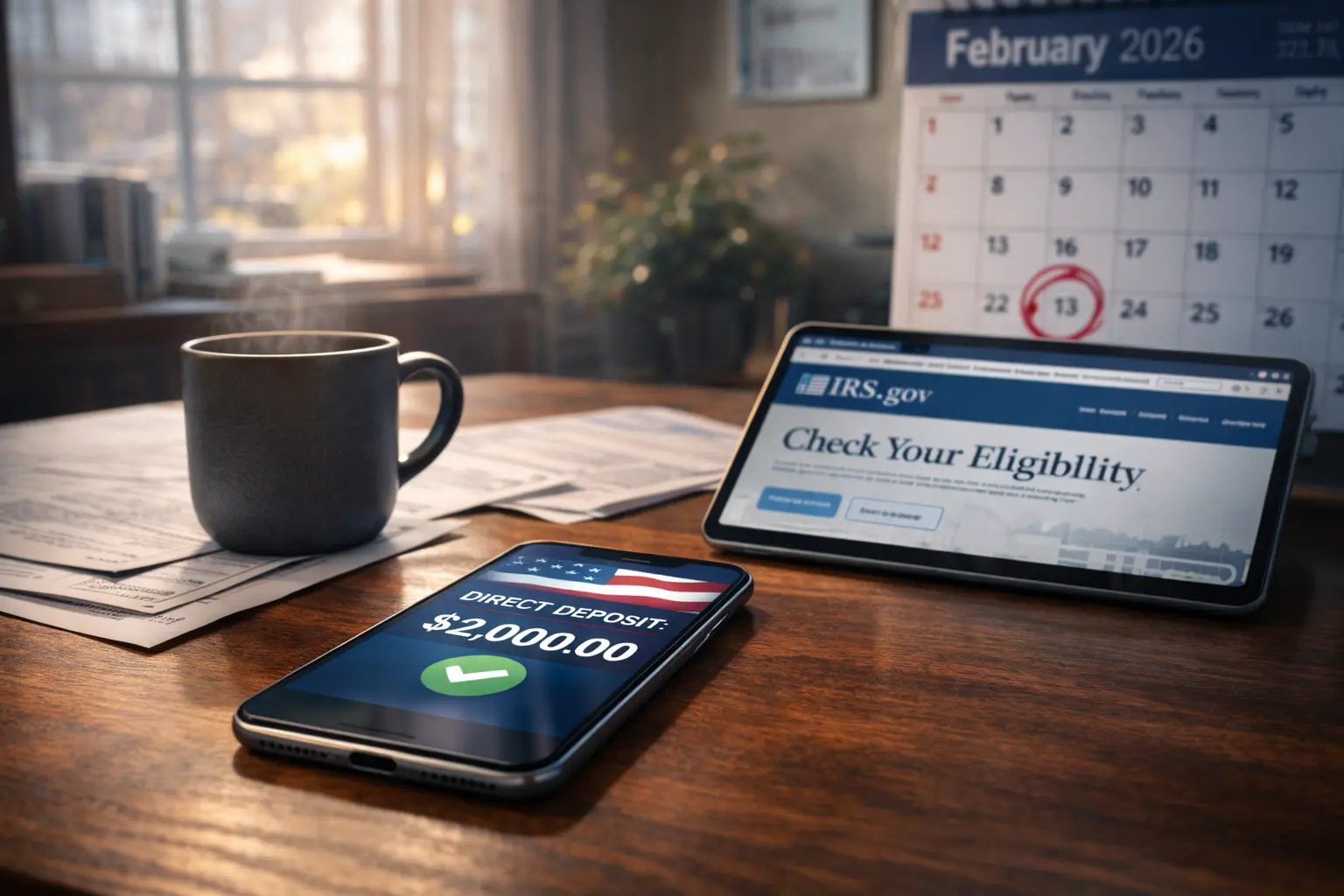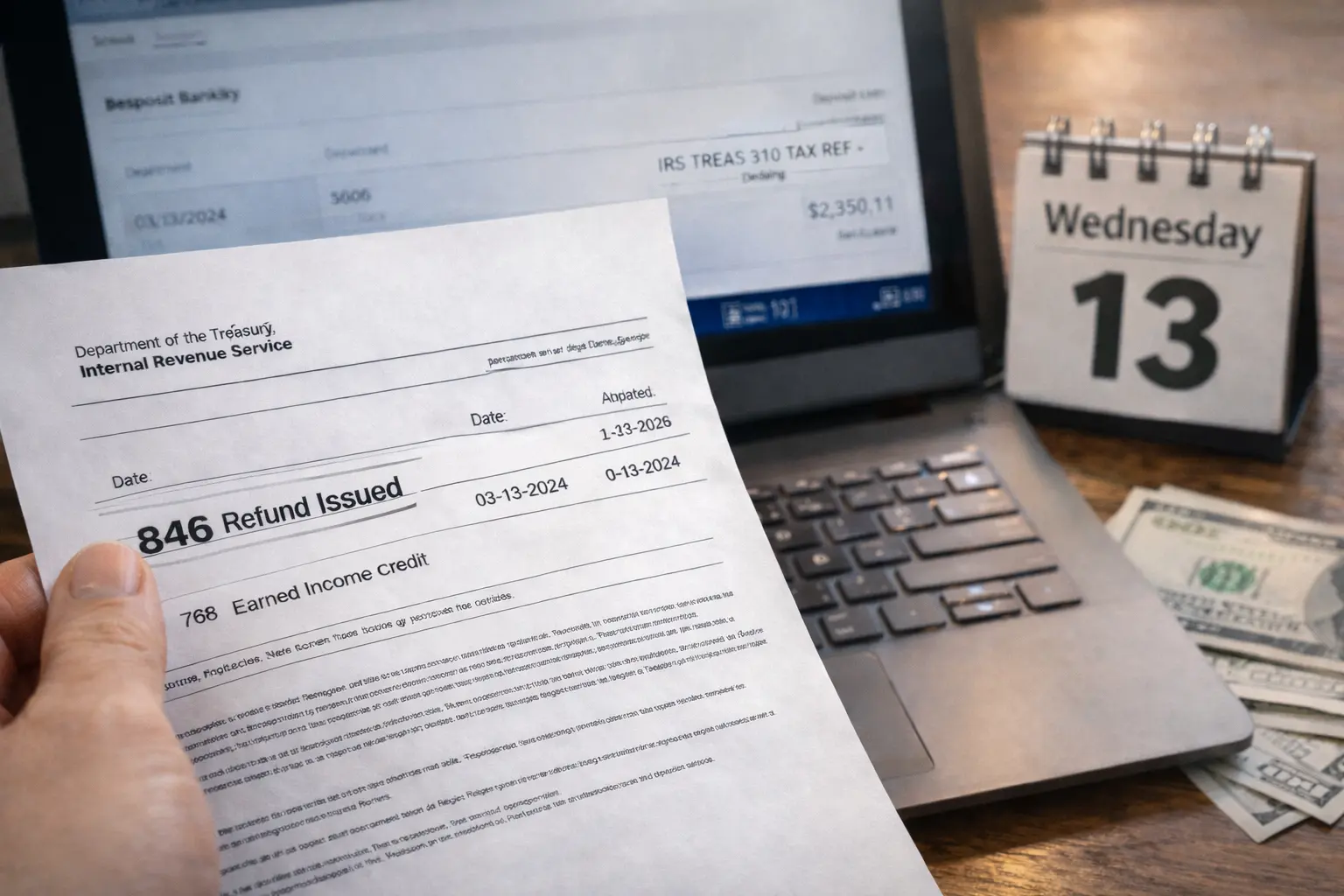
Many bank customers woke up expecting their deposit to appear immediately this morning. Government portals and payment notifications show the funds were released, yet the bank balance remains unchanged.
This situation often occurs when federal payments are already moving through the banking network but have not yet reached the final posting stage. The money is in transit between institutions, passing through settlement systems that process transactions in structured cycles.
Understanding how payments move through the national banking system infrastructure helps explain why deposits sometimes appear hours after they are officially sent.
Treasury Payments Entering Banks Today
When a federal agency releases a payment, the funds first enter a national processing pipeline rather than arriving instantly at individual bank accounts.
The Treasury Department distributes payment files that travel through institutional payment rails before banks receive them. Once those files enter the banking system, financial institutions begin preparing them for settlement and posting.
This step is part of the Treasury pipeline that moves federal payments from government accounts into the commercial banking network.
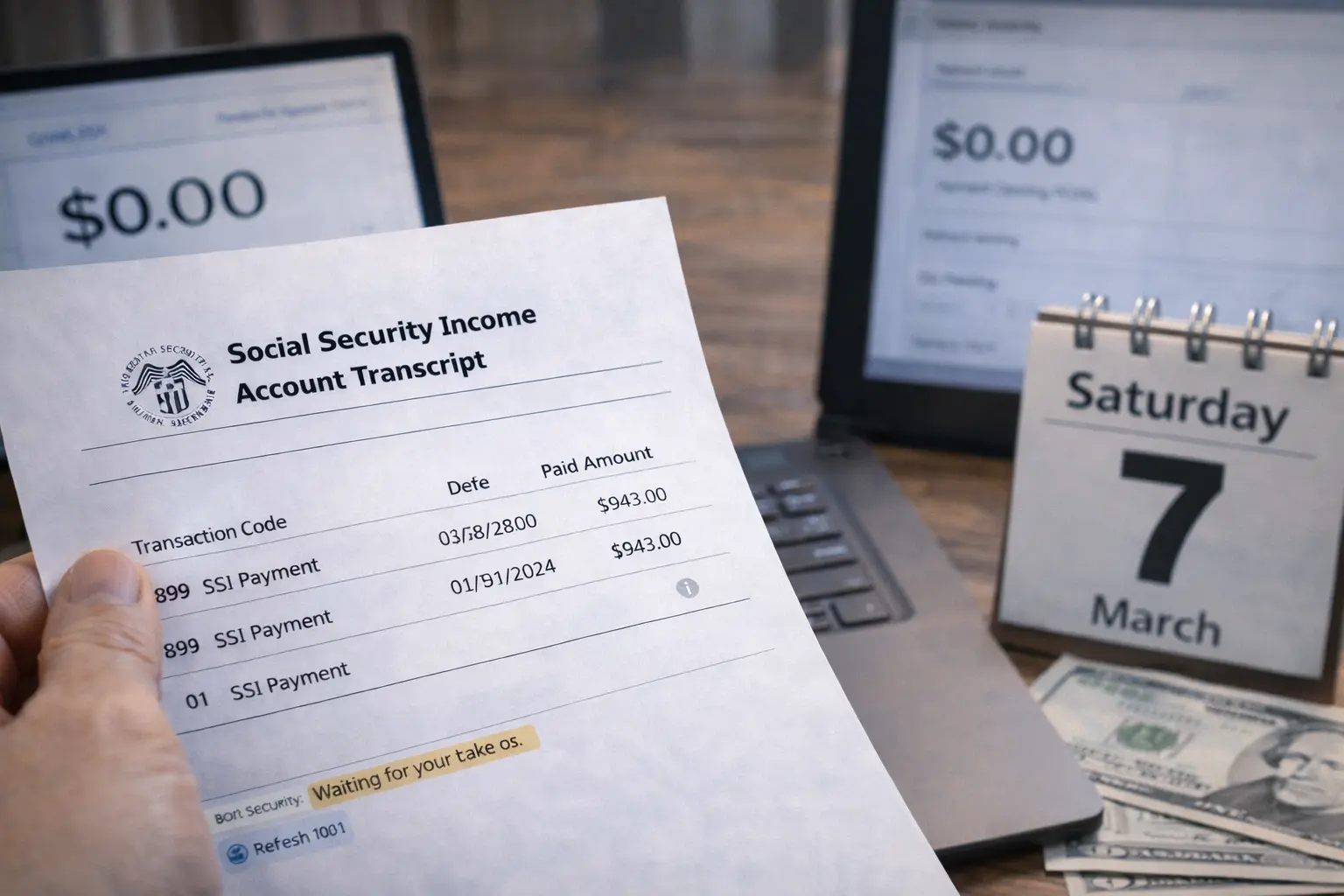
Why Some Bank Balances Still Show $0
Even when Treasury payments have already reached the banking network, balances may not update immediately. Banks often receive payment batches before they finalize posting to customer accounts.
During this stage, the payment may exist inside the bank’s internal system but has not yet been released to the account balance.
That delay often reflects the difference between a transaction arriving and the moment it becomes visible to customers.
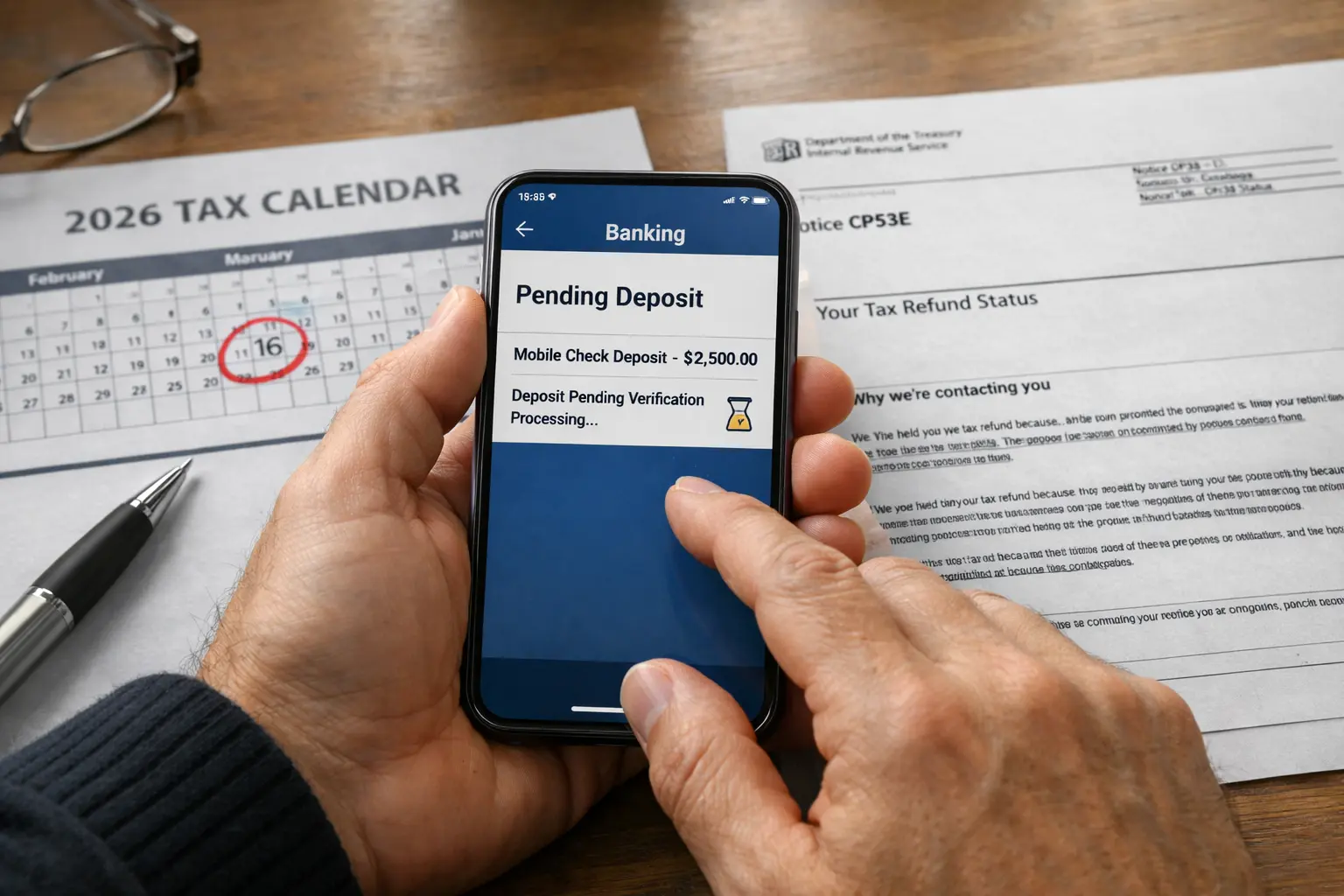
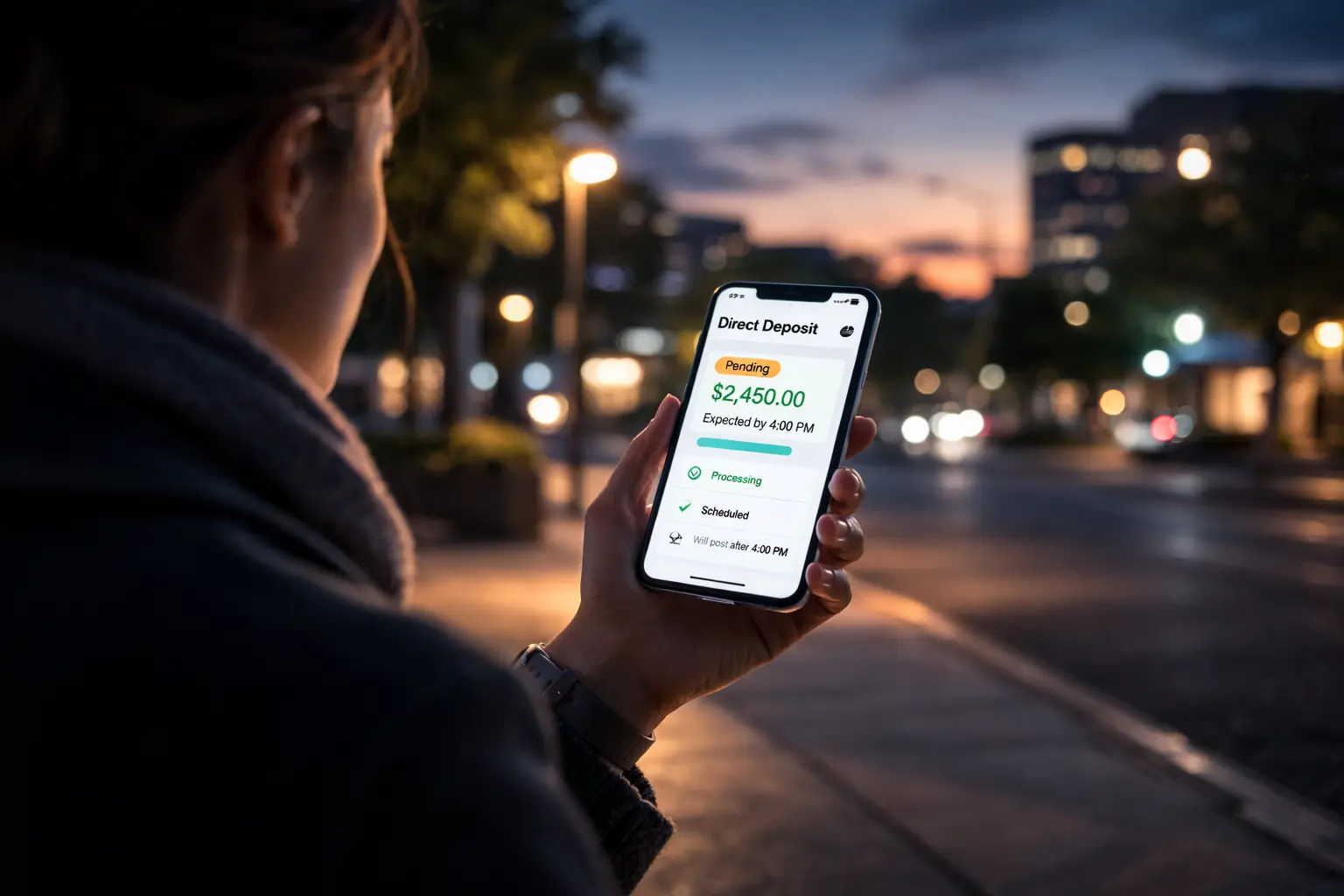
A related situation occurs when deposits appear pending first. The mechanics of this stage are described in pending deposits and why banks sometimes display transactions before clearing finishes.
How the Federal Settlement System Processes Payments
The U.S. banking network relies on structured settlement cycles rather than continuous transfers. These cycles allow institutions to confirm balances and reconcile transactions between banks.
When a payment file enters the system, it moves through clearing stages before settlement finalizes the transfer between institutions.
The infrastructure behind these movements includes national payment rails such as ACH and other clearing networks. These systems coordinate how funds move safely between financial institutions.
The broader timing mechanics are explained in ACH timing and how different settlement speeds influence deposit availability.
Bank Posting Windows Control When Deposits Appear
After settlement reaches the receiving bank, the institution must still process the transaction internally. Each bank sets its own posting windows that determine when balances update.
Some banks update accounts early in the morning, while others post deposits later in the day. The difference depends on internal processing schedules and batch processing systems.
Because of these differences, two people receiving the same payment may see their deposits appear hours apart.
This variation is discussed in the explanation of posting times and why bank balances update at different times.
Why Deposits Often Appear in Waves
Another pattern customers frequently notice is that deposits appear across many accounts within a short time window.
This occurs because banks process transactions in batches rather than individually. When a settlement cycle completes, large groups of payments may post to accounts simultaneously.
These synchronized updates can create the impression that deposits arrive in waves throughout the day.
The system behavior behind this pattern is explained in deposit waves and why large payment batches often reach accounts together.
The Role of Overnight Processing in Payment Timing
Many federal payments begin processing overnight before banks open their customer-facing systems.
During these overnight cycles, institutions exchange settlement files and prepare transactions for posting. By the time customers check their accounts in the morning, the payments may still be completing internal verification steps.
These overnight processes help explain why balances sometimes update later in the morning instead of at midnight.
The mechanics of this stage appear in the discussion of overnight clearing and how banks reconcile payment files during off-hours.
What Customers Should Check in Their Bank Account
If a Treasury payment has not appeared yet, there are several simple steps customers can take to confirm its status.
First, check the payment portal or agency website that issued the funds. These systems often confirm whether the payment was released to the banking network.
Next, review your bank’s transaction history. Some institutions display incoming payments as pending before they become available.
You can also verify whether the transaction arrived after the bank’s processing cutoff. Payments that miss a cutoff time often wait until the next settlement cycle.
The details behind these timing differences are explained in cutoff timing and how settlement windows influence the next deposit update.
What Usually Happens Next in the Payment Cycle
When Treasury payments are already entering banks, the next step is internal posting. Once the bank completes settlement verification, the funds move from pending status to the available balance.
This transition usually occurs during the bank’s next processing window. For many institutions, that update happens later the same morning or early afternoon.
The process reflects the structured design of the national payment infrastructure rather than a problem with the deposit itself.
As the settlement cycle completes and banks finalize posting, the balance typically updates and the funds become available to spend or transfer.
Author