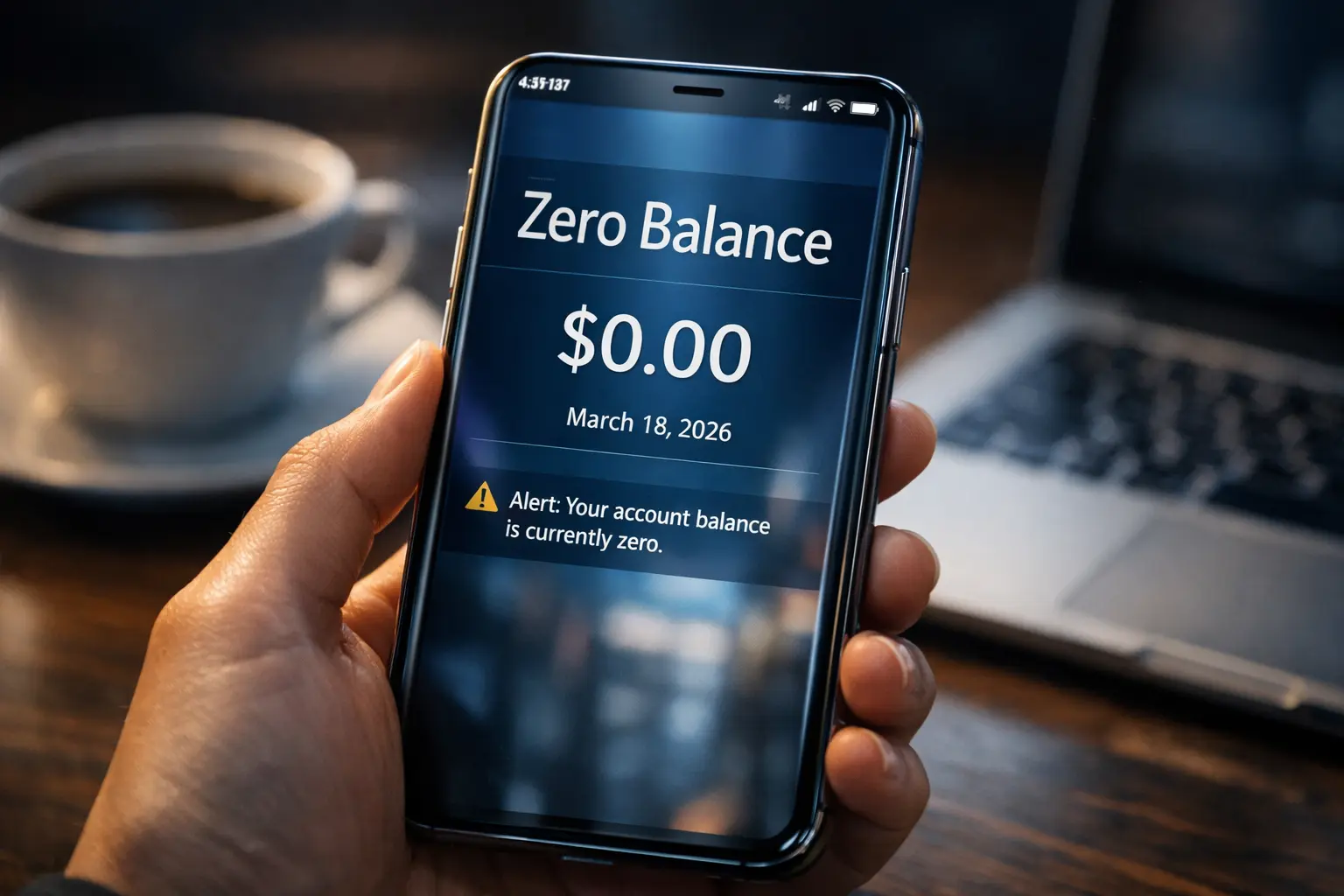
The digital landscape for millions of American taxpayers has turned into a cycle of refreshing mobile banking apps as the expected federal payout for March 18 2026 remains elusive.
While the official calendar marks today as a primary disbursal date for hundreds of thousands of accounts the reality for many is a frustrating zero balance or a persistent pending notification.
This widespread delay is not a simple banking error but the result of a high density convergence within the us money system that mainstream financial news is failing to address.
To understand why your money is missing you must look at the technical friction occurring behind the scenes of the 2026 tax season infrastructure.
The Invisible Ledger Stagnation Today
The primary technical cause for the March 18 delay is a phenomenon known as ledger stagnation. Today marks the largest single day release of refunds since the implementation of the One Big Beautiful Bill Act or OBBBA.
This massive influx of data has put unprecedented strain on the FedACH network which acts as the clearinghouse for all federal direct deposits. Because the system is now operating under the strict ISO 20022 messaging standards every transaction requires a deeper level of identity encryption before it can clear.
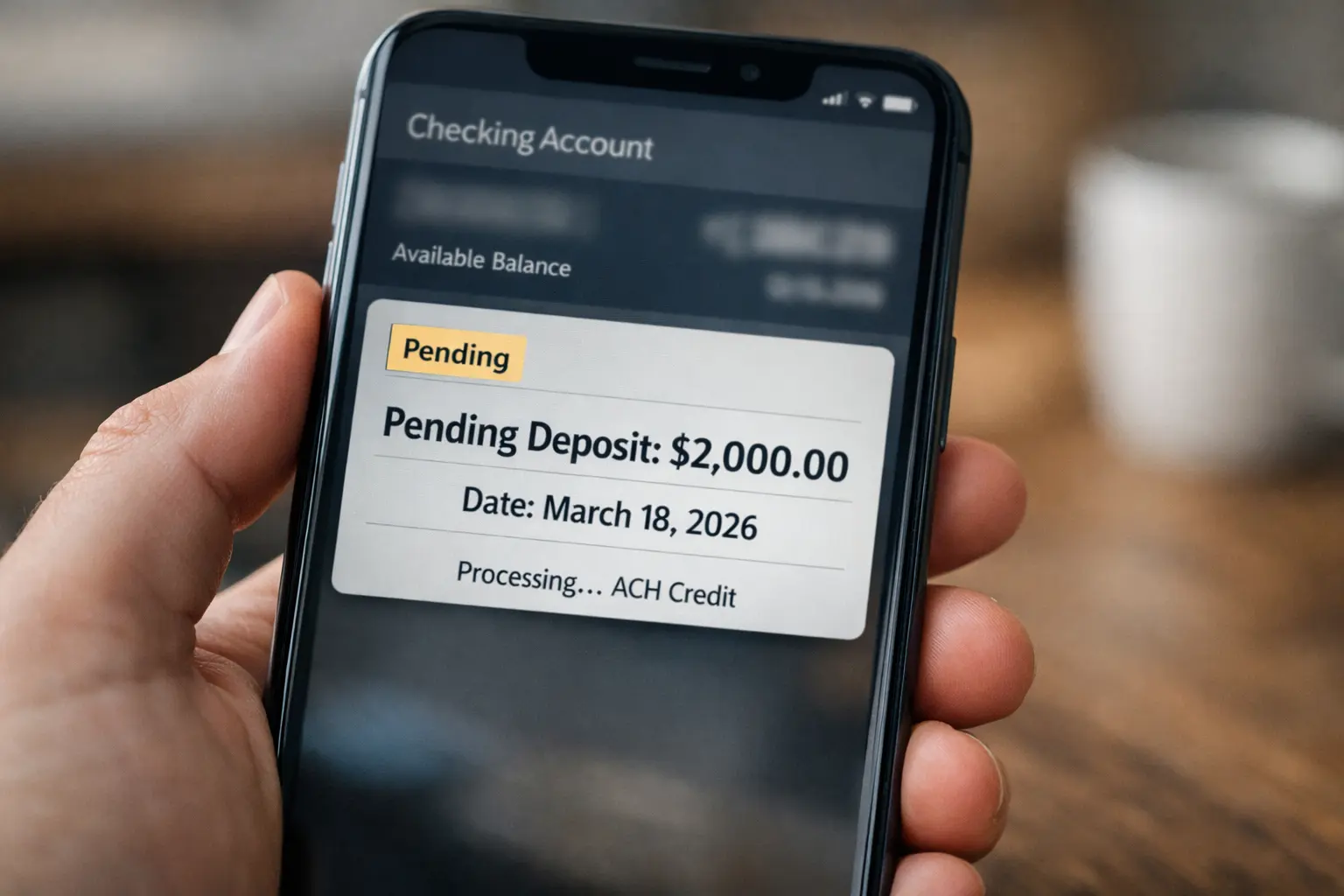
For many taxpayers the money is technically sitting at their local bank but it is held in a restricted state. This occurs because the bank posting timing for 2026 has been adjusted to allow for a mandatory six hour liquidity buffer.
Banks are now legally required to verify that the incoming federal file matches the new OBBBA security protocols before the funds can move into your available balance. If your deposit is not there this morning it is likely waiting in this secondary verification queue.
Why Your Refund Status Shows Sent But No Cash
A major source of confusion today is the discrepancy between the IRS transcript and the actual bank balance. Many users report seeing irs code 846 which indicates a refund has been issued but their bank claims they have no record of the transfer. This information gap is a byproduct of how the Treasury sends payment files in multiple batches throughout the day.
If your transcript updated overnight the file was sent in the first wave but may have been flagged for a routine compliance check. This does not mean your money is gone but rather that it is being held for the final 1 PM local time ledger refresh.
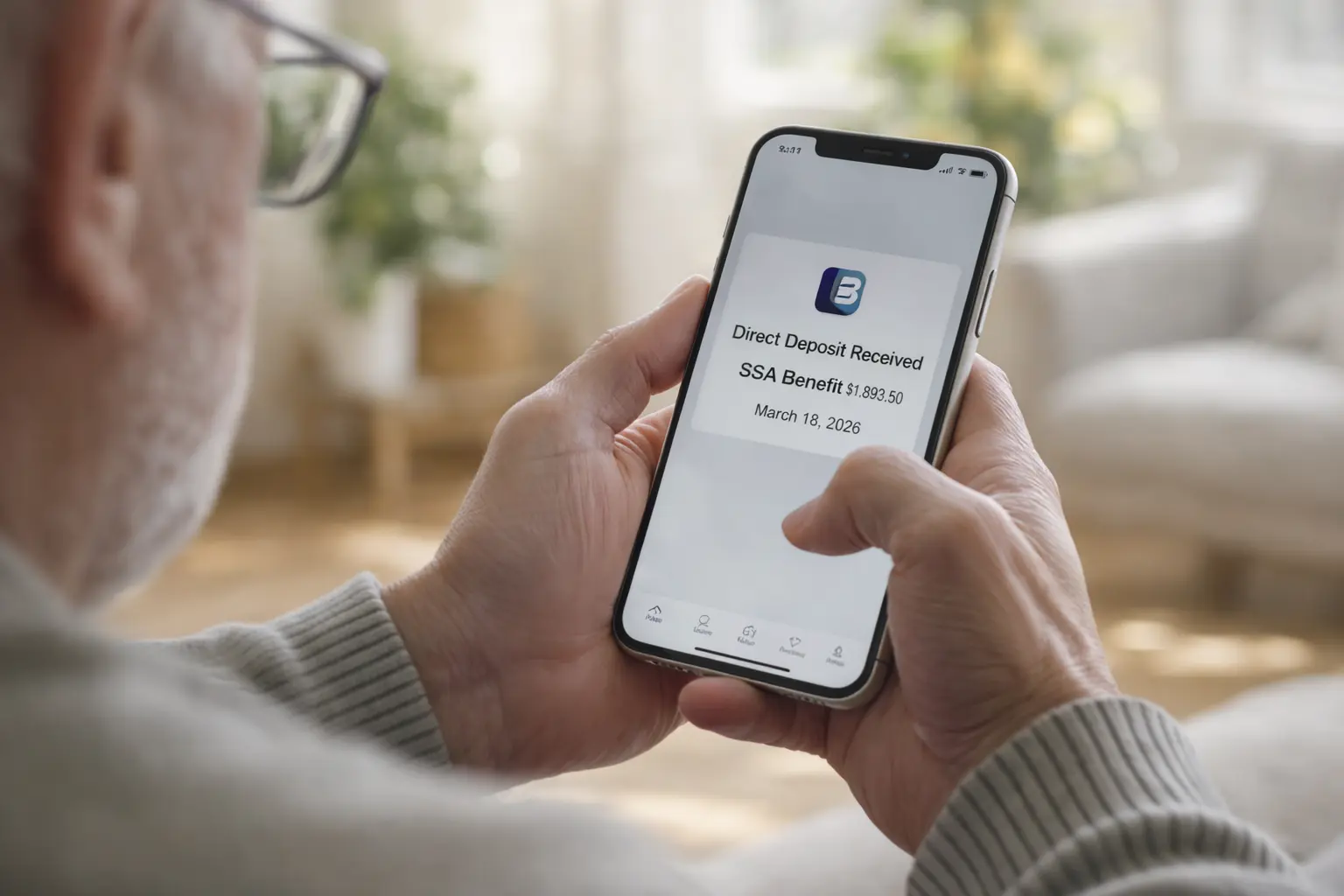
This is the moment when banks control payment posting and finalize the daily settlement. If you are also waiting for a social security payment march 18 the system may prioritize the retirement benefit over the tax refund causing a staggered entry into your account.
The CP53E Red Flag and Frozen Balances
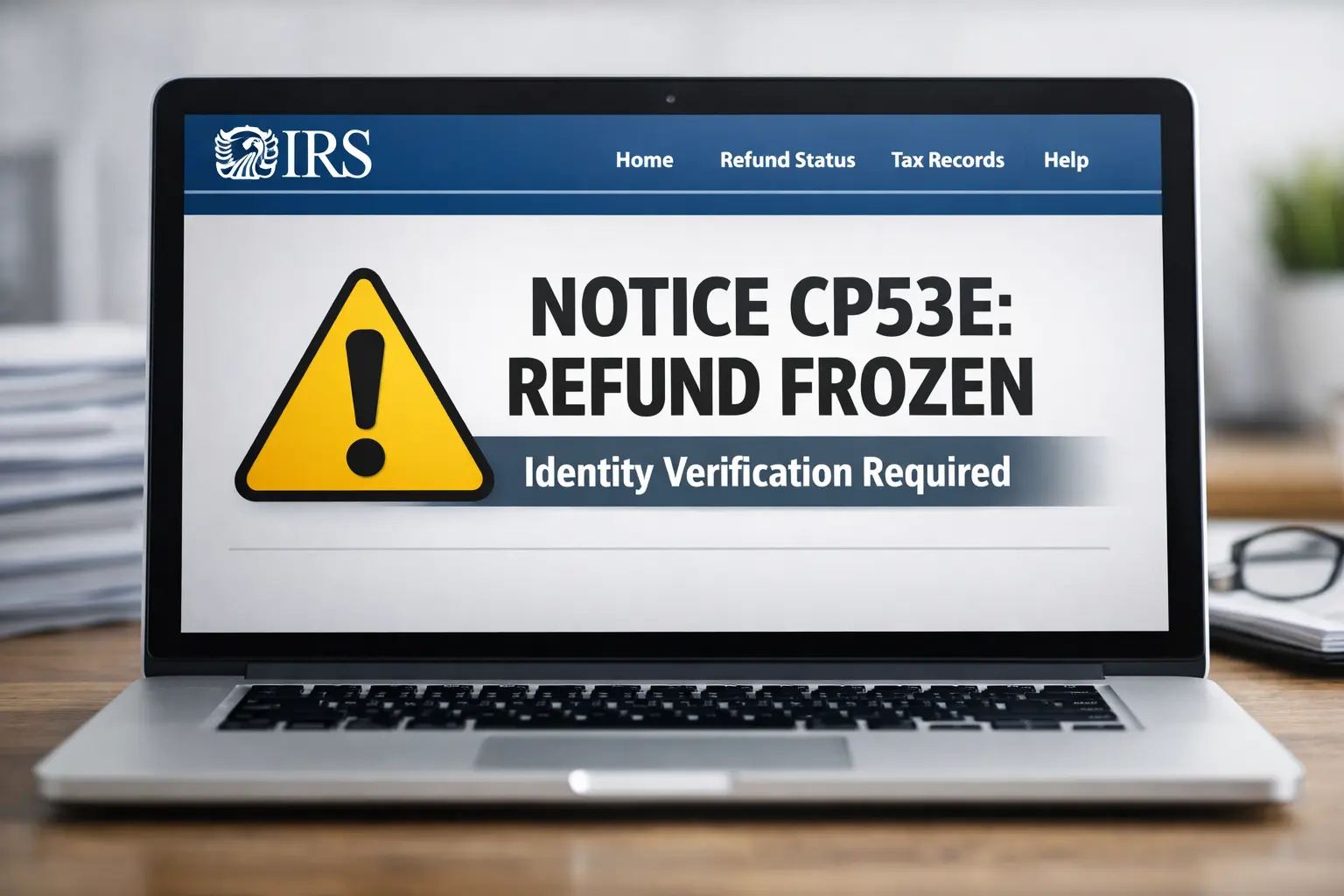
For a specific group of taxpayers the reason for the missing money is more serious than a simple delay. The OBBBA rules have introduced a high sensitivity filter that triggers an irs cp53e notice if any part of your banking profile has changed recently.
This includes a new phone number a change in residential address or even a dormant bank account that hasn’t seen activity in the last ninety days.
When this trigger occurs the funds are placed in a federal payment released balance frozen state. Unlike the standard 2000 dollar deposit pending status which clears automatically a CP53E flag requires the taxpayer to manually verify their identity through the official IRS portal.
If you do not see the funds by the time the next deposit wave clears you must assume that a security freeze has been applied to your refund for your protection against identity theft.
Final Verification Steps Before 1 PM
To find the true status of your refund before the business day ends you must follow a specific verification path. Do not rely on third party tracking apps which can lag by several hours.
Instead check your official tax transcript for the very latest 2026 status codes. If the 846 code is present with a March 18 date the money is definitely in the us money movement settlement pipeline.
The transition to a modernized us money movement system means that the old expectation of midnight deposits is no longer the standard. As we move through the afternoon the final wave of the wednesday federal deposit wave will continue to hit bank ledgers.
By understanding that these delays are caused by new federal security mandates and liquidity refreshes you can wait for the 1 PM window with the confidence that your true liquidity available balance will soon reflect your long awaited refund.
Author