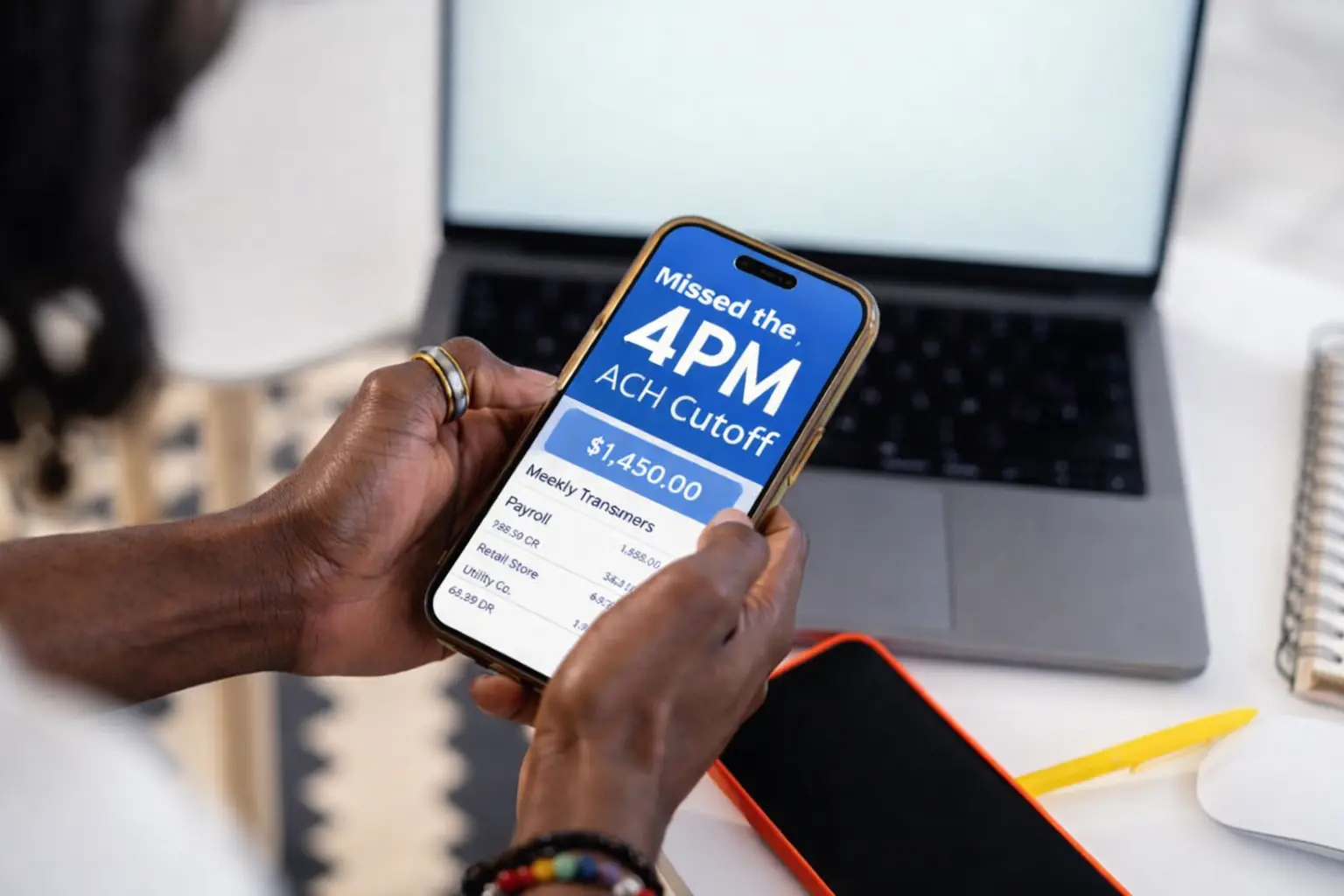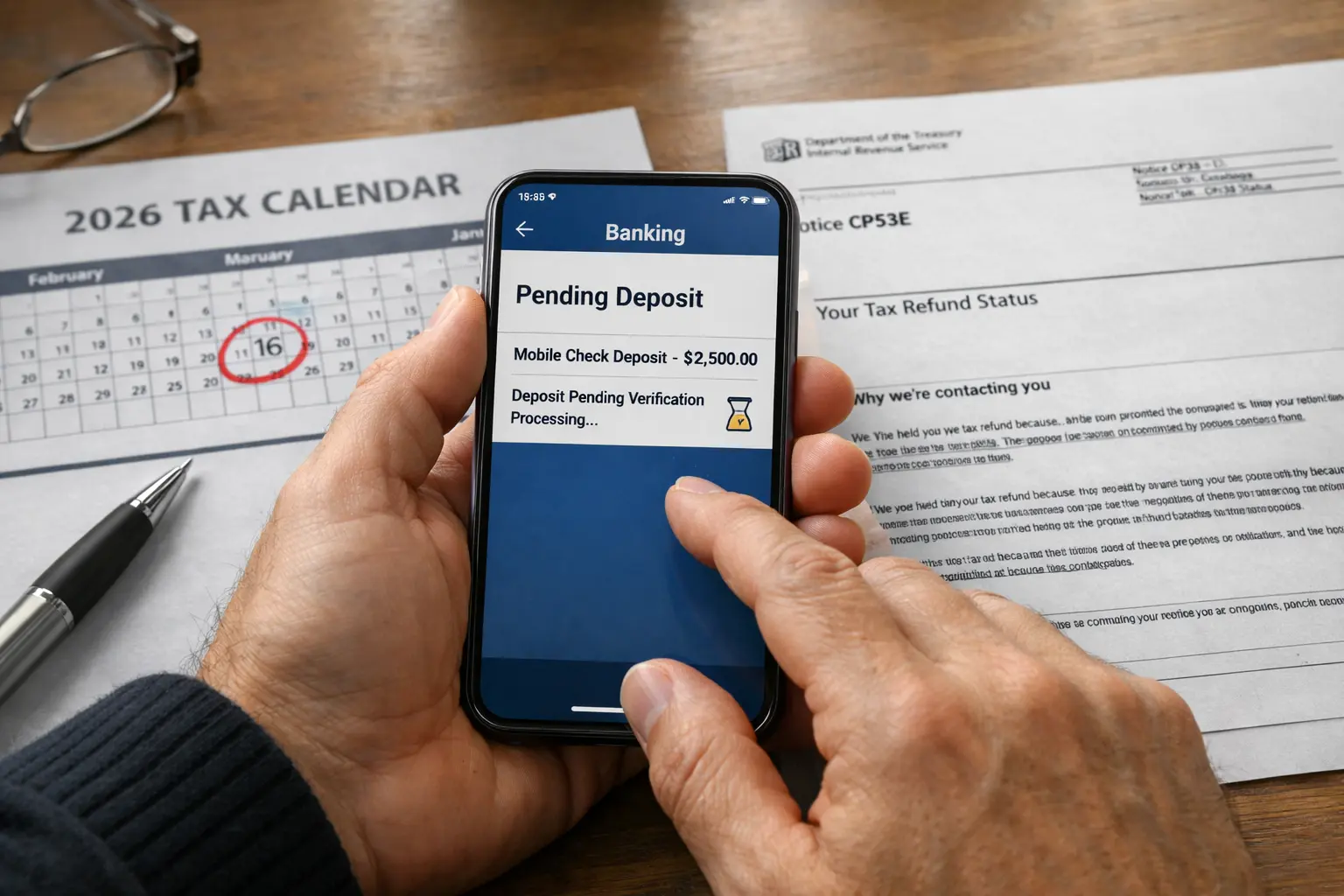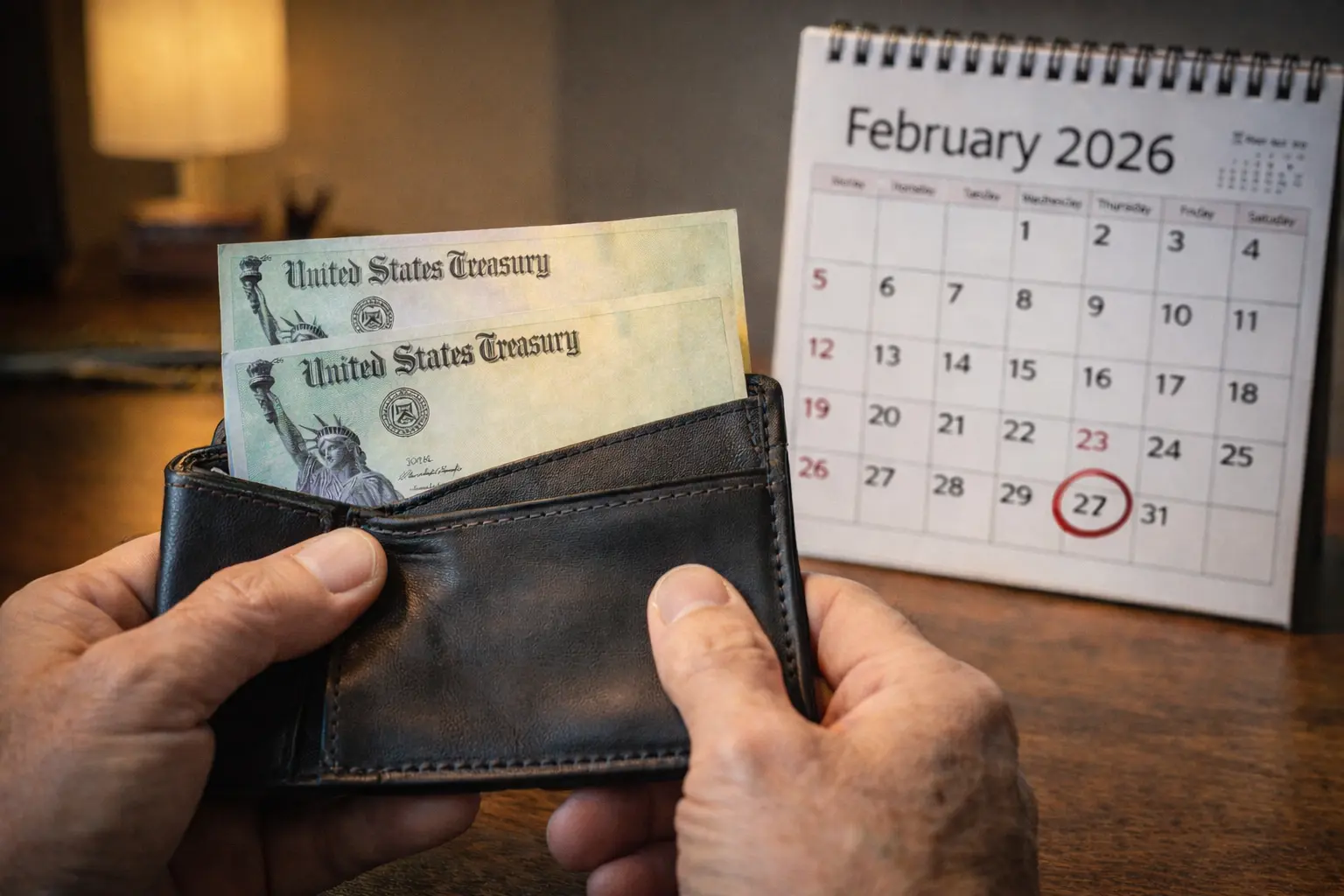
Millions of Americans refreshing their banking apps today may begin noticing deposits appearing at different times throughout the morning and afternoon.
Across the United States, banks are processing new batches of incoming payments as part of their regular settlement cycles. For people expecting tax refunds, payroll deposits, or federal payments, the timing difference between banks can make it look like deposits are arriving unevenly.
In reality, those deposits are usually moving through the same U.S. money movement system, but each bank updates balances according to its own internal posting schedule. Understanding how bank posting works helps explain why balances can update hours apart even when the payment was released at the same time.
How Settlement Cycles Open
Every day, financial institutions receive incoming payment files from the U.S. banking network. These files contain thousands, sometimes millions, of transactions that must be verified and posted to customer accounts.
Most deposits move through the ACH payment network, which processes the majority of payroll payments, tax refunds, and government benefits in the United States.
Once banks receive those settlement files, they begin posting deposits during scheduled update cycles. These cycles typically start overnight bank clearing and continue through the morning as systems reconcile incoming transactions.
Because each bank runs its own internal ledger systems, the exact posting time can vary widely between institutions. That’s why one person might see a deposit appear early in the morning while someone else receiving the same type of payment may not see it until later in the day.
Why Bank Balances Update at Different Times
The timing gap between deposits often comes down to how banks manage their bank posting windows. Many institutions process transactions in structured phases throughout the day.
| Posting Phase | Typical Window (ET) | What Happens |
|---|---|---|
| Overnight Processing | 12:00 AM – 3:00 AM | Early settlement files arrive |
| Morning Posting | 6:00 AM – 9:00 AM | First major balance updates |
| Midday Settlement | 11:00 AM – 2:00 PM | Additional deposit batches |
| Late-Day Reconciliation | After 5:00 PM | Final updates and adjustments |
If a payment file reaches a bank after a cutoff window, the deposit may simply wait until the next processing cycle. That delay does not mean the payment failed or disappeared, it only reflects the internal timing of how banks update customer ledgers. This system explains why deposits often appear in waves throughout the day rather than all at once.
The National Payment System Behind Everyday Deposits
Behind the scenes, most consumer deposits travel through a multi-step financial infrastructure.
Payments are first transmitted through national clearing networks such as ACH or other settlement systems used by financial institutions. From there, banks receive the transactions and verify them before updating individual account balances.
Government payments, tax refunds, and many payroll deposits all rely on this same core payment infrastructure, governed by Federal Reserve payment systems.
Because these systems process transactions in large batches, balances often change only when the next ACH settlement timing is fully processed by the receiving bank. That batching process is one reason deposit timing explained can appear inconsistent from one institution to another.
What People Checking Their Bank Accounts Should Expect Today
For many Americans checking their balances today, the deposit they are waiting for may already be inside the banking system even if it has not appeared yet.
As banks continue running settlement cycles throughout the day, additional deposits typically appear when the next posting window completes.
That’s why large numbers of accounts sometimes update at nearly the same moment when a bank finishes processing a batch of incoming transactions.
In most cases, deposits that are already moving through the system appear once the next processing cycle closes. Knowing that the Treasury payment release often happens hours before bank visibility can help reduce confusion for people expecting funds to arrive today.
Author