EARLY PAY STATUS: Monday, March 16, 2026 — 6:00 AM ET
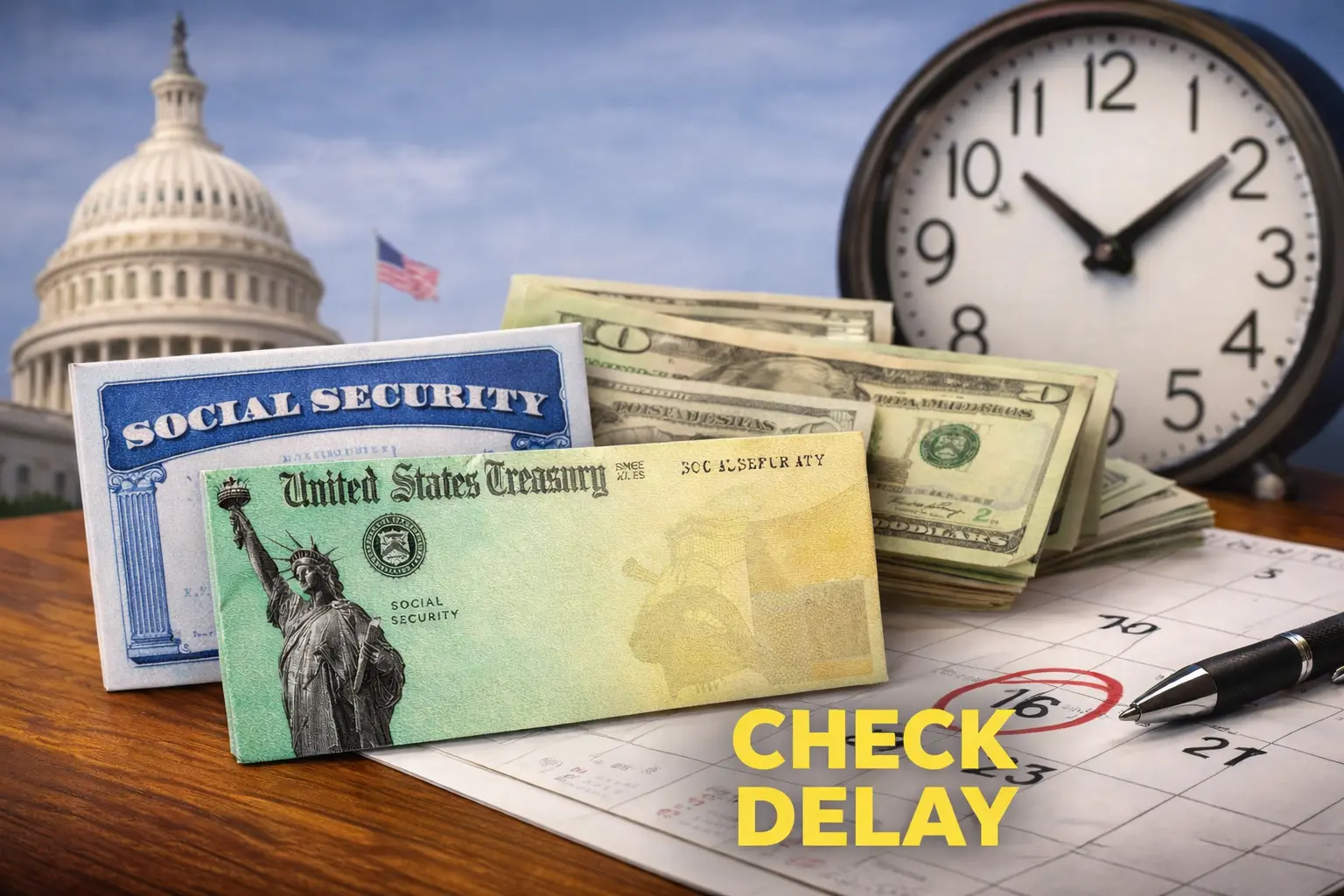
Chime and Varo systems are currently operational, but many early deposits are on hold. The Treasury has issued a “Batch Pause” for certain March 18 files while the new 2026 fraud filters complete their cycle.
If you use Chime, Varo, or Current, you’ve likely grown accustomed to seeing your tax refund or federal benefits hit your account days before your neighbors. But this morning, many users are refreshing their apps only to find a stagnant balance.
The silence in your notifications is likely due to an IRS status glitch that has effectively paused the early pay cycle for the March 18 settlement wave. The feeling of seeing a sent date on your transcript but having an empty bank account is incredibly stressful.
For the early pay community, this isn’t just a delay; it feels like a broken promise. However, the bottleneck isn’t with your neobank, it’s a result of how the national settlement system manages the transition from a weekend freeze to Monday morning liquidity.
Why Chime and Varo Are “Stuck” This Monday Morning
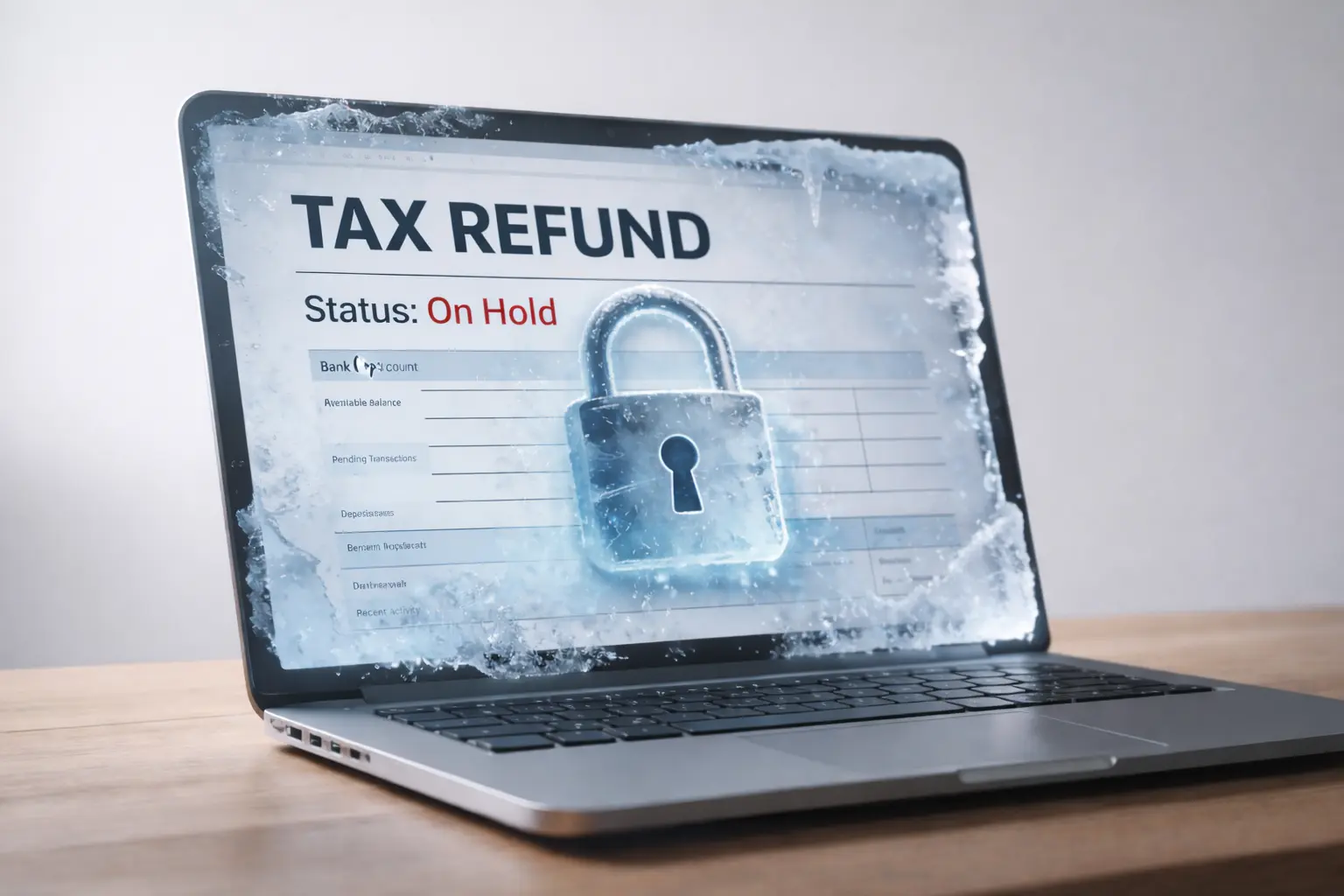
Usually, neobanks credit your account as soon as they receive a “notification of deposit” from the Federal Reserve. They don’t wait for the actual cash to settle. However, the IRS has implemented a more aggressive “Hard Freeze” protocol for the 2026 season to combat fraud.
This means even if your refund shows sent, the Treasury may have attached a “Hold” instruction that prevents Chime or Varo from advancing the funds to you.
This situation is particularly common during the Monday morning rush when the Federal Reserve is clearing three days of backlogged data. If your specific batch hasn’t cleared the “Fraud Detection” layer of the Bureau of the Fiscal Service, the “Early Pay” advantage simply evaporates until the system gives the green light.
The IRS Hard Freeze: When Will the Release Happen?
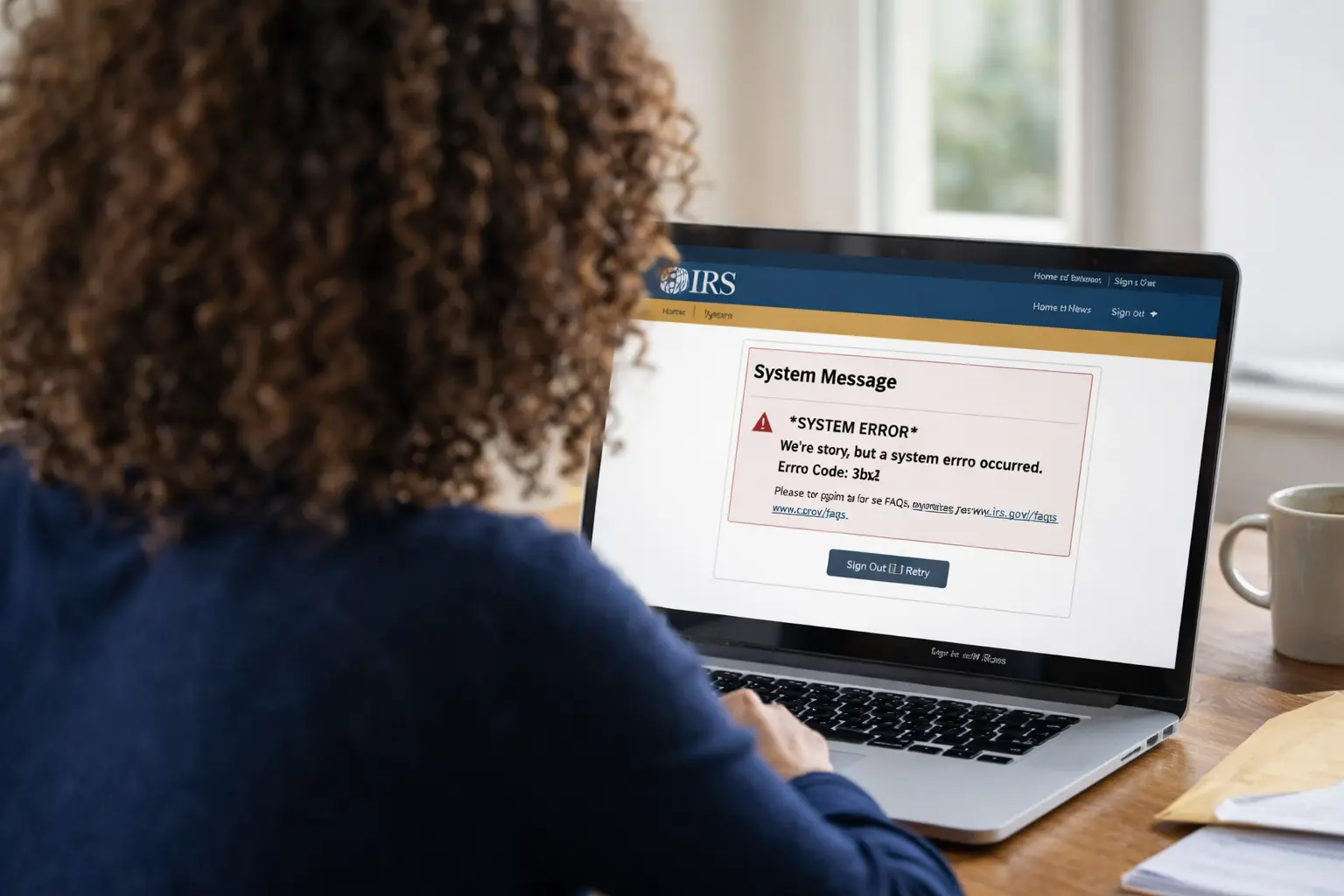
A “Hard Freeze” occurs when the IRS Master File marks a return for final manual review or identity verification. Many users caught in this loop are seeing IRS login errors because they are trying to check their transcripts at the same time the system is trying to update them.
The freeze is usually lifted once the overnight bank clearing cycle confirms that no conflicting claims exist for your Social Security number. For the March 18 wave, the release of these frozen funds typically happens in a series of “Micro-Batches.”
Instead of everyone getting paid at once, the IRS drops funds in waves throughout the day. If you missed the midnight drop, your next window for a notification is typically between 11:00 AM and 2:00 PM ET as the next deposit wave clears the Treasury pipeline.
Neobanks and the Federal Reserve Settlement Window
The magic of “2-day early” pay depends entirely on the Federal Reserve’s FedACH system. On a normal week, the Treasury sends the file on Monday for a Wednesday payday, and Chime gives you the money immediately. But on a March 16 gap Monday, the “notification” itself is often delayed.
The federal reserve windows are operating at peak capacity today. Banks are reconciling massive amounts of data, and if the “Pre-Note” from the Treasury is delayed by even an hour, it pushes the neobank posting time back significantly. This is why you might see your money hit at 4:00 PM today instead of the usual 4:00 AM.
Social Security and Early Pay: The March 18 Wave
Retirees and disability beneficiaries who use Varo or Chime often expect their March 18 payment to land today, Monday. If you belong to the birthday group of the 11th through the 20th, the SSA has already transmitted the file.
However, if your account is currently showing a zero balance, it means the “Notification of Credit” hasn’t reached your bank’s internal routing system. Neobank users should also keep an eye out for a pending deposit notice in their app activity feed.
Unlike traditional banks, Chime will often show you that a deposit is “coming soon” even if the funds aren’t spendable yet. If you don’t even see the “Pending” alert, the Treasury hasn’t handed the file to the Fed yet.
The Impact of the ISO 20022 Banking Migration
The year 2026 is a transition period for the federal reserve migration to new messaging standards. This technical upgrade is designed to make money move faster, but during the rollout, it has caused “Data Shifting” issues.
Some neobanks are experiencing “Handshake Errors” with the Treasury’s servers, which can lead to your deposit being temporarily misrouted or delayed by 12–24 hours. This migration is one reason why some people get paid early while others in the same “Batch” do not.
If your neobank has already migrated to the new standards but the Treasury’s regional office is still on the legacy system, a “Conversion Lag” occurs. This lag is a major reason why your bank posting times may feel inconsistent compared to last month.
Next Steps for Chime and Varo Users Today
The best thing you can do right now is check your “Notifications” settings. Ensure your app is allowed to send push alerts so you know the second the invisible payment rails deliver your cash.
If your money hasn’t arrived by tonight, check for an identity review notice in your physical mail or IRS portal. Sometimes the “Hard Freeze” is simply the IRS asking for a quick verification of your bank’s routing number, especially if you recently switched to a new neobank platform.
System Outlook: When the “Freeze” Will Finally Melt
The current bottleneck is expected to clear as the Monday morning “Settlement Rush” subsides. For most Chime and Varo users, the us money movement system will finalize your March 18 deposit by Tuesday morning at the latest.
While it is frustrating to lose the “2-day early” advantage, your funds are secure and moving through the most scrutinized financial network in the world.
Stay patient and remember that everyone is in the same boat this Monday. The how us money moves cycle is a complex machine, and even the fastest neobanks have to wait for the Federal Reserve to turn the key.
Author