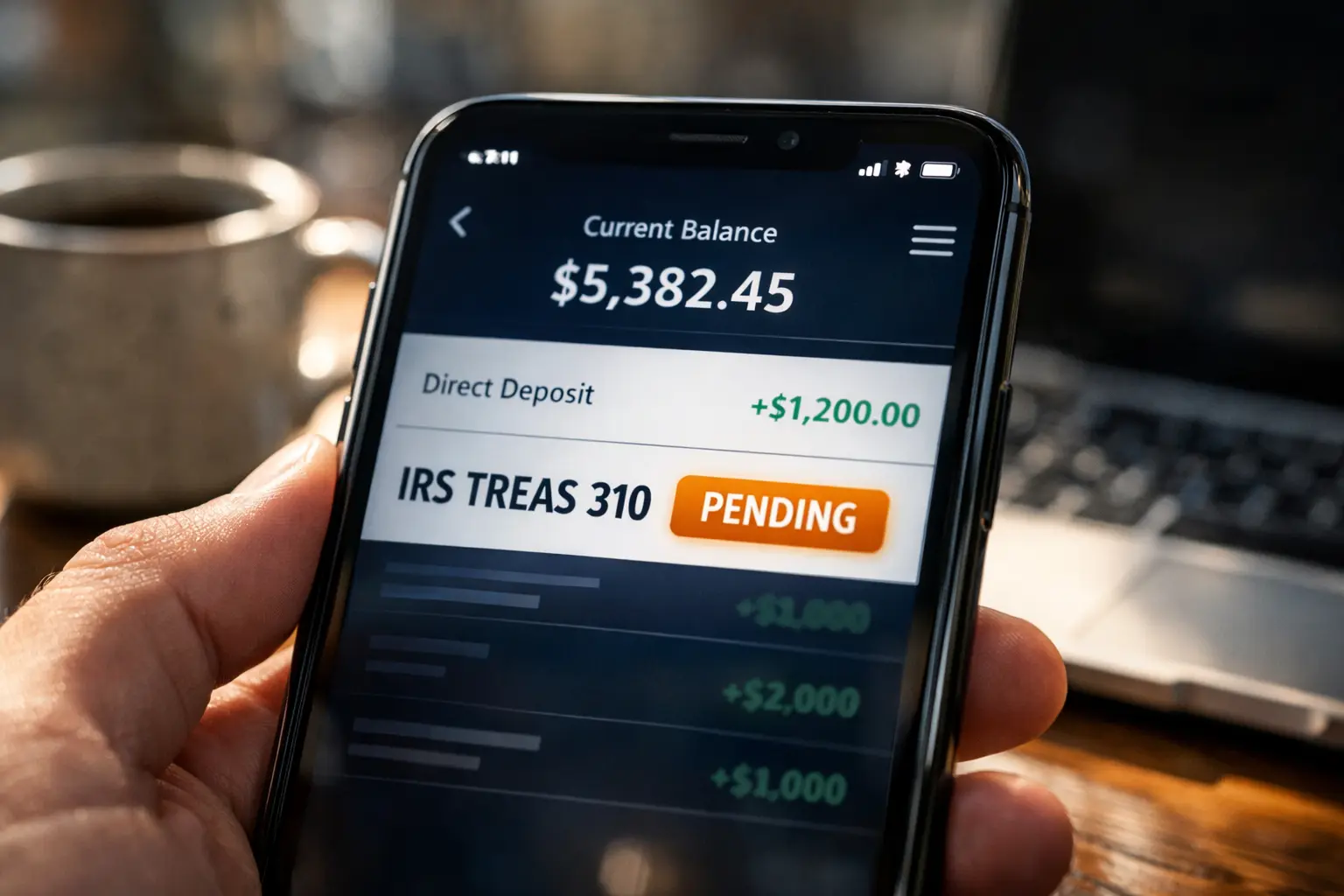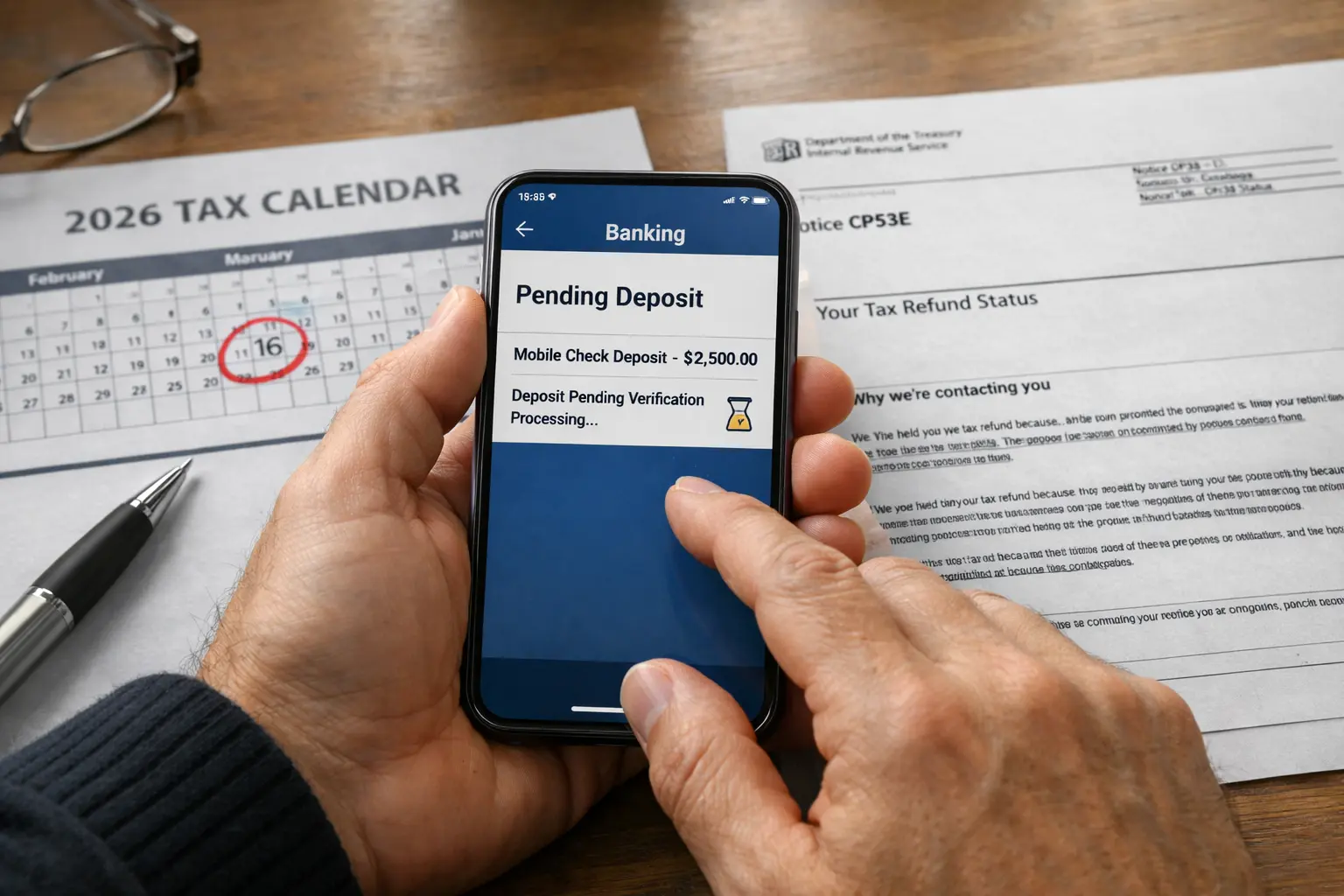
You check your bank account this morning. The payment is there. It shows “posted” or “scheduled.” The date says February 27. The deposit looks confirmed. But your available balance still shows $0. This February 28 posting gap is affecting customers across multiple banks this morning.
For millions of Americans today, this exact scenario is triggering a surge of searches: confirmed deposit but no money available why does my bank show deposit but $0 balance direct deposit showing but not available bank deposit pending but not usable why is my available balance zero
When money appears visually but cannot be accessed, it creates immediate tension. Rent is due. Bills are pending. Groceries need to be purchased.
A “confirmed” payment that cannot be used feels like a glitch or a freeze. Before panic spreads further, here is what is actually happening inside the U.S. payment system today.
Why a Confirmed Feb 27 Payment Can Still Show $0 on Feb 28
A deposit can be confirmed at the settlement level while still moving through internal availability controls inside your bank. These are two different processes.
Settlement is when the funds move between institutions through the ACH network or federal payment rails. Posting is when your bank updates its internal ledger and releases the funds to your available balance.
On high-volume federal payment weeks, especially around Social Security, payroll, or IRS refund waves, banks often receive large batches of deposits overnight. Those batches must pass through reserve verification, fraud screening, and internal liquidity balancing before full availability is released.
That delay window is usually hours, not days. But during that window, your balance may display $0 even though the transaction line shows pending before clearing.
How ACH Settlement Actually Finalizes
Overnight ACH batches are processed through invisible payment rails overseen by the Federal Reserve and governed by rules from Nacha. When settlement finalizes, funds move between institutional reserve accounts.
However, that interbank settlement does not automatically mean your personal available balance updates at the exact same second. This sequencing creates the short settlement window timing customers are seeing this morning.
After settlement, each bank must:
• Verify reserve balances
• Run internal fraud and compliance screens
• Sync transactions to its core processing system
• Release funds according to its internal posting windows
The Difference Between Posted and Available
This distinction is critical today. A deposit marked “posted” means the bank has acknowledged receipt. It does not always mean the funds are immediately accessible.
Banks operate with two balances: ledger balance and available balance. The ledger reflects transaction recognition. The available balance reflects true liquidity balance after internal controls are satisfied.
When you see a confirmed Feb 27 payment but cannot access it on Feb 28 morning, it often means the ledger has updated but the available balance is still syncing through internal release timing. This is particularly common during early-morning overnight clearing cycles.
Typical Morning Posting Windows: Feb 28 Activity
Posting time varies by bank architecture, internal risk models, and volume conditions. Not all institutions release funds simultaneously.
| Time Window | What Happens |
|---|---|
| 12:00–4:00 AM | ACH settlement batches finalize |
| 5:00–7:00 AM | Ledger updates begin |
| 6:00–9:30 AM | Available balance release cycles |
| After 10:00 AM | Manual verification cases clear |
Why February 28 Is Seeing Higher Activity
End-of-month cycles compress multiple payment streams. Social Security early releases, payroll disbursements, IRS refund settlements, and private employer deposits often cluster near the final business days of February. That creates unusually high ACH traffic entering banks overnight.
When clearing volume spikes, internal posting windows can stagger. Some customers see full availability at 6:00 AM. Others at 8:00 AM. Others closer to 9:30 AM or later, depending on bank processing structure. The result is widespread confusion as neighbors compare balances and see different outcomes at the same time.
Is This a Bank Error?
In most cases today, no. A true bank error typically presents as a rejected deposit, a returned payment, or a visible reversal notice. A $0 available balance with a visible confirmed transaction usually signals internal processing timing, not disappearance of funds.
Banks must ensure that interbank settlement has finalized and that sufficient reserve backing is recorded before releasing liquidity to customers. That verification step can create a temporary gap between confirmation and availability.
Why This Feels Worse Than It Is
When your balance reads $0, the emotional reaction overrides the technical explanation. The human mind interprets absence immediately as loss. But the system is not removing your payment. It is sequencing it.
Federal benefit payments move through layered infrastructure. Even after settlement is confirmed through ACH clearing, your bank must update its core ledger and release funds according to its posting architecture. This architecture differs across institutions.
Some banks advertise early direct deposit and release funds upon file receipt. Others wait until final settlement confirmation before updating available balances. The difference in timing creates visible disparity between customers.
What Usually Happens Next
In the majority of February 28 cases, the available balance updates later the same morning once final posting cycles complete. Banks often run multiple intraday availability sweeps. When reserve verification clears and internal liquidity thresholds are satisfied, the funds become usable automatically. No action is required from the customer.
Refreshing the app repeatedly will not accelerate that process. The update occurs at the system level. If the deposit not there past normal business hours, contacting your bank may be appropriate. But during high-volume federal payment mornings, temporary availability gaps are common.
Why This Is Not a Government Freeze
Online speculation tends to spread quickly during balance anomalies. A confirmed Feb 27 payment showing $0 does not indicate a federal hold, benefit cancellation, or account seizure. Government-issued payments that have cleared into your bank are no longer pending at the Treasury level.
If the transaction line appears in your account history, it has passed through federal release channels. What remains is internal bank processing. Understanding this distinction prevents unnecessary escalation and panic.
The Timing Psychology Behind $0 Balances
When deposits hit overnight, many people expect immediate usability at midnight. But most banks do not release availability at exactly 12:01 AM. Core ledger rollovers often occur in early morning processing windows. Some institutions stagger release times based on volume or risk modeling.
This creates the midnight myth. Just because a deposit shows dated February 27 does not mean it will be available at 12:01 AM on February 28. The visible date reflects settlement timeline. Availability reflects internal release logic.
When You Should Be Concerned
If your payment shows reversed, returned, or removed from your account history, that requires immediate attention. If your balance remains unavailable beyond the full business day and your bank cannot confirm release timing, further investigation is appropriate.
But a confirmed payment showing $0 available in early morning hours on a high-volume federal payment day is typically temporary. Understanding the structure reduces unnecessary stress.
The Bottom Line
If you are seeing a confirmed February 27 payment but your available balance still reads $0 today on February 28, you are likely experiencing a timing gap between settlement and internal posting release. This is not a disappearance of funds. It is not a federal cancellation.
It is not a system-wide freeze. And it is the final stage of bank liquidity verification before availability is released to your account. Most cases resolve within hours as Social Security posting cycles complete. Take a breath. Monitor your account through standard business hours.
And remember that confirmed does not always mean immediately accessible, but it almost always means the money is on its way to becoming available. Today’s surge in anxiety reflects visibility timing, not payment failure.
Author