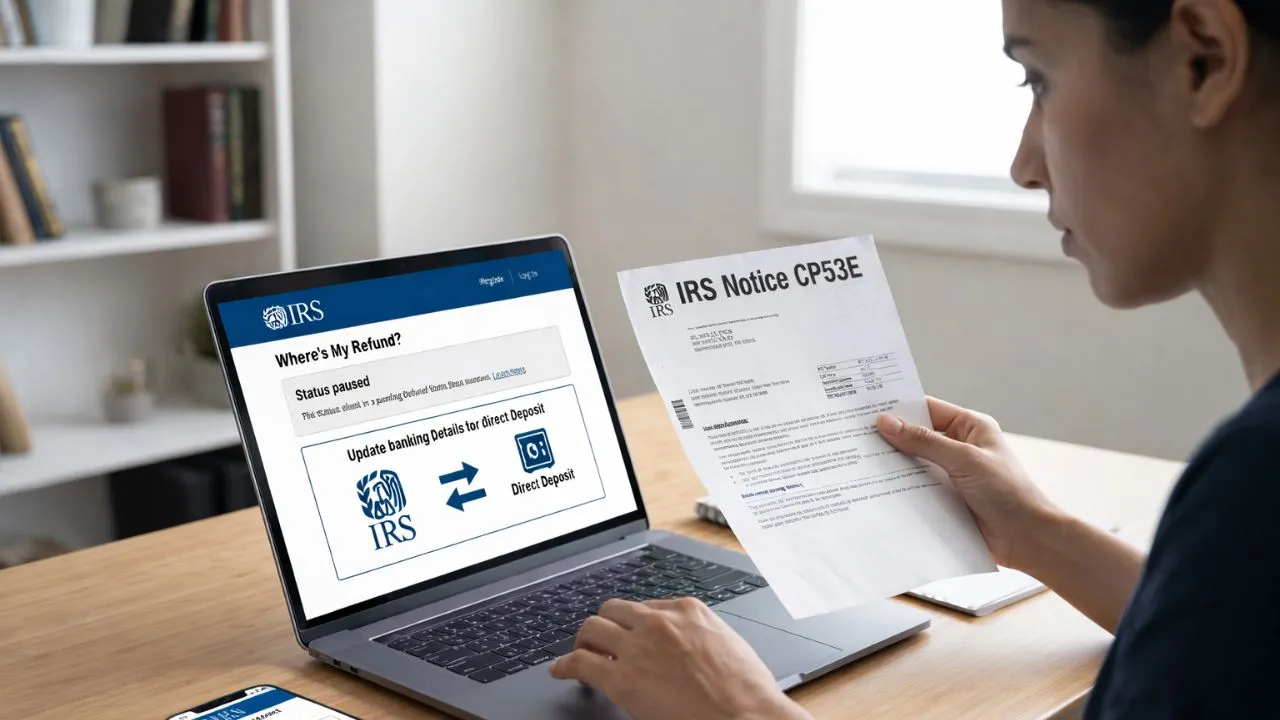
You checked the “Where’s My Refund” portal this morning. You expected a status bar moving toward “Approved.” Instead, you found a generic message or a status that has not moved in days. This lack of progress is not a mistake. It is a legal mandate.
Millions of American households are currently hitting a wall known as the February 15th PATH Act freeze. This legislation prevents the Internal Revenue Service from issuing certain refunds before mid-February. It exists specifically to combat identity theft and fraudulent claims related to high-value credits.
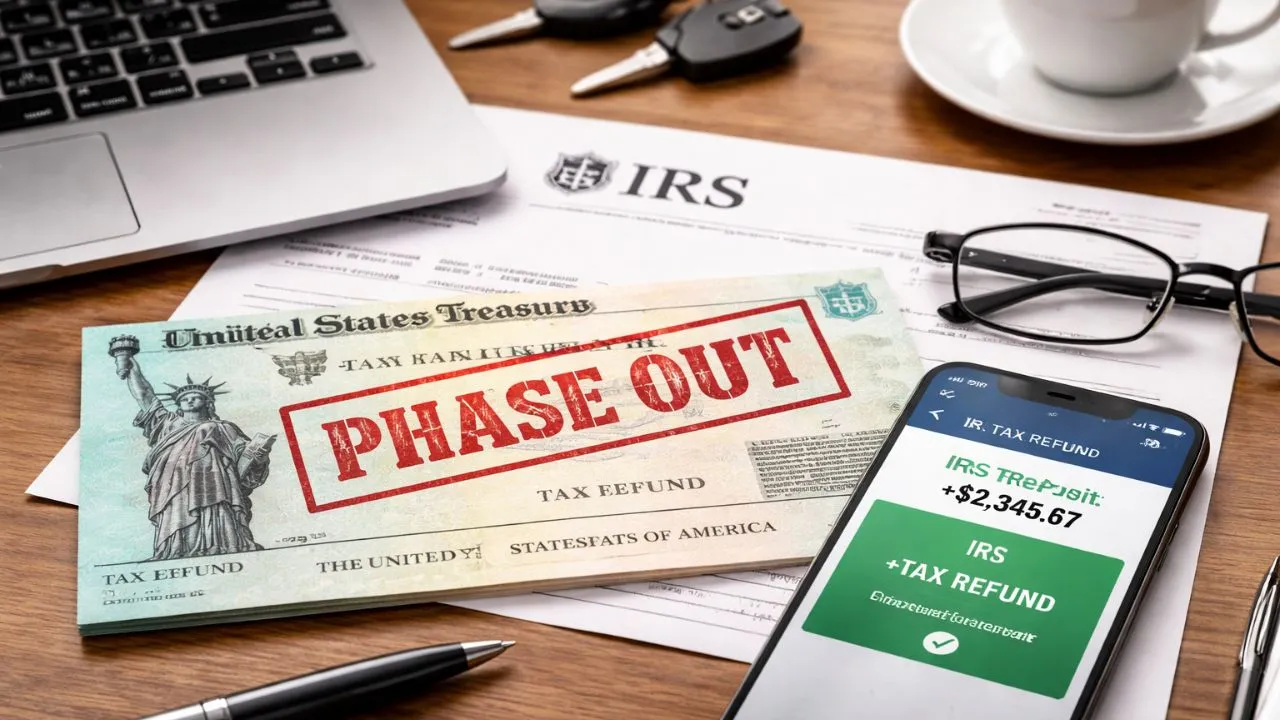
If you claimed the Earned Income Tax Credit or the Additional Child Tax Credit, your money is legally locked. Even if the IRS has finished processing your return, they cannot press the “send” button yet. Understanding this timeline is the only way to accurately plan your February budget.
The Legal Origin of the Refund Delay
The PATH Act was passed by Congress to protect your hard-earned wealth. Before this law existed, scammers would file fraudulent returns early in January to steal massive tax credits. The IRS had no time to verify the wage data against employer records.
By mandating a freeze until February 15th, the law gives the government a critical window. They use this time to cross-reference your W-2 Box 1 data with the documents sent by your employer. It is a massive data-matching exercise designed to ensure that the $2,000 or more in credits goes to the rightful owner.
This delay applies to the entire refund, not just the portion related to the credits. If your return includes even one dollar from these specific programs, the entire check is held. There are no exceptions for financial hardship or emergency needs because the law is inflexible.
When the ‘Freeze’ Officially Lifts
The most important date on the tax calendar is February 15th. However, this does not mean the money appears in your bank account at midnight. The lifting of the freeze simply triggers the start of the massive payout process.
Most taxpayers affected by the PATH Act will see their “Where’s My Refund” status update by February 22nd. The actual direct deposits usually arrive during the final week of February. This assumes there are no other issues like pending bank codes or filing errors.
If you are waiting for these funds to cover essential bills, you must account for the standard three-day banking lag. While some fintech apps offer early access, most traditional institutions will process these large federal transfers in the last few days of the month.
Managing the ‘Information Gap’
The silence from the IRS during this period often leads to the rise of the $2,000 federal deposit scam. Scammers know that you are anxious about your frozen refund. They use this window to send fake “verification” links.
They might claim that clicking a link will “bypass” the PATH Act freeze or “expedite” your payment. These are lies. No private company or third-party service can legally move your money faster than the federal timeline.
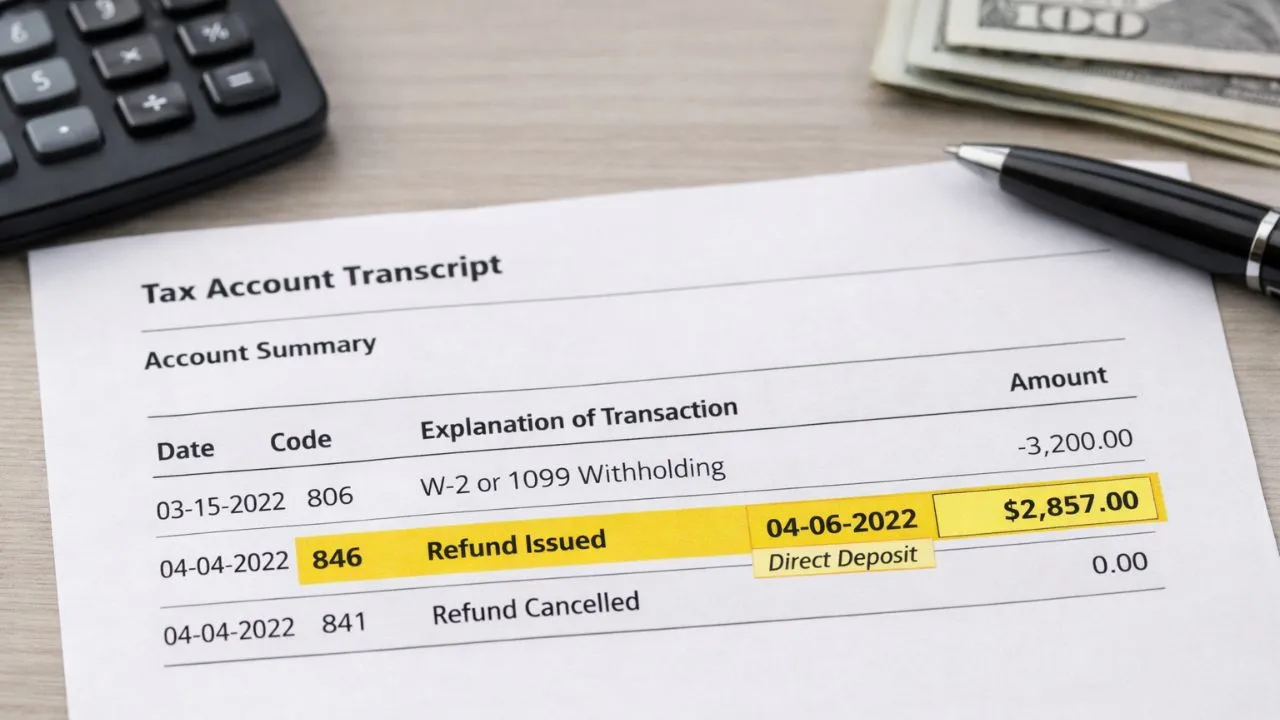
Your best strategy is to remain patient and monitor your official tax transcript. The transcript often shows a “refund issued” code before the public tracking tool updates. By focusing on the official legal timeline, you can avoid the risky behaviors that lead to financial loss.
The Strategic Path Forward
This mid-month freeze is a reminder of the complexity of the modern American tax system. While the wait is frustrating, it is the only barrier standing between your identity and sophisticated global fraud networks.
Use this time to verify that your banking information is current and that you have no outstanding Treasury offsets. If your paperwork is correct, your funds are safe within the federal system. The freeze will lift shortly, and the financial relief you are expecting will follow its legal course.
Author

 $2,000 Direct Deposit: What ‘Pending’ Bank Codes Mean
 IRS Alert: Why Your $2,000 Deposit Notification Could Be a Scam
 SSDI and SSI Payment Schedule February 2026: Official Dates
 How to Qualify for the February 2026 $2,000 Federal Deposit | Eligibility Rules