The backbone of the United States financial infrastructure is facing a period of high intensity stress today March 18 2026 as the Federal Reserve FedACH network struggles to reconcile a record breaking volume of federal transactions.
This technical phenomenon known as FedACH friction has resulted in millions of direct deposits remaining in a pending state well past their scheduled clearing times.
While individual banks are often the first to face scrutiny the reality is that the us money system is currently navigating a structural bottleneck.
If you are waiting for a tax refund or a benefit payment this afternoon understanding the current state of the federal payment rails is critical to knowing when your funds will finally be spendable.
The FedACH Bottleneck and 2026 Modernization
The primary cause of the current delay is the full scale integration of the ISO 20022 messaging standards across the us money system settlement architecture.
This global update was designed to provide richer data for every transaction but it has also introduced a secondary verification layer that slows down the traditional batch processing speed.
Today March 18 is the first time this new system has had to handle the simultaneous release of the second Social Security wave and the massive OBBBA tax refund payouts.
This convergence has created a data surge that exceeds the typical daily capacity of the FedACH servers. As a result many transaction files that were sent by the Treasury early this morning have been placed in a temporary queue.
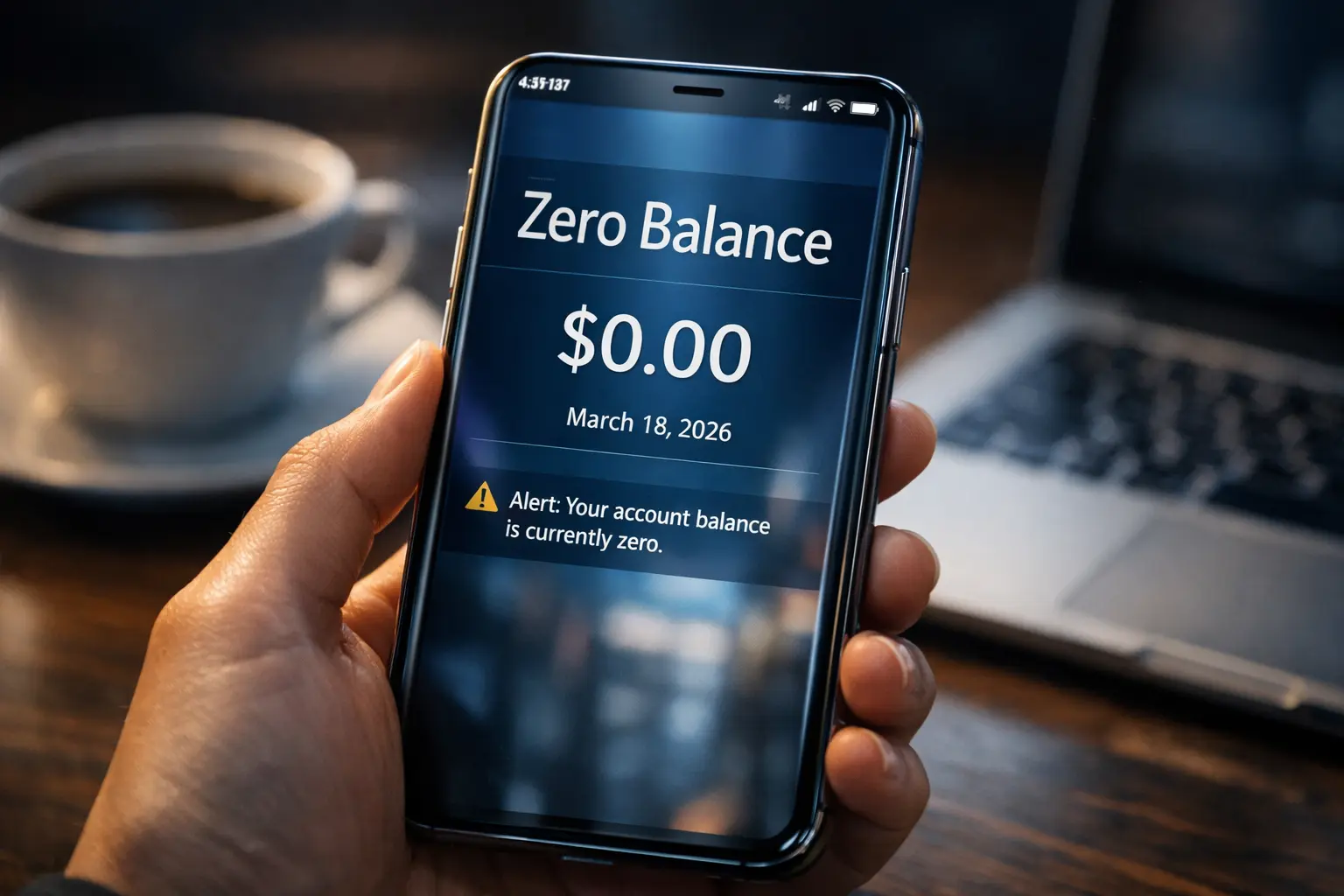
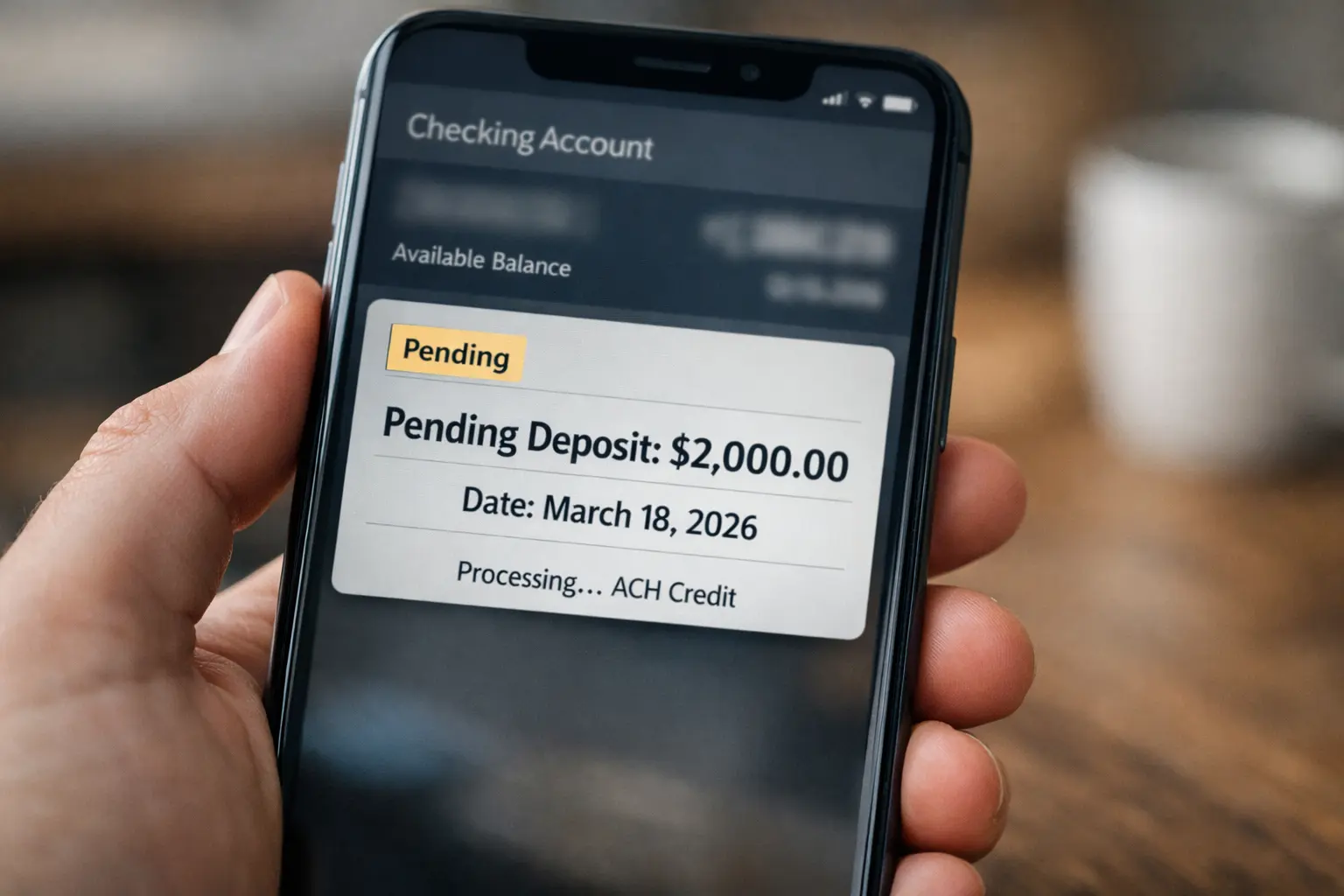
This is why who gets paid today seems so inconsistent with some users receiving funds at 6 AM while others are still seeing a zero balance at 2 PM. The friction is a byproduct of the system ensuring that every 2000 dollar deposit pending matches the new 2026 security identity markers.
Why Your Bank Cannot Speed Up the Process
A common misconception during a federal payment delay is that individual financial institutions have the power to release funds manually.
In the 2026 regulatory environment banks control payment posting only after the Federal Reserve has finalized the settlement and moved the liquidity into the bank reserve account. Because of the ongoing FedACH friction many banks have not yet received the final authorization for the late morning batches.
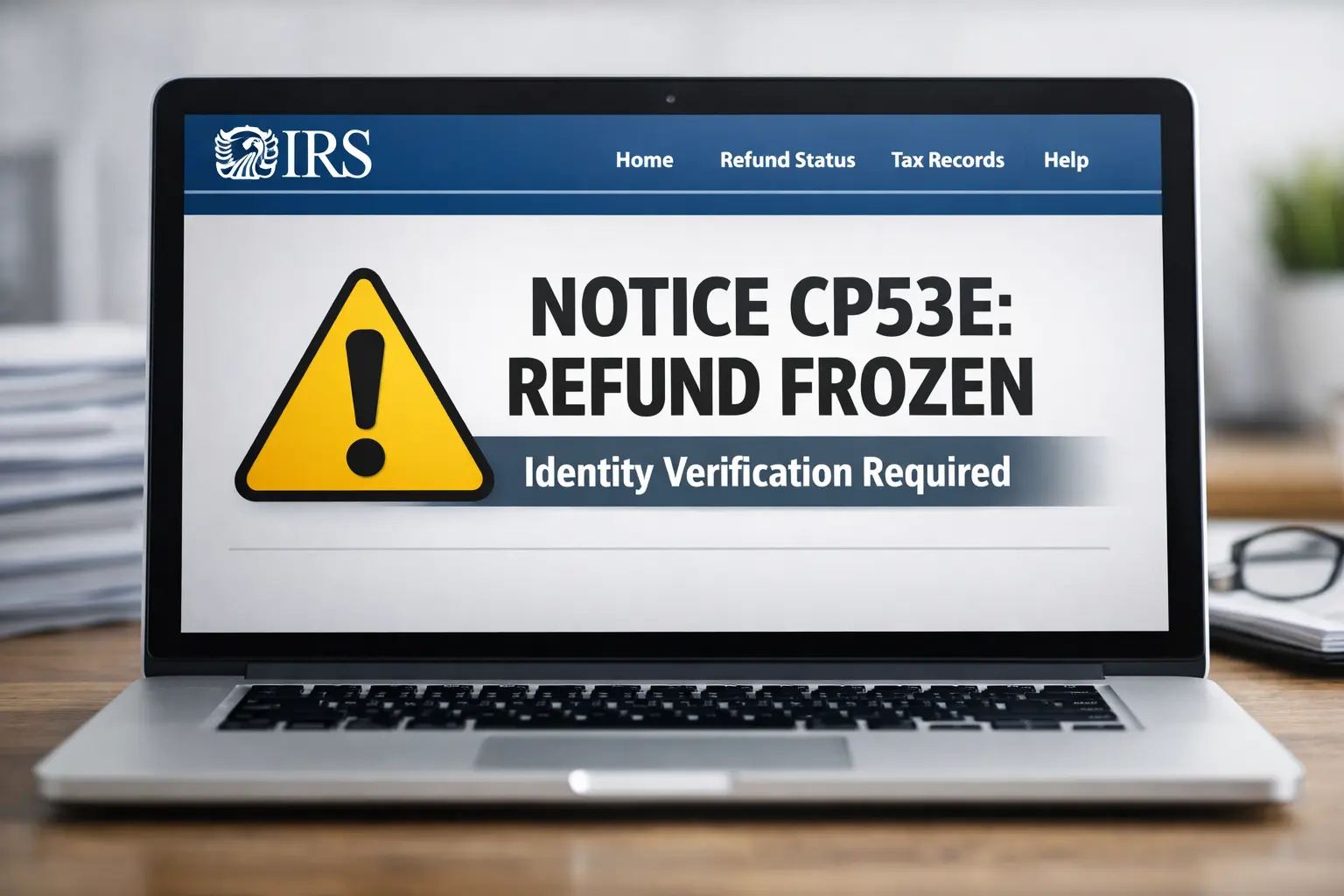
If you have already verified that your irs code 846 transcript is correct and you have not received an irs cp53e notice the money is safe but stuck in the federal pipeline.
The bank posting timing is currently dependent on the FedACH clearing the backlog which typically occurs during the final 1 PM local time ledger refresh. Until that refresh is complete the funds will remain as a memo post which shows as pending but is not part of your true liquidity available balance.
The OBBBA Factor in Infrastructure Stress
The One Big Beautiful Bill Act or OBBBA has added another layer of complexity to the FedACH friction today. The act requires a mandatory “Liquidity Pause” for any federal payout that is part of a mass distribution wave. T
his pause is designed to prevent large scale system crashes by staggering the entry of funds into the private banking sector. While this protects the overall money system it creates a frustrating experience for the end user who sees their irs refund status today as sent while their bank app shows no change.
This structural delay is particularly evident today because the OBBBA filters are scanning for potential identity theft in real time.
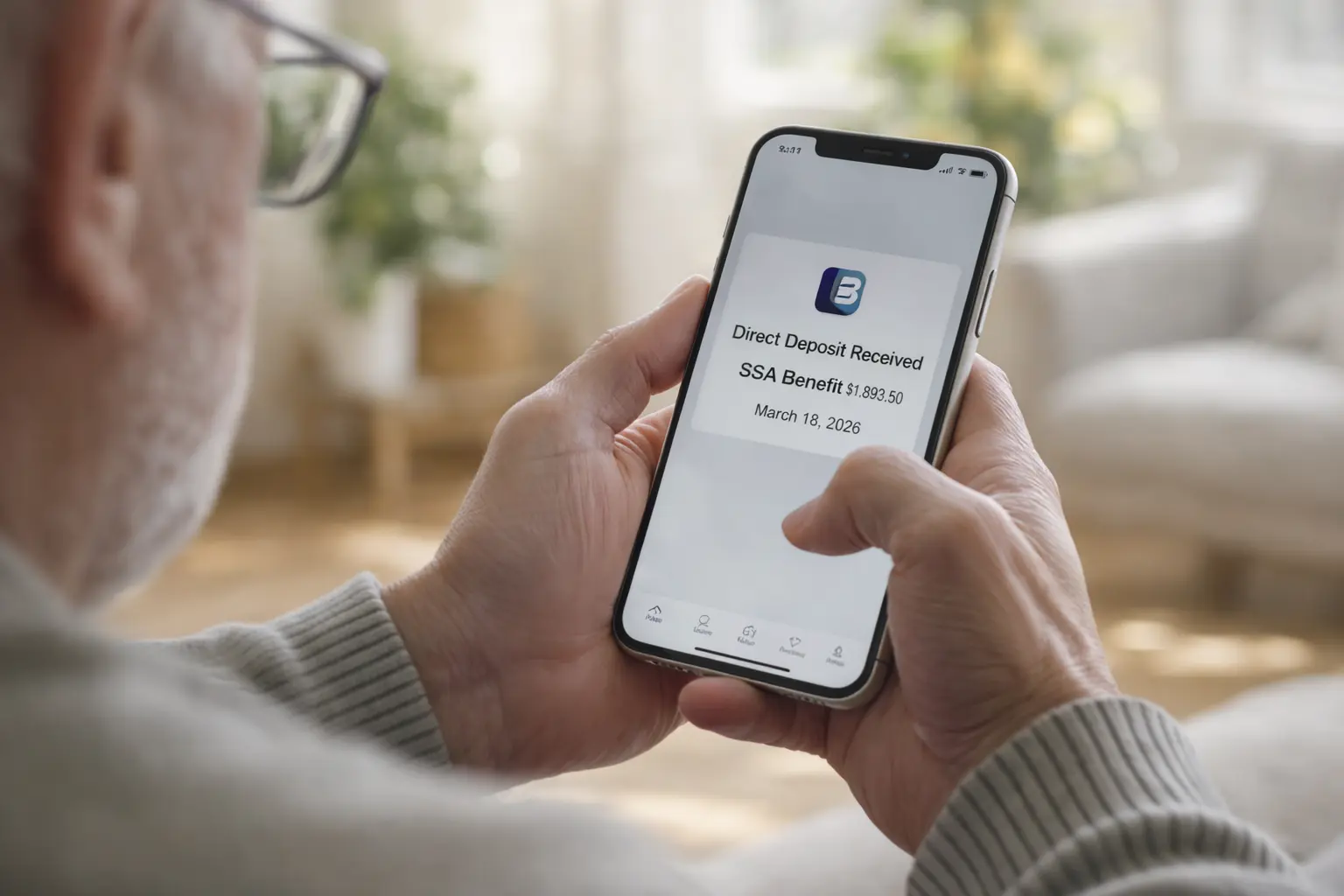
If your ssa payment march 18 is part of a larger household file it may be held for an additional two hours of verification compared to single filer accounts. This is the new reality of the obbba impact 2026 where security is prioritized over instant availability.
Final Clearing Prospects for the Afternoon Wave
As the afternoon progresses the Federal Reserve is expected to finalize the next deposit wave clears protocols to resolve the remaining March 18 backlog.
Most technical experts expect the friction to subside by the late afternoon as the wednesday federal deposit wave finishes its cycle. If you find that your deposit is not there this morning you should monitor your account for a final update shortly after the close of the 1 PM window.
The modernization of the American financial rails is an ongoing process that occasionally results in visible friction during peak volume days. By understanding that the current delay is a systemic issue within the FedACH network you can manage your household expectations for the remainder of today.
Investozora will continue to track the federal settlement status and provide updates on any extended delays affecting the national money movement system for the rest of the week.
Author