If you are expecting a direct deposit this coming Tuesday but are hearing rumors of widespread banking delays, the cause isn’t a lack of funds, it is a lack of compatible data. The U.S. Federal Reserve is currently in the middle of a massive migration to the ISO 20022 messaging standard.
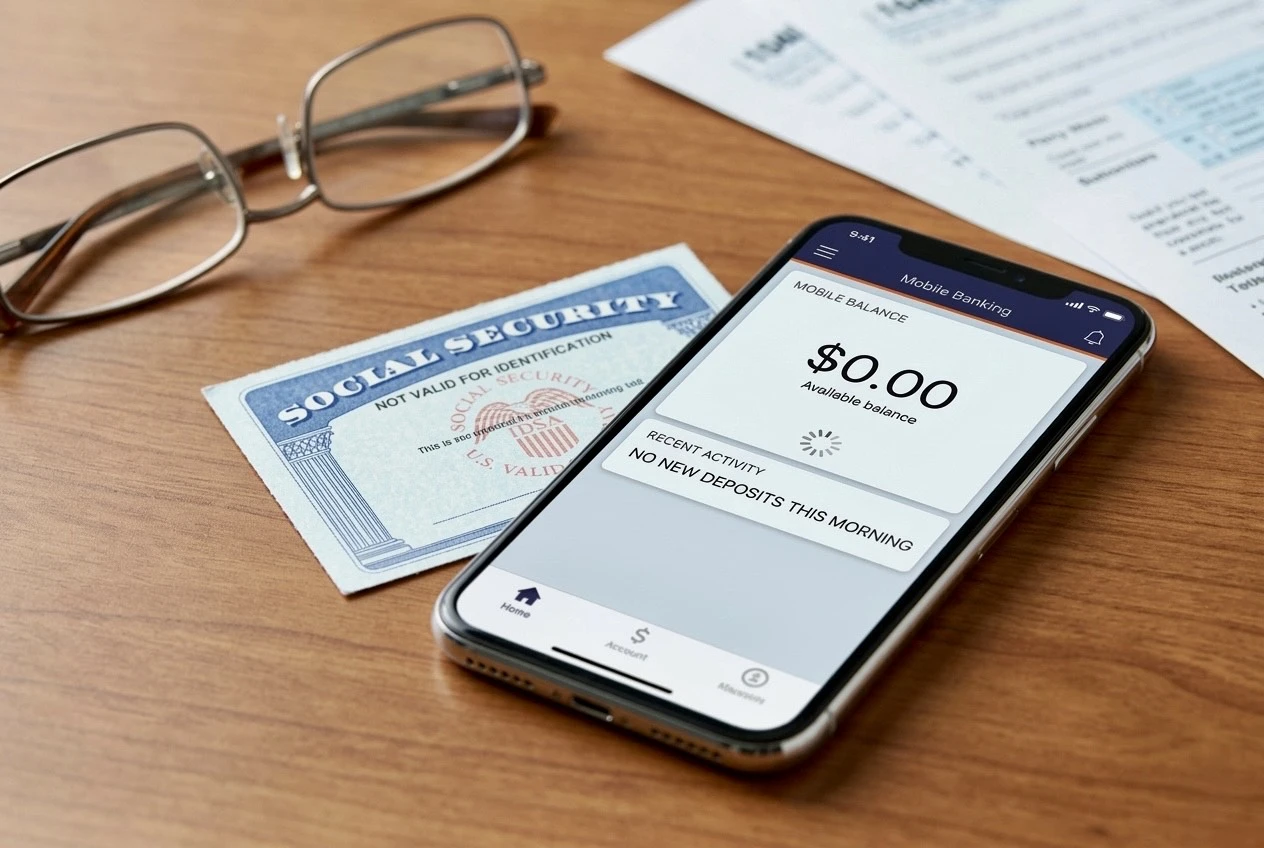
This global update fundamentally changes how banks “speak” to one another. For the average American, this technical transition in the U.S. payment system means that even a minor formatting error in a bank’s new “MX” message format can cause a deposit to be sidelined for a manual review, leading to a frustrating Tuesday morning at a $0 balance.
Why the ISO 20022 Migration is Delaying Tuesday Payments
ISO 20022 is a new “language” for financial data that allows for much more information to be attached to a single payment. While this is great for fraud prevention, the 2026 rollout has been “bumpy” for smaller regional banks and credit unions.
When the Federal Reserve sends a batch of tax refunds or payroll via the federal payment pipeline, any bank that hasn’t fully updated its “Structured Address” validation rules will see those payments rejected or delayed.
This is the hidden reason why your deposit not there status is becoming more common. The system is no longer accepting the “fuzzy” data of the past; if the digital signature isn’t perfect, the Tuesday morning batch doesn’t post.
The Tuesday Bottle-Neck: Why This Week is Different
Tuesday is historically a high-volume day for the treasury payment system, as it captures the spillover from weekend processing. With the new ISO 20022 standards in place, the Fedwire and FedACH systems are now enforcing a strict 6:45 PM EST cutoff for third-party payments.
If your employer or the IRS misses this window by even one second, the new ISO validation logic automatically pushes the settlement to the next business day. This creates a “domino effect” where millions of Tuesday deposits are being pushed to Wednesday or Thursday morning clearing windows.
Understanding the Structured Address Trap
One of the biggest changes in the ISO 20022 update is the requirement for “Structured Addresses.” In the old system, your address was just a string of text. Now, it must be broken down into specific digital “tags” (Building Number, Street Name, Post Code).
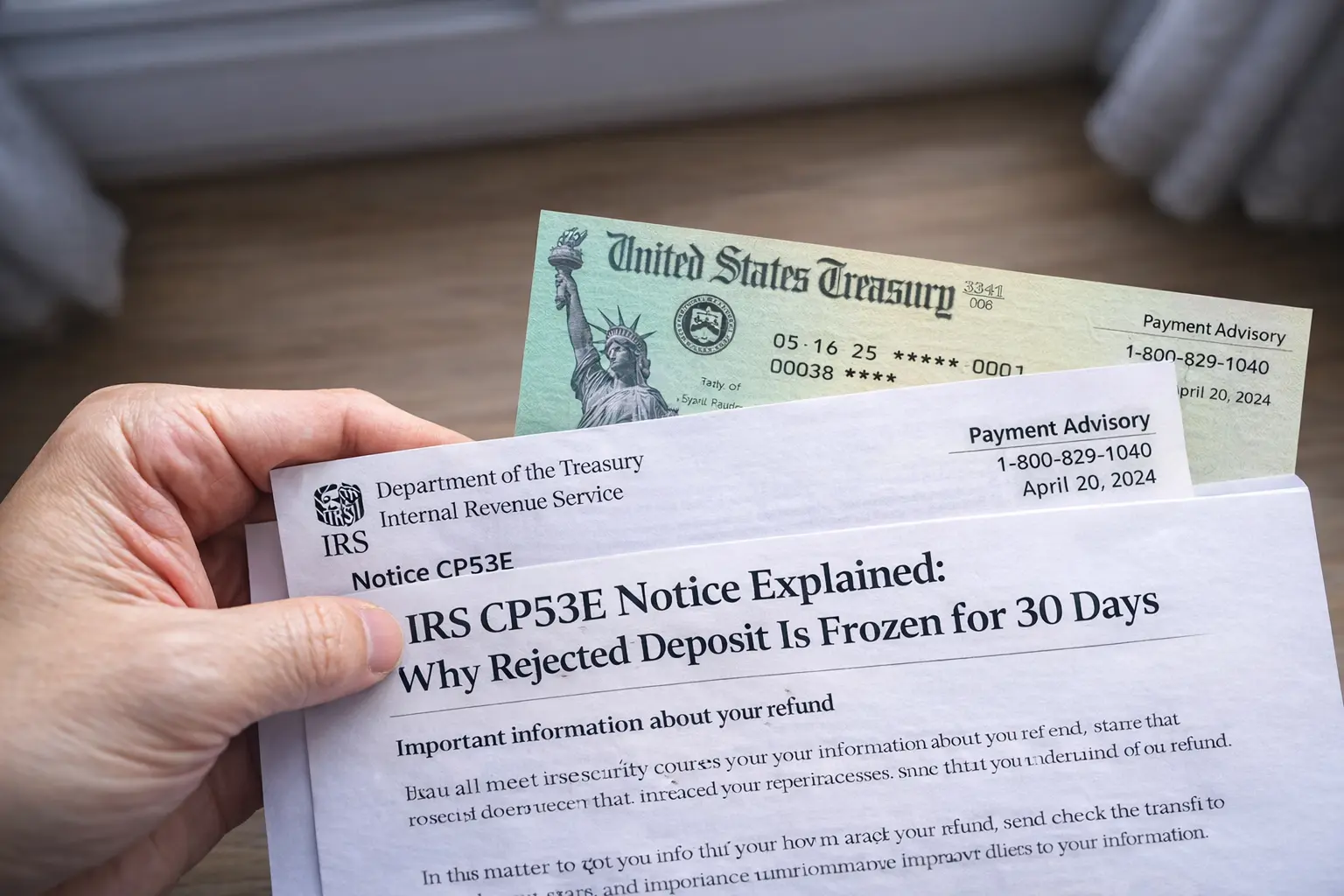
If your bank account has your address saved as “123 Main St, Apt 4,” but the IRS sends it as “123 Main Street Number 4,” the new ISO 20022 filters might flag it as a mismatch. This is a common trigger for the irs cp53e notice, which freezes your refund for 30 days while the data is corrected.
How Your Wednesday Wave Might Be Impacted
For retirees waiting on the ssa march 11 vs march 18 waves, the ISO 20022 migration adds an extra layer of uncertainty. While the Social Security Administration has updated its systems, many local banks are still struggling to translate the new “MX” messages into their legacy “MT” formats.
This “translation lag” is why some people see their pending deposit status disappear and then reappear hours later. The bank’s computer is literally trying to decode the new Federal Reserve message format.
Why Fintech Users Are Seeing Fewer ISO Delays
Interestingly, neobanks like Chime and Varo have been early adopters of ISO 20022, allowing them to bypass many of these “translation” delays. This is another reason why users of these apps often see their money before customers of “Big Banks.” They are running on the same invisible payment rails but with more modern “engines” that understand the new language.
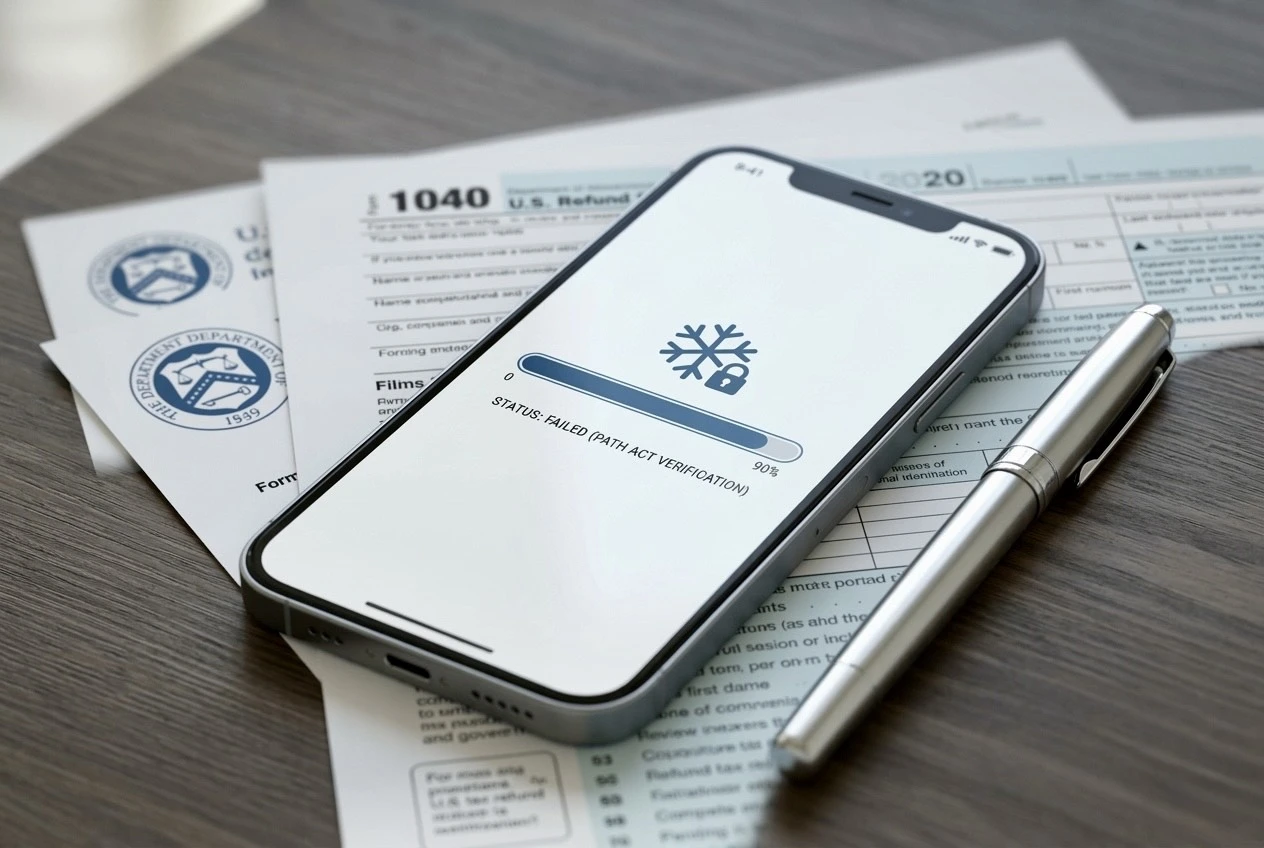
If you are stuck in a path act hard freeze or waiting for your irs trump accounts rule payment, the ISO 20022 update is likely the technical reason for the “last mile” delay between the Fed and your local branch.
What You Should Check in Your Banking App Tonight
If you are worried about your Tuesday deposit, log into your banking app and check your “Profile” or “Personal Information” section. Ensure your address is perfectly formatted and matches exactly what you put on your tax return. Even a missing hyphen in a zip code can trigger an ISO 20022 validation error in 2026.
Keep an eye on the settlement window. If the money isn’t there by Tuesday at 9:00 AM, it is likely being held in an “ISO Correction Queue” at your bank’s headquarters.
Final Outlook on the Global Banking Shift
The migration to ISO 20022 is the biggest change to the U.S. payment system in forty years. While it causes “Tuesday Tension” now, it will eventually lead to faster, safer, and more transparent payments. For today, the best strategy is to understand that the overnight bank clearing process is simply learning a new language.
Be patient as the “pipes” of the global financial system are upgraded. By staying informed about these institutional shifts, you can move from panic to preparation and better navigate the complexities of the 2026 financial calendar.
Author