If your official IRS transcript shows Code 846 this morning but your bank balance remains at zero, you are likely caught in a specific 48-hour settlement window. While a “Refund Issued” code is the final step for the IRS, it is only the first step for the banking rails that move the money.
Understanding the gap between a federal release and a bank credit requires looking at the midnight processing cycles that govern the U.S. payment system.
What Taxpayers are Seeing in Bank Accounts This Morning
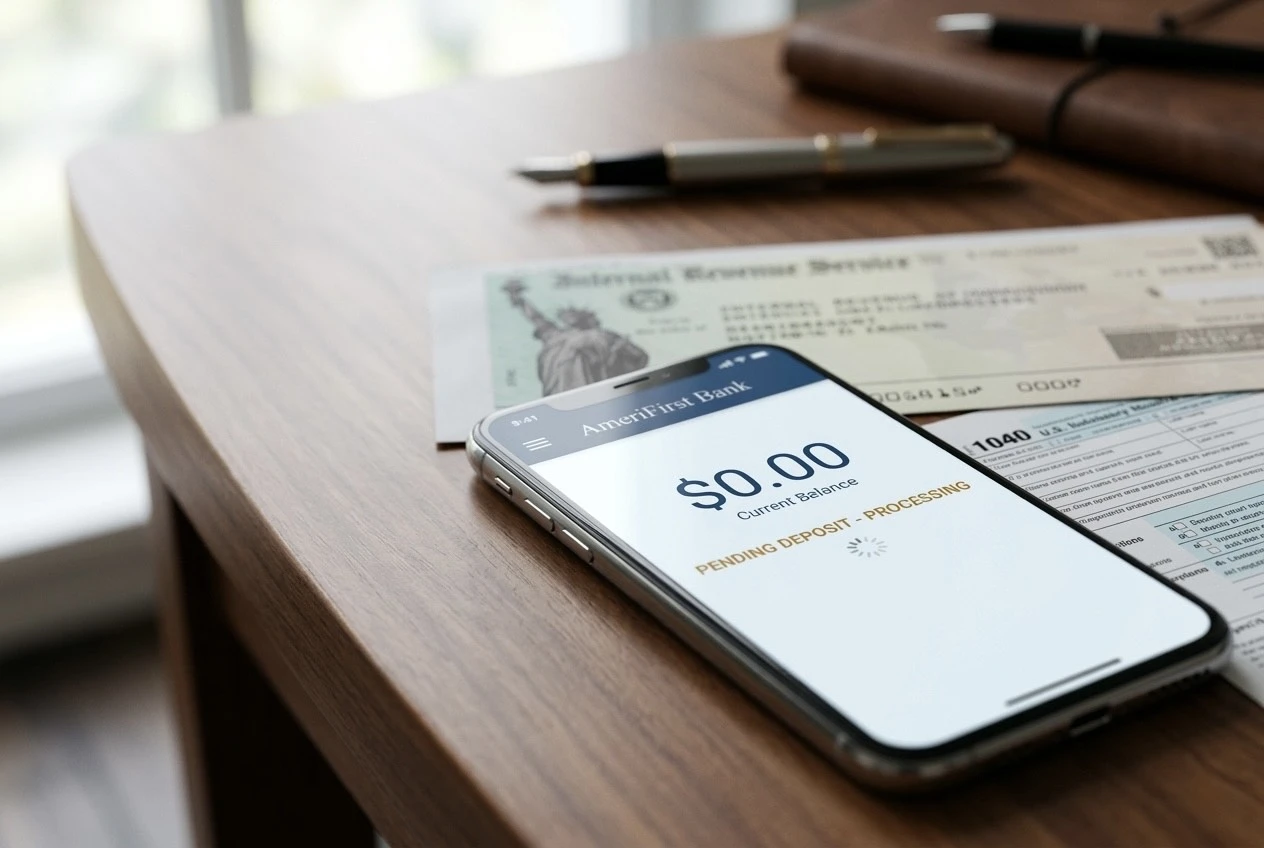
Thousands of taxpayers checking their mobile banking apps today are noticing a frustrating contradiction. The IRS “Where’s My Refund” tool or a transcript check shows a clear “Refund Issued” status, yet the actual funds are not appearing in the available balance.
This delay often leads to confusion, especially when some filers receive their funds at midnight while others wait until the afternoon. The reality of the us money movement system is that it does not operate in real-time.
Instead, it relies on a series of scheduled transmissions known as batches. When the IRS releases a payment, it sends a file to the Bureau of the Fiscal Service, which then transmits that data to the Federal Reserve.
Why Your Refund Status and Bank Balance Don’t Match
The primary reason for the mismatch is the difference between a “payment instruction” and “settlement.” When you see Code 846, the IRS has successfully instructed the Treasury to pay you. However, that instruction must travel through the treasury payment system before it ever reaches your local bank’s server.
For most retail banks, there is a technical delay between receiving the file and updating your ledger. This is why your status might say “Sent” while your bank still shows no record of the transaction. The bank has the file, but it hasn’t processed the specific batch that updates your personal balance.
The Midnight Batch Secret and Overnight Processing
Most major U.S. banks process their largest volume of transactions during “overnight cycles.” These cycles typically run between 12:00 AM and 4:00 AM local time. If the Federal Reserve sends your refund file after your bank’s midnight cutoff, the money will stay in a pending deposit status until the next window opens.
This is why many people wake up to a “Sent” status but no cash. The banking system essentially “pauses” the file until the next authorized settlement period. If you missed the midnight update, your bank likely won’t refresh your available balance until the mid-day or evening batch.
How the Federal Reserve Settlement Window Affects You
The Federal Reserve operates the ACH (Automated Clearing House) network, which moves the vast majority of tax refunds. This network has specific settlement window timing that banks must follow. Even if the IRS sends the money on a Tuesday, the “settlement date” listed in the file might be Wednesday or Thursday.
Traditional banks usually wait until the exact settlement date to give you access to the funds. In contrast, “early pay” banks or fintech apps often grant you credit as soon as they see the file, which explains why some people get paid days before you do.
Why Different Banks Update Balances at Different Times
Not all banks use the same software or the same update frequency. While a large national bank might update its servers multiple times a day, a smaller credit union might only run one overnight bank clearing cycle. This creates a situation where two people with the same IRS “Sent” date receive their money at totally different hours.
Furthermore, some banks prioritize “Memo Posting.” This is a practice where the bank shows the deposit as “Pending” but does not add it to your “Available Balance” until the final interbank settlement is confirmed by the Federal Reserve.
Understanding the Difference Between Sent and Cleared
When the IRS portal says a refund was “Sent,” it means the file has left the government’s hands. It is now moving through the invisible payment rails that connect the Treasury to your bank. At this stage, the IRS can no longer track the money; it is entirely up to the ACH network.
If the money hasn’t arrived, it is almost always sitting in a “settlement queue.” You can verify the official status by checking the Official IRS Refund Schedule to see if your specific batch has been authorized for release.
What You Should Check in Your Bank Account Right Now
Instead of just checking your balance, look for a section labeled “Pending Transactions” or “Upcoming Deposits.” Many modern banking apps will show a grayed-out entry for your refund hours before it becomes green and spendable.
If you see a deposit not there message, check to see if your bank has a specific “cutoff time” for same-day ACH. If you miss the morning window, your next chance for an update is usually after 4:00 PM ET or at the next midnight refresh.
What Happens Next in the Payment Cycle
Once the Federal Reserve settles the funds, the bank is legally required to make them available to you. For most taxpayers, if the money is marked as “Sent” today, it will be fully available by the next business morning at the latest.
If you have already waited more than 48 hours past your “Sent” date, there may be a direct deposit settlement issue or a bank rejection. In those rare cases, the bank will send the money back to the IRS, and a paper check will be issued.
Final Outlook on Today’s Money Movement
The delay you are experiencing isn’t a sign of a lost refund; it is a sign of a high-volume banking day. With millions of refunds moving through the federal payment pipeline simultaneously, the system’s “pipes” are full.
Be patient and watch for the next batch update. Most “missing” refunds from this morning will post successfully during the overnight cycle or the final afternoon settlement window. Understanding these mechanics helps reduce the anxiety of the wait and provides a clearer picture of how the U.S. financial system truly functions.
Author