LIVE UPDATE: Monday, March 16, 2026 — 6:00 AM ET
The IRS has officially begun releasing the Monday morning batch of Code 846 updates for the March 18 settlement. If your transcript updated overnight, your deposit is scheduled for Wednesday morning.
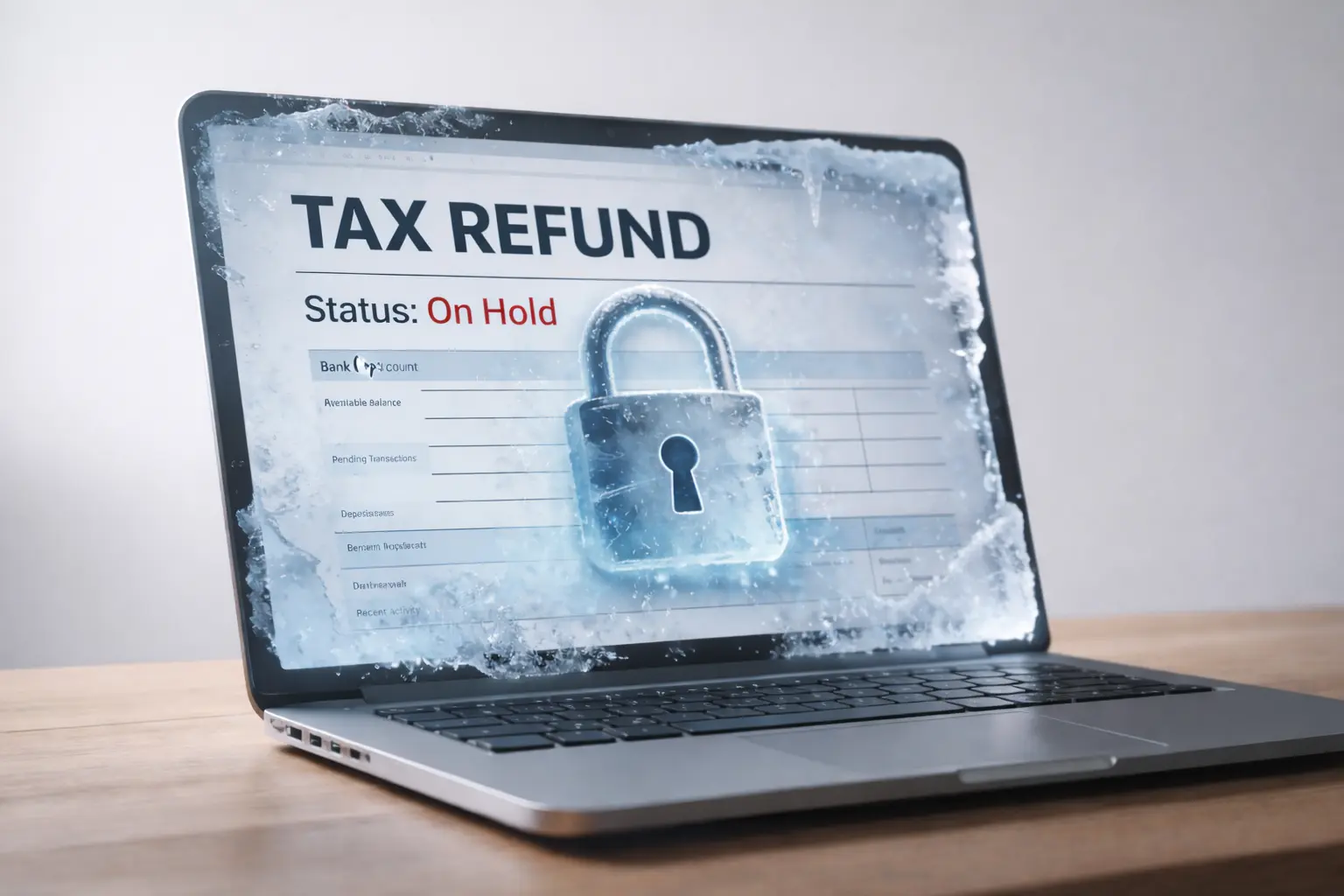
If you logged into the Internal Revenue Service (IRS) “Where’s My Refund” portal this morning only to find a frozen loading screen or a “System Unavailable” message, you are witnessing a massive infrastructure bottleneck. With record traffic hitting the us money movement system today, a server-side synchronization delay is preventing millions of taxpayers from seeing their latest irs code 846 updates.
As the Monday morning clearing window opens, the IRS is currently migrating millions of records for the mid-March disbursement wave. This process, while standard for the federal payment pipeline, often results in the public-facing tracker appearing “stuck” or lacking its traditional progress bars.
IRS Refund Status Today: The Monday Morning Batch Sync
The primary reason the tracker is “stuck” today involves the sheer volume of data being moved between the IRS Individual Master File (IMF) and the Treasury’s Bureau of the Fiscal Service. Every Monday, the agency performs a “Batch Clearance” to prepare for the massive Wednesday disbursements. During this phase, your account may enter a “Pending Sync” state where your internal records have updated, but the front-end user interface remains in a legacy state.
This discrepancy is a known artifact of the overnight bank clearing cycle. While the IRS systems are operational, the “Where’s My Refund” (WMR) tool is designed to update only once every 24 hours. If the internal irs refund date was updated after the daily WMR refresh, filers will experience a 24-hour information gap between their actual status and the app’s display.
Technical Infrastructure Behind the Missing Status Bar
For many filers today, the famous orange status bar has completely disappeared, replaced by a message stating that the return is “Still Being Processed.” In most cases, this is not a sign of an audit, but rather a result of the federal reserve settlement queue. When the IRS prepares a payment file, the system must verify that the invisible payment rails are clear of any holds.
If your return involves the path act hard freeze, the system must perform a final secondary verification against the Master File. This manual-to-automated transition can cause the tracker to reset or appear blank for several hours while the settlement window timing is finalized for the Wednesday morning payout.
Federal Reserve FedACH Bottlenecks on March 16
The IRS does not move money directly; it relies on the Federal Reserve’s FedACH system. On Monday mornings, the banking liquidity shift is significant as the Fed processes all files accumulated over the weekend. This backlog means that even if the IRS has authorized a payment, the treasury payment system must wait for a settlement window to open before the funds are broadcast to commercial banks.
Taxpayers using neobanks may see a deposit pending status before those using traditional “big four” banks. This is because platforms like Chime or Varo often acknowledge the “Pre-Note” from the Treasury earlier in the ach cutoff timing cycle. Traditional banks typically wait for the “Hard Post” on Wednesday morning before updating the available balance.
Why Transcripts Are More Accurate Than the App
Experienced filers know that the irs status bar disappeared message is less important than what is listed on the Tax Transcript. Transcripts are the raw data source for the IRS and update in real-time as agents or automated systems move files. A “Code 846” with a date of 03-18-2026 is the only definitive proof that a refund has been authorized for disbursement.
If you are seeing a deposit not there message despite having an 846 code, the delay is likely residing at your bank’s local processing center. Banks often hold these large federal files until the 12:01 AM settlement window on the actual payment date to maximize interest on overnight reserves, a practice common during weekend banking slowdowns.
New 2026 Verification Rules and Data Lags
The 2026 filing season introduces new complexities, such as the irs trump accounts rule involving Form 4547. For parents opting into this $1,000 pilot program, the IRS must perform a “Cross-System Authentication” between tax records and the new child custodial accounts. This added layer of security contributes to the “Processing” delay currently visible on many trackers today.
Furthermore, any discrepancy in banking information can trigger an irs notice cp53e. This notice indicates that while the refund was authorized, the direct deposit was rejected by the bank posting times protocols or a routing mismatch. In these cases, the tracker will remain “stuck” until the taxpayer logs into their Official IRS Account to resolve the verification hold.
How Settlement Windows Affect Monday Updates
The Federal Reserve’s National Settlement Service (NSS) operates on a strict schedule. Monday morning is the busiest window of the week as the us money movement system re-engages after the Sunday pause. If the IRS tracker is not updating, it is because the system is waiting for a “Settlement Confirmation” from the Fed. Until the Fed confirms the batch has been accepted for Wednesday, the IRS app will not move the status bar to “Sent.”
For those checking their status repeatedly, the IRS recommends limitng checks to once per day. Excessive attempts to log in during high-traffic periods can trigger a temporary “Lockout” error, often confused with a system crash. Instead, monitor your bank’s pending deposit balance section, which often reflects incoming Treasury activity before the IRS app finishes its sync.
Next Steps for Filers with Frozen Trackers
If your status remains unchanged by Tuesday morning, you should take proactive steps to verify your standing with the federal reserve windows. First, access your transcript to confirm if a “Code 570” (Hold) or “Code 971” (Notice Sent) has appeared. These codes often provide more context than the generic messages on the mobile app.
Second, verify that your bank has not flagged the incoming Treasury payment. Some institutions require additional verification for refunds over $10,000, which can leave a federal payment marked sent but not actually available in the account. Ensuring your bank is aware of the incoming irs tax refund schedule can often resolve these “Final Mile” posting delays.
System Outlook for the March 18 Payment Wave
The IRS continues to process a massive volume of returns, with average refunds trending 10% higher than last year. The current “stuck” status is a reflection of a system under heavy load as it balances traditional tax processing with new 2026 credit calculations. As the next deposit wave clears the Treasury pipeline this evening, many trackers are expected to update with an official Wednesday payout date.
In the meantime, taxpayers are encouraged to remain patient as the how us money moves cycle completes its first daylight run of the week. Most tracker glitches are resolved by the overnight maintenance window, which typically occurs between 12:00 AM and 3:00 AM ET.