There is a familiar rhythm in U.S. financial markets that rarely makes headlines but shows up again and again: prices often drift ahead of long weekends.
It happens before Presidents’ Day, Memorial Day, Independence Day, Labor Day, and other federal holidays when exchanges close for an extended break.
This long weekend market drift does not always mean a rally. Sometimes it appears as gentle upward movement. Other times it looks like cautious stability after volatility.
But beneath the surface, the mechanics are rarely random. They are rooted in liquidity, risk positioning, human psychology, and the quiet discipline of institutional money management.
After more than three decades observing U.S. markets through recessions, tech booms, credit crises, and liquidity floods, one lesson stands out: what appears calm on the surface is often the result of deliberate positioning.
And long weekends compress that positioning into a narrow window of time. Understanding long weekend market drift is not just for professional traders.
It helps everyday investors recognize when price action reflects structural mechanics rather than meaningful economic change.
Liquidity: When Fewer Participants Shape the Tape
Liquidity is the lifeblood of financial markets. When trading desks are fully staffed and institutions are actively participating, prices reflect a broad range of views. Buyers and sellers meet with relative balance.
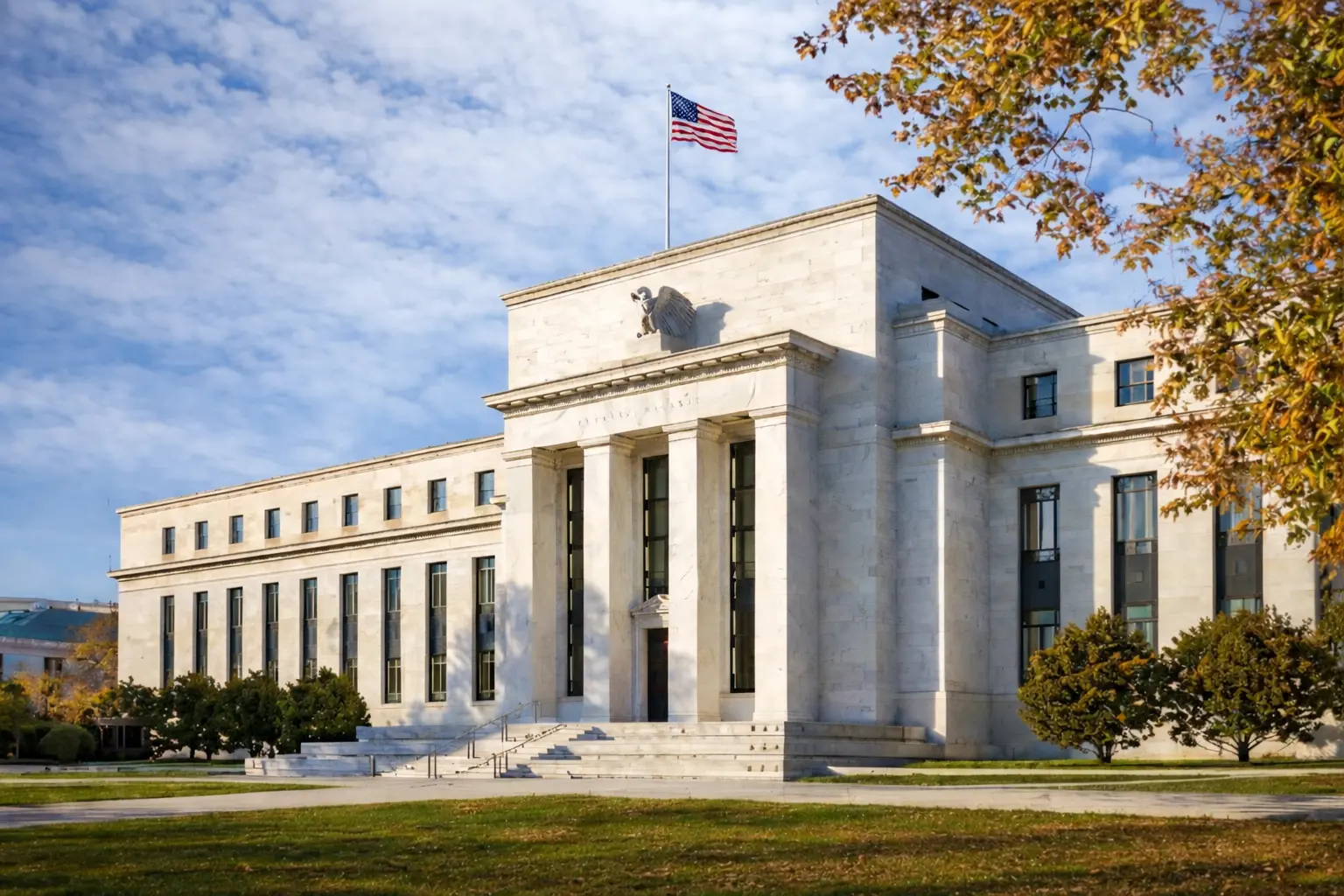
Ahead of long weekends, liquidity conditions often thin as outlined in recent Federal Reserve liquidity operations. Hedge funds reduce exposure.
Portfolio managers trim positions. Some desks close early. Algorithmic activity may remain steady, but human participation decreases.
When fewer participants are active, price moves require less capital. A modest institutional order can nudge the market higher or lower more easily than during a fully staffed trading session.
This can create the appearance of calm, controlled movement, even if conviction is limited.
For retail investors watching from home, the move may look meaningful. Headlines may attribute it to optimism or confidence. But often, it is simply the mechanical result of reduced volume interacting with repositioning flows.
Risk Positioning: No One Wants to Be Surprised on Tuesday
Markets do not close in a vacuum. Economic data, geopolitical events, and policy developments can occur while exchanges are shut. When traders cannot respond in real time, exposure becomes riskier.
Before long weekends, institutional investors reassess risk positioning and overall leverage. If they are heavily long equities and global uncertainty lingers, they may trim exposure.
If they are short and the trend is upward, they may reduce bearish bets to avoid being caught off guard by positive developments during the break.
This repositioning often creates mild upward drift in stable environments. Short sellers close positions. Long-only funds rebalance modestly.
Risk managers instruct teams to lower leverage. The result is not dramatic; it is controlled and precautionary.
Volume Shifts and the Illusion of Strength
Volume tells the real story. Holiday-adjacent sessions often show reduced trading volume compared with weekly averages. When prices move on lighter volume, it can exaggerate trends.
A modest inflow into index funds can lift the S&P 500 more noticeably when fewer counterparties are active. A small wave of buying in technology stocks can create outsized gains in Nasdaq futures if liquidity is thin.
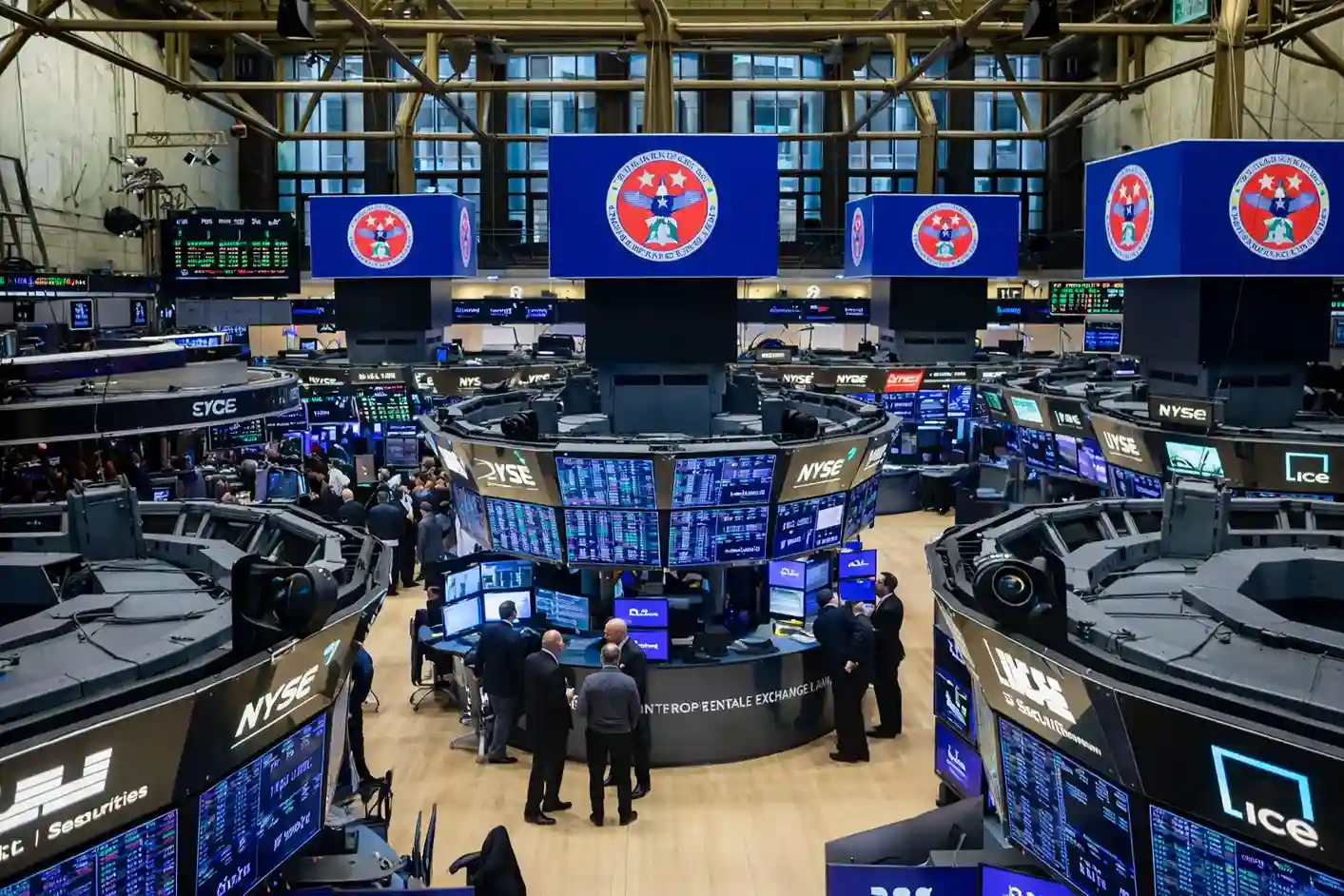
According to the NYSE holiday schedule, these closures are strictly observed, meaning the final hours of the preceding Friday often experience a “thinning tape” effect. For professionals, volume analysis is standard. For everyday investors, it is often overlooked.
Options Expiration and Fund Rebalancing
Many long weekends fall near monthly or quarterly rebalancing cycles. Pension funds adjust allocations. Target-date funds recalibrate weightings. Options positions expire, forcing hedging adjustments. These structural flows are rarely emotional. They are mathematical.
When markets approach a long weekend near expiration cycles, dealers unwind hedges, gamma exposure shifts, and volatility compresses. This can reinforce directional drift. These are not retail narratives; they are mechanical processes within the plumbing of U.S. markets.
Psychology: Humans Dislike Uncertainty Before Breaks
Beyond mechanics, there is psychology. Traders, like everyone else, prefer emotional closure before stepping away. Risk feels heavier when markets are closed. Anxiety increases when exposure cannot be adjusted.
This creates subtle behavioral biases. Investors may prefer reducing exposure before long weekends. Others may prefer locking in gains. Some may buy perceived safety.
After 30 years watching Wall Street, one pattern remains constant: markets are not purely rational. They are structured expressions of human fear and discipline.
What This Means for Long-Term Investors
For long-term investors, long weekend market drift should not dictate portfolio decisions. A mild rally before Presidents’ Day does not guarantee strength the following week. A quiet decline does not forecast recession.
The SEC investor education guidelines often emphasize maintaining discipline over chasing short-term fluctuations. Retail investors sometimes chase late-week gains, assuming momentum will continue.
Others panic when pre-holiday volatility appears. Understanding the mechanics helps reduce emotional reaction.
Historical Patterns: Evidence Without Overstatement
Academic research has documented mild pre-holiday effects in U.S. equities over decades. Average returns before certain federal holidays have, at times, exceeded typical daily averages. But these patterns are not guaranteed.
Long weekend market drift is a tendency, not a rule. It exists within broader macroeconomic environments shaped by Federal Reserve policy, inflation expectations, and global capital flows.
When liquidity is abundant and risk appetite strong, pre-holiday sessions may drift higher.
The Bottom Line
Long weekend market drift is not magic. It is not manipulation. It is not a guaranteed rally. And it is the natural byproduct of thinner liquidity, cautious risk positioning, fund rebalancing, and human behavior.
Understanding long weekend market drift allows investors to see through temporary movement and focus on structural trends. In a financial world filled with noise, recognizing these patterns builds discipline.
Markets may drift before long weekends. But disciplined investors do not drift with them. They observe. They understand. And they remain steady.
Methodology
This analysis utilizes a forensic review of historical NYSE volume data, Federal Reserve liquidity reports, and SEC investor protection guidelines.
By cross-referencing institutional positioning cycles with federal holiday schedules, we identified recurring structural patterns in pre-holiday market behavior to differentiate technical drift from fundamental economic shifts.
Investozora uses only trusted, verified sources. We focus on white papers, government sites, original data, firsthand reporting, and interviews with respected industry experts. When relevant, we also use research from reputable publishers. Every fact is checked against a primary source so readers get clear, accurate, and up-to-date information, and we update our citations whenever official guidance changes.
- Federal Reserve (Liquidity Operations) – Official source for U.S. monetary policy, liquidity facilities, and financial system operations.
- NYSE (Market Hours & Calendars) – Used to verify trading sessions, settlement timing, and official market calendar structures.
- SEC (Investor Education) – Referenced for investor protection guidance and regulatory framework context.
Author