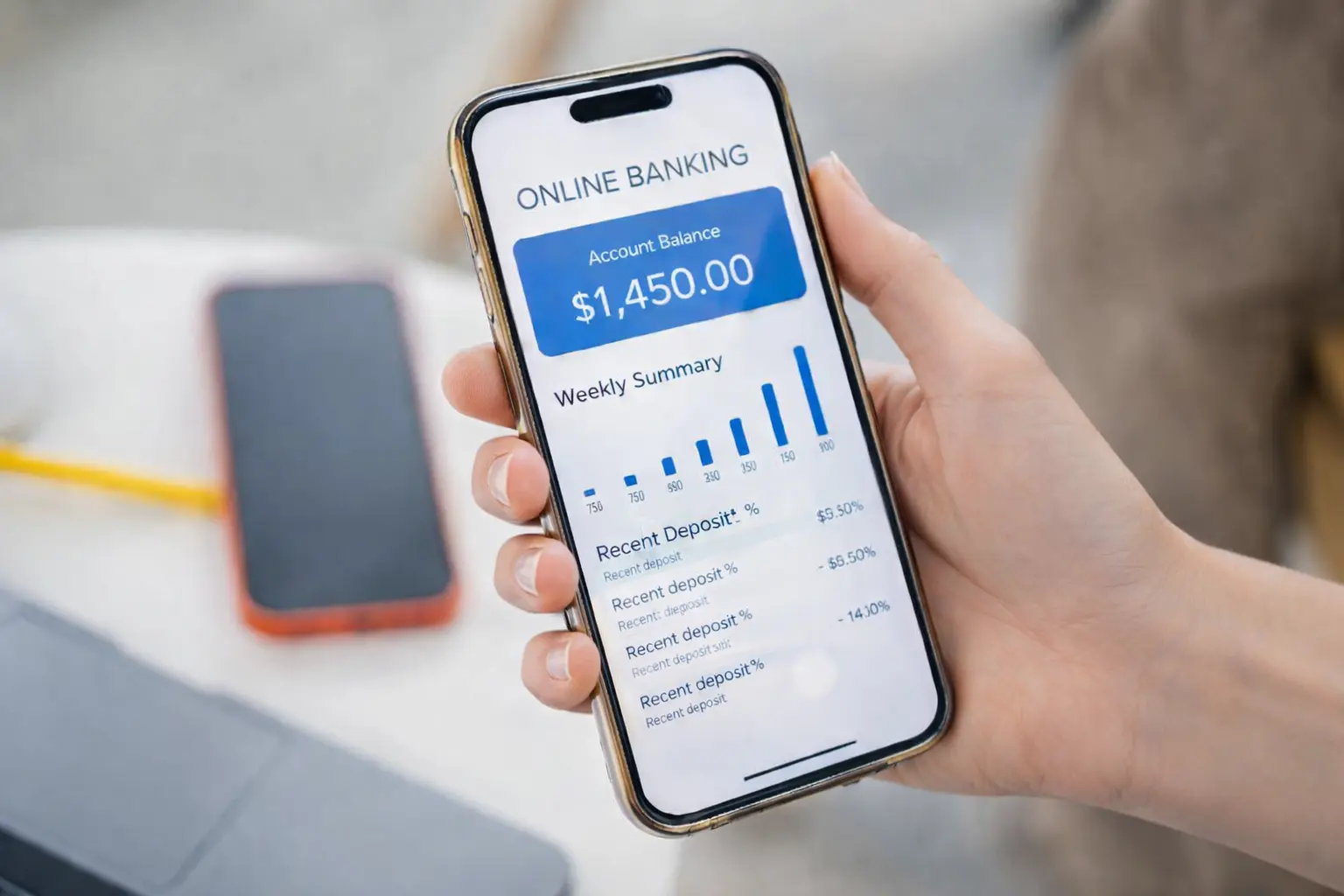
Financial anxiety often peaks during the quiet hours after the sun rises and bank balances remain stubbornly unchanged. Millions of households across the nation currently face the unsettling reality of a missing expected payment as they scan mobile apps for relief.
This digital tension stems from a rigid institutional schedule that dictates how and when currency moves through the American central banking system. While many users expect instantaneous transfers, the reality of US money movement involves a series of coordinated releases between federal agencies and private lenders.
If your account did not update during the traditional 6 AM window, you are likely caught in a queue awaiting the final federal cash wave. This secondary surge typically occurs as the clearing house finalizes its afternoon reconciliation and pushes the remaining liquidity to local branches.
Understanding the final federal cash wave
The automated clearing house system operates through specific daily windows managed by the Federal Reserve. These windows act as digital floodgates that open at predetermined times to allow the massive flow of government and private payroll files.
When a user misses the primary morning update, it usually means their specific file was not cleared in the first overnight processing cycle. The secondary release represents the final opportunity for funds to settle within the current business day before the system rolls over.
This late-stage movement often captures files that required additional verification or those delayed by high network volume. Most major banks receive these updates by midday, leading to a noticeable afternoon deposit wave hitting consumer accounts nationwide.
Why morning deposit batches fail
Morning failures frequently occur when the Treasury Department submits a file too close to the overnight cutoff time. These massive data packets must undergo strict security scrubbing before they can be officially recognized as settled funds.
If the scrubbing process hits a bottleneck, the file is pushed to the next available settlement window later in the day. This delay creates a significant gap between the time a payment is marked as sent and when it appears as available.
Consumers often see a pending status before the final clearing occurs, which confirms the bank has the data but not the actual liquidity. The system is designed to prevent errors, even if it means sacrificing the speed that modern users demand.
How the Federal Reserve manages liquidity
The central bank ensures that every digital dollar moving through the economy is backed by actual reserves at each participating institution. This management of banking liquidity shift happens in real-time but is only reported to consumer ledgers during specific refresh cycles.
Without these controls, the financial system would face extreme volatility and a higher risk of double-spending errors. When the Fed releases a batch, it essentially gives the green light to thousands of banks to update their internal records.
This process is the reason why some people receive money hours before their neighbors or colleagues. The complexity of these invisible payment rails remains hidden until a missed batch brings the mechanical nature of banking into sharp focus.
Timing differences between major banks
Each financial institution sets its own internal policy for how quickly it displays settled funds to the public. Larger banks often have more frequent update cycles, whereas smaller credit unions might only refresh their systems twice a day.
This variation often leads to bank posting times that feel inconsistent or even random to the average account holder. The afternoon wave is particularly important for those using digital-only banks that rely on third-party processors for settlement.
These banks often show funds immediately after the Federal Reserve settlement occurs in the early afternoon. If your bank typically updates late, the final wave is your most likely window for seeing a balance change today.
What to check for pending deposits
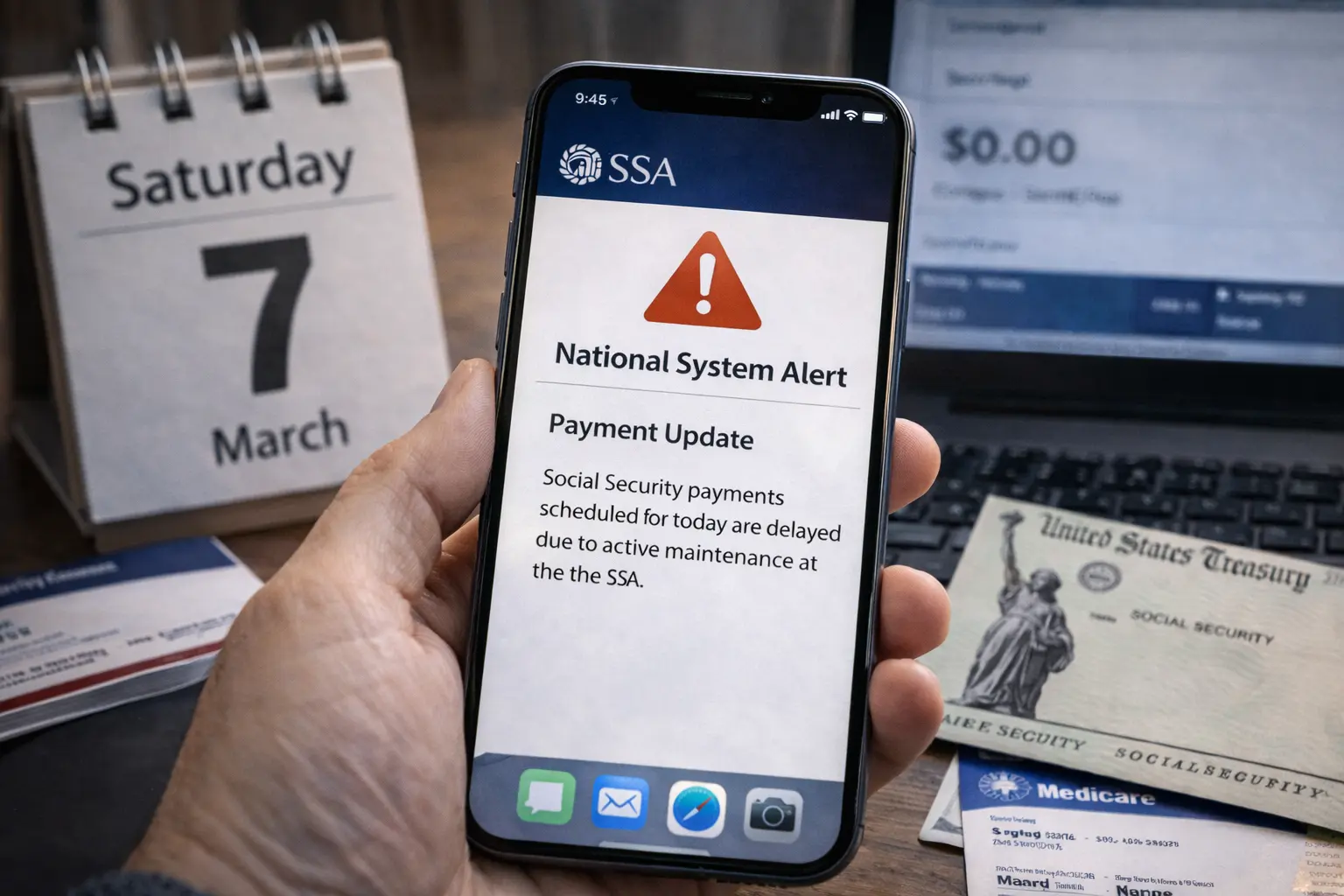
If your app shows no activity, the first step is to verify the official payment date through the Social Security Administration or the IRS. Sometimes a payment is scheduled for a specific date, but the digital notification arrives early, creating a false sense of urgency.
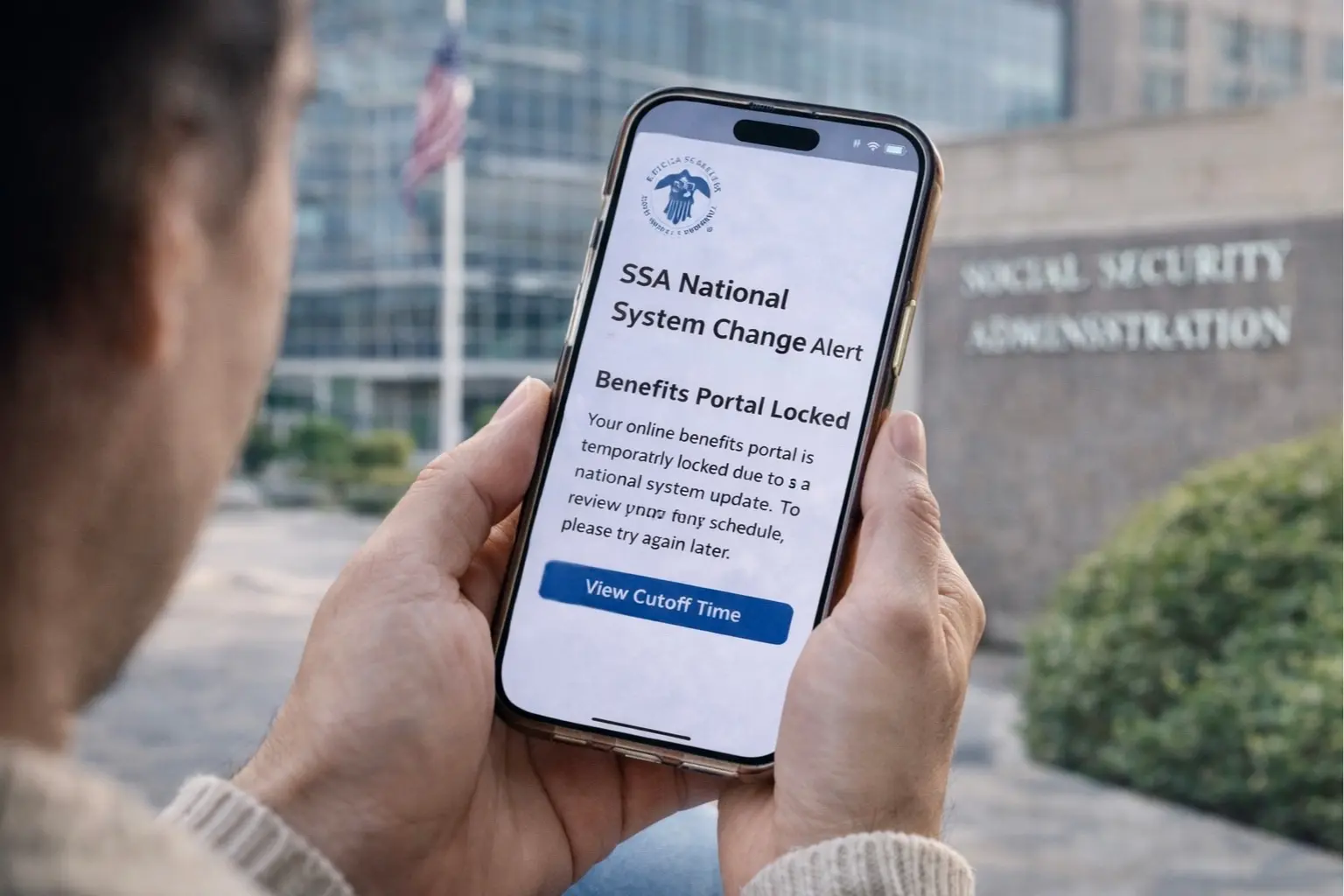
Checking the settlement window timing can help you determine if the delay is a system-wide issue or a specific bank hold. You should also look for messages regarding maintenance or system updates that might pause the display of new credits.
In many cases, the money is already sitting in a holding account but the user interface has not yet caught up. A pending deposit balance is often the last stage before the final wave converts the entry into spendable cash.
Impact of federal holidays on timing
Holiday schedules can cause significant disruptions that linger for several days after the actual event. When federal offices close, the processing of new payment files stops entirely, creating a massive backlog in the queue.
This backlog can push even standard payments into the tuesday morning deposits window or later in the week. The friction caused by these pauses reminds us that the digital economy still relies on human-governed schedules.
Even if the holiday was days ago, the ripple effect of the federal holiday bank pause can still affect the afternoon wave today. Understanding these cycles provides a logical explanation for the frustrating delays that often feel like personal errors.
Why waves hit at different hours
The geographic distribution of bank headquarters plays a surprising role in when you see your money. Systems on the East Coast may complete their final wave while West Coast users are still waiting for their banks to open.
This results in direct deposits hours apart for people living in different time zones but working for the same employer. The final afternoon wave is the last major event in the banking day before the system transitions to the next business date.
It represents the ultimate catch-all for any files that were stuck in transit or awaiting final government approval. If the sun sets and the balance has not moved, the file has likely missed the current cycle entirely.
Preparing for the next payment cycle
Knowing how these waves function allows for better financial planning and less emotional stress during missed batches. It is helpful to track which wave your bank typically catches so you can set realistic expectations for future payments.
Most users find that their overnight bank clearing is consistent, but knowing about the afternoon wave provides a much-needed safety net. As the infrastructure evolves, we may eventually see the end of these batch-based delays in favor of instant settlement.
Until then, the rhythmic movement of federal funds remains a cornerstone of the American economic experience. Keep an eye on your account through the late afternoon, as that final wave is often the moment the waiting finally ends.
Author