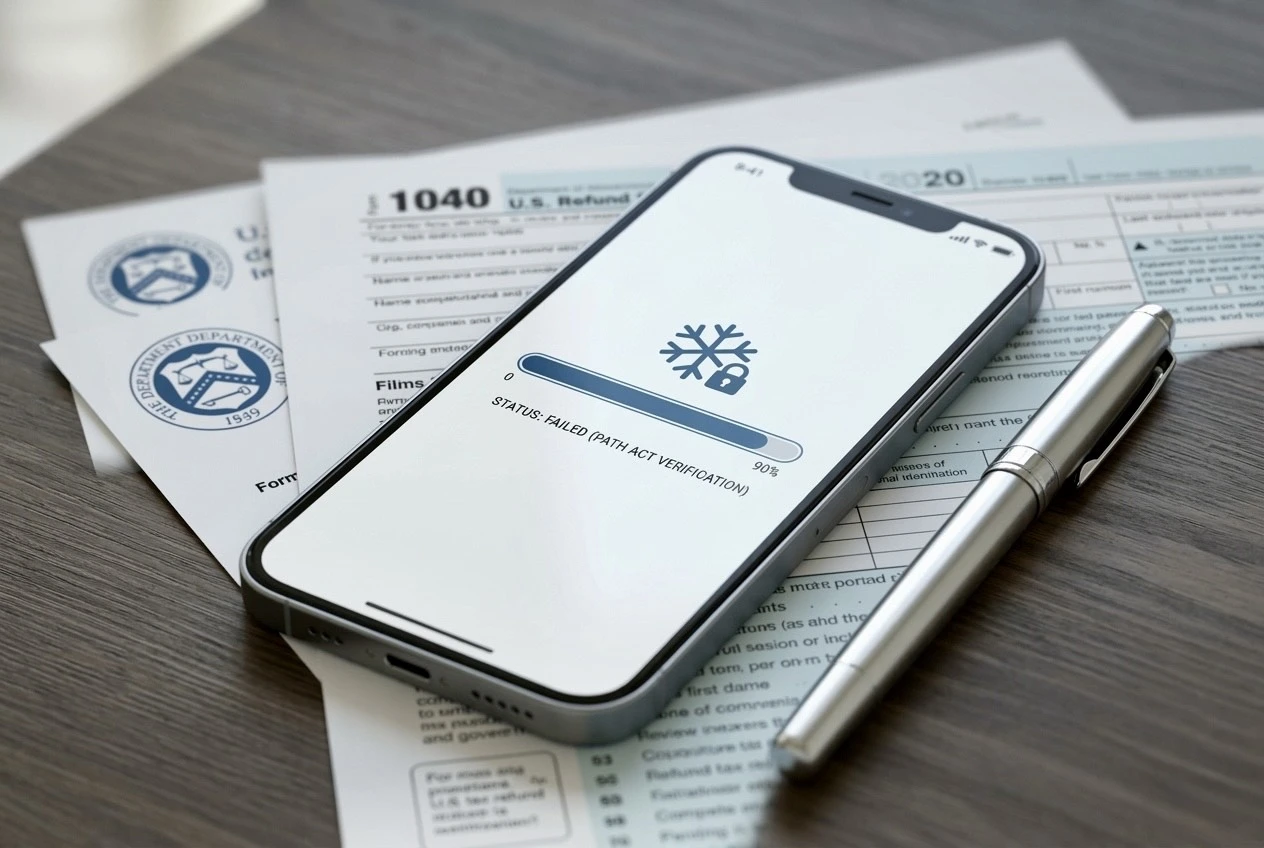
Millions of taxpayers claiming the Earned Income Tax Credit (EITC) or the Additional Child Tax Credit (ACTC) are noticing a sudden halt in their refund processing this morning.
If your “Where’s My Refund” bars have disappeared or your transcript has stopped updating despite a previously scheduled date, you have likely entered a “Hard Freeze” window. This is a technical pause in the us money system that occurs as the IRS conducts final compliance checks on PATH Act returns during the 2026 filing season.
Unlike a standard delay, a hard freeze is a scheduled security protocol. It ensures that the large refund batches authorized under the PATH Act are fully verified against employer-reported data before they enter the final banking rails for disbursement.
What Taxpayers are Seeing in Bank Accounts
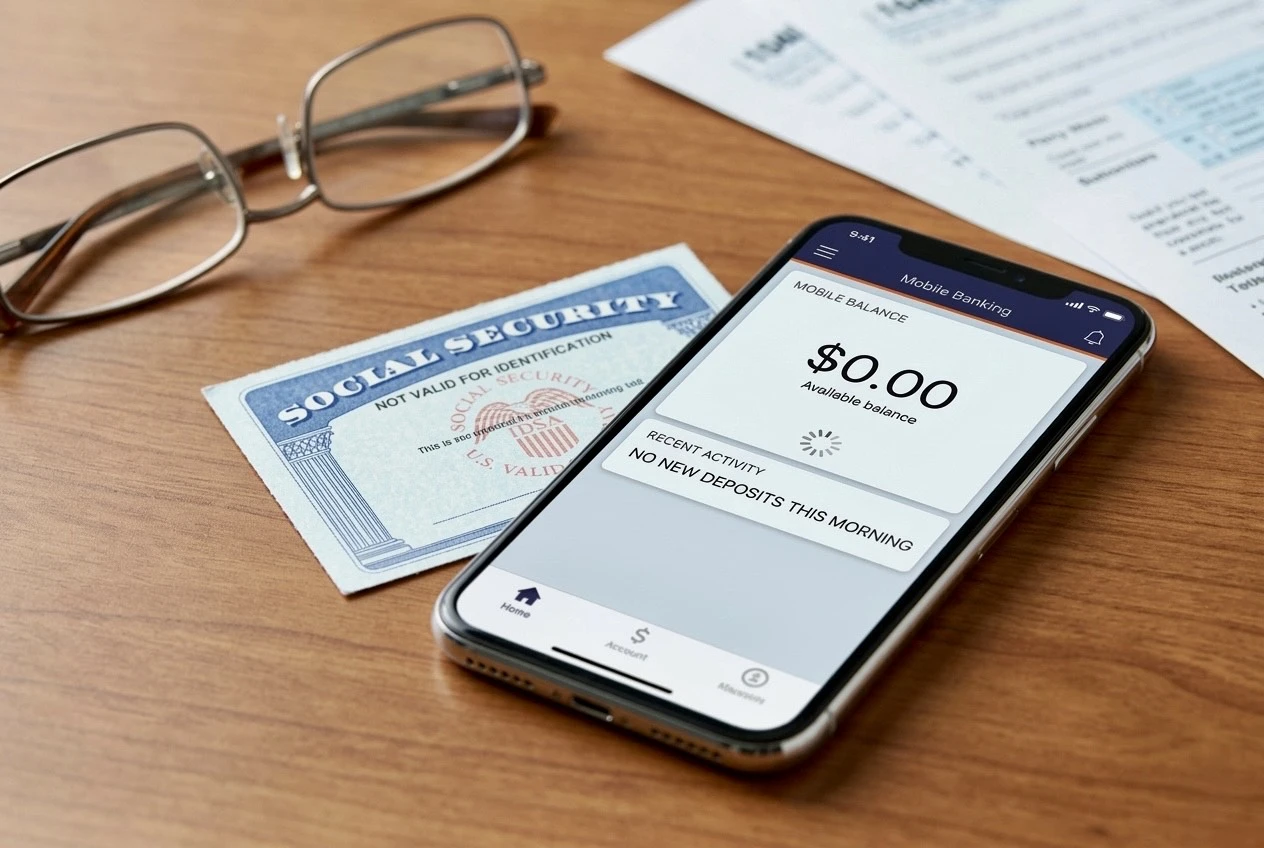
For many families, the expectation was a mid-March deposit. However, logging into banking portals today reveals a $0 balance and no “Pending” status, even if the return was filed weeks ago and initially showed progress. This “silence” in account activity is the primary indicator of a PATH Act freeze.
The IRS system essentially locks these files once they reach the final stage of the treasury payment system queue. While the status may have previously shown “Processing,” it often reverts to a generic message or the status bar vanishes entirely during the final 48 hours of verification.
Why the IRS Implements a 48-Hour Hard Freeze
The “Hard Freeze” is a direct result of the Protecting Americans from Tax Hikes (PATH) Act. While the law prevents the IRS from issuing these refunds before mid-February, the 2026 implementation has introduced a second layer of security: a 48-hour manual-to-digital handoff.
During this window, the refund is move from the IRS master file to the federal payment pipeline. If any discrepancy is found, such as a mismatch in reported income from payment apps or a change in qualifying children, the freeze remains in place until a manual reviewer clears the file.
This is especially relevant given the staffing cuts and new “One Big Beautiful Bill” (OBBBA) credits that require extra verification this year.
Understanding the PATH Act Settlement Gap
Once the freeze is lifted, the money moves through the invisible payment rails managed by the Bureau of the Fiscal Service. However, the settlement does not happen instantly. There is a “transmission gap” where the IRS considers the money released, but the Federal Reserve has not yet assigned it to a specific bank batch.
This is why your transcript may show irs code 846 with a future date. The “Hard Freeze” is the system’s way of holding the funds until that exact settlement date arrives. This status often appears right before a mass deposit wave hits the banking system.
How the Federal Reserve Settlement Window Affects PATH Refunds
Because PATH Act refunds are often larger than standard refunds, they are subject to higher security filtering within the ACH network. The settlement window timing for these large-value batches often requires an “Overnight Finality” check.
This means if your freeze was lifted on a Tuesday afternoon, the Federal Reserve might not finalize the settlement until the overnight bank clearing cycle on Thursday morning. If you wake up to an ssi payment missing or a missing refund check, it is often due to these rigid settlement windows.
Why Some Refunds Move While Others Stay Frozen
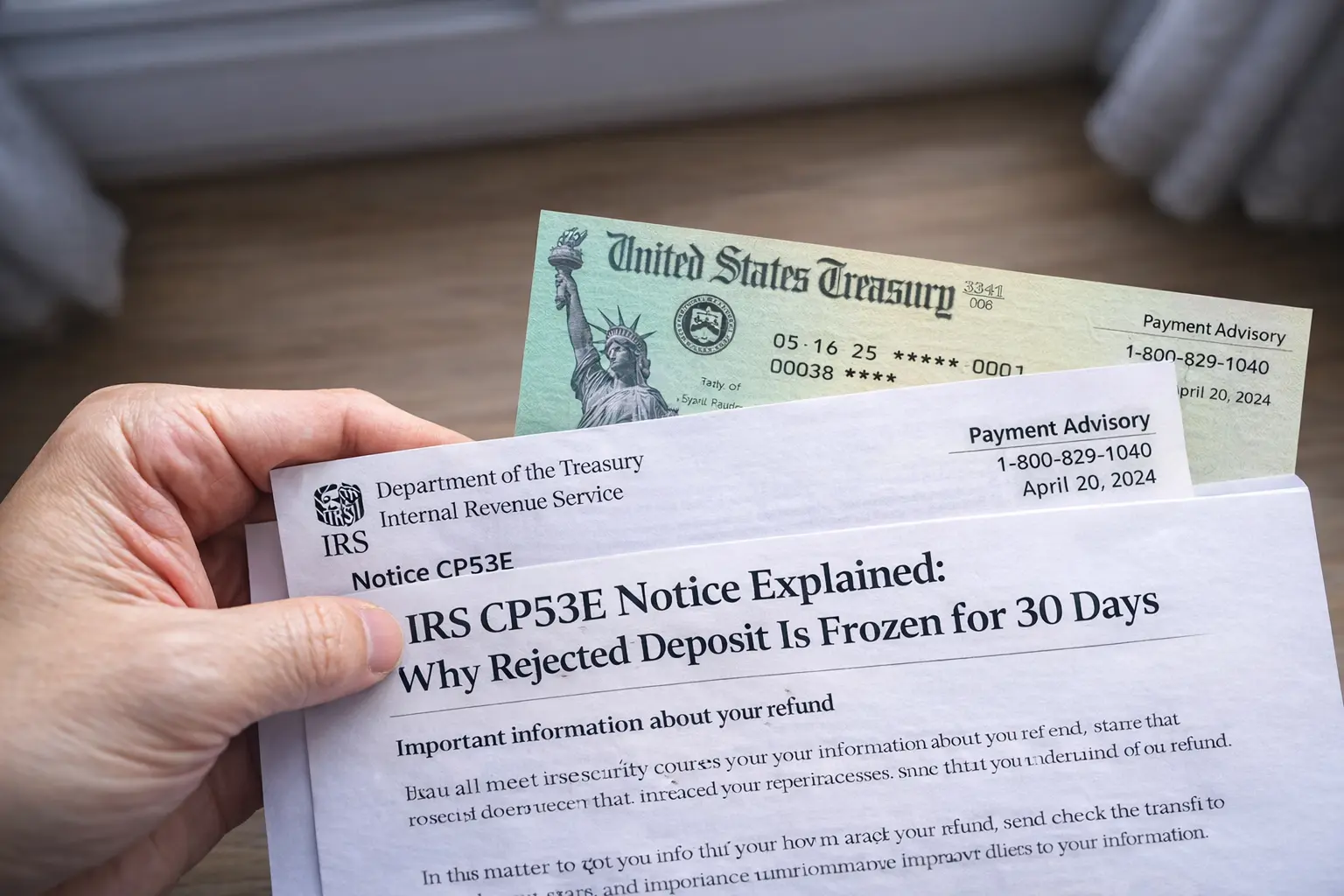
If you see others receiving their PATH Act refunds while yours remains stuck, it is likely due to “Batch Processing Waves.” The IRS processes returns in cycles. If your return was selected for a “Random Integrity Check”, a common occurrence in 2026 due to the new irs cp53e notice rules, your pending deposit status will be held back for an additional 72 hours.
This doesn’t necessarily mean your refund is being denied; it simply means your “batch” has been sidelined for a final verification against the Treasury’s master list of fraudulent accounts or mismatched names.
Why Your Bank App Balance Shows Zero During the Freeze
Your bank cannot see your refund while it is under a hard freeze. Unlike a standard payroll check that might show as “Pending” a day early, a frozen federal refund is invisible to the retail banking system. The deposit not there status will remain until the IRS officially releases the “Hold” code.
Once the hold is removed, the money typically hits the bank in the next direct deposit settlement window, which for most banks occurs between 2:00 AM and 6:00 AM ET.
What You Should Check in Your IRS Account Right Now
If you suspect a freeze, the best place to check is your Official IRS Online Account. Look for the “Account Transcript” and search for Code 570 (Account Action Pending) followed by Code 571 (Resolved). If you see Code 570 without a 571, the hard freeze is still active and the IRS is likely verifying your credits.
If the freeze is resolved, you will eventually see the official Refund Issued Code 846, which provides the exact date your bank is authorized to release the funds.
What Happens if the Freeze Exceeds 48 Hours
If your refund has been stopped for more than two business days, it may have transitioned from a “Hard Freeze” to a “Manual Review.” This often happens if the system detects an offset, such as past-due federal debt, that the treasury payment system must deduct before release.
In these cases, you will eventually receive a notice in the mail, but the remaining balance will still be sent via your original direct deposit method once the review is complete. Understanding these overnight bank clearing cycles is the only way to accurately predict when the funds will clear.
Final Outlook on PATH Act Processing
The 48-hour hard freeze is a final hurdle, not a permanent roadblock. While the $0 balance in your account this morning is frustrating, it is a sign that your return is in the final stage of the us money movement system.
Monitor your transcript for the “Release” code. For most filers, the freeze will melt away within 48 to 72 hours, and the funds will post in the next available midnight clearing cycle. Staying informed about these technical windows is the best way to manage your household budget during the final days of the 2026 tax season.
Author