Presidents’ Day liquidity flows are rarely discussed in living rooms. Yet every February, they quietly shape how millions of Americans experience their money.
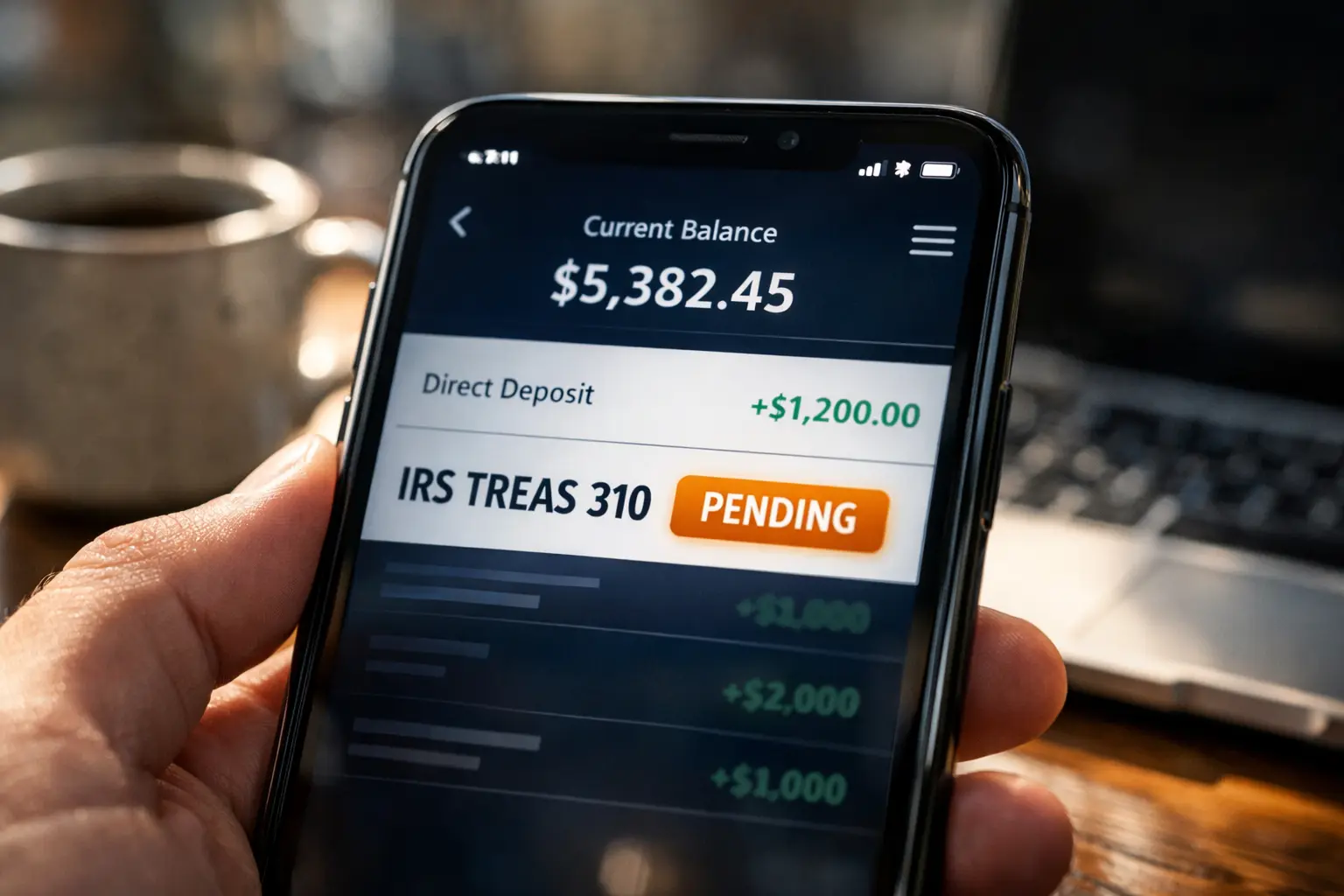
You check your bank app. A refund says approved. Payroll shows processed. A transfer appears initiated. But your available balance has not changed. For a moment, doubt creeps in. Did something go wrong? Was there an error? Is the bank holding your funds?
In reality, what you are seeing is not a problem. It is a pause in the financial rails that move money across the United States.
After more than three decades observing U.S. financial systems from commercial banking floors to household budgeting behavior, I can say with certainty that timing affects people more deeply than totals.
When money arrives later than expected, even by 48 hours, it feels destabilizing. That emotional reaction is predictable. But the mechanism behind it is mechanical, not personal.
Presidents’ Day liquidity flows simply reflect how structured the American payment system truly is.
The Financial Rails Most People Never See
The American financial system does not move money instantly, even though apps make it appear that way.
Underneath every direct deposit, tax refund, brokerage transfer, or bill payment sits a layered settlement structure overseen by agencies like the U.S. Department of the Treasury’s Bureau of the Fiscal Service.
The Federal Reserve operates core payment services, including Fedwire and the Automated Clearing House (ACH) network. The U.S. Treasury coordinates government disbursements. Commercial banks clear funds in defined windows. Settlement follows scheduled batches.
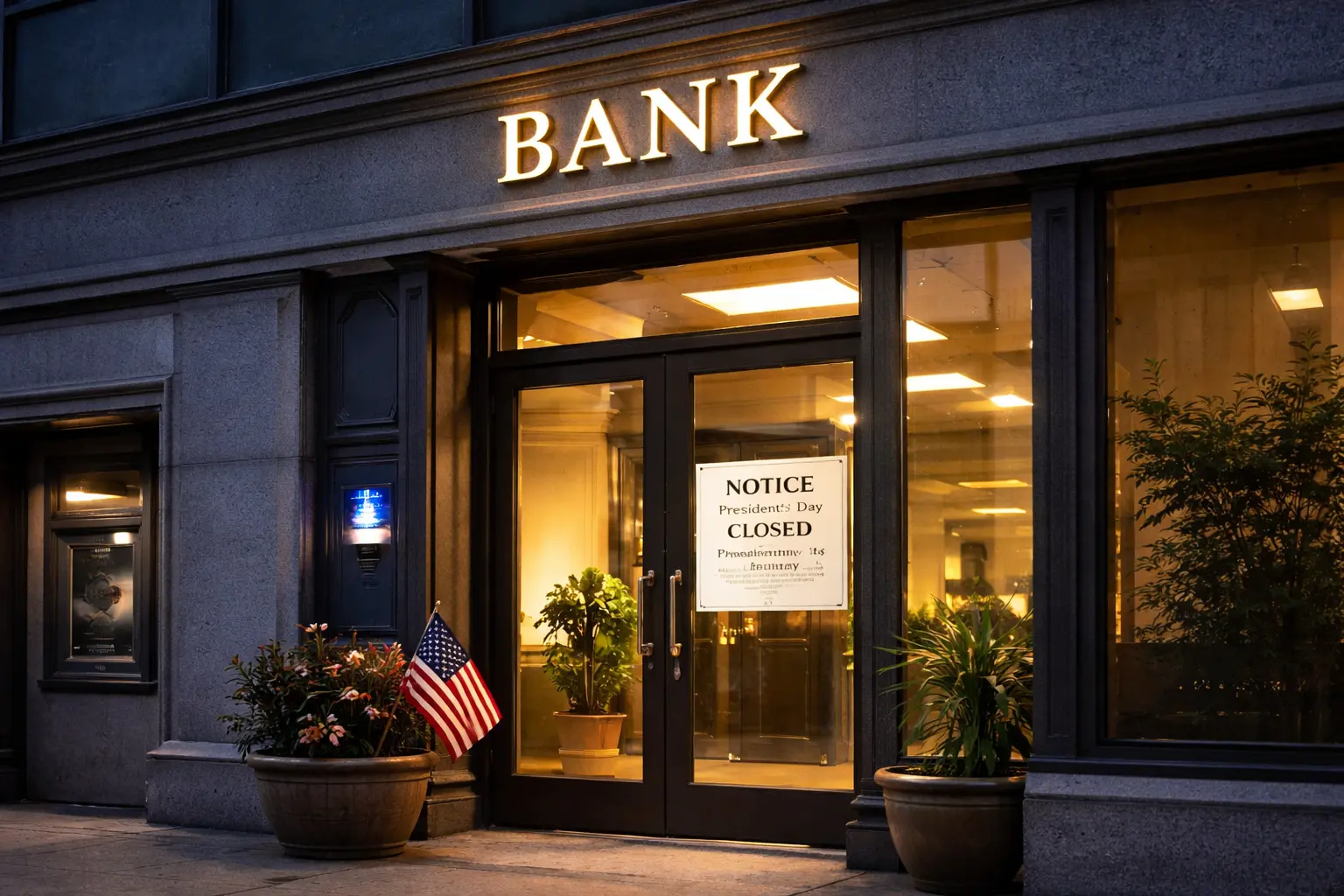
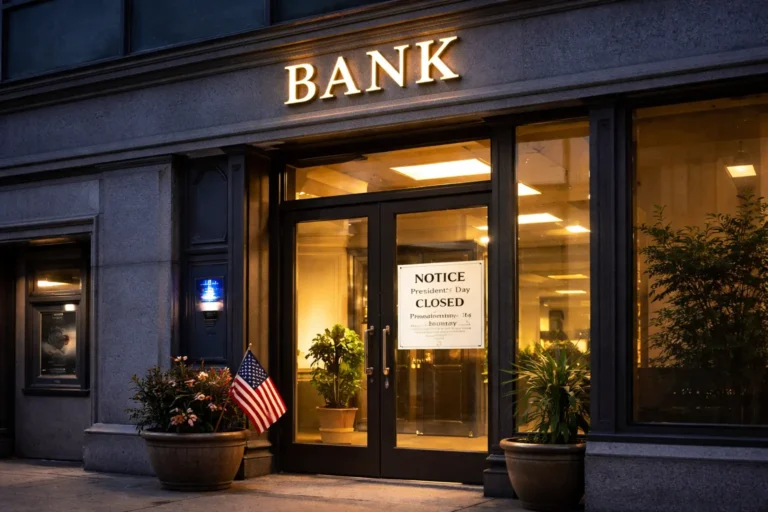
When Presidents’ Day arrives, the Federal Reserve closes. Settlement windows pause. According to the Federal Reserve 2026 holiday schedule, ACH batches queue instead of clearing. Interbank transfers wait for the next operational cycle.
Nothing breaks. Nothing disappears. Liquidity simply waits in line. Presidents’ Day liquidity flows are not about money vanishing. They are about money sequencing.
Why the Pause Feels Bigger in 2026
The structure of settlement has not changed dramatically over the past decade. What has changed is visibility. We now live inside real-time dashboards.
Notifications appear instantly. Pending transactions update within seconds. Brokerage accounts refresh continuously. Apps provide a constant illusion of motion.
But settlement still operates on scheduled rails.
That contrast between digital visibility and institutional timing creates psychological friction. When an app shows movement but your available balance does not reflect it, your brain interprets delay as risk.
This often leads to pending direct deposit mechanics concerns where users see the transaction but cannot access the funds.
For families living paycheck to paycheck, even a short holiday pause can feel heavy. Rent does not pause. Credit card interest does not pause. Utilities do not pause.
Bills remain visible while liquidity waits behind a federal holiday. Understanding Presidents’ Day liquidity flows reduces that emotional misinterpretation. The system is paused, not malfunctioning.
How Households Experience Holiday Liquidity
In my years advising individuals across income levels from hourly workers to executives, the same pattern appears every February. A deposit expected Saturday shifts to Tuesday.
A tax refund does not appear until after the long weekend. A brokerage transfer finalizes later than anticipated.
Even financially stable households feel uneasy during that window. The reason is simple. Humans anchor to expected timing. When timing shifts, confidence weakens temporarily. That weakness has little to do with net worth. It has everything to do with perceived control.
Presidents’ Day liquidity flows remind us that money moves through institutional systems, not personal urgency. The Federal Reserve does not accelerate because a rent payment feels pressing.
Settlement obeys schedule. That reality can feel frustrating, but it is also what keeps the system stable, guided by organizations like NACHA, which governs the ACH network.
How Banks and Markets Prepare for the Pause
Institutional desks anticipate holiday liquidity adjustments. Before long weekends, trading volumes often thin. Risk exposure moderates. Cash buffers increase slightly. Market participants understand that when the Federal Reserve closes, settlement timing expands.
This does not signal crisis. It signals awareness.
Professional investors operate with full knowledge of liquidity calendars. Households rarely see those calendars. That informational gap explains why retail anxiety spikes while institutional behavior remains calm.
This is why refund settlement timing is a critical topic for consumers who are watching their “Approved” status without a balance change.
The IRS, Payroll, and Federal Timing
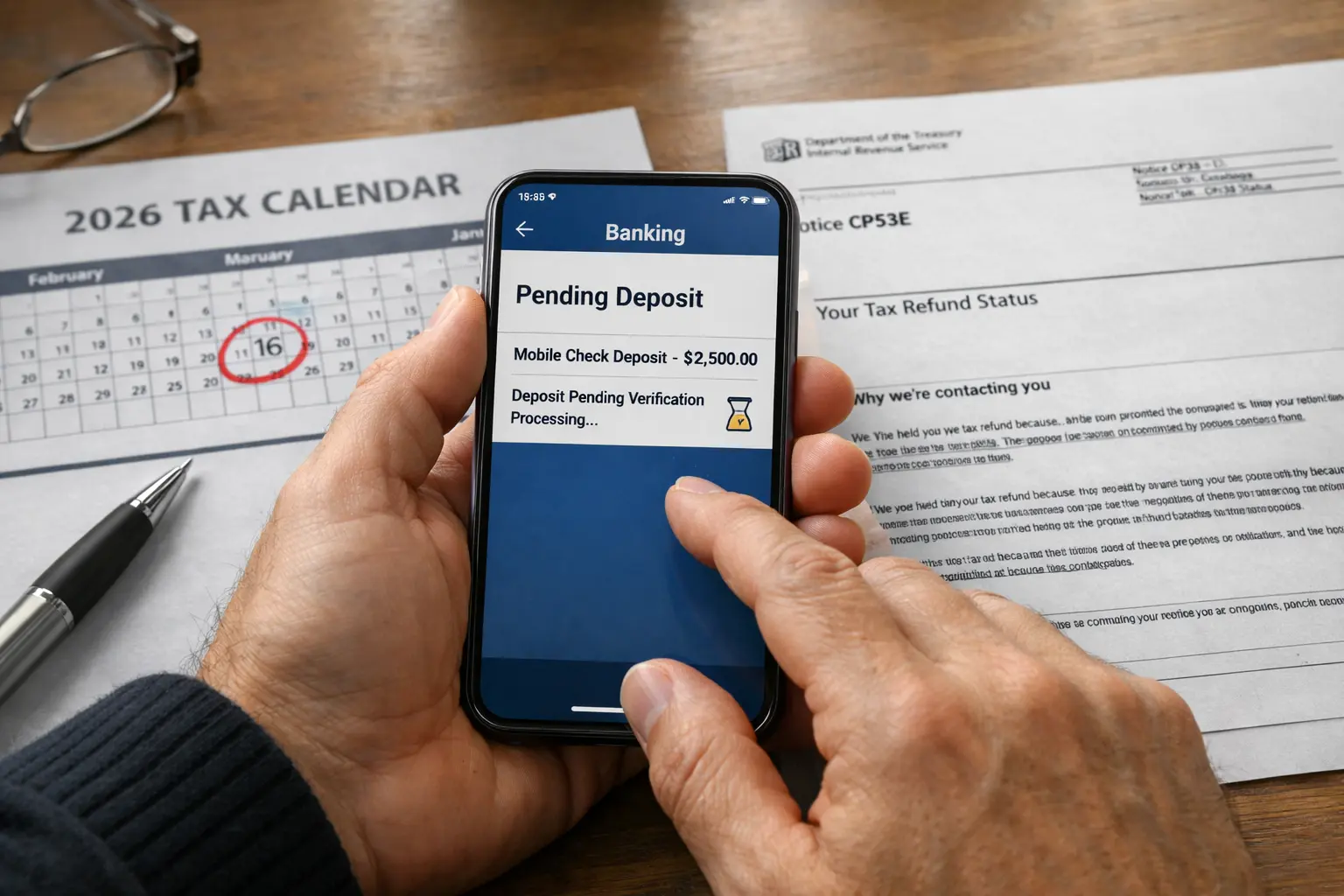
For many Americans, the holiday intersects with tax season. Refund approvals may occur days before settlement clears. Payroll files may be submitted Friday but not fully processed until the Federal Reserve reopens.
This sequence is routine. The Internal Revenue Service can authorize a refund. The Treasury can transmit instructions. But final availability depends on settlement clearance. When Presidents’ Day pauses clearing windows, funds queue inside the system.
This is why “approved” does not always mean “available.” The approval reflects authorization. Availability reflects settlement. That distinction is small on paper. Emotionally, it feels large.
The Psychological Cost of Temporary Delay
Financial anxiety often rises during moments of minor uncertainty. A two-day delay may not alter long-term stability, but it can alter weekend mood.
I have watched households second-guess budgets, cancel discretionary purchases, and refresh banking apps repeatedly during holiday pauses. That behavior is understandable. When liquidity feels uncertain, caution increases.
But Presidents’ Day liquidity flows are predictable. They are not surprise shocks. They occur on a known federal calendar, which is why it’s important to understand what happens to direct deposits during these scheduled breaks. When you recognize the pattern, anxiety decreases.
What Happens When the System Reopens
When the Federal Reserve resumes operations, queued transactions clear. ACH batches process. Treasury payments settle. Direct deposits finalize. Brokerage trades complete. Balances often update rapidly once settlement restarts.
What felt delayed suddenly appears all at once. That acceleration is simply backlog processing. Presidents’ Day liquidity flows compress activity into defined windows. When the window reopens, motion resumes.
This predictability is one of the strengths of the American financial system. It runs on rules, not improvisation.
Why Structural Understanding Builds Confidence
Over 30 years observing financial cycles, I have learned that structural knowledge reduces emotional volatility. When you understand how money moves, you react less dramatically to temporary pauses.
Presidents’ Day liquidity flows are an annual reminder that liquidity is structured. It moves through institutional gates. It follows federal schedules. Once you internalize that structure, you shift from reaction to interpretation.
Instead of asking, “Why hasn’t my money arrived?” you ask, “Is the Federal Reserve open today?” That shift changes your experience.
Conclusion: Predictable Pauses, Not Financial Problems
Presidents’ Day liquidity flows quietly reshape U.S. money movement every February. They pause settlement, queue deposits, and delay availability by design. But liquidity does not disappear. It sequences.
When you understand Presidents’ Day liquidity flows, the long weekend feels predictable rather than stressful. That predictability restores confidence. And in personal finance, confidence is often as important as cash flow.
Methodology
This analysis is based on a review of publicly available materials from the Federal Reserve Financial Services holiday calendar, ACH network operating guidelines published by NACHA, and settlement timing documentation from the U.S. Department of the Treasury’s Bureau of the Fiscal Service.
The article also incorporates standard U.S. banking settlement procedures and long-standing Federal Reserve payment window structures to explain how Presidents’ Day liquidity flows affect deposit availability, ACH transfers, and government disbursements.
No proprietary data or unpublished institutional materials were used in this review.
Investozora uses only trusted, verified sources. We focus on white papers, government sites, original data, firsthand reporting, and interviews with respected industry experts. When relevant, we also use research from reputable publishers. Every fact is checked against a primary source so readers get clear, accurate, and up-to-date information, and we update our citations whenever official guidance changes.
- Federal Reserve Financial Services — Holiday Schedule – Used to verify the closure of the ACH and Fedwire systems on February 16, 2026.
- U.S. Department of the Treasury — Bureau of the Fiscal Service – Primary authority for federal payment disbursements and Treasury settlement timing.
- NACHA — The Electronic Payments Association – Used to anchor discussion of ACH network governance, settlement rules, and processing timelines.
Author

Related Articles
 When Do You Get Your $1,000 ‘Trump Account’? Here’s What to Know
 The Velocity Leak: Why the 2026 Federal Liquidity Injection Cannot Cure Your Structural Fragility
 Are Banks Closed on Presidents’ Day 2026? What Happens to Direct Deposits, ACH Transfers, and Bill Payments
 The Upgrade Treadmill: Why Your ‘Dream Life’ Stopped Making You Happy
 The Moment Households Stop Feeling Secure and Start Feeling Managed
 The Financial Exhaustion Nobody Sees Until Stability Breaks
 The Quiet Moment When Financial Responsibility Stops Feeling Safe