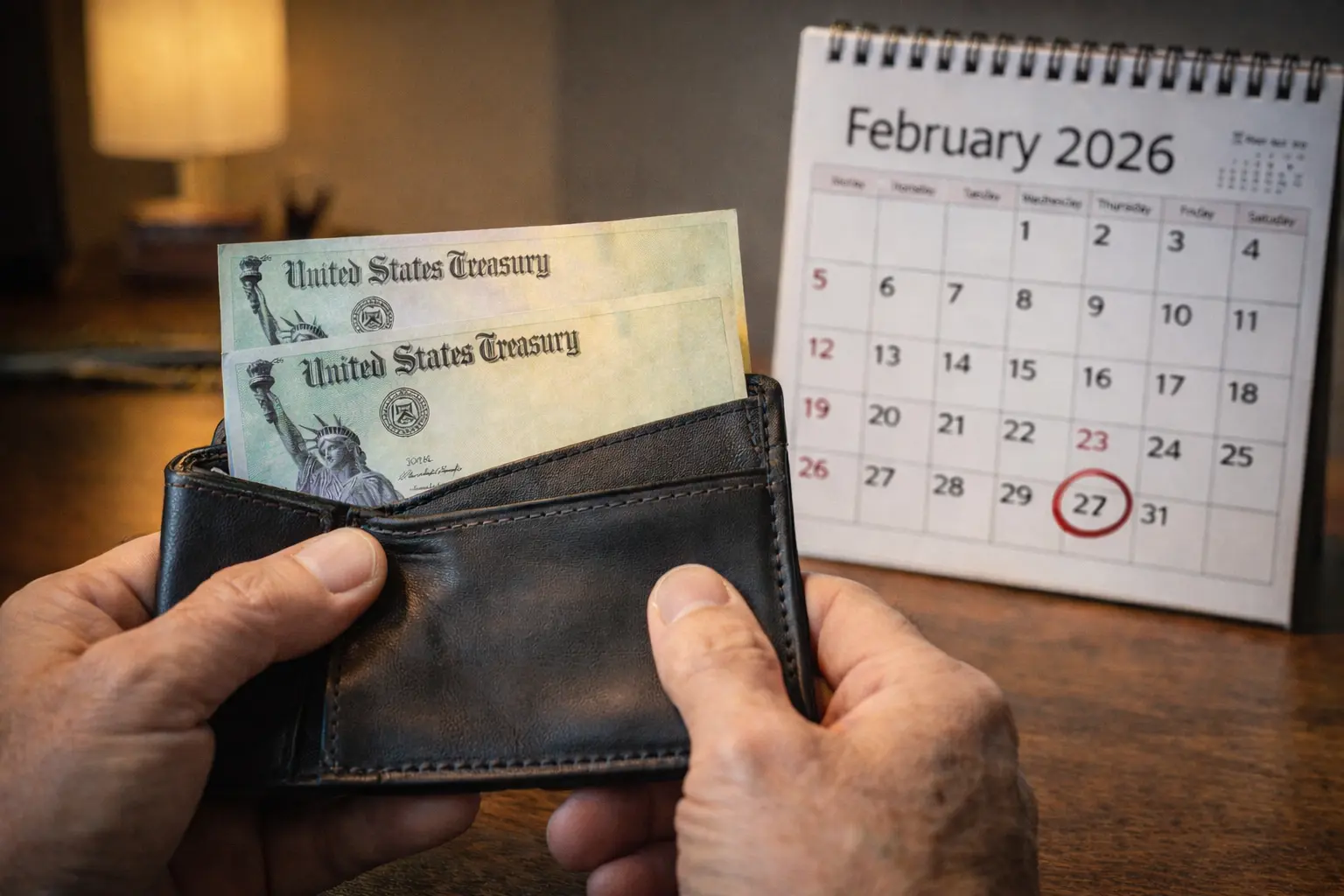
The final week of February 2026 brings a unique situation for millions of American households. While many are watching for their regular monthly payments, a specific scheduling quirk triggers a “Double Payment” event. This isn’t an error by the Social Security Administration.
Instead, it is a predictable result of how the federal calendar interacts with the banking system when a new month begins on a weekend. As Friday, February 27 approaches, certain beneficiaries will see their bank balances update with two distinct payments in a single week.
The March 1st Weekend Shift: Why Two Payments Land This Friday
March 1, 2026, falls on a Sunday. Official federal payment rules require Supplemental Security Income (SSI) payments to move to the preceding business day when the first of the month is a weekend or holiday.
This standard procedure appears in the Social Security payment schedule. It ensures you have funds before the weekend begins. If you received your regular check on February 25, you may see two major deposits hit your account in less than 48 hours.
Managing Your Money Between the Two Payment Waves
The first payment on Wednesday, February 25, follows the standard cycle for retirees born between the 21st and 31st. The second payment on Friday is actually your money for March. While it feels like a bonus, remember this check must cover next month’s expenses.
Since the money arrives early, it must last until your scheduled April payment. Understanding your true usable wealth helps you maintain household stability during these transitions.
Why Your Bank App Might Show a ‘Ghost Balance’ Before Friday
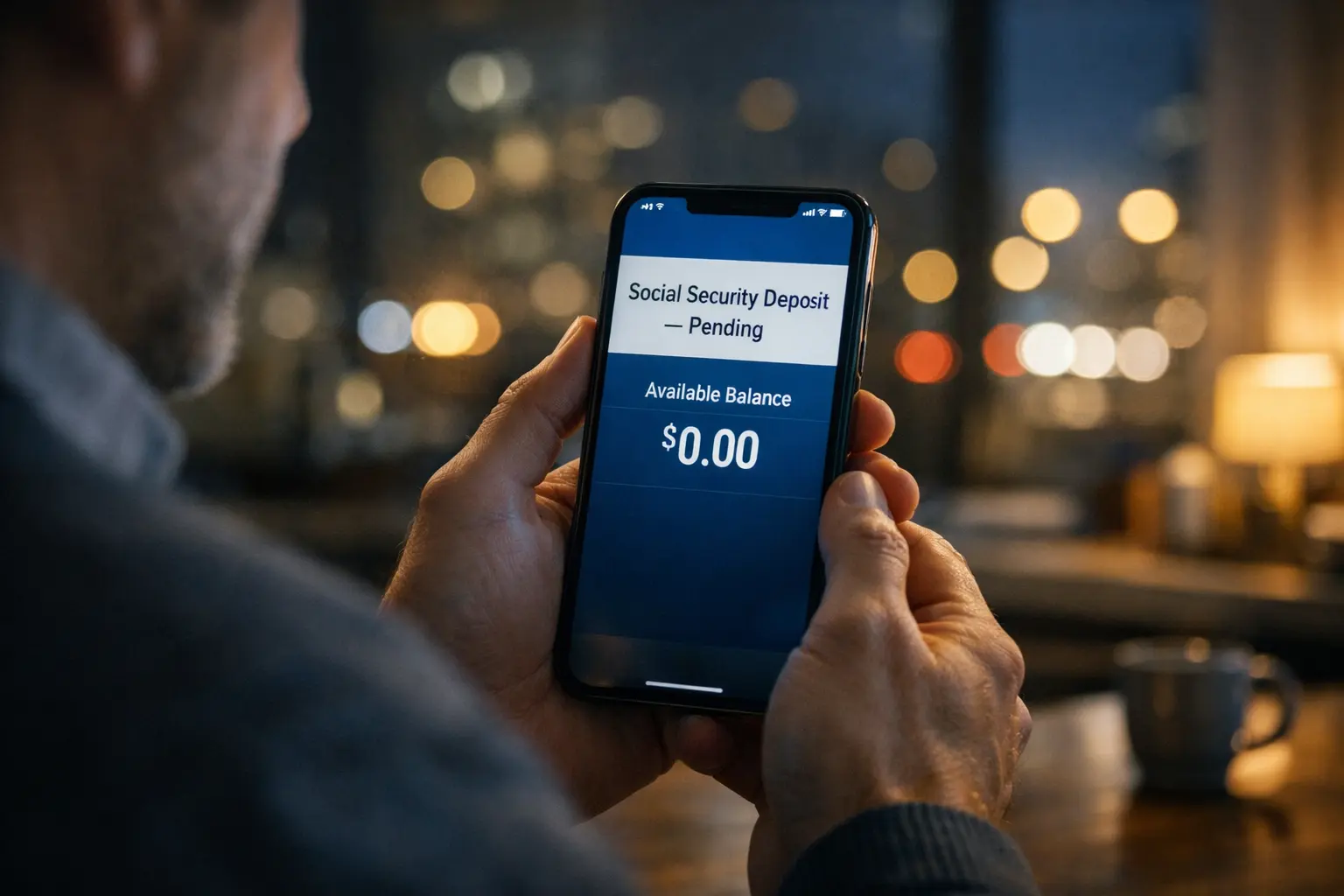
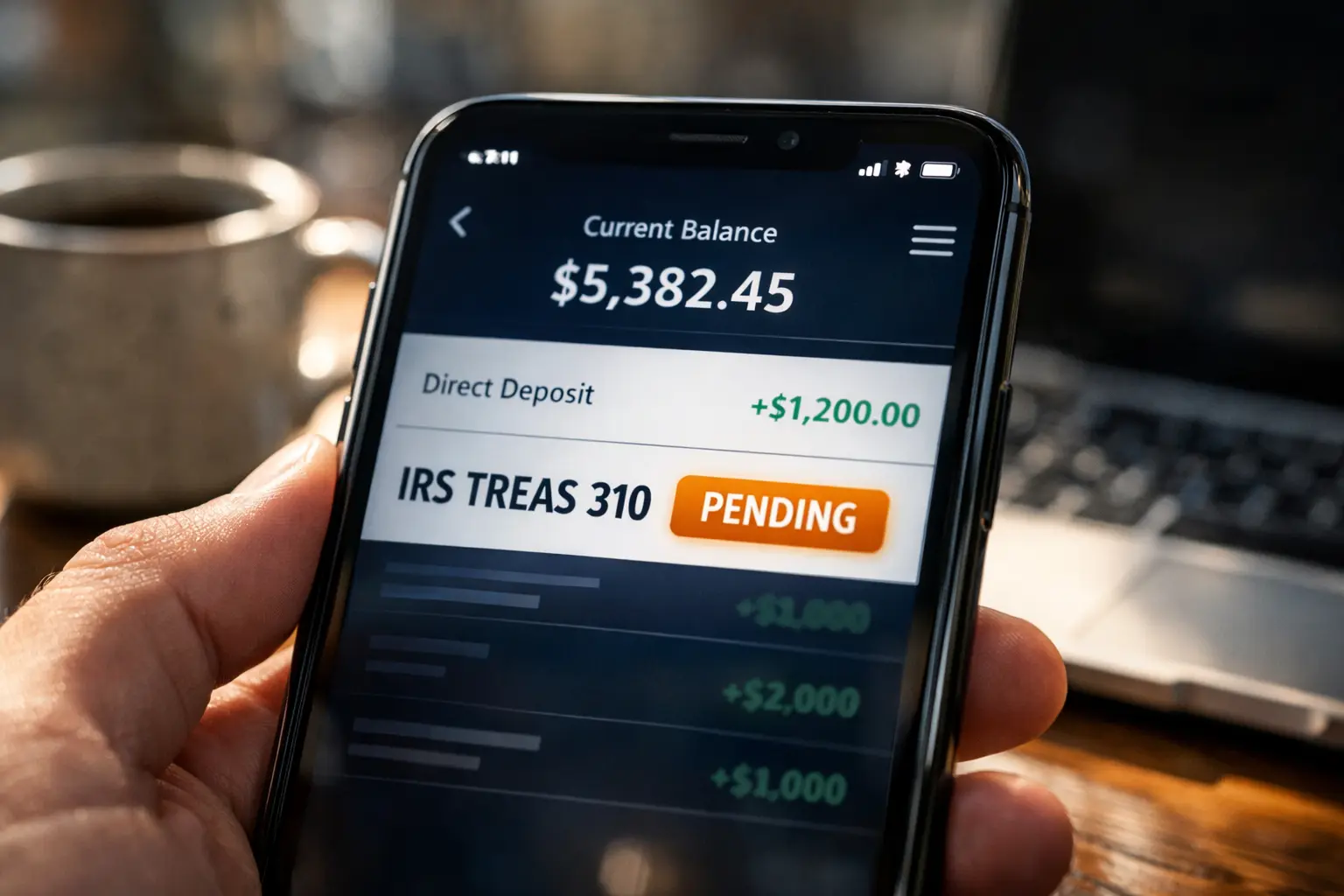
Many users will see these March payments as “Pending” as early as Thursday evening. The Treasury sends these large files in advance. Your bank displays the transaction, but your “Available Balance” stays at zero.
This gap happens because digital information arrives before the actual cash processes behind the scenes. Funds stay in a digital queue until the final handoff on Friday morning. This delay stems from the specific settlement window timing used by major banks.
IRS Refunds and Social Security Arriving at the Same Time
Ongoing tax refund processing adds to this busy week. Many early filers see “IRS Code 846” on their transcripts. This code means the IRS issued your refund. When refunds arrive with Social Security and SSI checks, a massive amount of money moves through the system.
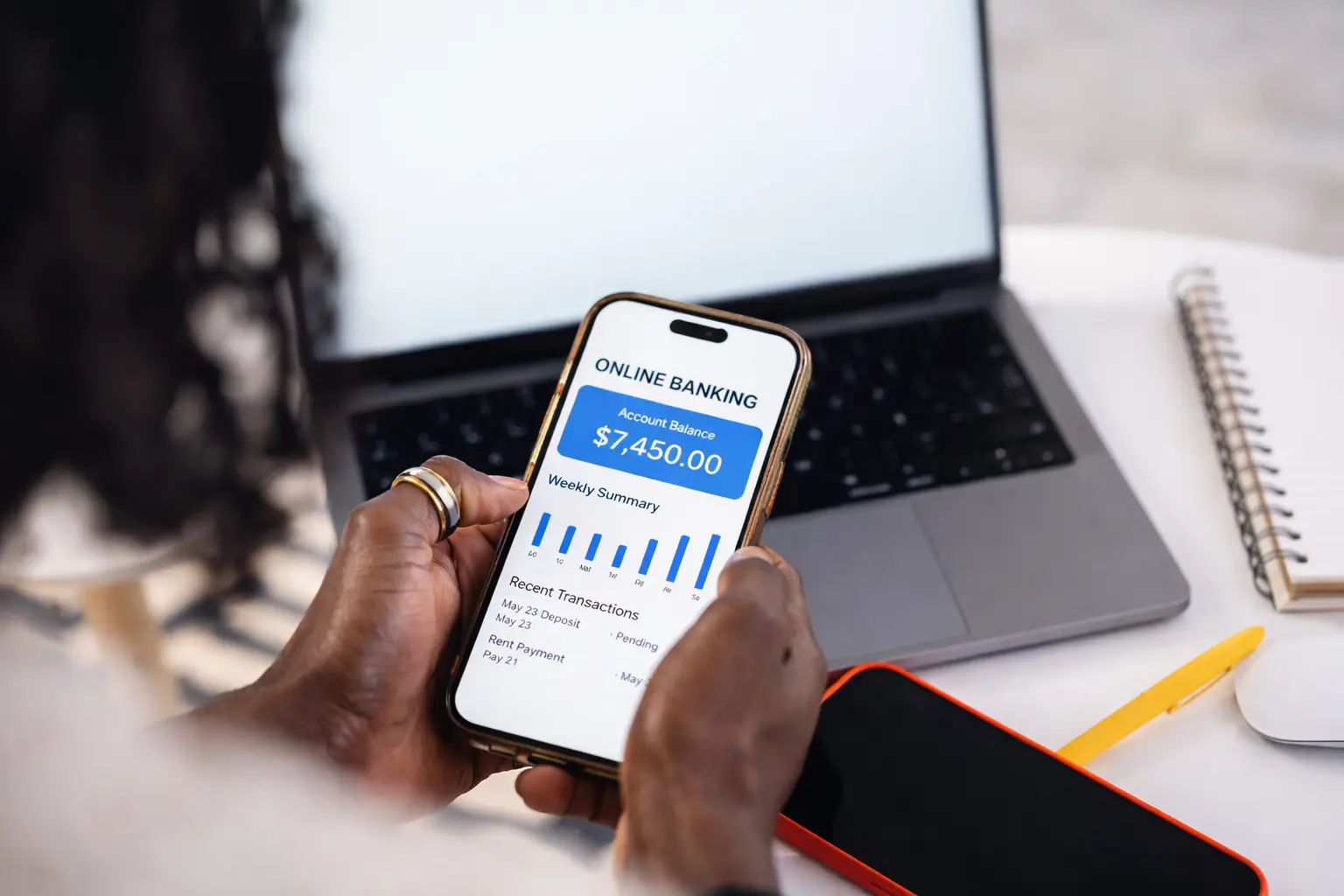
This high volume occasionally causes “update lags” in banking apps. You might see multiple deposits that don’t immediately reflect in your total balance. This occurs during the Treasury payment process as files move from federal agencies to your local branch.
Preparing for the Long Gap in March
Two payments in one week provide immediate relief, but they also mean a longer wait for your next check. Since the March payment arrives February 27, you must wait over 30 days for your April deposit.
This makes careful spending critical for late-month bills. Many users felt similar confusion during the February 25th banking alert. The government simply moves money forward to ensure you have funds over the weekend.
Understanding the Pattern Behind Your Paycheck
The path from the government to your pocket follows a carefully timed process. Whether you see a “pending” status today or wait for a Friday check, these movements follow strict calendars. The Bureau of the Fiscal Service designs these cycles to maintain economic stability.
Understanding this “Double Payment” reality helps you manage your budget without worrying about errors. The funds are secure, and the system is working to get your money to you on time.
Author