Nothing feels wrong with money right now. That’s what makes it unsettling. There’s no crisis, no sudden loss, no urgent headline telling people to act.
Life is moving normally. Paychecks arrive. Bills get paid. The days pass. And yet, many Americans keep checking their bank accounts anyway.
Not to fix anything. Not to spend. Just to look. It happens quietly, often at night, when everything else is still. A balance gets scanned. The app closes.
No decision is made. But something changes. Money hasn’t become frightening. It has become impossible to ignore.
Sunday Evenings Have a Feeling You Can’t Quite Explain
Sunday evenings rarely announce themselves. There’s no clear moment when the weekend ends. It happens gradually. The light outside softens. Conversations slow down.
The comfort of unstructured time starts to slip away, even when nothing stressful waits for the next day.
On the surface, life looks fine. Bills are paid. Work is manageable. No emergency is unfolding. Yet something feels unfinished.
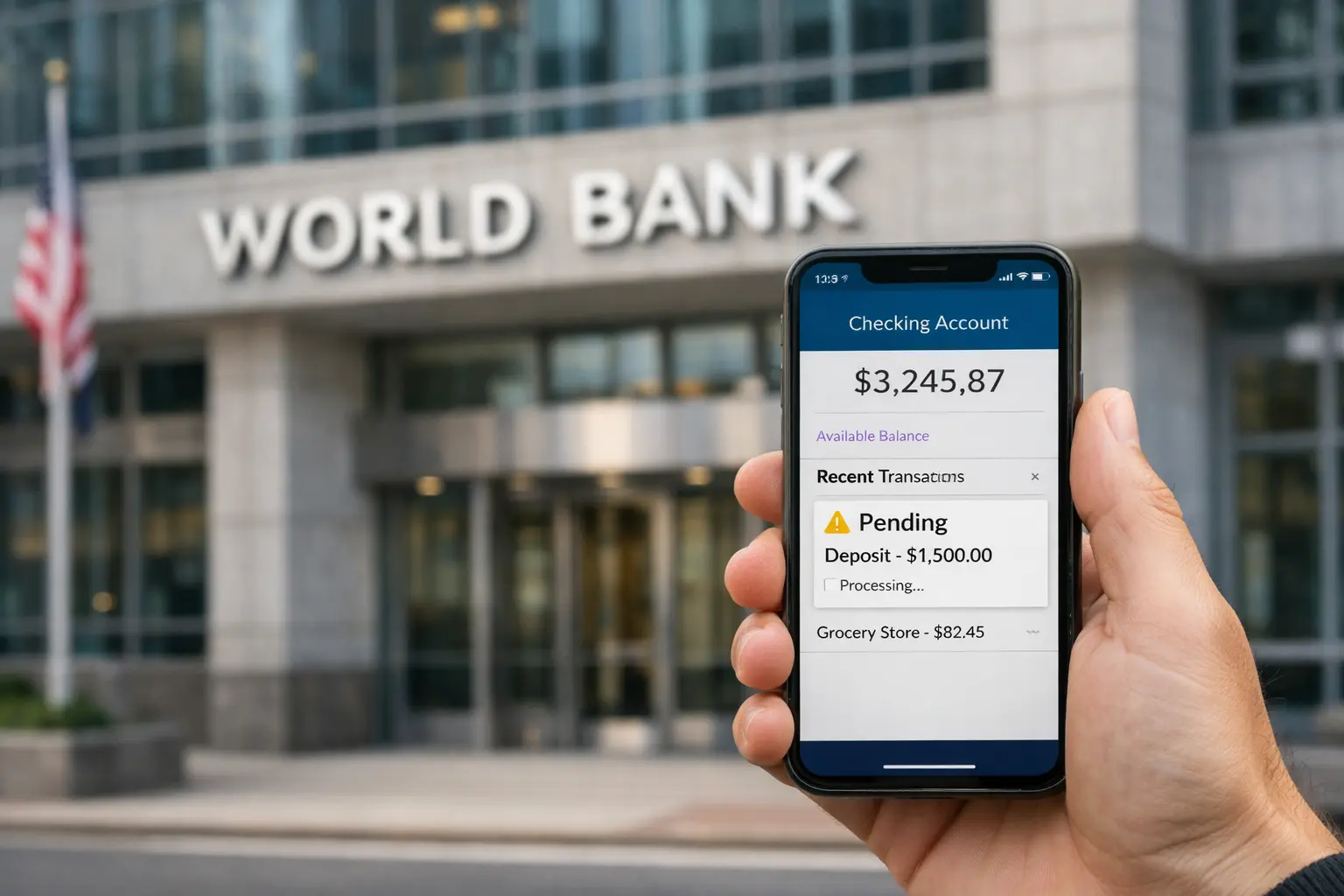
For many people, that feeling shows up in a small habit. A phone gets picked up. A banking app icon sits there. The app opens, not because something went wrong, but because checking feels necessary.
Balances are reviewed. Transactions are scanned. Nothing changes. The app closes. No money moves. No decision is made. And yet, something settles.
Money hasn’t become more frightening. It has become more present. More visible. More difficult to ignore. That quiet awareness is shaping how people think about money right now, even if they don’t have words for it yet.
The Absence of Panic Is the Real Signal
In the past, financial stress usually arrived loudly.
There were clear triggers. A bill shock. A market scare. A job change. People reacted quickly because urgency demanded it. Spending stopped overnight. Big decisions were made under pressure. Anxiety felt sharp and immediate.
This moment doesn’t feel like that. Instead, there’s no panic. There’s also no rush. And there’s no sense that everything must be fixed right now. At the same time, ignoring money doesn’t feel comfortable either.
So, people are pausing instead of reacting. They’re watching instead of avoiding. They’re checking twice before moving once. Because of this, a middle space has formed — somewhere between fear and confidence. Before, many households didn’t have that space.
And because nothing feels dramatic, this shift doesn’t trend. It doesn’t spark heated conversations. It also doesn’t show up as a headline.
And it happens privately. Late in the evening. One person at a time. That’s why it’s easy to miss. But it’s real.
Careful Is Not the Same as Fearful
Many Americans are still spending. They still go out to eat. They still travel. And they still enjoy small comforts that make life feel normal. What’s changed isn’t whether they spend. It’s how the decision forms.
Before a purchase, there’s a pause. Not a dramatic debate. Just a quiet question: “Do I need this right now?”Sometimes the answer is yes. Sometimes it’s no. Either way, the pause matters.
Money is no longer something to chase or escape. It’s something to manage gently, even when nothing feels wrong.
That shift doesn’t come from fear. It comes from experience. From learning that rushing rarely leads to peace, and ignoring rarely leads to clarity.
The First Part of the Reset: Looking Without Judging
The reset always starts the same way. The banking app opens. No fixing. No calculating. And no promises to do better next week. Just looking.
This matters more than people realize. The anxiety usually isn’t in the number. It’s in not knowing the number. Imagining is heavier than observing.
Even when the balance is lower than expected, the fear often fades once it’s seen. Reality, even uncomfortable reality, is easier to carry than uncertainty.
There’s a reason this step feels relieving. Turning on the light doesn’t change the room. It changes how safe the room feels.
The Second Part: Matching Money to Time
After looking at the account, attention shifts forward. The calendar opens. Just the next seven days. Nothing beyond that. The question isn’t “How can I optimize?”
It’s “What’s already coming?” A dinner. A bill. Transportation. Groceries. Something social. Something routine. When money gets attached to time, surprises disappear.
Charges stop feeling random. They feel expected. That expectation removes emotional weight. A bill that’s anticipated doesn’t sting the same way as one that appears unexpectedly.
This step doesn’t restrict spending. It organizes it.
The Third Part: Knowing What’s Safe
Once the known expenses are mentally accounted for, one number remains. What’s safe to spend? Not ideal. Not perfect. Just safe. That number becomes permission.
When people know what’s safe, guilt loosens. Small choices stop feeling reckless. Coffee doesn’t feel like failure. Enjoyment doesn’t feel irresponsible.
Clarity replaces tension. This is where calm appears.
Why This Works on the Brain
The human brain struggles with unresolved questions.
Psychologists often describe this as “open loops.” When something feels unfinished, the brain keeps returning to it, even when nothing can be done in the moment.
Money anxiety is often just an open loop. The reset closes it. By looking, matching, and defining what’s safe, the brain receives a clear message:
“We’re aware. We’re prepared. There’s no mystery here.” That message matters more than any spreadsheet.
The result isn’t financial transformation. It’s emotional relief. Sunday evenings feel quieter. Attention feels steadier. Sleep arrives without the background hum of worry.
Why This Shift Is Easy to Overlook
Nothing about this ritual looks impressive. There’s no big win. No dramatic savings milestone. No visible change to lifestyle. That’s why it’s easy to overlook. From the outside, everything looks the same.
But internally, something has shifted. Money no longer demands reaction. It invites reflection.
People feel less pushed by fear and less pulled by pressure. They move through the week with fewer surprises and fewer regrets. That kind of change doesn’t announce itself. It settles in quietly.
A Different Definition of Financial Freedom
Financial freedom isn’t always about having more. Sometimes it’s about knowing enough. Knowing what’s coming. Knowing what’s safe. And knowing there’s nothing waiting to ambush you on Monday morning.
That knowledge creates a kind of peace that numbers alone can’t provide. This reset doesn’t promise wealth. It offers something simpler and often more valuable: calm.
And for many people right now, calm is exactly what money is meant to support.
Closing: Turning the Light On
If Sunday evenings feel heavier than they used to, you’re not imagining it. Nothing is broken. Nothing is urgent. And nothing needs to be solved tonight.
But awareness has taken a bigger role in how people relate to money. That awareness doesn’t have to be stressful. It can be grounding.
Tonight, take the 15 minutes. Turn the light on. Close the loop. Your Monday self will feel the difference—even if they never quite put it into words.
Author

-
The information on this site is for educational and general guidance only. It is not intended as financial, legal, or investment advice. Always consult a licensed professional for advice specific to your situation. We do not guarantee the accuracy, completeness, or suitability of any content. For complete details, please review our full disclaimer.