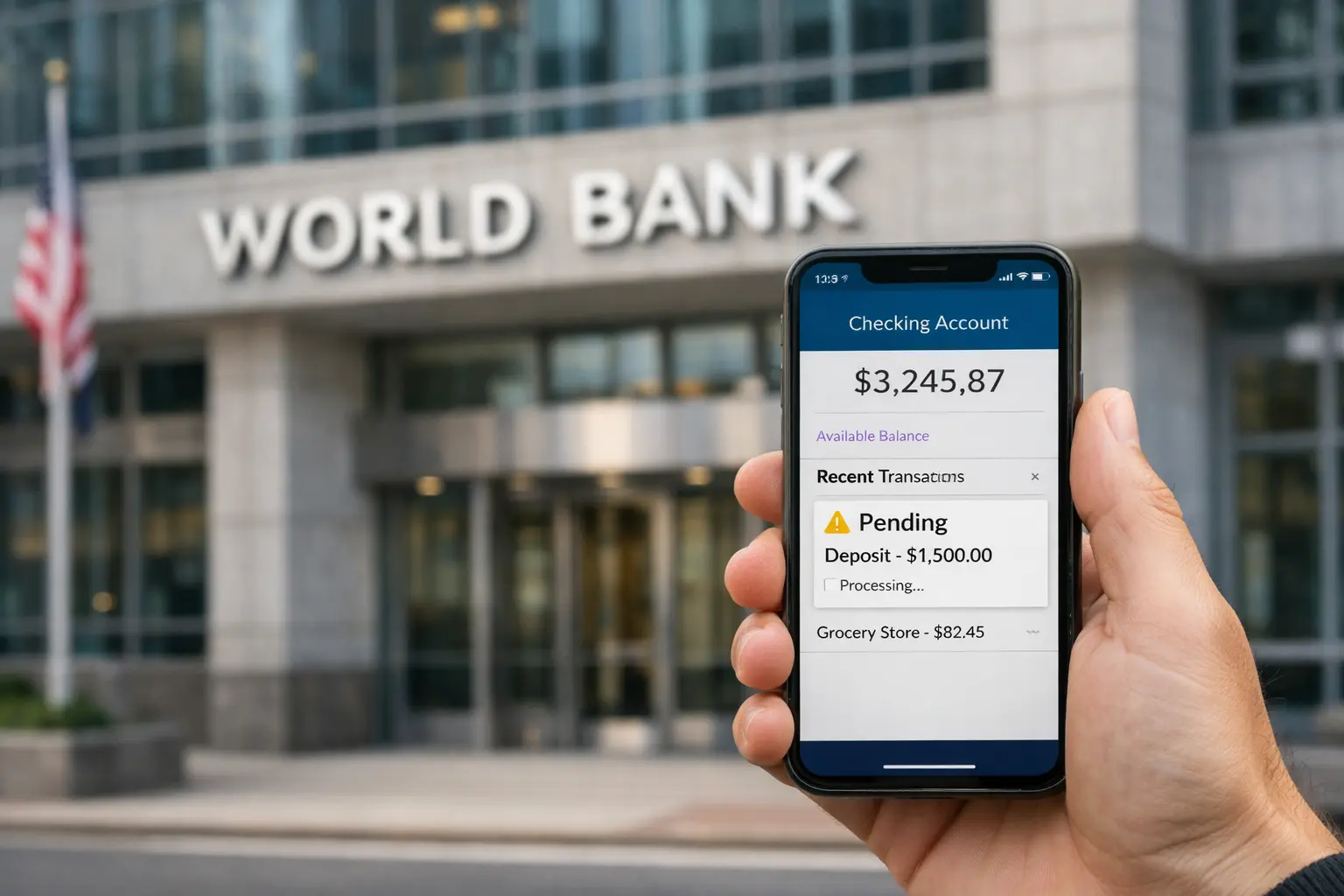
In the shifting 2026 economy, the primary threat to stability has moved from large debts to high-velocity, invisible outflows. This velocity trap represents a structural change where life is optimized for seamless spending.
Because digital friction has vanished, psychological defenses against overspending have disappeared. Consequently, many households move money through accounts faster than they can build a foundation, leading to a state of being functionally broke despite a high income.
To survive, we must recognize that wealth is measured by how slowly money leaves your possession. The middle class is currently squeezed by high-fixed costs and high-frequency digital spending, making it difficult to maintain a hollow savings rate that yields true wealth.
Escaping this trap requires a financial reset to ensure money stays still long enough to grow. By prioritizing quiet money decisions over frictionless consumption, earners can reclaim their liquidity and protect against the silent inflation of modern life.
- The Frictionless Squeeze: Digital payments have removed the psychological pain of payment, leading to a high volume of small, invisible transactions that hollow out cash flow before saving can occur.
- The User-ship Drain: Modern wealth leaks through a forever payment architecture, where automated recurring costs create a permanent floor of high-velocity outflows that outpace wage growth.
- The Liquidity Disconnect: Earning a high salary becomes irrelevant when income passes through accounts without stopping. Many households are functionally broke because money moves too fast to become invested capital.
- The Defensive Pivot: Reclaiming wealth requires reintroducing friction through a financial reset and committing to quiet money decisions that prioritize keeping capital over spending it.
The Psychology of Seamless Consumption
Digital spending has removed the visceral pain of payment that once governed consumer behavior. In the past, handing over physical bills created a psychological pause that forced us to evaluate the value of a purchase.
Today, with biometric payments and saved credentials, the act of spending has become an unconscious reflex. This lack of friction is the primary driver of the luxury gap, where we upgrade our daily lives through micro-transactions that feel insignificant in isolation but are devastating in aggregate.
Furthermore, this seamlessness encourages a lifestyle of constant, low-level consumption. Because we can buy anything in seconds, we are constantly satisfying temporary impulses rather than pursuing long-term goals.
This high-velocity cycle prevents the accumulation of the capital needed to close the wealth defense gap. When money moves this quickly, it never has the opportunity to become an investment.
Instead, it remains a mere tool for immediate gratification, leaving the individual with a beautiful lifestyle but zero actual resilience.
Financial Velocity Impact Study: The Cost of Transaction Velocity (2025 vs. 2026)
This analysis illustrates how the increase in micro-transactions and automated outflows has reduced the average household’s liquid retention over a twelve-month period.
| Category | Monthly Frequency (2025) | Monthly Frequency (2026) | Avg. Transaction Cost | Annual Impact |
|---|---|---|---|---|
| Micro-Luxuries | 12 | 22 | $18.50 | $2,220 increase |
| Digital Subscriptions | 6 | 11 | $15.00 | $900 increase |
| Phantom Debt (BNPL) | 1 | 4 | $120.00 | $4,320 increase |
| Retained Liquidity | $1,400 | $650 | N/A | $9,000 loss |
Source: Investozora Internal Behavioral Audit 2026, synthesized from data provided by the Federal Reserve Board on consumer credit and transaction trends.
The Subscription Squeeze and Fixed Velocity
The transition from ownership to usership has created a floor of high-velocity fixed costs that most people underestimate. We are living in a forever payment architecture where our basic digital and physical needs are billed on a recurring basis.
While each individual subscription seems small, the collective velocity of these automated withdrawals creates a permanent drain on our liquidity. This is a significant part of the reason why earning six figures feels poor in the current landscape.
These recurring costs are especially dangerous because they rise with inflation. As companies raise prices, the velocity of our outflows increases automatically, often faster than our wage growth can keep up. This creates a hollow raise scenario: rising commitments consume every income increase
To maintain your margin, you must actively fight to reduce the number of recurring exits in your financial life, or you will remain trapped in a cycle of perpetual work just to stay still.
The Great Detachment of Cash Flow
There is currently a profound disconnect between our balance sheets and our daily experience of money. Many families have a positive net worth because of rising home values, yet they live in a state of constant cash flow anxiety.
This is the great detachment where the economy appears strong in reports, but the individual experience is one of scarcity. The velocity trap makes it so that even with significant assets, you lack the liquid flexibility to handle a sudden mortgage escrow shortage or medical bill.
This detachment is exacerbated by the use of short-term financing for daily needs. The rise of phantom debt through buy-now-pay-later services has accelerated the velocity of future spending into the present.
We are effectively spending tomorrow’s money today to maintain an appearance of success. Consequently, our future cash flow is already spoken for before it even hits our accounts. This behavior leads to an illiquidity trap where you are rich on paper but have zero freedom in reality.
Reclaiming Control Through Friction
Escaping the velocity trap requires the intentional reintroduction of friction into your financial life. This starts with a radical financial reset that aims to slow down the movement of your money.
You must move away from the credit float and return to a system where you see and feel every transaction. By making it harder to spend, you give your brain the time it needs to make quiet money decisions based on value rather than impulse.
A highly effective strategy for this is the sunday money reset, where you audit the past week’s velocity and plan for the next. During this time, you should identify and eliminate any unnecessary recurring payments and re-evaluate your emergency fund amount.
The goal is to maximize the amount of time your money spends in your own accounts. As you slow down the velocity of your spending, you will find that your money decisions become more strategic and your path to true wealth becomes much clearer.
The Bottom Line
The velocity trap is the silent predator of modern wealth. In an era designed for instant spending, your greatest financial asset is your ability to slow down. High income is irrelevant if it passes through your life like a ghost.
To build a future that is secure and free, you must prioritize the retention of your capital over the speed of your consumption.
Real wealth is found in the stillness of your accounts, not in the movement of your transactions. By intentionally slowing your financial velocity, you reclaim the power to build a life that is truly your own.
Methodology
This article analyzes the concept of Financial Velocity by examining the frequency and friction of consumer transactions in the 2026 digital economy.
The research utilizes consumer credit data and behavioral spending patterns to demonstrate that a lack of payment friction correlates with a decrease in household liquidity, even when nominal income remains stable. This study highlights the shift from macro-debt risks to micro-velocity risks in middle-class financial planning.
Investozora uses only trusted, verified sources. We focus on white papers, government sites, original data, firsthand reporting, and interviews with respected industry experts. When relevant, we also use research from reputable publishers. Every fact is checked against a primary source so readers get clear, accurate, and up-to-date information, and we update our citations whenever official guidance changes.
- Federal Reserve Board — Consumer Credit (G.19) – Official Federal Reserve data tracking outstanding consumer credit, revolving balances, and household borrowing trends in the U.S. economy.
- U.S. Bureau of Labor Statistics — Consumer Expenditures Survey (CEX) – Comprehensive government survey detailing how U.S. households spend money across housing, food, transportation, insurance, and discretionary categories.
Frequently Asked Questions
Author