For many Americans, the frustration isn’t about spending too much or making obvious mistakes.
It’s about doing what they were told would work — budgeting carefully, staying employed, avoiding debt — and still feeling less secure than they expected.
The quiet anxiety doesn’t come from one bad decision. It builds slowly, year after year, as effort stops translating into stability.
Working harder with money used to bring peace of mind. Today, for a growing number of people, it brings exhaustion instead.
The Unspoken Frustration Many Americans Carry
There’s a particular kind of fatigue that comes from feeling like you’re always catching up, even when nothing has gone “wrong.” Paychecks arrive, bills get paid, and yet the sense of being behind never fully leaves.
Many people describe it as progress that looks fine on paper but feels hollow in real life, a feeling explored more deeply in why personal finance feels harder.
The emotional reward that once followed discipline has thinned. Saving, planning, and staying cautious should feel reassuring, yet for many it creates a low-grade tension instead.
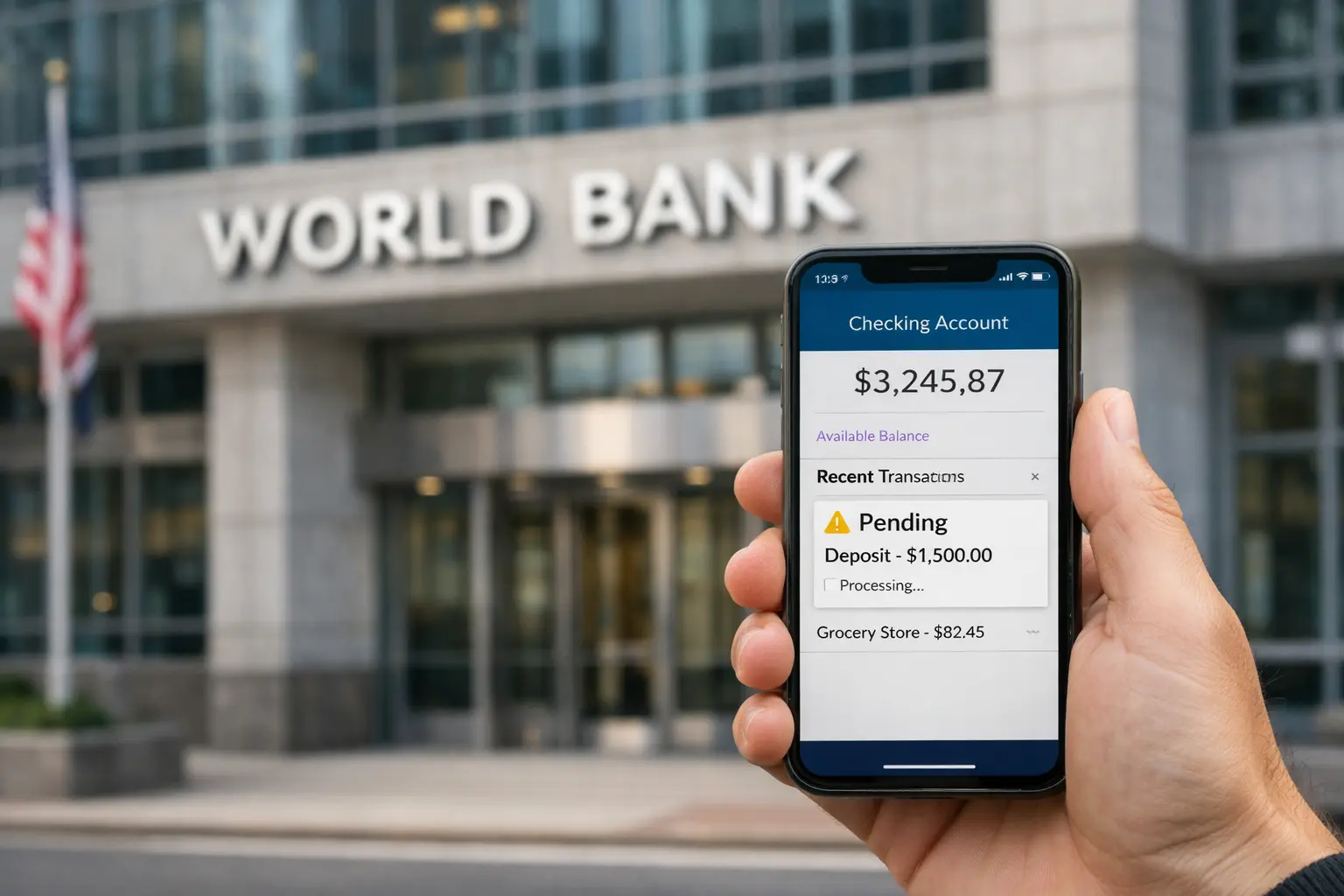
Even routine habits like how Americans check bank accounts now reflect quiet concern rather than confidence.
When Financial Discipline Stops Feeling Reassuring
Budgeting used to offer clarity. Today, it often feels like restraint without relief. People track expenses carefully, set aside savings, and still feel uncertain about what those efforts are protecting them from.
Emergency funds, once a source of calm, now raise questions that don’t have simple answers, especially when thinking about an emergency fund in a world that feels less predictable.
Consistency no longer guarantees calm. Interest rates move, credit costs fluctuate, and familiar tools feel less reliable.
Changes in credit card APRs quietly reinforce the sense that stability can shift even when behavior stays responsible.
The Economy Changed Faster Than Expectations Did
Most people didn’t miss a memo; the landscape moved. Costs didn’t explode overnight — they crept upward quietly.
Insurance renewals, housing costs, and everyday services all became slightly heavier, year after year. Rising home insurance costs became part of daily life rather than a temporary shock.
What used to feel dependable now feels fragile. Stability became something that requires constant monitoring rather than something you arrive at and rest inside.
Broader economic patterns tracked by the Federal Reserve help explain why expectations lagged behind reality.
Why Financial Stress Now Feels Constant, Not Occasional
Money worries used to show up during emergencies. Now they linger quietly in the background. Even on good months, there’s a sense of being “almost okay,” a mental load that never fully lifts.
That uncertainty reshapes daily decisions, especially as people watch savings rates change without feeling more secure as a result.
Why This Pressure Hits Responsible People the Hardest
Those who followed the rules often feel this pressure most. They avoided excess, built credit slowly, chose caution over risk, and now feel confused about why “enough” no longer feels sufficient.
Many approached money carefully, learning what investing is before taking risk, expecting that responsibility would bring peace of mind rather than lingering doubt.
How Financial Security Became Harder to Feel — Even When It Exists
For many households, numbers have improved. Incomes rose, balances grew, and yet confidence shrank. Safety nets feel thinner, particularly when uncertainty around health insurance becomes a constant presence rather than an occasional concern.
Reassurance now matters more than income when stability feels conditional, even for people who gravitate toward traditionally steady paths like low-risk investments.
This Isn’t About Laziness, Spending, or Bad Choices
The dominant narrative still leans toward personal failure, but it no longer fits reality. This moment requires separating responsibility from systemic pressure. People didn’t suddenly forget how to manage money.
When banks change rates, discipline alone can’t restore the sense of safety people were promised.
What People Are Really Searching for Now
The search isn’t for optimization or perfect strategies. It’s for stability. Predictability matters more than squeezing every dollar. Peace of mind has become more valuable than performance.
That shift explains why many people now focus on retirement strategies that emphasize durability rather than aggressive growth.
Why Acknowledging This Matters More Than Fixing It Quickly
Before solutions come understanding. Being seen matters before being solved. Many people don’t need another framework; they need confirmation that their experience isn’t a personal failure.
Public data from the U.S. Census Bureau reinforces what people already feel about the widening gap between effort and security.
A Different Way to Think About Financial Progress
Progress today looks less like acceleration and more like resilience. It’s measured emotionally as much as financially. Maintaining balance, protecting against downside, and preserving mental space have become markers of success.
Redefining “working hard” means recognizing that stability now requires more vigilance than before, whether someone is navigating long-term decisions or simply trying to understand modern investing.
Working hard with money still matters.
It just no longer guarantees the peace it once did — and acknowledging that reality is the first step toward restoring trust in the process itself.
Author

-
The information on this site is for educational and general guidance only. It is not intended as financial, legal, or investment advice. Always consult a licensed professional for advice specific to your situation. We do not guarantee the accuracy, completeness, or suitability of any content. For complete details, please review our full disclaimer.