April 10, 2026 • 4:22 AM ET
The IRS confirmed in press release IR-2026-43 on April 2 that the average refund through March 20 is $3,571, up 10.9% from the same point last year. Over 98% of refunds have been issued by direct deposit.
The IRS refund average for the 2026 filing season has reached $3,571, a $350 increase over the same period last year, as the April 15 filing deadline approaches in five days.
The IRS released the updated data in IRS press release IR-2026-43 on April 2, showing the 2026 season is processing faster, returning more money, and pushing electronic payments to near-universal adoption.
The data covers the filing season through March 20. The IRS has issued more than 57 million individual refunds totaling over $202 billion, up 12.9% from the $179 billion issued at the same point during the 2025 season.
For taxpayers who have not yet filed, these numbers carry a specific message: the IRS refund system is working efficiently, and filing electronically with direct deposit remains the fastest path to receiving your money.
The Key Numbers From the IRS Filing Season Update
The IRS refund data released in IR-2026-43 provides a clear snapshot of how the 2026 season is performing. The average refund amount is $3,571, compared to $3,221 at the same point in 2025.
That is an increase of $350, or 10.9%. This increase reflects the first filing season in which taxpayers can claim deductions under the One Big Beautiful Bill Act, including no tax on tips, no tax on overtime pay, and the new Schedule 1-A.
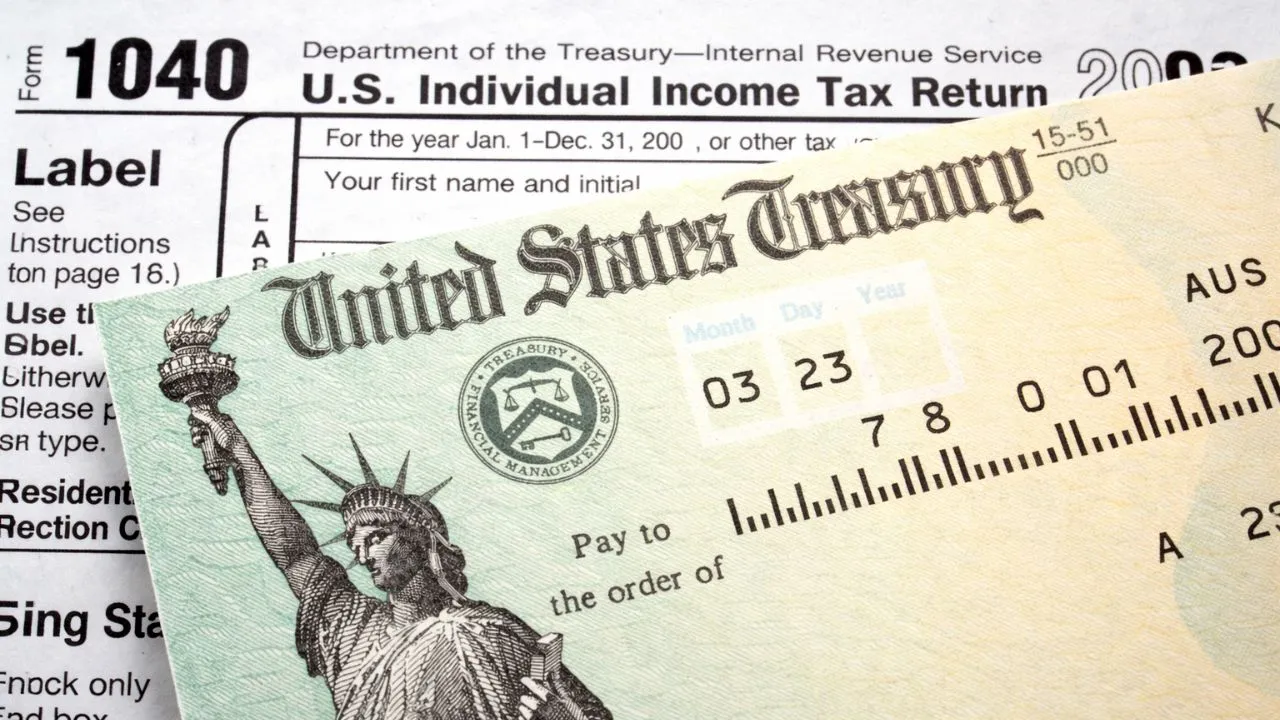

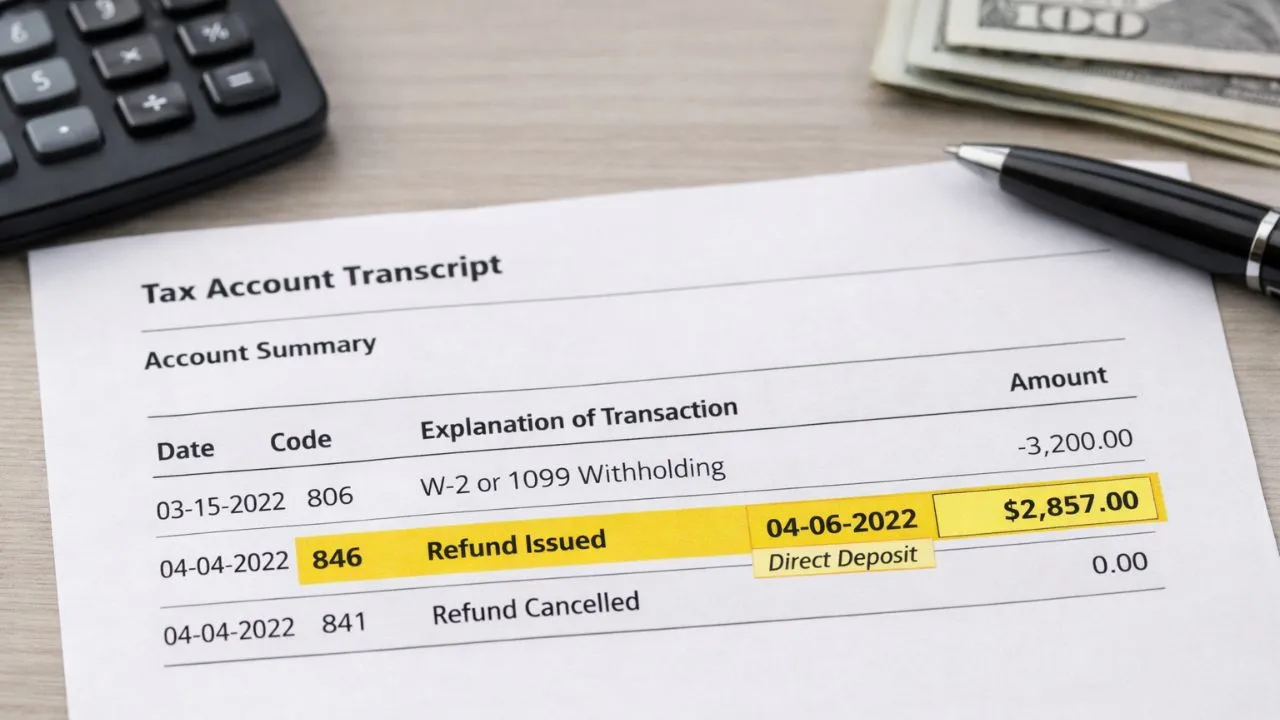
Over 80% of refunds have been issued in fewer than 21 calendar days, consistent with the IRS standard processing timeline for e-filed returns. The complete IRS refund processing pipeline, from return acceptance through Code 846 to bank deposit, is documented in the refund processing guide.
The most significant operational statistic in the release is the direct deposit rate: over 98% of all IRS refunds have been issued electronically. This is the highest electronic payment rate in IRS history and reflects the implementation of Executive Order 14247.
Which began phasing out paper refund checks on September 30, 2025. Only about 1% of taxpayers received a CP53E notice informing them that their banking information was missing or invalid. The paper check transition and what it means for taxpayers is covered in the paper check guide.
IRS CEO Frank J. Bisignano stated in the release that tens of millions of Americans are receiving their refunds deposited directly in their bank accounts with returns processed promptly.
What This Means for Taxpayers Who Have Not Yet Filed
With five days until the April 15 deadline, the IRS data confirms that the system is processing returns efficiently. Taxpayers who file electronically with direct deposit by April 15 can realistically expect their IRS refund within 21 days of acceptance. At the current average of $3,571, that refund represents meaningful money for most American households.
The 2026 filing season is the first to incorporate several new tax provisions. The no tax on tips deduction allows qualifying service workers to deduct tip income using the new Schedule 1-A.
The no tax on overtime provision allows qualifying workers to deduct overtime pay. These provisions may contribute to the higher average refund amount compared to 2025.
Taxpayers who need more time to file can submit IRS Form 4868 for an automatic six-month extension to October 15. The extension gives additional time to file but does not extend the deadline to pay any taxes owed. Interest and penalties accrue on unpaid balances after April 15 regardless of whether an extension has been filed.
For taxpayers with unclaimed 2022 refunds, April 15 is also the absolute deadline to file a 2022 return and claim that money. The IRS reported approximately $1.2 billion in unclaimed 2022 refunds affecting 1.3 million taxpayers. After April 15, those refunds become the permanent property of the U.S. Treasury. The complete deadline details and state-by-state data are in the refund deadline guide.
How Federal Payments Move From the IRS to Your Bank Account
The IRS refund does not travel directly from the IRS to your bank. It passes through the Bureau of the Fiscal Service at the U.S. Treasury, which submits the payment to the FedACH network for settlement.
Your bank receives the ACH credit and posts it to your account according to its internal schedule. This process typically takes one to three business days after the IRS posts Code 846 to your transcript.
The complete architecture of how federal money moves from agency authorization through Treasury disbursement to bank posting is documented in the money movement guide. Understanding this pipeline explains why a refund can show as sent by the IRS while your bank balance still shows zero.
What You Should Do Now
The April 15 IRS refund deadline is five days away. Here is what to do based on your situation.
IRS Average Refund With 5 Days Until April 15 Deadline
- Step 1: If you have not filed your 2025 return, file electronically with direct deposit before April 15 to receive your IRS refund within the standard 21-day window.
- Step 2: If you need more time, file Form 4868 before April 15 for an automatic extension. Pay any estimated taxes owed to avoid penalties.
- Step 3: If you have an unclaimed 2022 refund, file that return before April 15. After that date, the money is permanently lost.
- Step 4: Track your IRS refund at IRS refund tracker using your SSN, filing status, and exact refund amount. Status updates once every 24 hours.
- Step 5: For the most up-to-date IRS filing season information, visit the IRS filing guidance.
Editorial Note: Investozora is an independent news publication. This content is for informational purposes only. For official guidance, please visit the relevant .gov website.