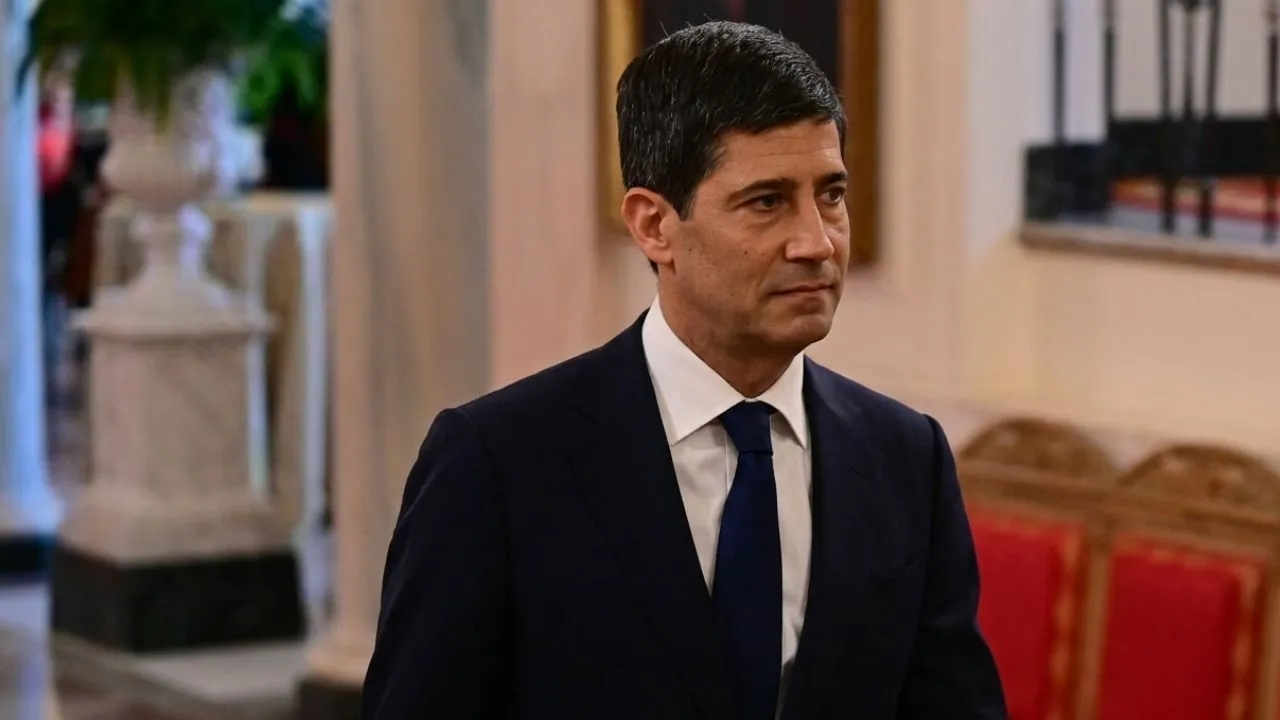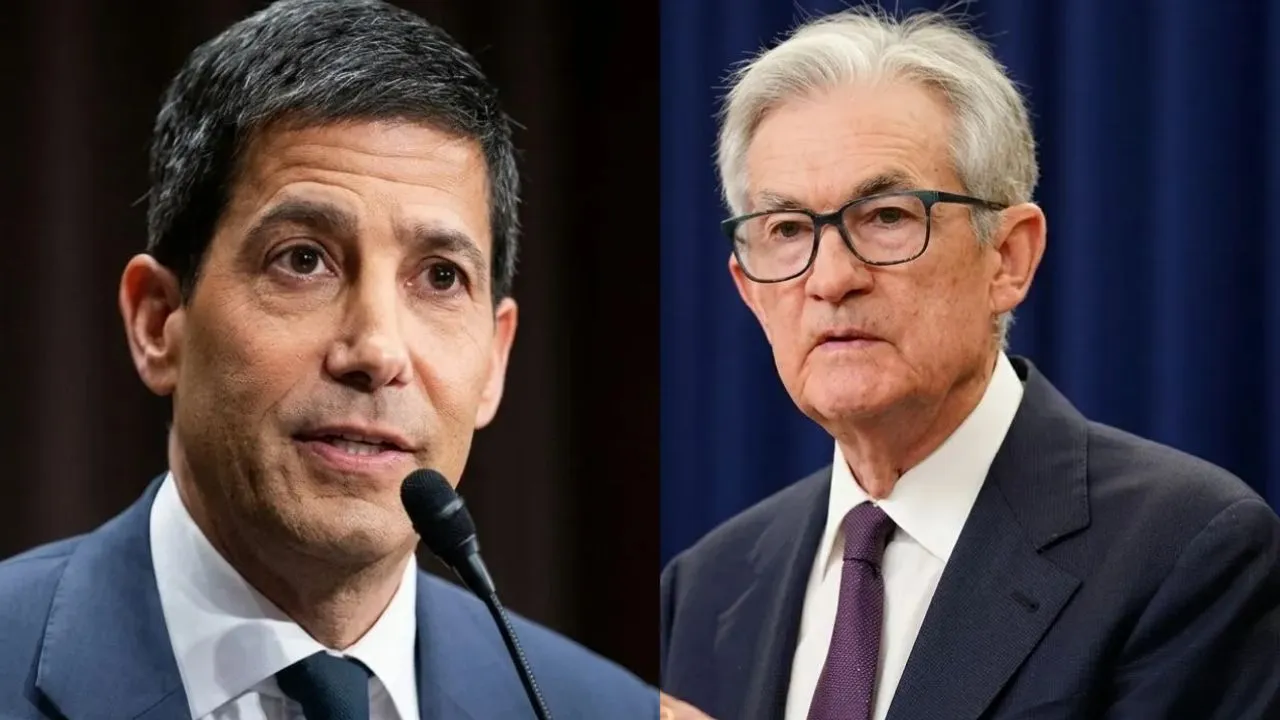

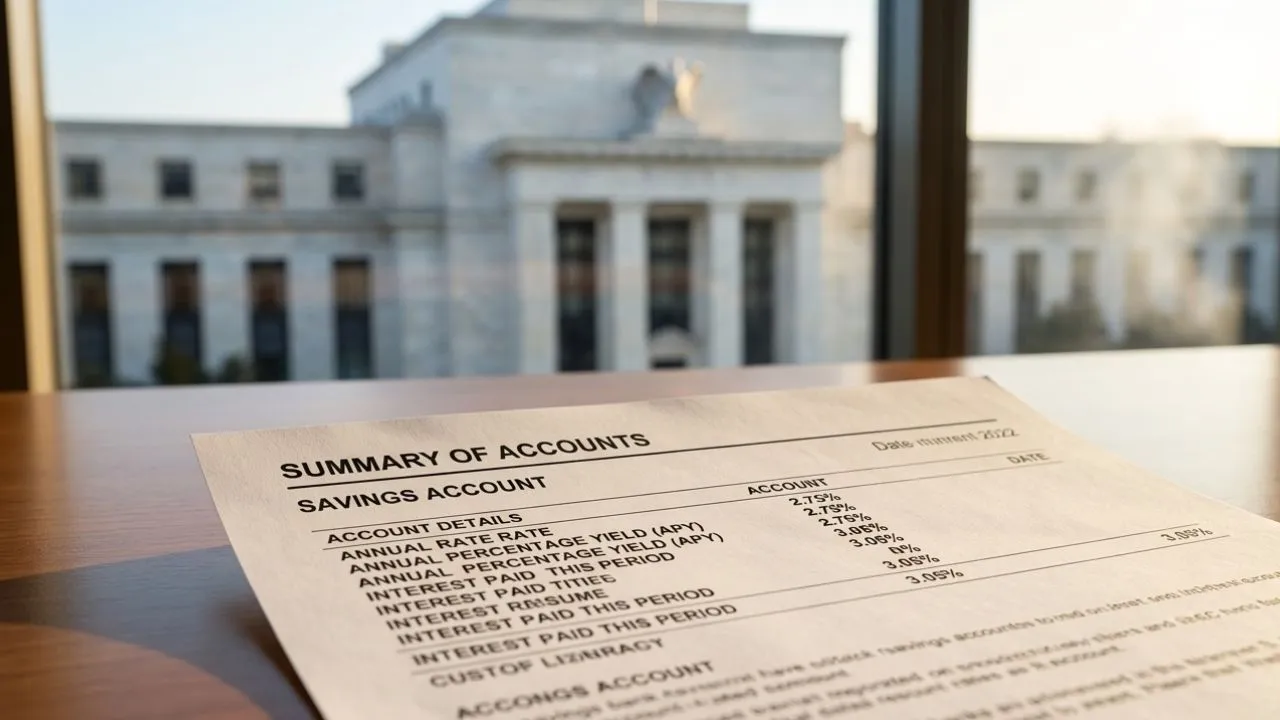
Every American with money in a savings account, a CD, or a money market fund is about to learn something that most financial headlines have missed entirely. The debate about Kevin Warsh becoming Federal Reserve Chair has focused almost entirely on Wall Street.
The real story is on Main Street, specifically in the $6.5 trillion sitting in U.S. deposit accounts earning interest that the Fed’s rate decisions directly control. Warsh savings rates is the question millions of savers have not yet thought to ask. They should be asking it now.
What Warsh’s Policy History Actually Shows
Kevin Warsh served on the Federal Reserve Board of Governors from 2006 to 2011. His voting record and public statements during that period establish a consistent pattern: he leaned toward tighter policy sooner, was skeptical of prolonged low-rate environments, and repeatedly argued that the Fed risked credibility by holding rates too low for too long after economic conditions had stabilized.
Federal Reserve Policy
The Fed’s Secret Notes Drop May 20 — What Could Move Markets
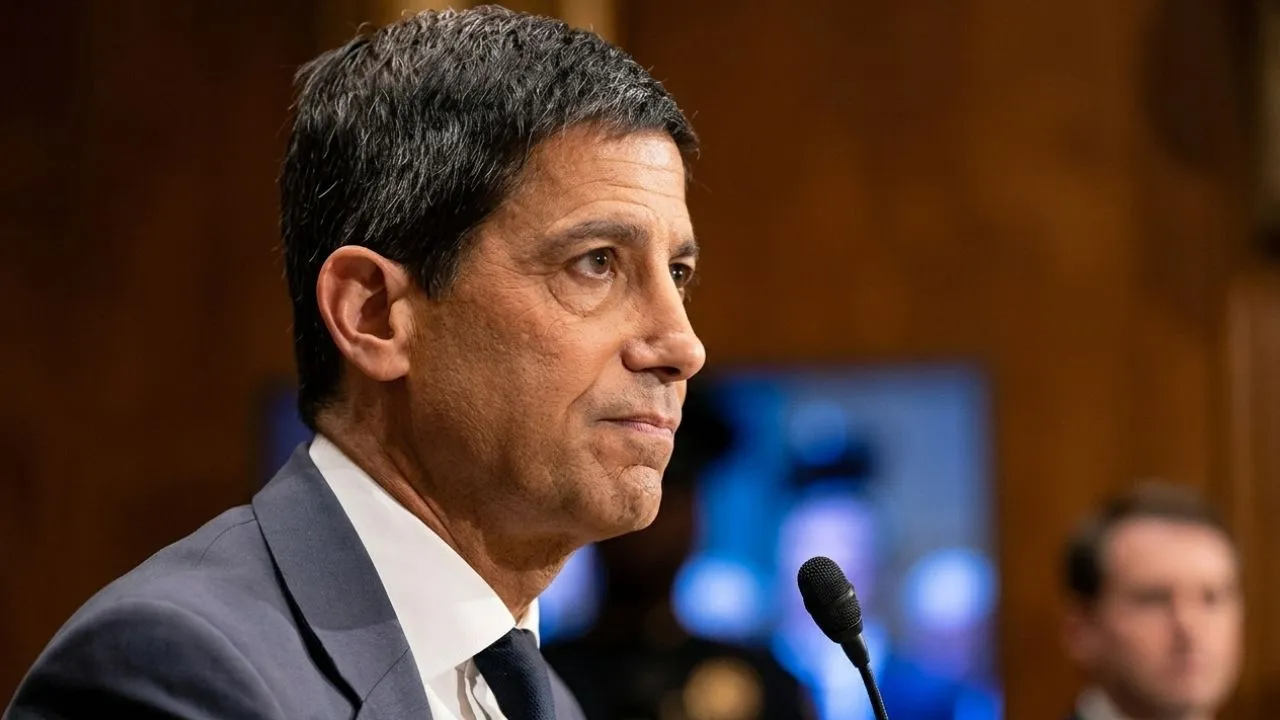
Kevin Warsh Is One Vote Away — What Changes for Your Rates
That record has two possible implications for today’s savers. The first is that a Warsh-led Fed might move to cut rates more cautiously than markets currently expect, keeping CD and savings yields elevated for longer than a continuation of current policy would.
The second is that if inflation proves sticky through summer 2026, Warsh may hold rates longer than his predecessor would have, a scenario that benefits savers directly.
The Warsh rate policy analysis published here covers his documented positions in detail. The Warsh confirmation timeline piece tracks his path to the Senate floor vote.
What This Means for Your CD or Savings Account Right Now
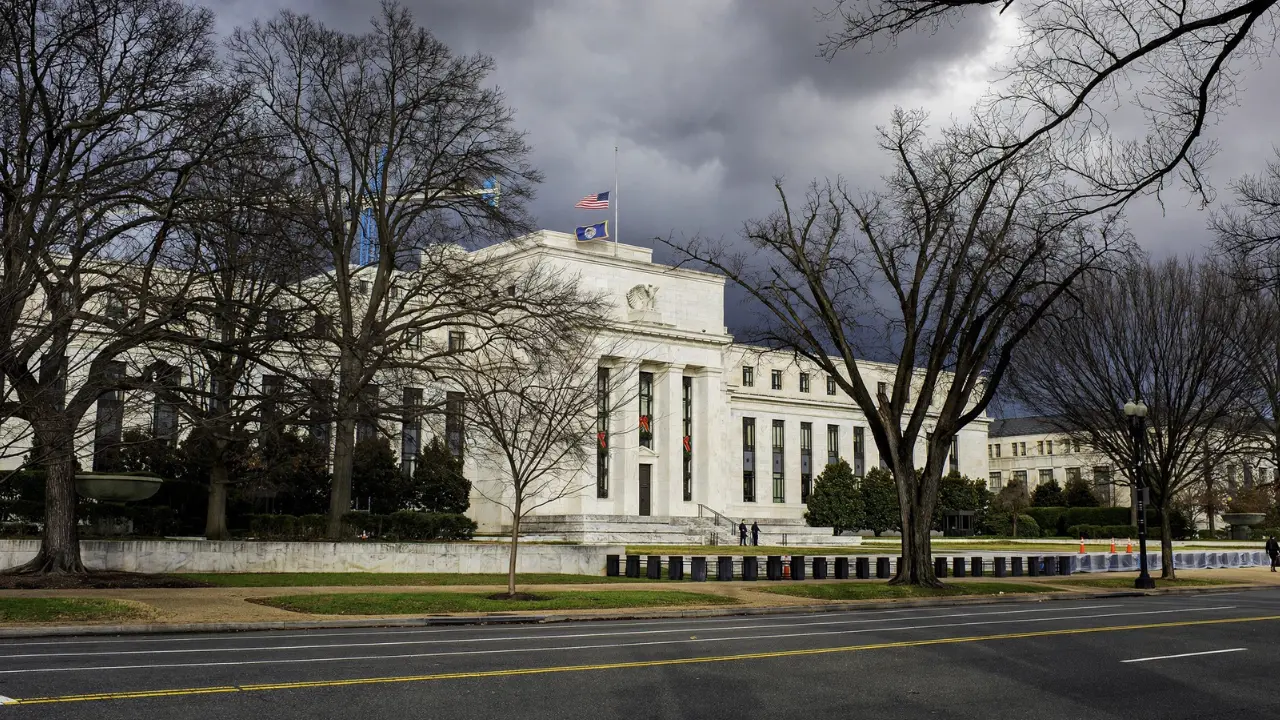
The Federal Reserve sets the federal funds target rate. Banks use that rate as the floor for what they pay on deposit accounts. When the Fed holds, banks hold. When the Fed cuts, banks cut, typically within 30 to 90 days of the announcement.
The Bureau of the Fiscal Service at the U.S. Treasury and the Federal Reserve’s own operational frameworks ensure the transmission from policy rate to consumer deposit rates moves faster today than it did a decade ago.
Under current rate conditions, a $50,000 CD at 4.50 percent annual percentage yield earns $2,250 per year. If Warsh holds rates through 2026 and cuts only once by 0.25 percent in early 2027, that same $50,000 earns approximately $2,125 per year after the adjustment.
The difference is meaningful but not catastrophic. What would be catastrophic for savers is a rapid cut cycle driven by political pressure, something Warsh has historically resisted.
The savings rate watch piece covers specific timing windows for CD renewals based on the current rate environment. The broader context of how Fed decisions move through the money movement system to your actual bank account is the essential reference for understanding the pipeline.
The June 16 decision is now Warsh’s first real test as chair, with PPI at 6.0% annually arguing directly against the rate cuts markets hoped for. The June 16 rate hike consumer impact covers exact dollar changes for mortgages and savings.
The how the Fed controls rates guide explains the full transmission mechanism from FOMC vote to your bank account. The June 16 savings and CD strategy gives account-by-account steps for every scenario Warsh produces on June 16.
The Scenario Most Savers Are Not Preparing For
There is a scenario that benefits savers materially and almost nobody is discussing it. If Warsh inherits a Federal Reserve facing renewed inflation pressure from the Iran-driven energy shock and holds rates at 4.25 to 4.50 percent through the end of 2026, current CD rates available today become the best rates available for the next 18 months. A saver who locks a 12-month CD at today’s rates in May 2026 could be looking back on that decision as one of the best financial moves of the year.
The inverse is also true. If Warsh reads the April jobs data, the 115,000 figure reported by the Bureau of Labor Statistics for April 2026, as evidence of a cooling labor market and moves to cut in September, the window to lock current rates closes faster than most savers are planning for.
Per the official FOMC meeting schedule, the remaining 2026 FOMC meetings fall on June 17 to 18, July 29 to 30, September 15 to 16, October 28 to 29, and December 9 to 10. Each of those dates is a potential cut window under a Warsh-led committee.
What You Should Do Now
- If you have CDs maturing in the next 60 days, review today’s available rates before the Senate vote on Warsh concludes. The rate environment may shift on confirmation news alone.
- For high-yield savings accounts, check whether your bank’s rate is tied to a prime rate index. Those accounts will reprice faster after a cut than fixed-term CDs.
- Review the FOMC May decision piece for the baseline rate environment Warsh is inheriting.
- Check the FDIC’s weekly national deposit rate survey at fdic.gov for the most current average CD and savings rates by term.