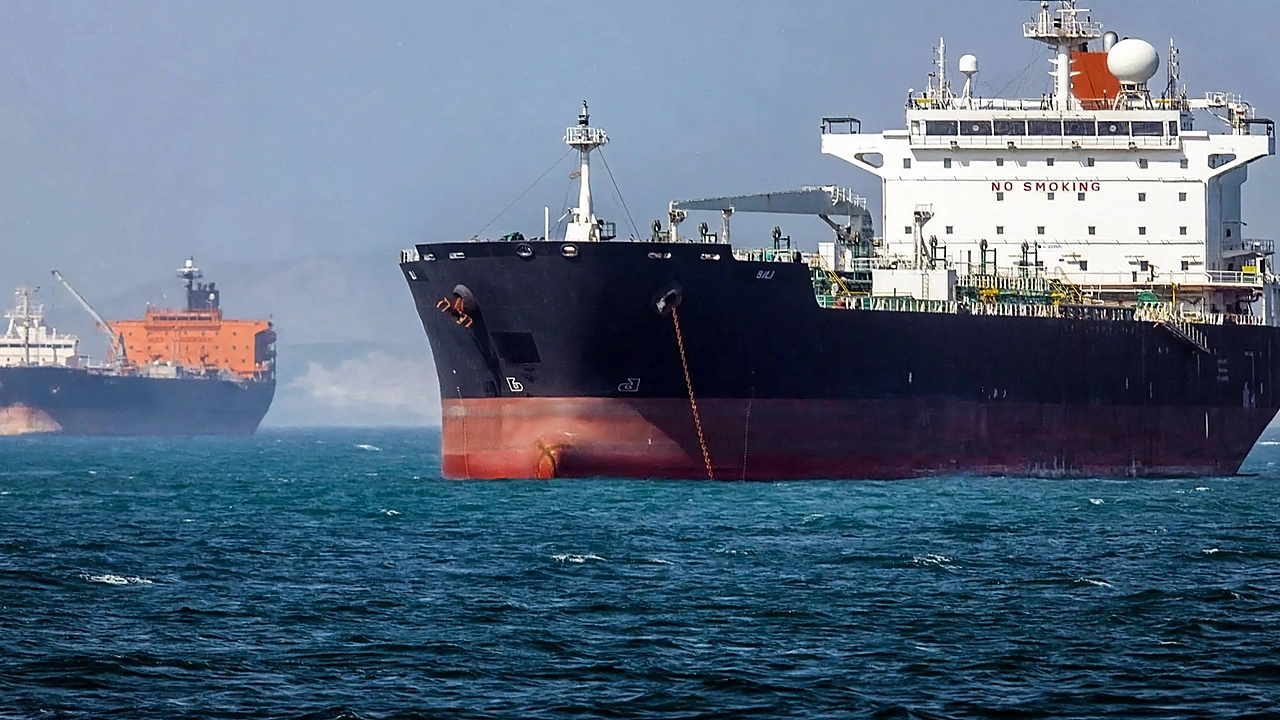

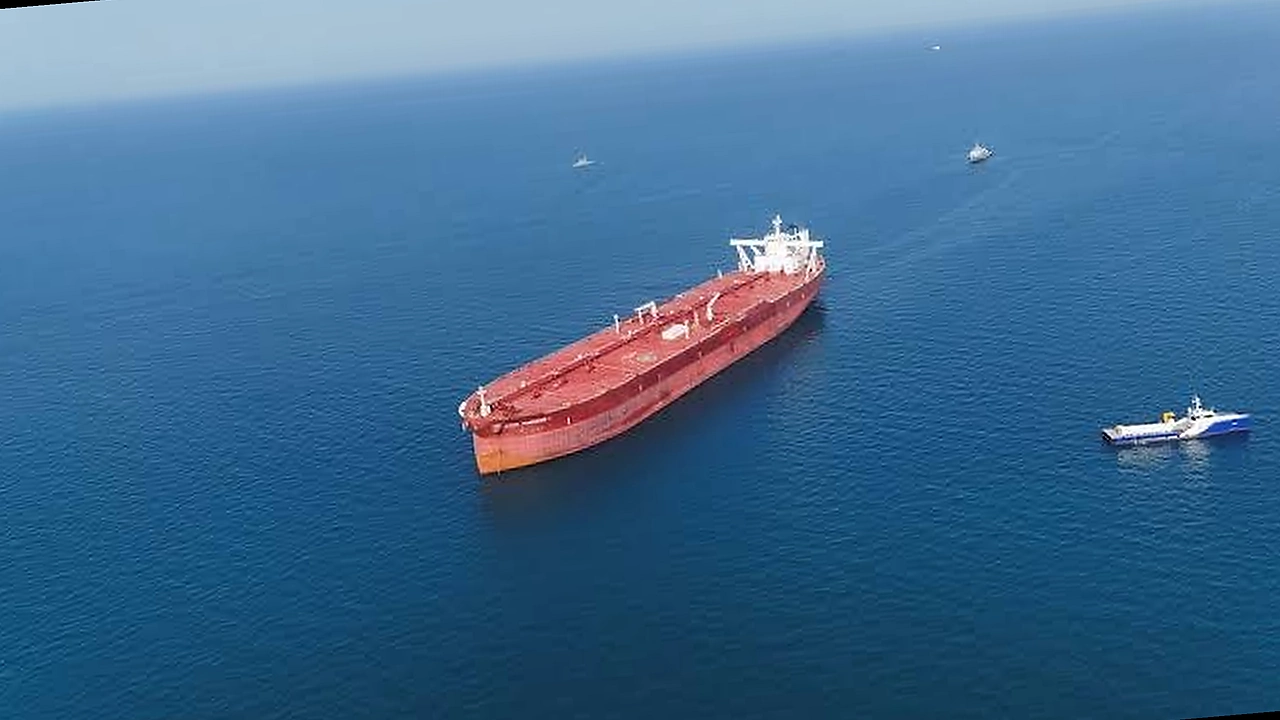
Oil prices held near two-week lows Wednesday, September 23, after a steep multi-session retreat as traders assessed improving Gulf supply conditions against continuing geopolitical risks and tight refined-product markets.
November Brent crude futures traded at $99.62 a barrel at 09:58 GMT, or 5:58 a.m. ET, up 37 cents, or 0.37%, from Tuesday’s $99.25 settlement. U.S. West Texas Intermediate futures were $90.08 a barrel, down 44 cents, or 0.49%.
Brent had fallen to $97.36 on Tuesday, its lowest level since September 8, while WTI touched its lowest level since September 1 early Wednesday. The U.S. benchmark trades through CME Group’s WTI crude oil futures market.
The latest move extends a sharp reversal from the higher oil prices seen earlier in September. Investozora previously reported how oil fell below $102 as Saudi exports recovered and Iran diplomacy hopes increased. Wednesday’s trading shows that the market is still reassessing how much geopolitical supply risk should remain priced into crude after the recent disruptions.
Saudi Arabia’s East-West Pipeline is central to that question. The Saudi Ministry of Energy’s September 11 statement confirmed that the pipeline had been shut as a precaution after attacks in the Riyadh and Madinah regions.
Saudi Aramco describes the East-West Pipeline network as infrastructure linking oil facilities in the kingdom’s Eastern Province with Yanbu on the Red Sea, allowing Saudi crude to reach export markets from both coasts.
Reuters reported this week that pumping had restarted at a reduced rate, but the Saudi government had not, at the latest verified observation, published a new statement confirming that full operating capacity had been restored after the September attack. That distinction matters because the pipeline can provide an alternative export route when shipping through the Strait of Hormuz is disrupted.
Investozora has been tracking that physical supply problem separately. Earlier coverage showed how physical crude cargoes climbed above $130 during Saudi supply disruptions, while its report on the Strait of Hormuz restrictions and U.S.-Iran tensions explains why the shipping route remains important even as benchmark crude prices retreat.
Diplomacy is another part of the market backdrop, but no final U.S.-Iran settlement has been announced. President Donald Trump addressed Iran and wider Middle East security during his September 22 appearance at the United Nations, documented in the White House’s official record of his UN remarks.
Oil traders are therefore assessing diplomatic developments alongside actual changes in shipping and supply rather than treating talks themselves as proof that regional oil flows have normalized.
The next major U.S. oil-market input is the Energy Information Administration’s Weekly Petroleum Status Report. EIA schedules its main weekly petroleum tables for release after 10:30 a.m. ET on Wednesdays, according to its official release schedule.
The September 23 report will provide fresh government data on U.S. crude inventories, refinery activity, imports and petroleum-product stocks giving traders another verified measure of whether physical supply conditions are becoming looser or tighter.