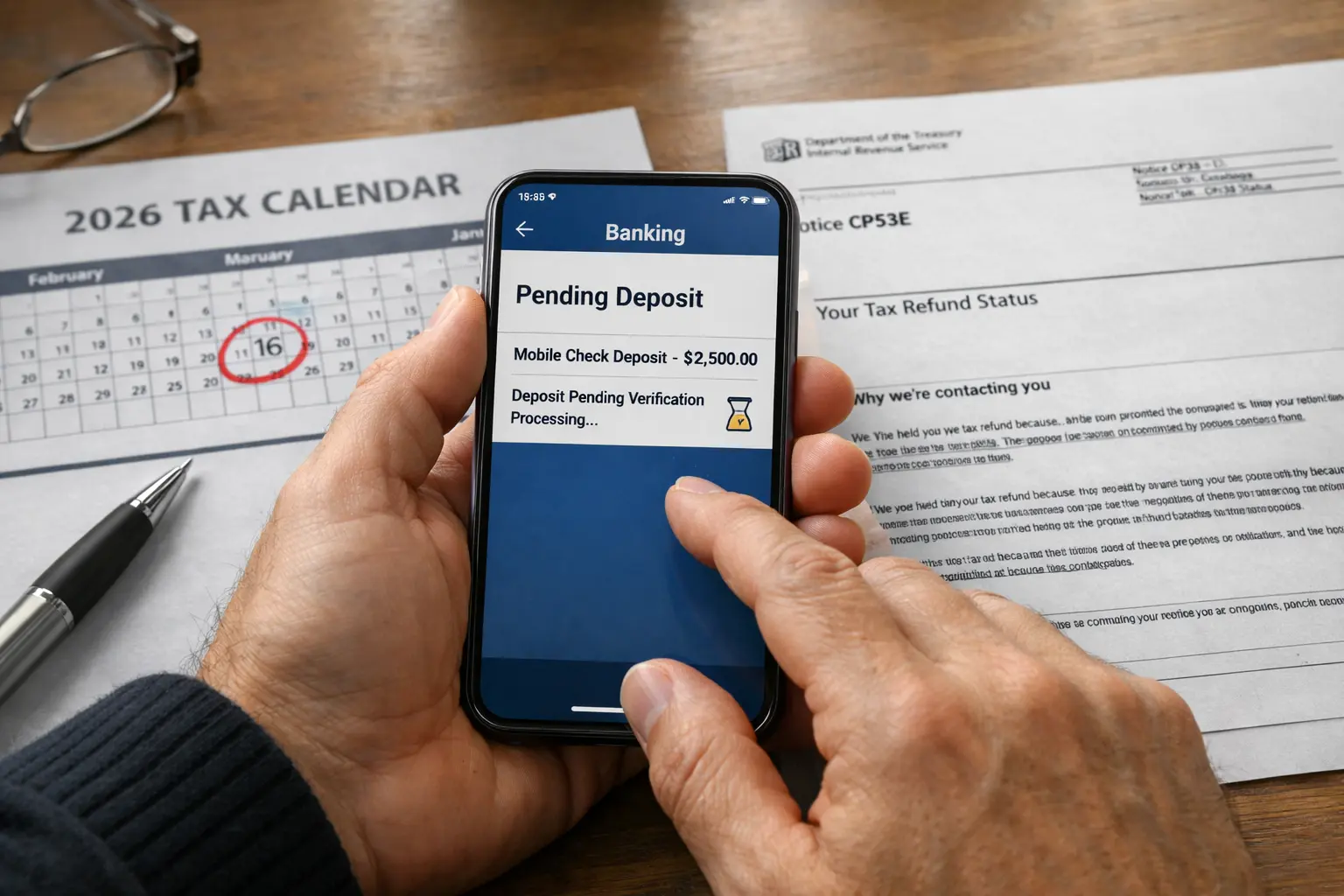
At 7:16 AM, the balance still looks unchanged. The transfer was sent yesterday afternoon. The confirmation email arrived at 4:01 PM ET.
That single minute now feels like it cost you an entire day. Nothing actually failed. Nothing stalled. Yet the screen suggests delay. The friction is structural, not personal. The ACH cutoff did not erase the transfer. It shifted its place inside a defined clearing sequence. Most payments do not move continuously. They move when a window opens.
What the 4:00 PM Window Really Controls
The 4:00 PM ET deadline at many institutions governs eligibility for a same-day ACH processing cycle. It does not determine whether funds exist; it determines which operator window accepts the file.
If submission occurs at 4:01 PM ET, the transaction typically rolls into the next available ACH batch. Same-day ACH timing includes defined operator processing windows, including an afternoon settlement cycle. Missing that window repositions the file into the next standard processing designation.
The Federal Reserve’s FedACH schedule outlines these operator cycles and cutoff structures in detail. The system did not reject the payment; it reassigned it. Understanding that reassignment requires stepping back to the broader U.S. money movement framework that coordinates clearing operators, reserve accounts, and institutional ledgers.
Clearing Queue Hierarchy After 4:00 PM
ACH does not operate as a single stream. It functions as layered queue tiers tied to settlement windows. When a file misses a same-day submission deadline, it enters the next queue aligned with next-business-day settlement. That queue feeds into the National Settlement Service, which calculates multilateral net positions among participating banks.
Settlement occurs when reserve balances adjust on Federal Reserve books. That adjustment creates the legal movement of funds between institutions. Reserve movement precedes retail visibility. Missing the 4:00 PM window therefore changes queue hierarchy. It does not change settlement certainty. It changes timing alignment.
The 8:30 AM Processing Detail Most People Never See
Here is the operational nuance that often goes unnoticed. Standard ACH settlement files typically finalize in early morning processing cycles. One of the key Federal Reserve processing points occurs around 8:30 AM ET for next-business-day settlement flows.
If a file misses the 4:00 PM same-day cutoff, it may settle within that next standard morning processing window. Reserve balances adjust first; retail systems react afterward. This sequence explains why a transfer sent at 4:01 PM ET frequently appears during the settlement window timing between 8:00 and 9:00 AM ET.
The deposit did not wait idle. It moved inside the next designated operator cycle. The deposit did not miss the system; it missed a window.
Ledger-Day Rollover and Exposure Positioning
Commercial banks close internal customer ledgers before midnight local time. After ledger close, institutions reconcile expected inflows against projected reserve positions.
When an ACH file enters after the same-day cutoff, it becomes part of the next ledger-day projection model. Treasury desks compare projected ACH net credits against anticipated outflows. ACH liquidity timing is critical here, as the Fedwire Funds Service reopens at 9:00 PM ET each business day, allowing overnight reserve adjustments to occur before morning liquidity decisions begin.
Banks do not post credits purely because settlement occurred. They confirm that reserve balances align with outgoing obligations and internal exposure caps. This dynamic connects directly to why a direct deposit pending status appears before final release.
The 8:00–9:00 AM Retail Posting Window
Customers often observe deposits during the deposit timing after 8am window. That timeframe reflects ledger synchronization, not randomness. Overnight, ACH settlement completes at the reserve level. At opening, banks reconcile those balances against internal systems. Only after reconciliation do they release credits to retail ledgers.
A 4:01 PM submission therefore shifts the visible credit into the next morning’s release window. The extra day feels personal. Structurally, it is procedural. The system preserves order before it provides visibility.
Intraday Liquidity Buffering
Liquidity managers maintain capital buffers against projected debit exposure. If a same-day ACH window closes, institutions lose the ability to incorporate that file into the current day’s exposure model. The file integrates into the next day’s liquidity forecast instead.
That forecasting influences early posting risk policies. Banks cap early exposure to protect against reconciliation discrepancies. From the outside, that feels like delay. Inside the system, it represents disciplined sequencing until a true liquidity balance is confirmed.
When the Deposit Actually Moves
If the transfer missed the 4:00 PM ET cutoff, it generally settles in the next ACH batch. Reserve balances adjust during the following standard processing cycle, often in early morning hours. Retail posting typically follows between 8:00 and 9:00 AM ET after verification completes.
At 7:16 AM, the screen may still appear unchanged. By 8:24 AM, the ledger often reflects the credit. One minute shifted the window. The structure kept moving.
Author