The Human Rhythm Behind Automatic Withdrawals
Most Americans do not run out of money suddenly. Instead, their balances thin quietly over a few days when several automatic payments hit at once. Nothing unusual appears to be happening. Bills are paid. Accounts remain technically positive. Yet cash feels tight in a way that seems faster and sharper than expected.
Many households organize financial life around predictability. Rent, utilities, insurance, subscriptions, and loan payments are placed on autopay to reduce stress. Over time, those payments tend to gravitate toward similar calendar days.
What looks like convenience slowly becomes concentration. Instead of money leaving accounts evenly across the month, large portions of outflow compress into narrow windows.
Psychologically, this creates what behavioral researchers describe as decision fatigue interest rate sensitivity. People automate to reduce mental load, but that same automation removes the natural spacing that once occurred when bills were paid manually. The result is not overspending; it is timing compression.
How Money Actually Moves Before Autopay Clears
Autopay feels instantaneous, but the underlying financial system operates in layers. Withdrawals post quickly, while incoming funds move through clearing processes that can delay full availability.
This dynamic becomes clearer when viewed through the broader money movement infrastructure that governs U.S. banking. Payroll deposits, government payments, and interbank transfers travel through batch settlement networks that prioritize system stability over real-time consumer liquidity.
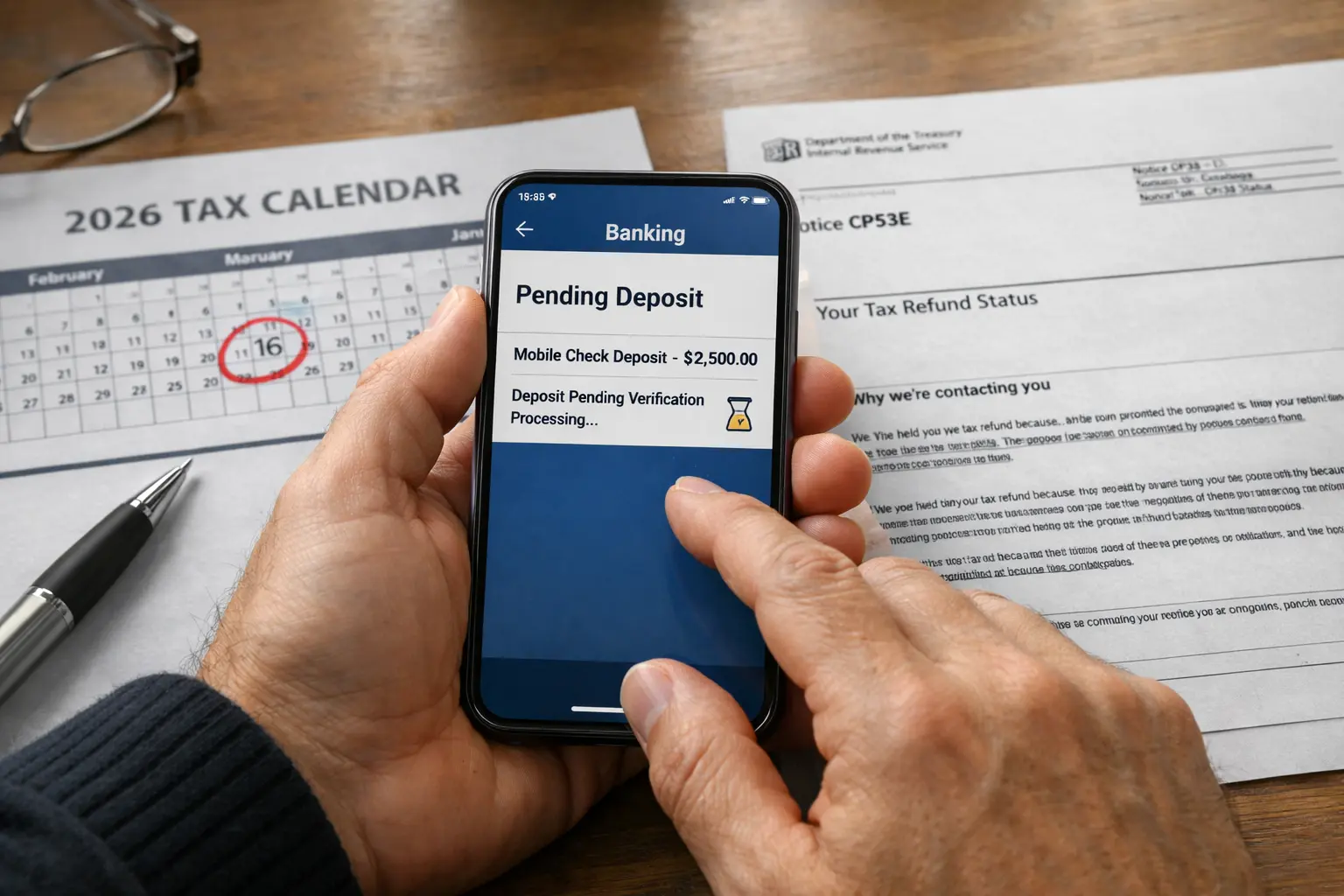
When autopay withdrawals trigger, they often draw against the available balance immediately. Meanwhile, deposits marked as pending may not fully settle for hours or days.
Timing Compression Inside Settlement Windows
Mid-month pressure intensifies because many payroll cycles and benefit distributions cluster on similar schedules. At the same time, autopay systems pull funds according to pre-set billing calendars that rarely adjust for settlement delays.
The technical layer behind this flow is governed by liquidity timing rules across ACH networks and real-time gross settlement systems. Households frequently see deposits labeled as pending while autopay withdrawals already post.
This phenomenon becomes especially visible when pending deposits remain unavailable during heavy autopay days. The compression is not caused by insufficient income, but by mismatched timing layers inside financial plumbing.
Why Institutions Cluster Billing Cycles
From an institutional perspective, clustered billing is efficient. Processing millions of payments on standardized dates reduces operational complexity, fraud exposure, and reconciliation costs.
Utilities, lenders, and insurers optimize around predictable settlement windows. These align with treasury operations and risk management policies built into the broader treasury system that governs large-scale payment flows. The design goal is not household liquidity smoothing; it is institutional processing stability. Institutions further protect themselves by prioritizing withdrawal certainty over deposit acceleration.
How Structural Pressure Feels Like Personal Failure
When autopay compression hits, households often interpret tight balances as budgeting mistakes. Emotionally, it registers as financial stress rather than system timing. Over repeated cycles, this contributes to what many experience as financial exhaustion stability issues—the feeling that money disappears faster than it should despite stable income.
In reality, compressed outflows combined with delayed liquidity access create temporary cash scarcity. This rhythm trains people to feel perpetually behind even when long-term cash flow is stable.
Liquidity Buffers and the Illusion of Available Balance
Some households naturally develop buffer strategies to absorb these shocks. Maintaining higher average balances functions as a liquidity moat, absorbing timing mismatches between withdrawals and deposit settlement.
Others rely on overdraft coverage, effectively paying fees to bridge system friction. Understanding true availability—not just posted balances—becomes critical, especially when true liquidity differs from what apps display during pending periods.
Why Holidays and Low-Volume Periods Amplify Compression
Timing pressure intensifies around federal holidays and weekends when settlement networks pause or slow. During holiday liquidity windows, deposits often remain unsettled longer while autopay schedules proceed unchanged.
Banks implement bank pauses to manage risk, further delaying availability. Even broader market behavior reflects similar timing distortions. lower trading activity around closures produces market drift, while everyday consumers experience slower posting during weekend banking cycles.
The Bottom Line: Timing Is the Real Pressure
Autopay compression is not a budgeting flaw. It is the predictable result of clustered withdrawals colliding with layered settlement mechanics inside U.S. payment systems.
Money does not simply arrive; it clears. Liquidity is not emotional; it is timing. Understanding how deposits move through clearing networks and how settlement windows shape availability reconnects households to the structural reality beneath everyday banking.
The broader money movement framework explains why mid-month cash tightness repeatedly appears—and why it resolves just as quietly later. For more information on consumer payment protections, you can visit the Consumer Financial Protection Bureau.
Author