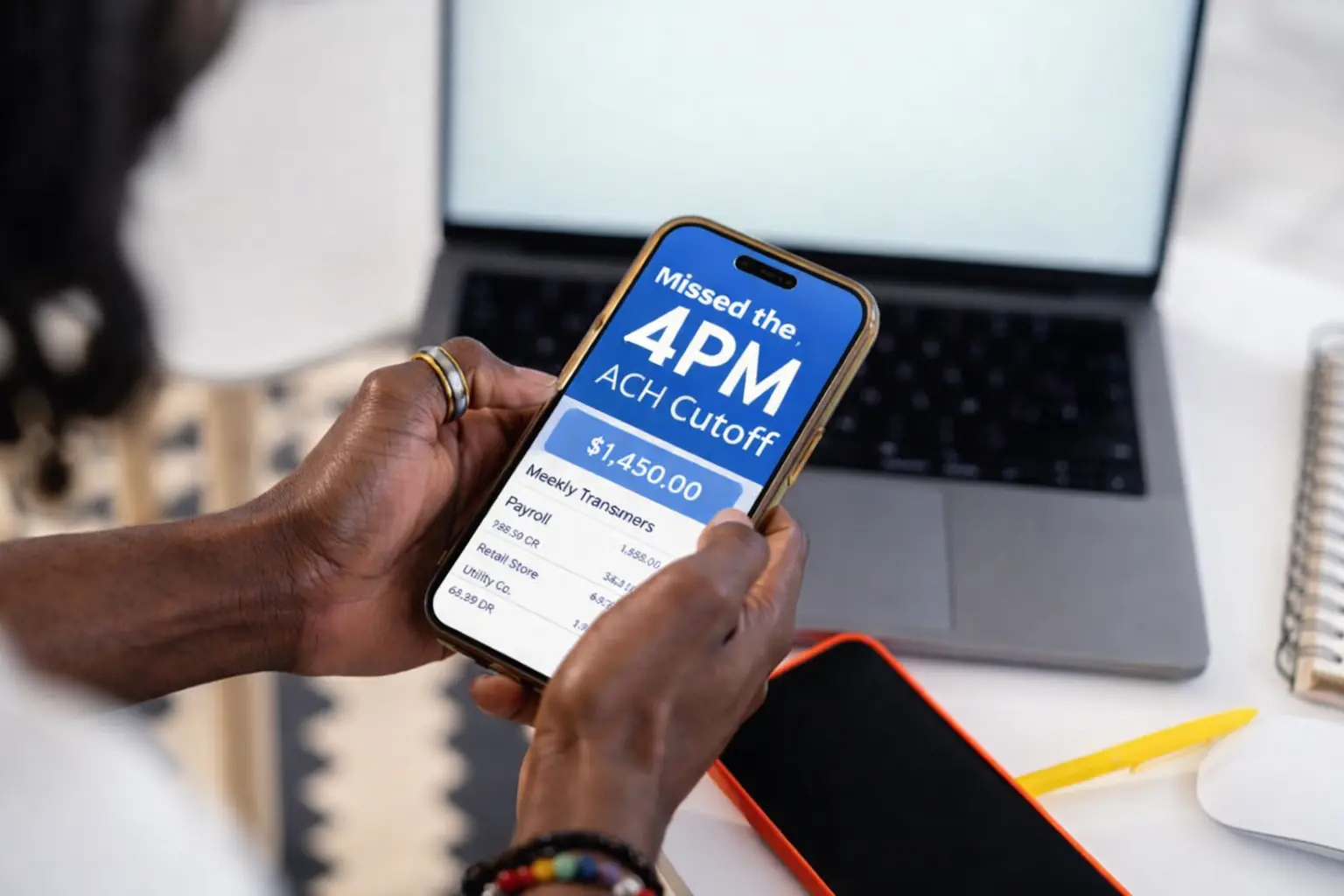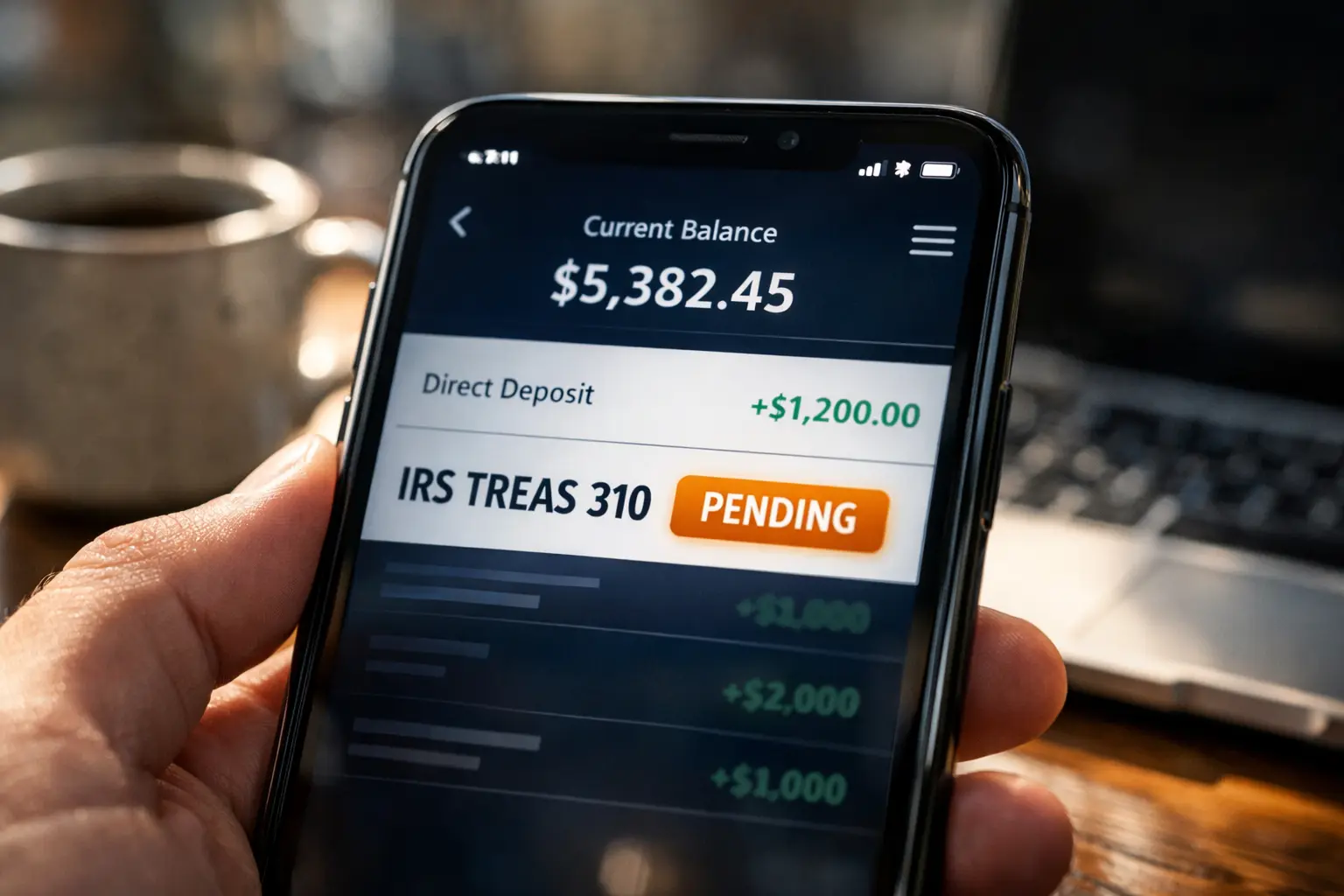
At 7:42 AM, the kitchen is quiet. Coffee is still steaming. Your coworker texts that their paycheck arrived at 6:02. You open your banking app. The balance hasn’t moved.
This is not a payroll error. It is bank posting timing.
What feels unequal is usually structural sequencing inside the U.S. financial system. Deposits do not appear when employers press send. They appear when a receiving bank completes liquidity verification and posts funds to the customer ledger. The difference between 6:02 AM and 8:41 AM reflects internal reserve positioning, not preference.
Payroll Transmission Enters the Clearing Queue
Most payroll files move through the Automated Clearing House network late in the evening before payday. Originating banks transmit those files during scheduled ACH windows. The Federal Reserve’s ACH operator sorts entries by settlement date and delivers them to receiving institutions overnight.
The settlement date is binding. Visibility is not.
Receiving banks receive the file hours before customers see funds. That file enters a reconciliation queue inside the payroll clearing pipeline. Each entry must align with reserve balances, exposure thresholds, and ledger controls before posting occurs.
The broader mechanics sit inside the national payment architecture. Settlement confirms funds between institutions. Posting reflects a bank’s controlled exposure decision a decision that rarely happens instantly.
The 8:00–9:00 AM Reserve Verification Window
Most U.S. retail banks finalize morning ledger posting between 8:00 and 9:00 AM local processing time. This window aligns with early-morning reserve verification.
Before releasing deposits, banks reconcile their Federal Reserve master account balances. They confirm that incoming ACH credits match expected settlement totals. Internal treasury desks evaluate intraday liquidity projections at the same time. If reserve balances appear tight, posting pauses briefly.
The Federal Reserve publishes ACH processing schedules and delivery timing through FRB Services. Those schedules show when batches settle. They do not dictate when banks must expose funds to customers. Posting remains an institutional risk judgment.
Exposure Caps During Provisional Posting
Some banks release payroll credits before full ledger-day rollover completes. Others wait until reconciliation closes. The difference reflects exposure caps and early release exposure limits.
Early posting creates provisional credit risk. If upstream adjustments occur, a bank carries temporary balance-sheet exposure. Institutions with larger liquidity buffers may tolerate earlier posting windows. Smaller institutions often wait for confirmation cycles to close.
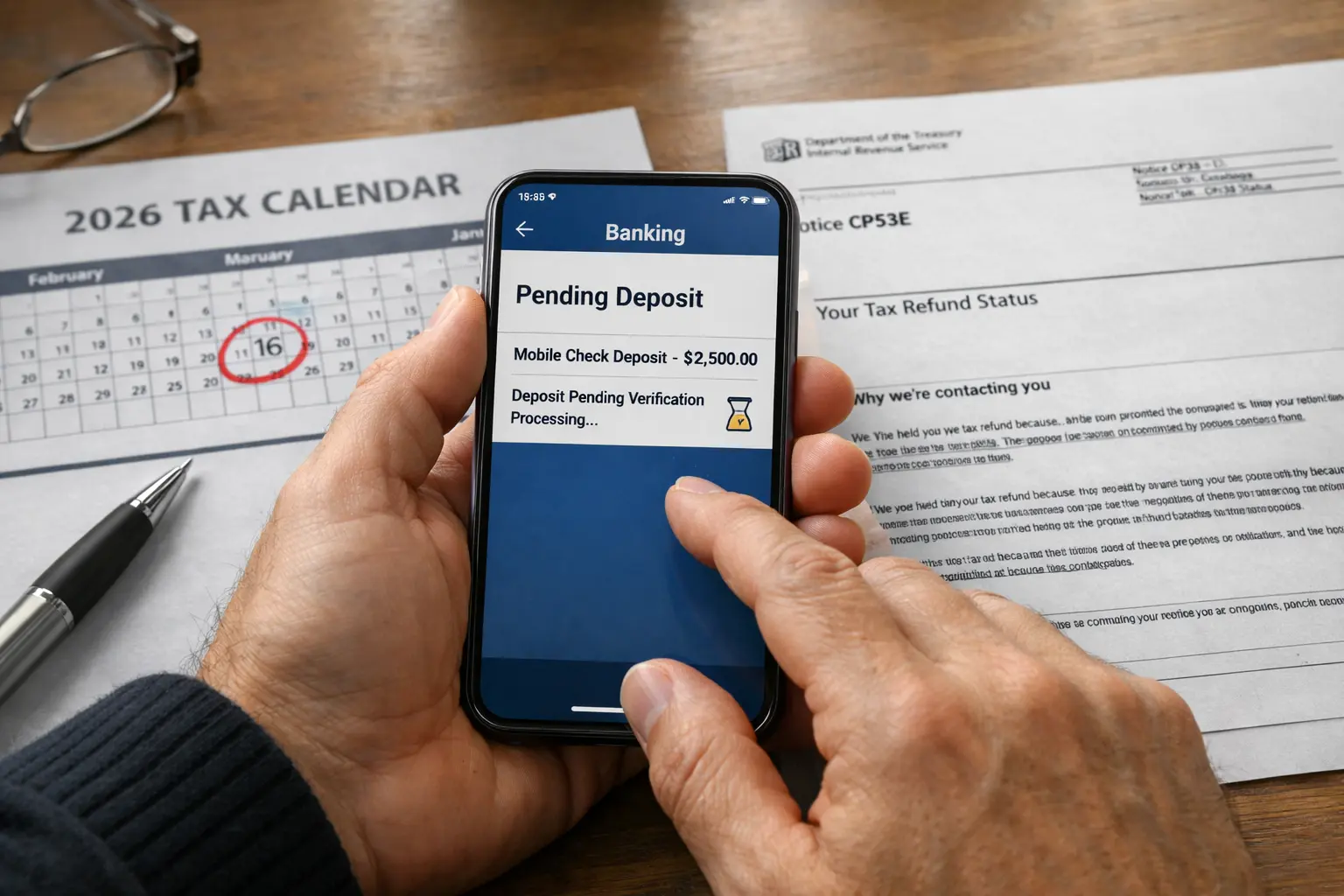
When readers examine how a provisional credit visibility status works, they see how it precedes final posting. Final posting requires synchronized reserve confirmation to ensure a usable balance definition is met.
Fedwire Reopen and Ledger-Day Rollover
While ACH handles payroll, overnight liquidity cycles on the Fedwire network shape liquidity context.
Fedwire reopens at 9:00 PM Eastern Time each business day. That reopening begins a new ledger cycle for interbank settlement flows. The Federal Reserve’s operating hours documentation outlines these timing mechanics. Ledger-day rollover mechanics influence how confident a bank feels about releasing funds at 6:00 AM versus 8:30 AM.
By 8:00 AM, reserve visibility stabilizes. Overnight volatility settles. Treasury staff confirm balances meet policy thresholds. Posting follows that confirmation.
Clearing Hierarchy and Institutional Priority
ACH batches do not arrive as neat payroll files. They arrive in mixed clearing streams. Government credits, corporate payroll entries, and settlement adjustments move together. Receiving banks prioritize reconciliation tasks based on internal liquidity hierarchy.
This hierarchy explains why there is often an employer batch variance between coworkers at different companies. The effect becomes more visible during high traffic periods. Readers who study settlement queue density recognize how batch volume affects morning posting waves.
Banks do not release funds one entry at a time. They release coordinated ledger segments after reconciliation checkpoints clear.
Intraday Liquidity Positioning Shapes Perception
Liquidity timing shapes perception more than most depositors realize. Treasury departments project intraday inflows and outflows across wire transfers, securities settlements, and customer withdrawals. Payroll posting fits inside that broader liquidity forecast.
If projections show strong coverage, posting may occur near 6:00 AM. If projections appear tight, institutions wait until after the 8:00 AM verification sweep. From the bank’s perspective, both outcomes reflect balance-sheet calibration.
Structural Timing, Not Favoritism
Back at the kitchen counter, the coffee has cooled. The balance updates at 8:37 AM. Nothing changed about payroll transmission. Nothing failed in settlement. Funds moved on schedule. Bank posting timing simply followed reserve confirmation discipline.
Your coworker’s 6:02 AM credit reflected a bank comfortable with earlier provisional exposure. Your 8:37 AM update reflected a bank that waited for full liquidity verification. Neither scenario indicates delay. Both reflect structural sequencing inside the banking system.
Author