Most people recognize the moment a card is approved. The screen flashes success, the receipt prints, and life moves on. Yet behind that smooth exchange, nothing has actually been paid—at least not yet. What consumers experience as a completed purchase is only the opening signal in a longer financial process.
Between the instant of authorization and the final movement of funds sits a structured network of clearing systems, institutional liquidity management, and settlement timing rules that quietly power the U.S. payments economy. The gap between those stages is where confusion forms, balances shift, and trust in financial systems is tested.
By the end of this article, you’ll understand how credit card authorization differs from settlement, why the timing matters, and how these mechanics fit into the broader structure of money movement across the U.S. financial system.
Everyday Payment Behavior
When a credit or debit card is swiped, most households assume money changes hands instantly. In reality, what occurs first is a temporary reservation of funds. The issuing bank confirms that credit or cash is available and places a hold equal to the purchase amount.
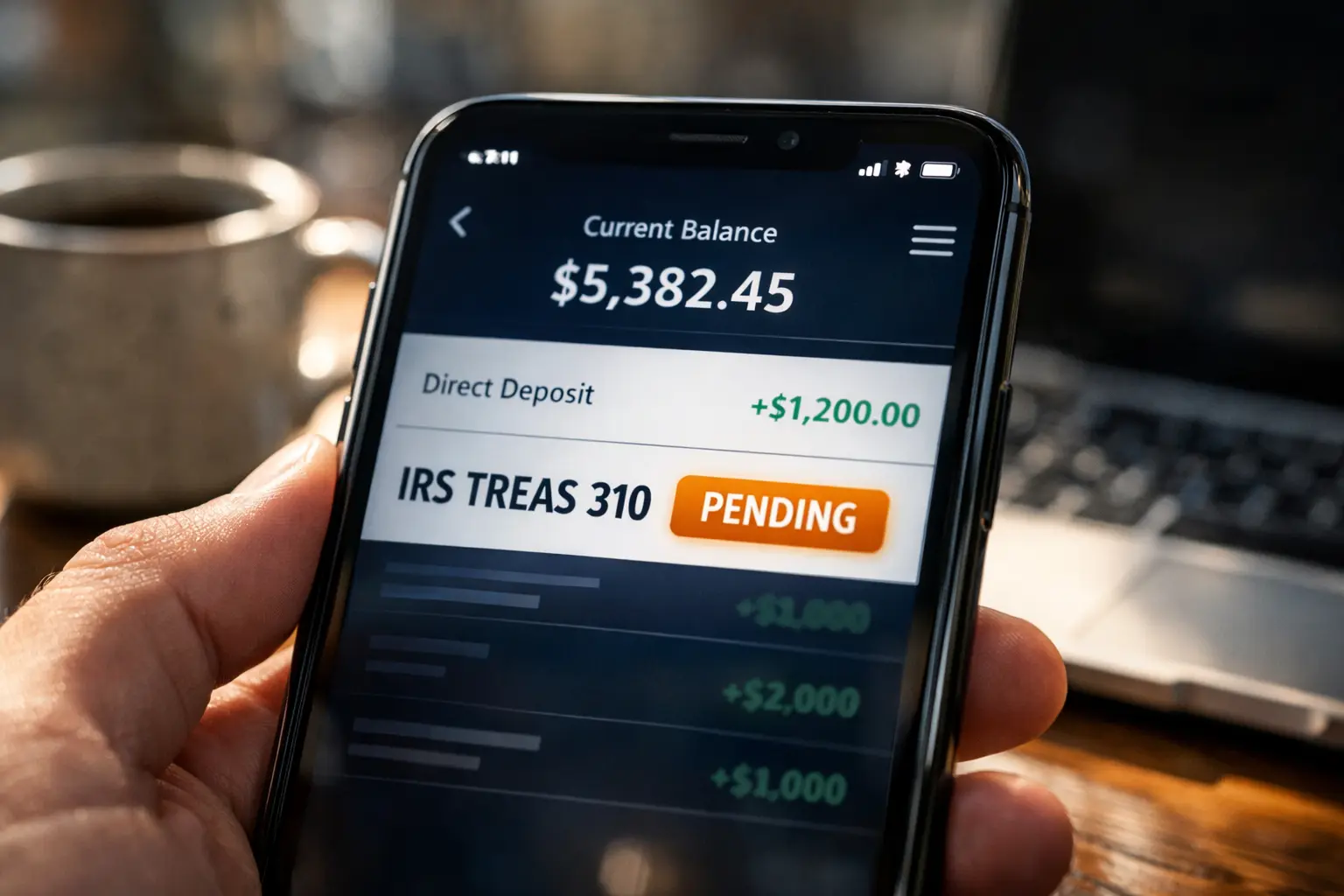
This behavior mirrors what people see when a direct deposit status appears in a bank app. The system acknowledges the transaction before real funds fully transfer. It feels immediate, but structurally it is provisional. That delay—between approval and actual settlement—is often what fuels control anxiety.
Consumers watch balances fluctuate, pending charges stack up, and available credit shrink without understanding the invisible processes behind it.
Authorization Versus Settlement
Authorization is a risk check. It verifies that an account exists, that sufficient funds or credit are available, and that fraud filters clear the transaction. Once approved, the issuing bank temporarily earmarks funds.
Settlement is where real money moves. After authorization, merchants batch transactions and submit them to acquiring banks. These flow through card networks and into interbank clearing systems. Only then do funds transfer from the issuing bank to the merchant’s bank.
This multi-step structure protects against fraud, enables reversals, and stabilizes liquidity across millions of daily transactions. But it also introduces time. That’s why purchases can remain pending for days before officially posting. These mechanics mirror how federal payments flow through the treasury system, where acknowledgement occurs before full settlement across banking rails.
Why Timing Gaps Exist
Settlement doesn’t happen instantly because financial systems prioritize stability over speed. Banks aggregate transactions, manage daily liquidity positions, and settle in coordinated windows. This is where liquidity timing becomes central. Institutions rely on structured clearing schedules to avoid mismatches between incoming and outgoing funds.
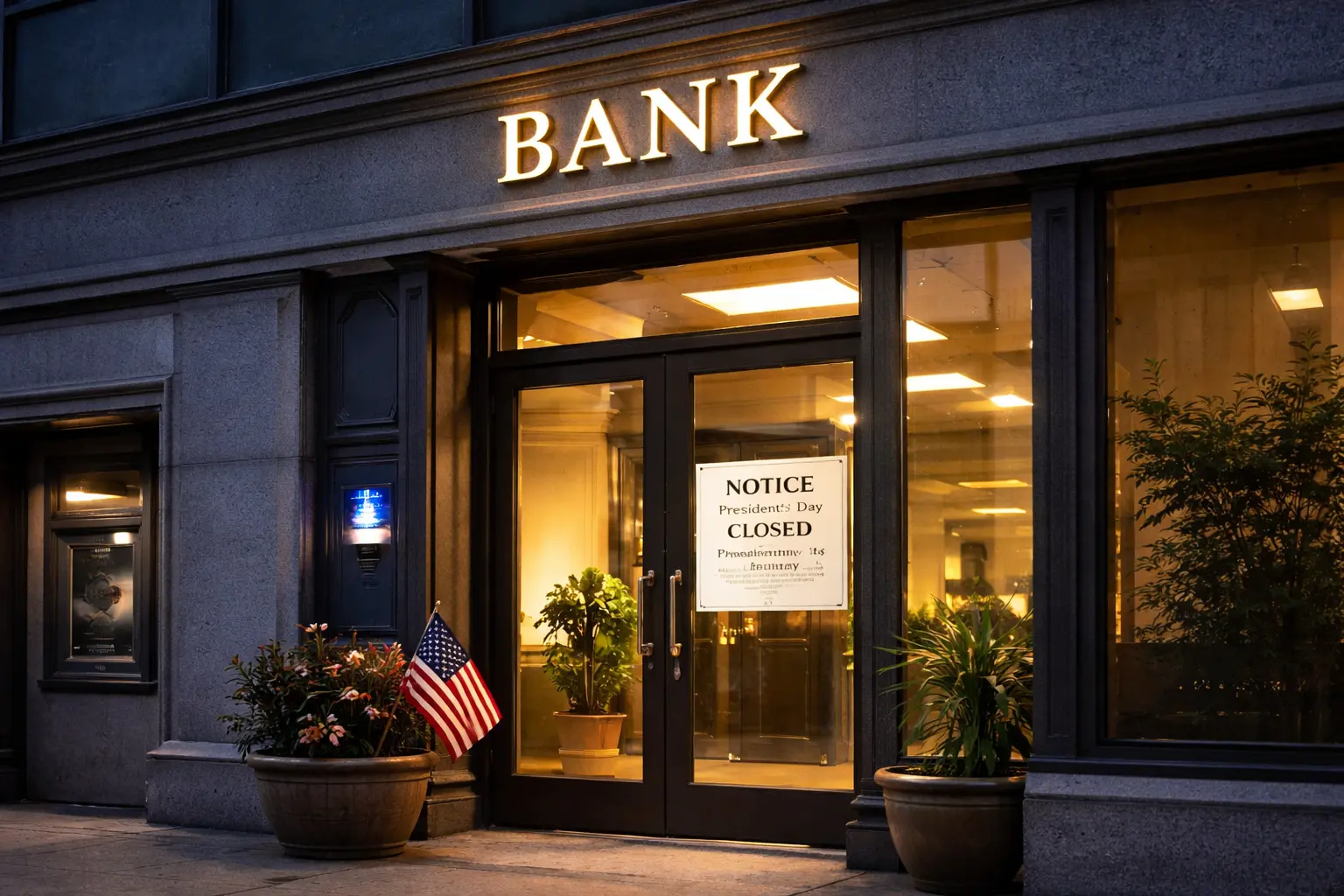
Weekends and holidays further stretch these windows. When clearing systems pause, authorizations continue while settlement queues build. That’s why consumers notice extended pending charges during holiday liquidity slowdowns. Similarly, bank pauses freeze portions of interbank movement even as card swipes continue uninterrupted.
The Institutional Layer Behind Every Swipe
Large financial institutions continuously manage exposure created by authorization holds. While consumers see a simple pending charge, banks track billions in temporary obligations. Liquidity desks forecast settlement flows, offset positions, and prepare funding buffers so merchants receive money on schedule.
This institutional choreography grows more visible during periods of market thinning. Events like lower trading volume conditions and market drift subtly shift liquidity across markets. The same structural forces influence consumer banking; during extended closures, many notice that weekend banking feels slower, even though transactions continue in the background.
Institutional players also anticipate settlement gaps through proactive risk positioning, ensuring system stability during high-volume periods.
How Households Experience the System
For everyday users, the authorization and settlement differences show up in several practical ways:
- Balances that drop before charges officially post.
- Credit limits that shrink temporarily due to merchant holds.
- Refunds that take several business days to appear after a cancellation.
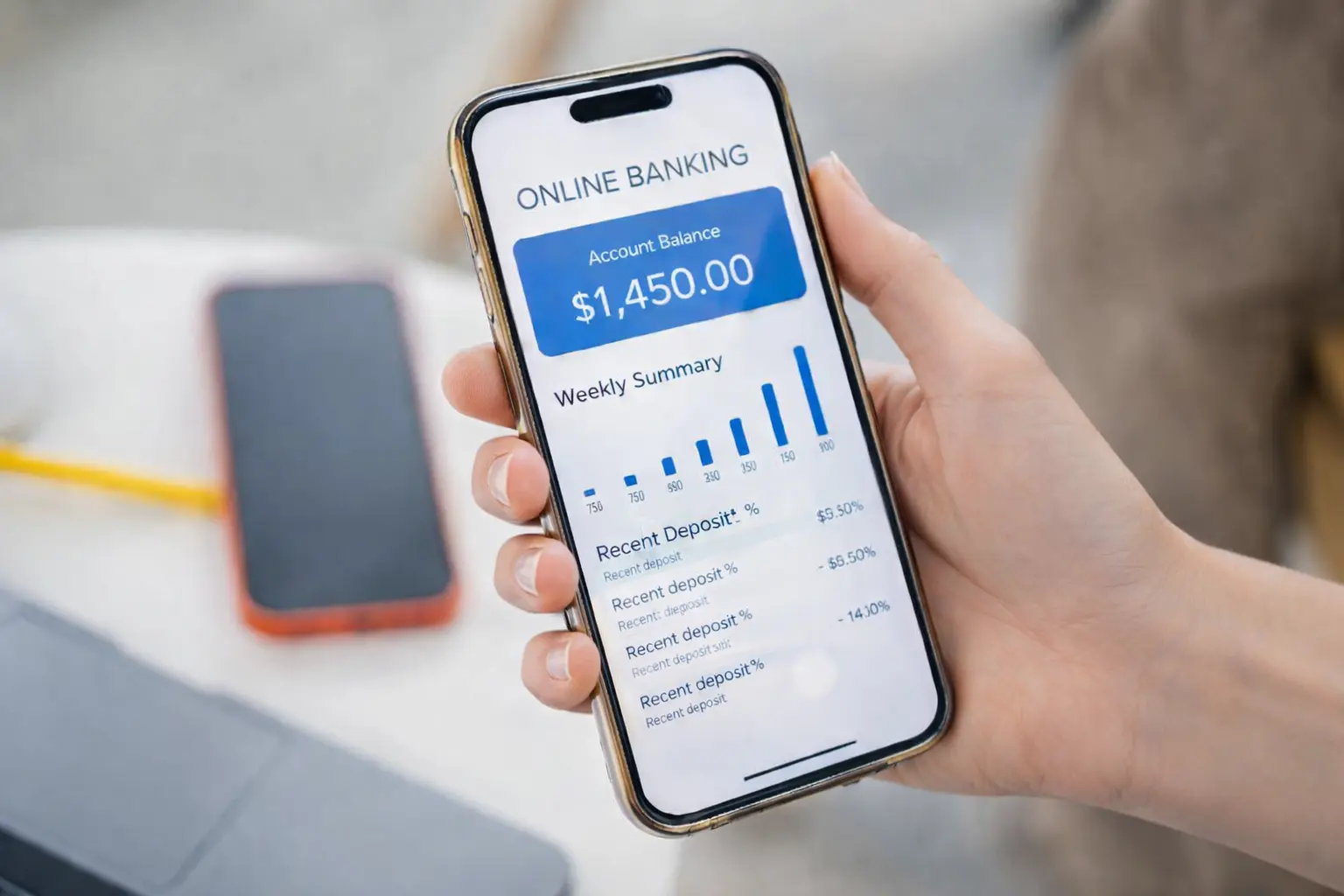
These effects are not errors—they are byproducts of structured settlement. When deposits appear as pending deposits, or when card charges linger, the system is functioning exactly as designed. Understanding true liquidity helps households separate real cash availability from temporary holds created by authorization mechanics.
The Bottom Line: Structure Over Speed
Credit card authorization is not payment; it is a permission signal. Settlement is the real movement of money across the U.S. banking system. These delays exist to protect institutions, manage liquidity, prevent fraud, and ensure systemic stability. While the consumer experience feels instant, the financial infrastructure operates on structured timing.
Once you recognize that money flows through systems—rather than teleporting—you begin to see why balances fluctuate and why settlement windows matter. This same framework governs payroll, government payments, and interbank transfers across the entire money movement network.
For a deeper institutional view of how U.S. payment systems operate, you can explore official data from the Federal Reserve.
Author