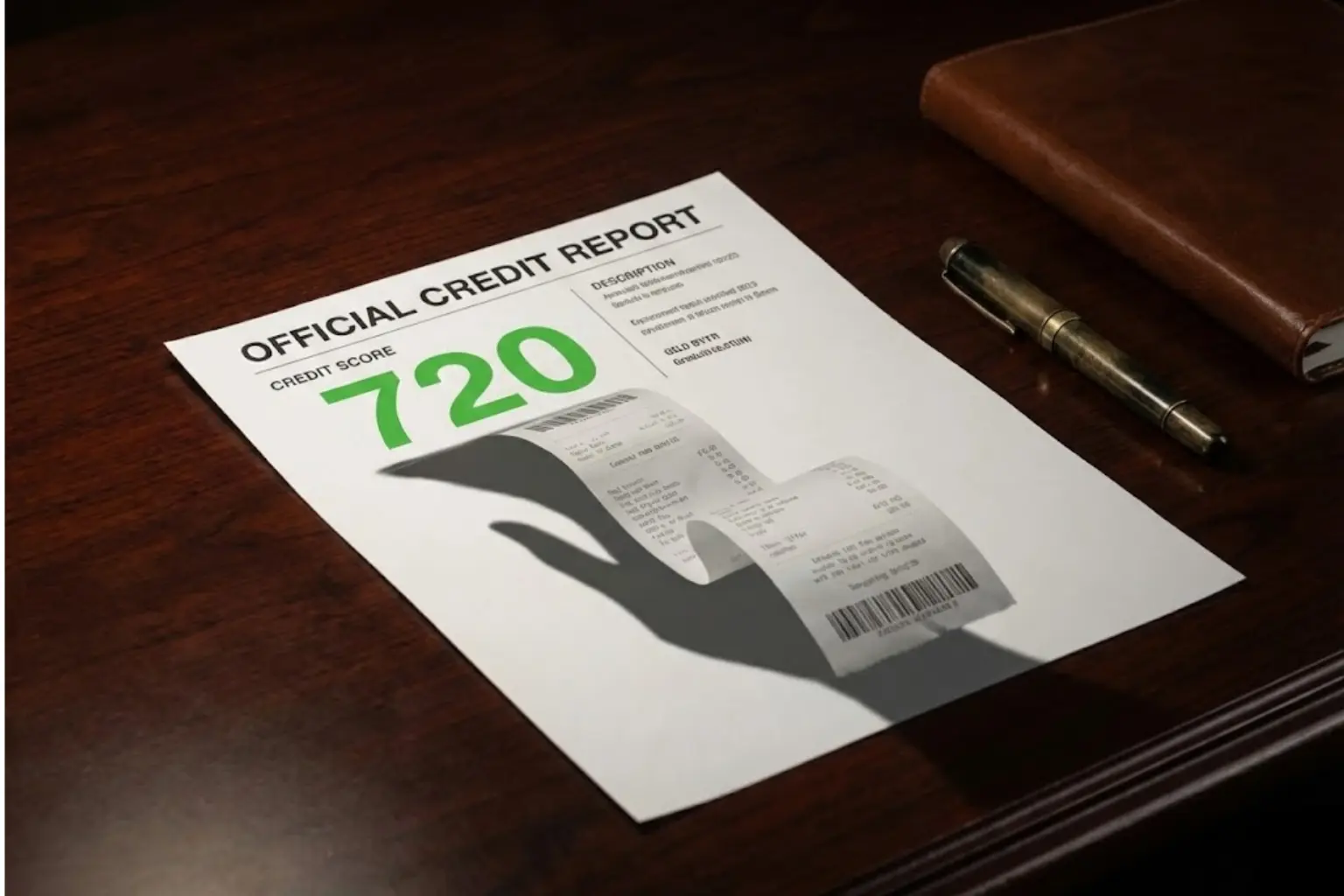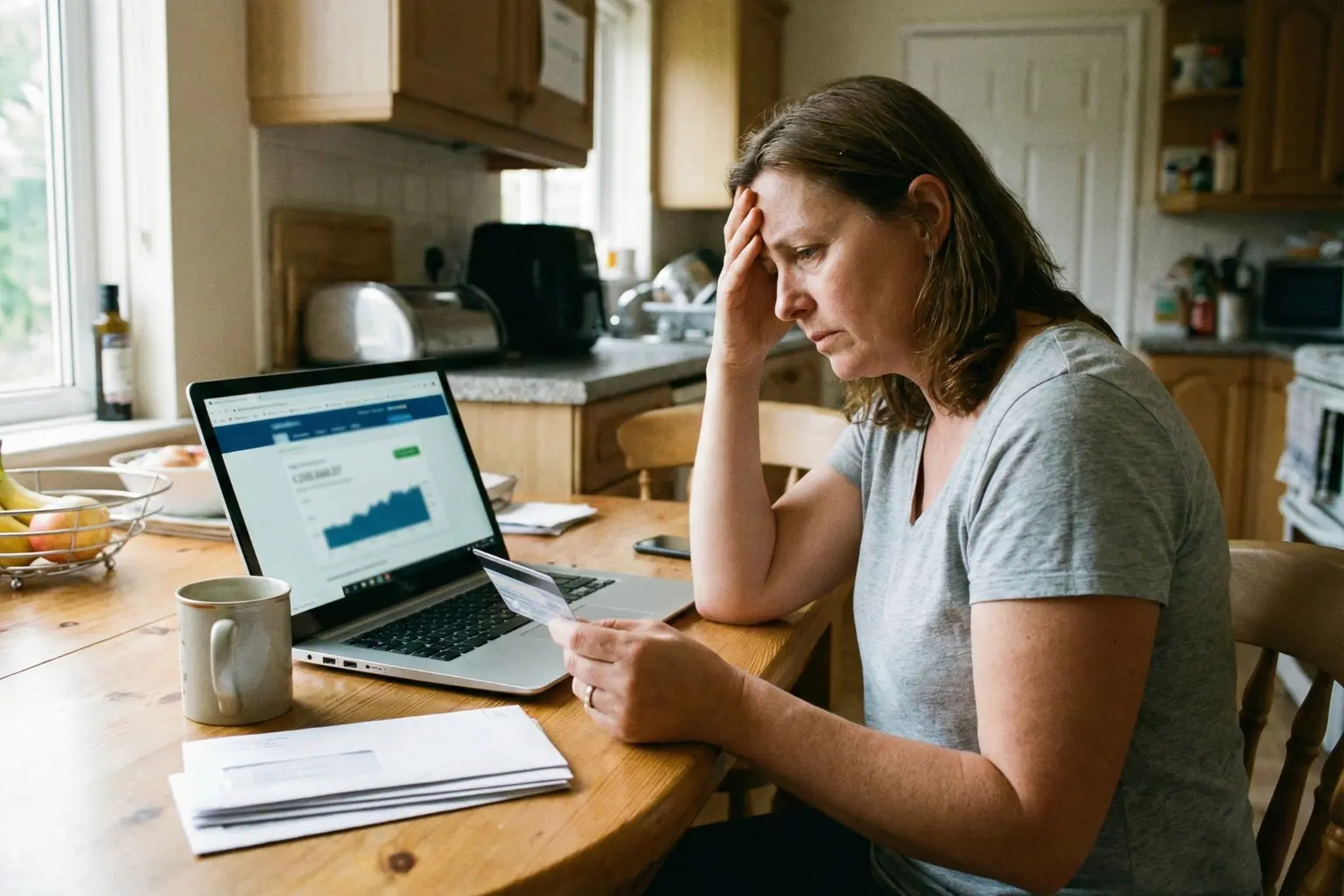
You open the envelope. Or you tap the app. And the number just sits there. It is not a little higher. It is shocking.
If you checked your balance this week and felt sick, you are not the only one. A lot of families are having that same quiet moment at the kitchen table.
People are still arguing online about confusion over federal payments, but honestly, the real bill is already here. It is sitting on a credit card statement.
Actually, this is why January feels so heavy right now.
It’s Not Just Christmas Spending
Look, nobody wants to be blamed for buying gifts. That is not what this is about.
Here is the thing. A lot of the spending that hit cards in November and December was not toys or trips. It was groceries. Gas. Insurance. A random car repair. Stuff people usually pay with cash.
It turns out cash just ran out sooner.
Prices eased a bit last year, but bills did not fall back to where they used to be. That gap matters. People filled it with plastic. They told themselves they would catch up in January. And now January is here.
This is part of the same pattern we described in the sunday money reset and the broader quiet money shift americans are experiencing. People are not spending wildly. They are covering basics.
The Data Backs This Up
This is not just a feeling. The numbers agree.
According to recent Federal Reserve data, credit card balances climbed again at the end of 2025. More important, late payments are also ticking up. That means more people are missing due dates, not just carrying balances.
Lenders are also reporting that delinquencies are no longer limited to lower-income borrowers. Middle-class households are now part of the trend.
That lines up with why so many Americans say they feel financially stuck even while working full time. While saving for retirement already feels impossible for many families, short-term credit card debt makes long-term planning feel even further away.
Read More: Why Being Average at 45–54 Is No Longer Enough for Retirement
The Minimum Payment Trap
So you see the balance. You think, “I’ll just pay the minimum this month.” That is where things get tricky.
Credit card interest rates are still high in 2026, even after some banks hinted at relief. As explained in why credit card APRs haven’t fallen the way people expected, most balances are still growing faster than payments.
If you only pay the minimum, most of that money goes straight to interest. The balance barely moves. A December spike can quietly follow you until summer. Pretty much nothing feels worse than paying every month and getting nowhere.
What To Do Right Now
Do not panic. And do not ignore it. Pick one thing. Just one. Call the card issuer and ask about hardship options. Or look at a 0% balance transfer card if your credit allows it. Even a small change can stop the damage from spreading.
This is also a good moment to slow down and reset. People who are coping best right now are not making dramatic moves. They are checking balances. Cutting a few leaks. Doing a quiet financial reset after the holidays.
Bottom line
January is a tough month. This spike caught a lot of people off guard. You are not behind because you are bad with money. You are behind because life got expensive. So breathe. Make a plan. And take one step.
Author

-
The information on this site is for educational and general guidance only. It is not intended as financial, legal, or investment advice. Always consult a licensed professional for advice specific to your situation. We do not guarantee the accuracy, completeness, or suitability of any content. For complete details, please review our full disclaimer.