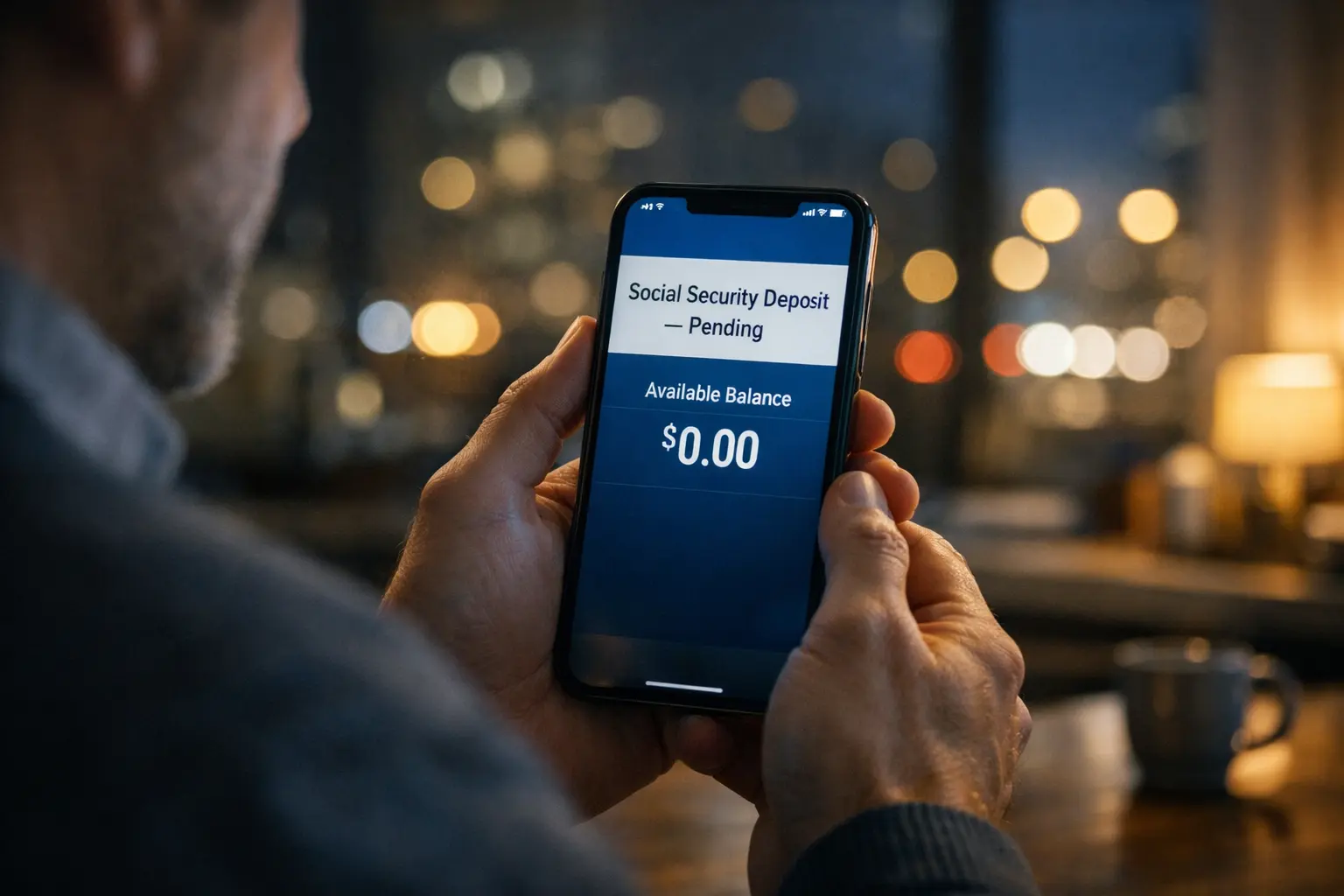
At 6:52 AM, the banking app shows yesterday’s balance. The payroll file moved overnight. The notification arrived before sunrise. Nothing is available. What looks like a delay is usually the final stage of layered institutional sequencing.
Beneath the screen, settlement systems are still confirming liquidity, reconciling clearing totals, and managing exposure risk inside the deposit posting window. Overnight payment movement finishes long before consumer availability begins.
Overnight clearing compresses the entire U.S. payment flow
Most payrolls, tax refunds, and federal payments enter payment rails during late-evening processing windows. Instead of flowing continuously, clearing banks compress enormous volume into structured overnight cycles.
Millions of credits move together. Batch compression increases efficiency. It also intensifies verification. Clearing operators aggregate originator totals, destination totals, and interbank obligations into unified settlement files.
Each batch must reconcile perfectly before downstream settlement can proceed. Even minor mismatches pause posting progression. This is why pending deposits often transmit successfully but remain unavailable. Clearing is validation, not release.
Settlement certainty always follows clearing
Once clearing completes, financial obligations convert into net settlement positions. ACH multilateral nets form. High-priority flows shift toward Fedwire settlement cycles. But availability never accompanies clearing. Banks treat cleared credits as provisional exposure until settlement confidence strengthens.
Risk systems monitor each incoming batch against liquidity buffers. Treasury desks model how liquidity shifts impact reserve balances. Posting engines remain throttled. Until alignment strengthens, provisional credits stay restricted. This is not delay. It is systemic protection.
Reserve position confirmation quietly governs posting speed
One of the most influential layers unfolds before most households wake. Every major U.S. bank maintains reserve balances at the Federal Reserve. Overnight clearing activity reshapes those balances materially. Incoming credits, outgoing obligations, and federal flows must reconcile.
Before releasing consumer funds, banks confirm that reserves align with expected settlement outcomes. This verification phase typically runs between roughly 6:30 AM and 8:15 AM Eastern. Institutions with heavier volume require longer confirmation windows. Lower-volume banks complete faster. Posting speed follows reserve certainty.
Federal settlement cycles shape the morning liquidity window
Much of this choreography connects directly to Federal Reserve payment system operations. ACH settlement phases feed reserve positions overnight. Fedwire reopening enables immediate finality for critical movements.
Readers can review the official documentation directly through the appropriate U.S. government source. The sequence remains strict: Clearing completes first. Settlement certainty follows. Availability always comes last. Consumer balances trail institutional confirmation.
Exposure caps control how fast provisional credits appear
Even after reserve verification begins, most banks do not release deposits in one sweep. Large clearing institutions enforce intraday exposure thresholds. These limit how much unsettled credit becomes visible relative to confirmed liquidity buffers.
When overnight volume surges, common during payroll settlement cycles, refund waves, and benefit distributions, those thresholds activate automatically. Posting then occurs in controlled waves. Smaller deposits often appear first. Larger batches follow once liquidity timing confirmation expands. What feels random is risk sequencing.
Ledger synchronization completes the final release
Modern banks operate multiple parallel ledgers: clearing suspense accounts, customer balances, regulatory liquidity ledgers, and settlement accounts. Before funds appear, all ledgers must synchronize. Clearing totals must match settlement confirmations. Reserve balances must reconcile.
Risk metrics must refresh. Only then do automated posting engines unlock consumer availability. This synchronization almost always completes inside a narrow operational band, most often between 8:00 AM and 9:00 AM. That window reflects coordination, not habit.
Treasury payment coordination amplifies volume pressure
Federal benefit payments and tax refunds introduce another structural layer. The Bureau of the Fiscal Service transmits massive payment files into clearing networks on tightly scheduled cycles. Those federal flows merge directly into overnight ACH batches alongside private payrolls.
Readers can review the treasury schedules directly through the appropriate U.S. government source. Because these payments arrive in concentrated waves, they push exposure thresholds higher. Bank posting timing velocity often slows across the entire batch. Households see pending. Institutions absorb federal-scale liquidity movement.
Stability always outranks immediacy
None of these controls exist to inconvenience consumers. They exist to prevent systemic stress. Reserve confirmation protects against early deposit risk. Exposure limits prevent liquidity shocks.
Ledger synchronization prevents accounting failures. Together they form the architecture that stabilizes the U.S. money movement system. This deeper structure sits at the center of the U.S. money movement system shaping everyday deposits.
The pressure points emerge during overnight clearing windows that compress payment flow. And the shift from provisional credits to final balances follows the sequencing described in settlement timing mechanics. Certainty always comes before visibility.
Why mornings feel uncertain — yet remain precise
From the household view, deposits seem unpredictable. From the institutional view, they follow disciplined choreography. Clearing compresses volume. Reserve verification confirms liquidity. Exposure controls pace release. Ledger synchronization unlocks balances. The posting after 8am window is simply where institutional certainty becomes personal availability.
The quiet reality behind pending balances
At 6:52 AM, nothing had appeared. By 8:41 AM, balances refreshed. No delay occurred. Only systemic safeguards completing their final sequence. Early-morning uncertainty reflects liquidity choreography — not malfunction. The deposit posting window is where financial stability meets everyday life.
Author