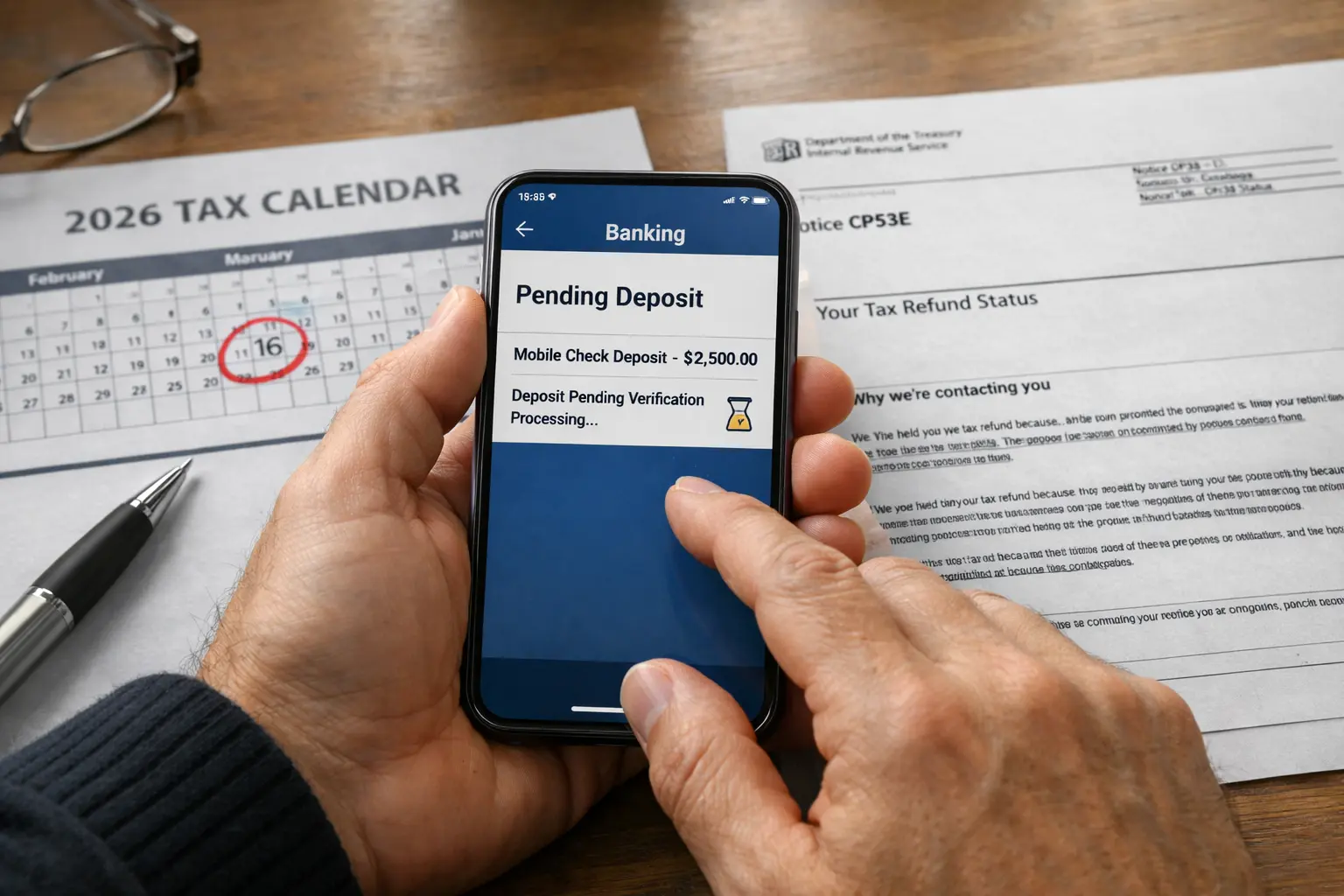
On the surface, it looks simple. Your payroll app says “sent.” Your employer confirms the transfer. And your bank shows “pending.” And yet, the money isn’t available.
This week, that confusion may increase not because something is wrong, but because of how the Direct Deposit Settlement Cutoff works inside the U.S. banking system. Most Americans don’t realize that deposits don’t simply “arrive.”
They move through structured settlement windows. And one of the most important windows closes around 4:00 PM Eastern Time at many institutions. If funds are transmitted before that operational cutoff, they often settle overnight.
If they miss it, even by minutes, posting can shift to the next processing cycle. That timing difference is invisible to most households. But it shapes real-world outcomes.
The 4:00 PM Reality Most People Never See
Large-value transfers move through Fedwire. Payroll and retail batch payments typically move through ACH. Both systems operate within defined processing windows set by the Federal Reserve payment systems. Banks align their internal posting schedules to those windows.
When an employer submits payroll earlier in the day, the deposit may clear during the same-day batch cycle. When submission happens later, especially during a busy week, before a holiday, or ahead of a heavy settlement day, the deposit can fall into the next clearing queue, as explained in our guide to pending deposits explained. Nothing failed.
The clock simply moved first. For someone waiting on rent money, mortgage payments, or auto-debit charges, that subtle timing difference feels significant. And emotionally, it is. Learn more about how U.S. money actually moves in our pillar content.
Why This Week Feels More Sensitive
Settlement timing becomes more noticeable during compressed liquidity periods. Ahead of holidays or heavy federal payment cycles, treasury desks manage cash positioning more tightly, check out our piece on holiday liquidity shifts. Banks adjust internal liquidity buffers.
Batch volumes increase. That can amplify the visibility of the Direct Deposit Settlement Cutoff, especially when deposits show as “approved” but remain unavailable.
We recently saw similar patterns during federal disbursement cycles, where pending codes appeared before final posting. That sequencing reflects structured processing, not random delay, per the NACHA ACH processing schedule. From a systems perspective, this is discipline. From a household perspective, it feels like friction.
The Emotional Side of Timing
Imagine a nurse in Ohio waiting for a Friday payroll deposit. Her employer confirms the transfer at 4:12 PM Eastern. The bank app shows “pending.” Her rent auto-draft triggers at midnight. Technically, nothing malfunctioned. Operationally, the deposit entered the next settlement cycle.
But psychologically, the gap creates stress. That stress isn’t about income. It’s about timing. Liquidity timing shapes financial stability more than most people realize. A few hours can determine whether funds post before an automatic withdrawal or after. And that difference changes how secure a household feels.
What To Watch Before the Cutoff
If you are expecting a deposit this week, confirm when the employer initiated transmission. Monitor the posting time relative to 4:00 PM Eastern. Be aware of any upcoming federal holidays. Check whether your bank offers early posting policies. The system is structured.
Understanding the Direct Deposit Settlement Cutoff removes the mystery. Money moves on schedule. Not sentiment. And when you understand the schedule, the stress becomes more manageable.
Author