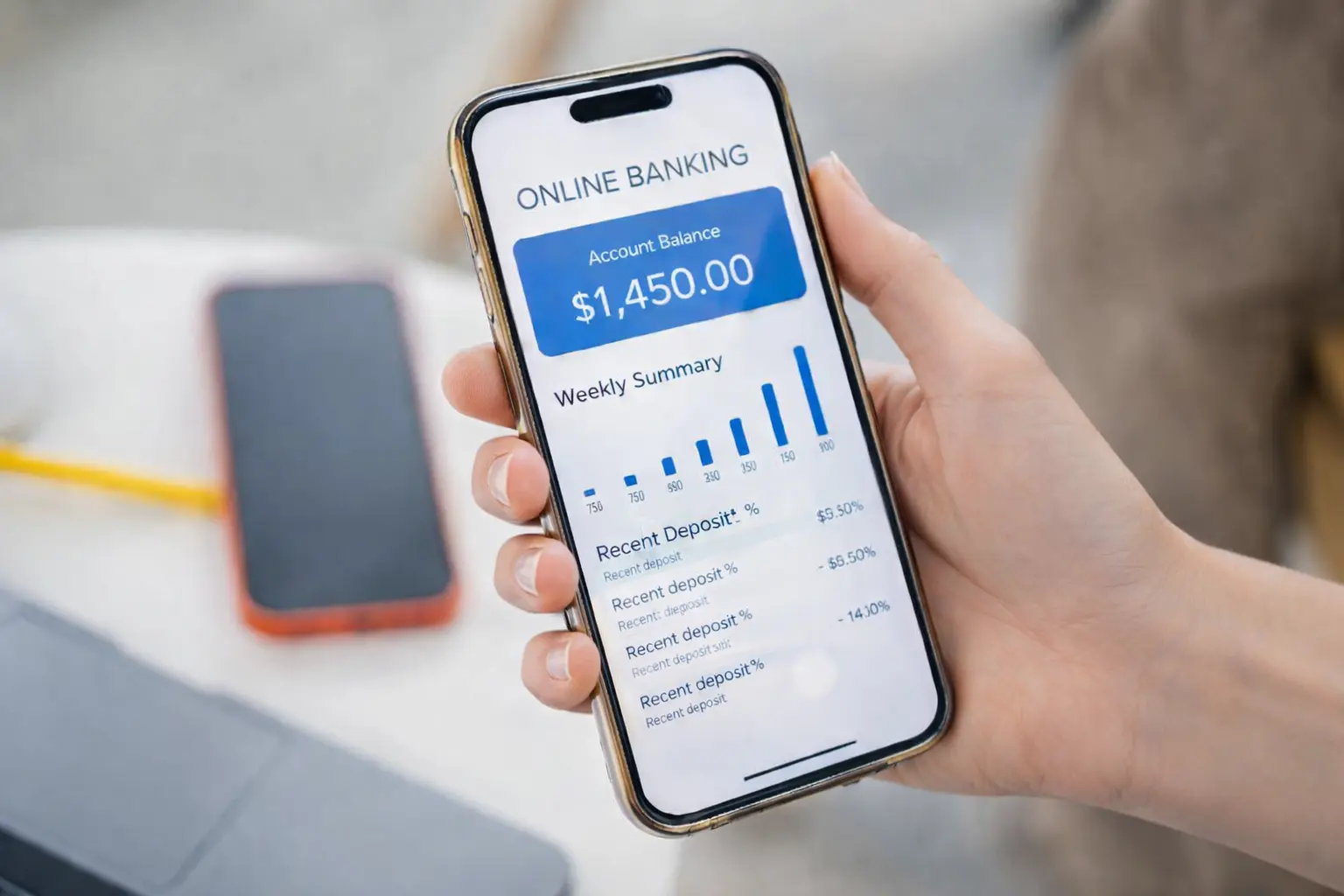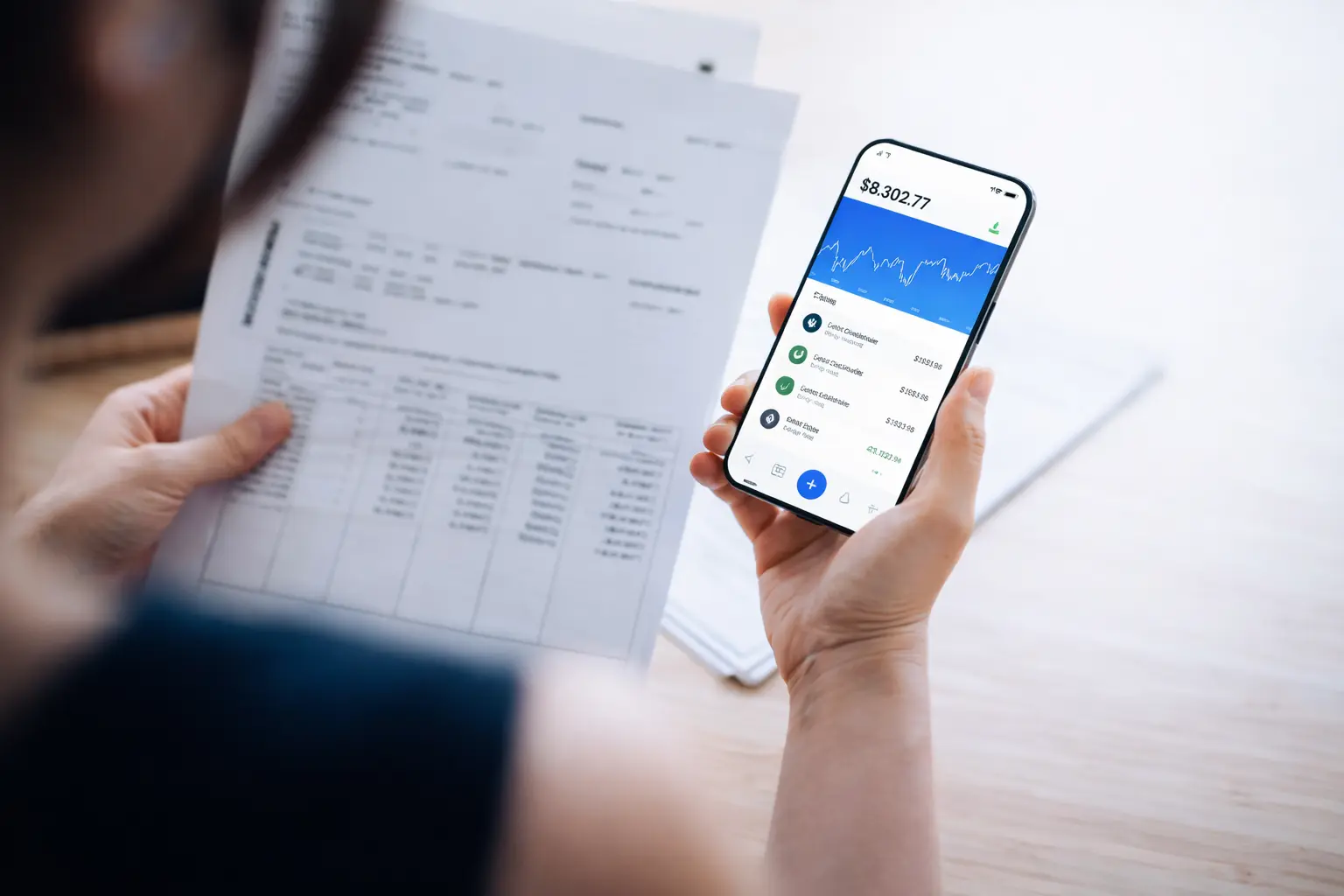
Across the United States this morning, a familiar ritual is unfolding. Phones are lighting up with banking apps as people refresh their account balances, waiting to see whether a deposit has landed.
For workers expecting payroll, families waiting for federal benefits, and taxpayers tracking refunds, the moment a balance updates can feel unpredictable.
But in most cases, deposits do not appear randomly. They move through a structured financial pipeline that processes payment files in stages before banks update account balances.
That system runs quietly overnight and continues through the morning as institutions receive, verify, and post incoming transactions. Understanding how U.S. money movement works is key to this process.
As those systems begin processing today’s payment batches, some bank accounts may start updating while others remain unchanged for a little longer.
When a Payment Is Sent but Your Balance Hasn’t Updated Yet
Seeing a payment marked as sent while your bank balance still shows no change can be confusing. In most cases, the delay reflects how the banking system processes deposits rather than a problem with the payment itself.
Transactions often move through overnight settlement stages before banks post funds to customer accounts. This processing gap explains many payment sent delay situations.
Even when payments are issued at the same time, deposits can appear hours apart depending on each bank’s posting schedule. Internal verification and batch updates determine when balances change, which is why some people receive funds earlier. Our guide on deposit timing differences explains how this happens.
The same pattern applies to federal refunds. After approval, payments still move through settlement pipelines before banks post deposits, which is why cases like refund deposit delays are common. Understanding these steps helps explain why deposits sometimes appear gradually rather than instantly.
Why People Are Checking Bank Accounts Today
For millions of Americans, certain days bring heightened expectations around deposits. Payroll cycles, federal benefits, tax refunds, and other direct payments often move through the banking system overnight and into the morning posting cycle. Because Treasury release timing is precise, this creates a pattern many people recognize.
Early in the day, account balances may still show the previous amount. But as banks begin processing settlement files and updating ledgers, deposits gradually appear.
Because these updates occur in batches rather than instantly, people often see different outcomes even when payments were issued at the same time. One person’s account may update early in the morning, while another’s may not reflect the same deposit until later in the day.
This staggered process explains why so many people find themselves refreshing their banking apps at the same time.
How Deposit Files Enter the Banking System
Behind the scenes, deposits move through a national financial infrastructure long before they become visible inside a bank account.
When employers, federal agencies, or payment providers initiate deposits, they transmit payment instructions through clearing networks that coordinate the movement of funds between financial institutions.
These files are grouped into batches and transmitted through settlement systems that manage how money travels across the banking system. The ACH settlement process is central to how these files are handled.
Many payments move through automated clearing processes overnight. During this stage, banks receive incoming payment files and begin preparing them for posting to customer accounts.
This entire process occurs within the broader U.S. financial settlement infrastructure, which ensures that every transaction ultimately reconciles between institutions before funds become available to customers.
Why Some Deposits Appear First
One of the most common questions people ask on deposit days is simple: why did someone else receive their money first? The answer usually comes down to how individual banks handle deposit posting windows.
Once settlement files arrive, banks run internal verification checks, reconcile incoming transactions, and determine when those funds will appear inside customer accounts. Each institution operates its own posting windows throughout the day.
Some banks update balances early in the morning. Others process additional deposit batches later in the day as more settlement files arrive. That means two people expecting the same type of payment may see deposits at different times depending on their bank’s internal schedule.
This timing difference does not usually indicate a problem with the payment itself. In most cases, it simply reflects the order in which banks process incoming deposit batches. Users may notice a pending deposit status before funds are fully available.
What To Expect Later Today
As banks continue processing payment files throughout the day, additional account balances may begin updating. Most deposit cycles follow a wave-like pattern, dictated by specific settlement window timing.
Early settlement files are processed overnight and posted during morning updates. Additional batches can appear later as banks complete reconciliation checks and release the next group of deposits.
For customers waiting on a payment, that means the absence of a deposit early in the morning does not necessarily signal a delay. Many accounts update later in the day once the next posting window opens.
Often, ACH cutoff rules dictate exactly when these files are finalized. Meanwhile, the overnight clearing cycle ensures stability in the system.
Because of the nuance in deposit timing, deposits often arrive in stages rather than all at once. As today’s banking cycles continue and the deposit wave timing progresses, more accounts across the country may begin reflecting new deposits.
Understanding how this process works can make the waiting period feel less mysterious, and help explain why balances sometimes update hours apart even when the same payment was issued.
Author