The early morning hours of Tuesday March 10 2026 have ushered in a period of significant financial friction for millions of American households. Across the nation a high volume of taxpayers and benefit recipients are reporting that their expected federal deposits are delayed today despite official government portals confirming successful issuance.
This widespread digital bottleneck has triggered an immediate surge in consumer anxiety as families attempt to reconcile their personal ledgers against banking apps that show zero available liquidity.
The underlying cause of this disruption is not a lack of government funding but a fundamental shift in the technical protocols governing how federal capital enters private consumer accounts.
Financial institutions are currently navigating high-level security audits and new synchronization windows mandated by recent treasury modernization efforts. To verify if this delay is systemic or specific to your regional branch you can monitor the Federal Reserve Service Status for real-time updates on Automated Clearing House network performance.
Understanding Why Federal Deposits Are Delayed Today
The institutional reality of the current liquidity gap involves a complex interaction between the Treasury Department and the Federal Reserve clearinghouse. Late last night the government released a massive volume of capital intended for Social Security and tax refund distribution.
However many private banks have adjusted their internal risk parameters to account for the new us money movement protocols. These rules require banks to perform deeper verification on incoming federal files before granting full access to consumers.
This verification cycle can add several hours to the standard clearing window which explains the current frustration. This specific phase of the payout cycle represents a major component of the money system settlement timeline that every beneficiary must understand during this peak week.
New Federal Settlement Rules Impacting Payment Speed
The implementation of the latest banking regulations has fundamentally altered the timing of high-volume deposit days. These rules were designed to prevent sophisticated fraud schemes that target federal payments during peak cycles.
While these protections are necessary they frequently cause a scenario where federal deposits are delayed today for the average user. Banks are now required to match specific data headers in the federal file against your account history with total accuracy.
If even a minor mismatch occurs the system moves the file to a manual review queue for closer inspection. This process is a key part of the us money movement system settlement that ensures your money remains safe even if it arrives late.
How the Treasury Infrastructure Processes Global Batches
The national financial grid operates on a series of batch windows that determine when data becomes liquid cash. When the Treasury initiates a payout it does not send individual checks but rather a massive encrypted file containing millions of transactions.
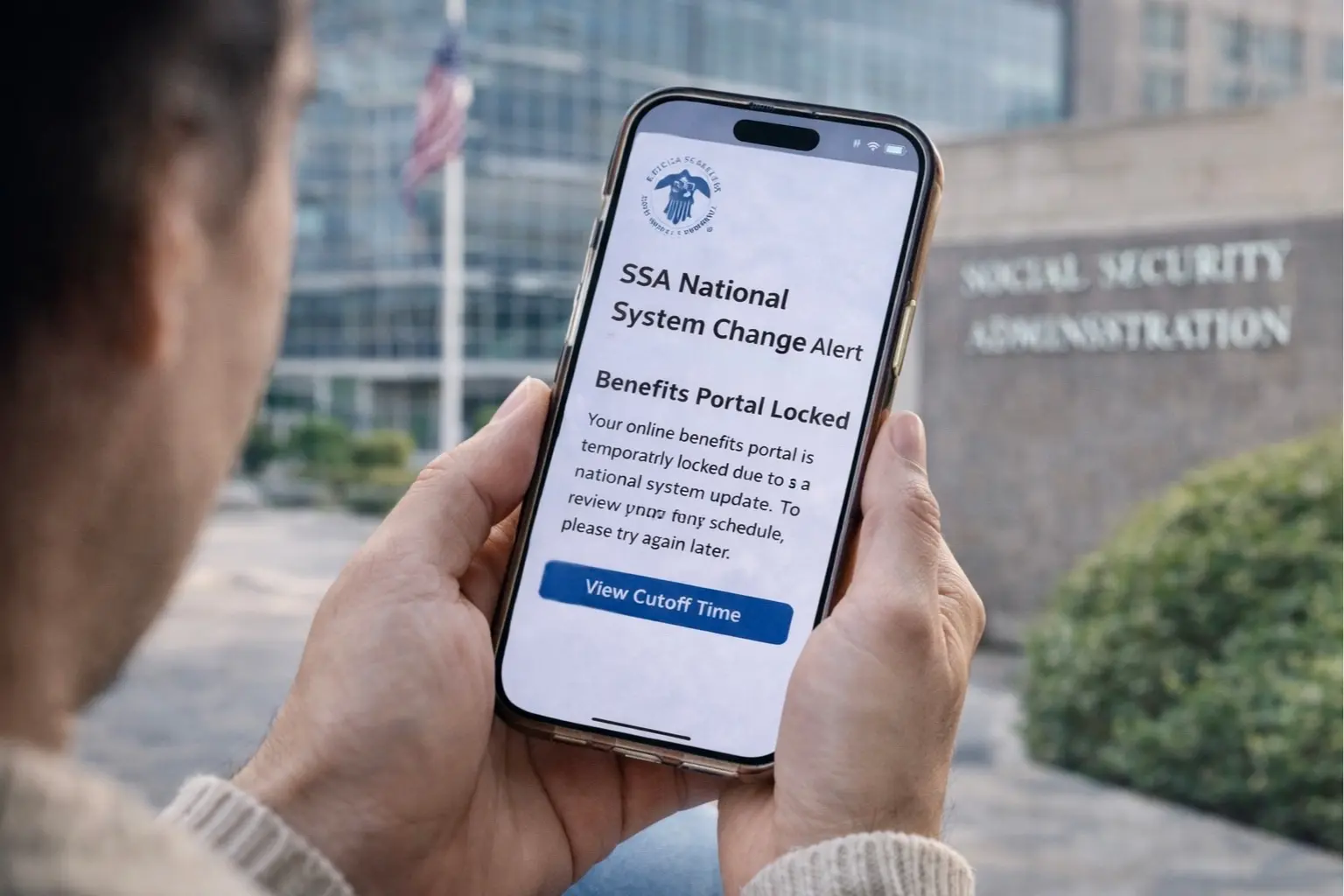
If the national system encounters a processing error during the overnight window it can cause a cascade of delays. Many people are reporting that their ssa accounts suddenly showing new messages which further increases the confusion regarding their funds.
These messages often refer to a technical hold that is happening at the regional Federal Reserve level. When the volume of transactions exceeds a certain threshold the grid uses a priority queue to manage the load.
Why Some Accounts Clear While Others Stay Pending
Geography and institutional size play a silent role in why some federal deposits are delayed today while others are perfectly on time. The United States is divided into several Federal Reserve districts which each have their own processing speeds. If your bank headquarters is located in a district experiencing high traffic you may see a delay.
Users on the West Coast often benefit from the extra hours of processing time that happen while they are still asleep. Meanwhile those on the East Coast may feel the brunt of the early morning system traffic. This regional banking liquidity shift is a normal part of how the national financial heart beats every month.
Decoding the Status Gap in Federal Portals
A common source of stress today involves the difference between the government marking a payment as sent and the bank recognizing it. The Treasury portal operates on a different server network than your local credit union or national bank. When the Treasury says a payment is sent it means the data packet has left their jurisdiction.
It does not mean the cash has landed in your personal pocket yet. This lag is the primary reason why federal deposits are delayed today for so many people who rely on official portals. This discrepancy is deeply explored in our analysis of why refund says sent not in bank status occurs during these massive waves of capital.
What to Check in Your Banking App Now
If your funds are missing you should first look for a grayed-out or pending transaction in your activity history. Most modern banking apps will show an incoming ACH file before the funds are actually cleared for spending. This visibility is part of the true liquidity available reporting that banks use to manage consumer expectations.
If you see the transaction but the balance is zero it means the bank is waiting for the next settlement window. Most banks run these updates in three-hour blocks starting from 6:00 AM Eastern Time. If you do not see any record of the payment you should verify your information on the official IRS.gov or SSA websites.
When Your Delayed Federal Payment Will Finally Hit
The good news for those experiencing friction is that most delays resolve within a single business day. The next deposit wave usually hits the banking system in the early afternoon between 1:00 PM and 4:00 PM.
This second wave captures all the files that were flagged for review or delayed by the overnight batch cycle. If your federal deposits are delayed today it is highly likely they will appear before the close of business.
The system is working at maximum capacity to ensure every household receives its funds before the Wednesday morning peak. Stay informed by checking your federal payment status throughout the day for the most accurate and up to date information regarding your balance.
Future Expectations for National Payment Rails
The current frustration with delayed deposits highlights the need for a truly instant national payment system that operates 24 hours a day. The Federal Reserve is currently working on expanding the FedNow service to include all federal disbursements by the end of the decade.
Once this is fully implemented the reason why federal deposits are delayed today will likely become a thing of the past. For now we must operate within the constraints of the legacy clearinghouse model.
Your funds are protected by the full faith and credit of the United States and they will arrive. The system is simply moving through a massive amount of data to ensure that every dollar reaches the right person.
Author