When Money Feels Like It Stops
On a federal holiday, everyday routines slow. Offices close, and customer service lines go quiet. Banking apps still open, yet balances seem frozen.
A paycheck shows pending, and a refund does not arrive when expected. For households, the experience feels like money itself has stopped moving.
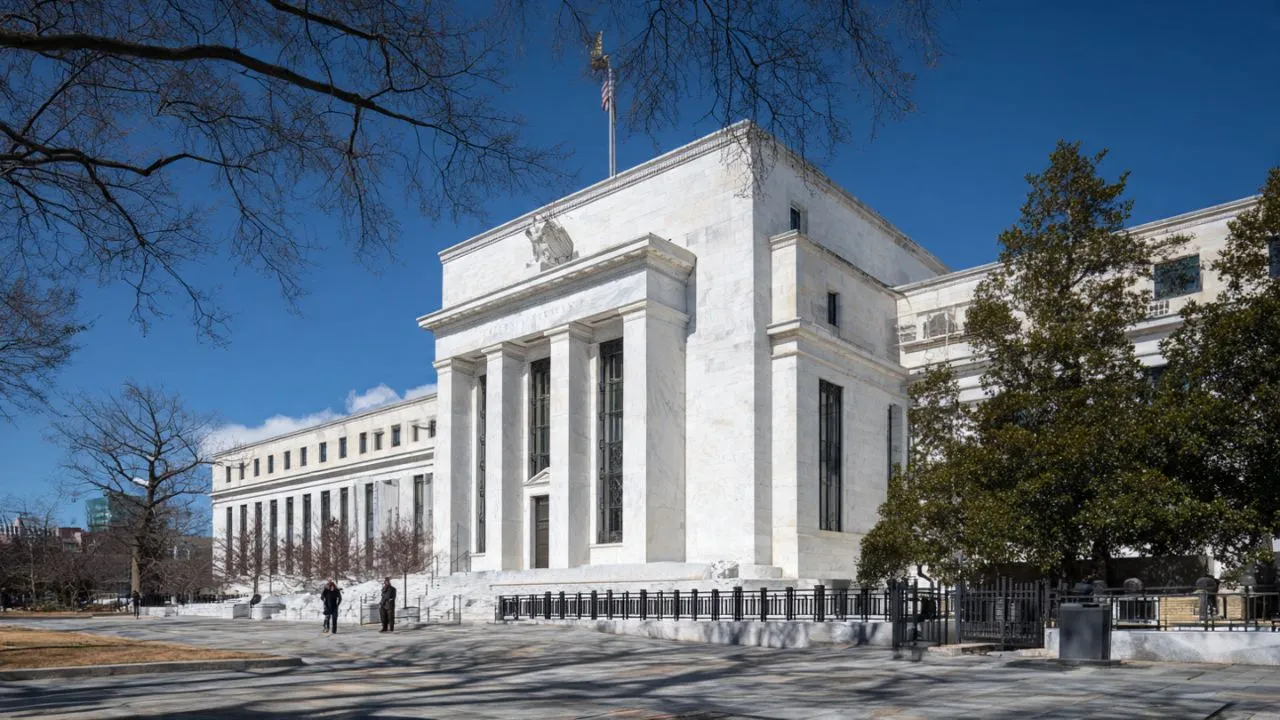
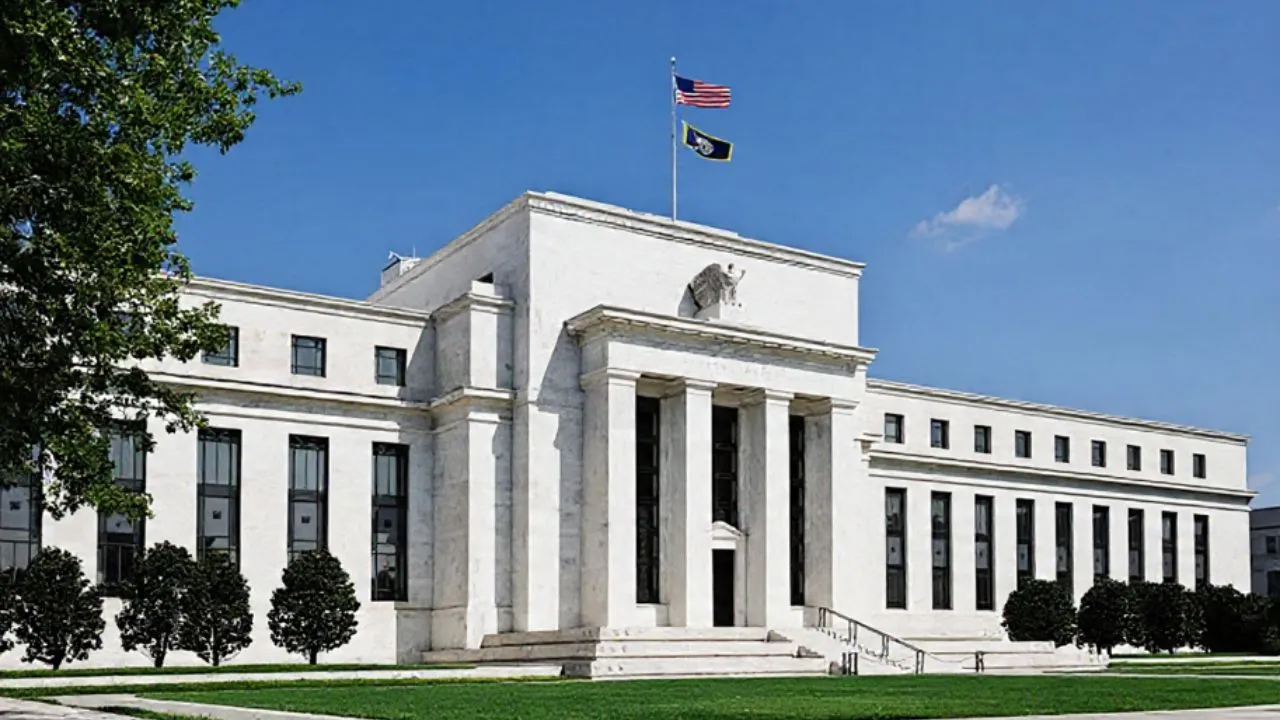
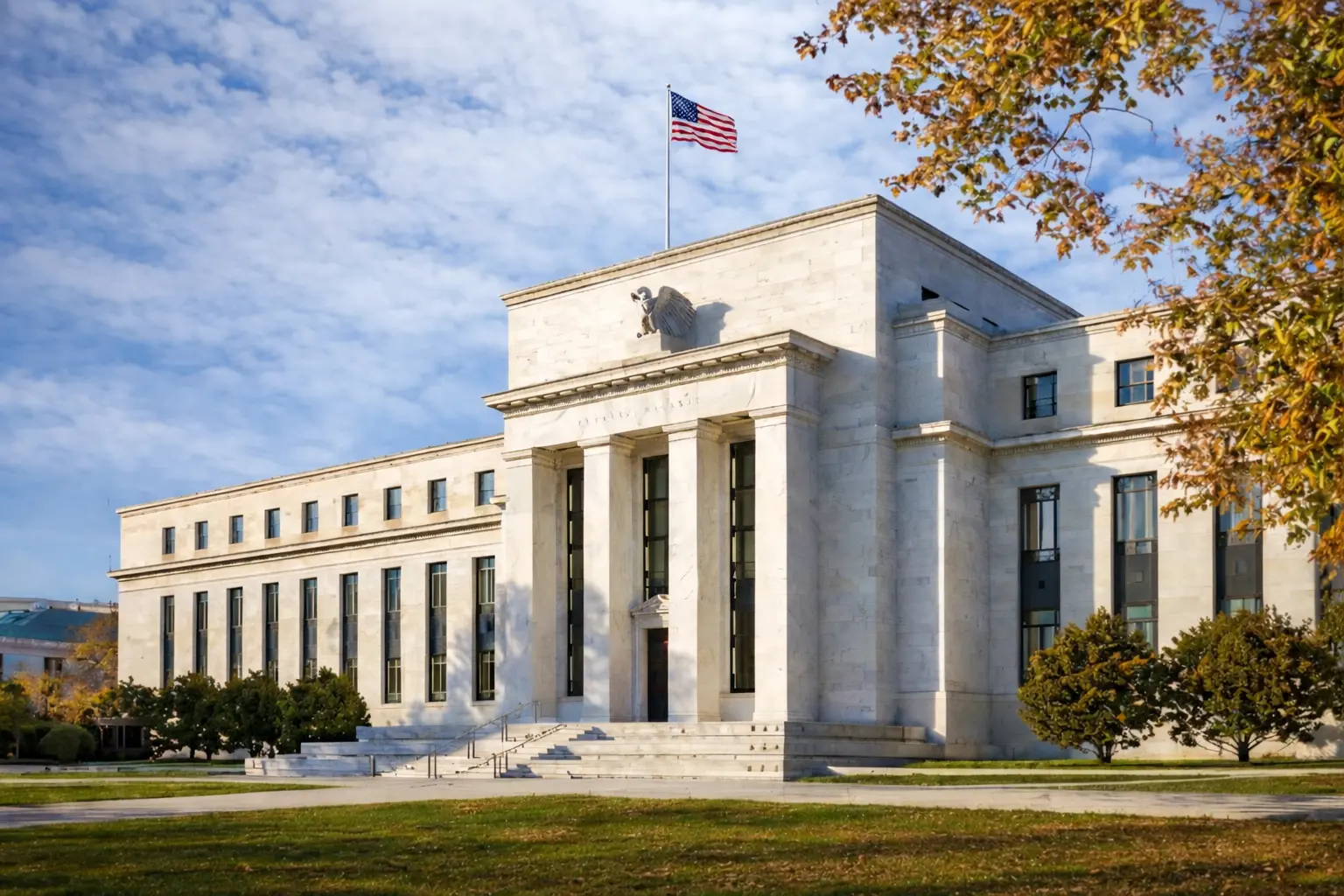
Behind the scenes, nothing has broken. What changes is not whether money exists or whether the government has authorized payment. What changes is which settlement systems are open to complete final transfers between institutions. The pause is mechanical, not financial.
Understanding this distinction is central to understanding how money movement actually functions in the United States.
The Infrastructure Beneath Every Deposit
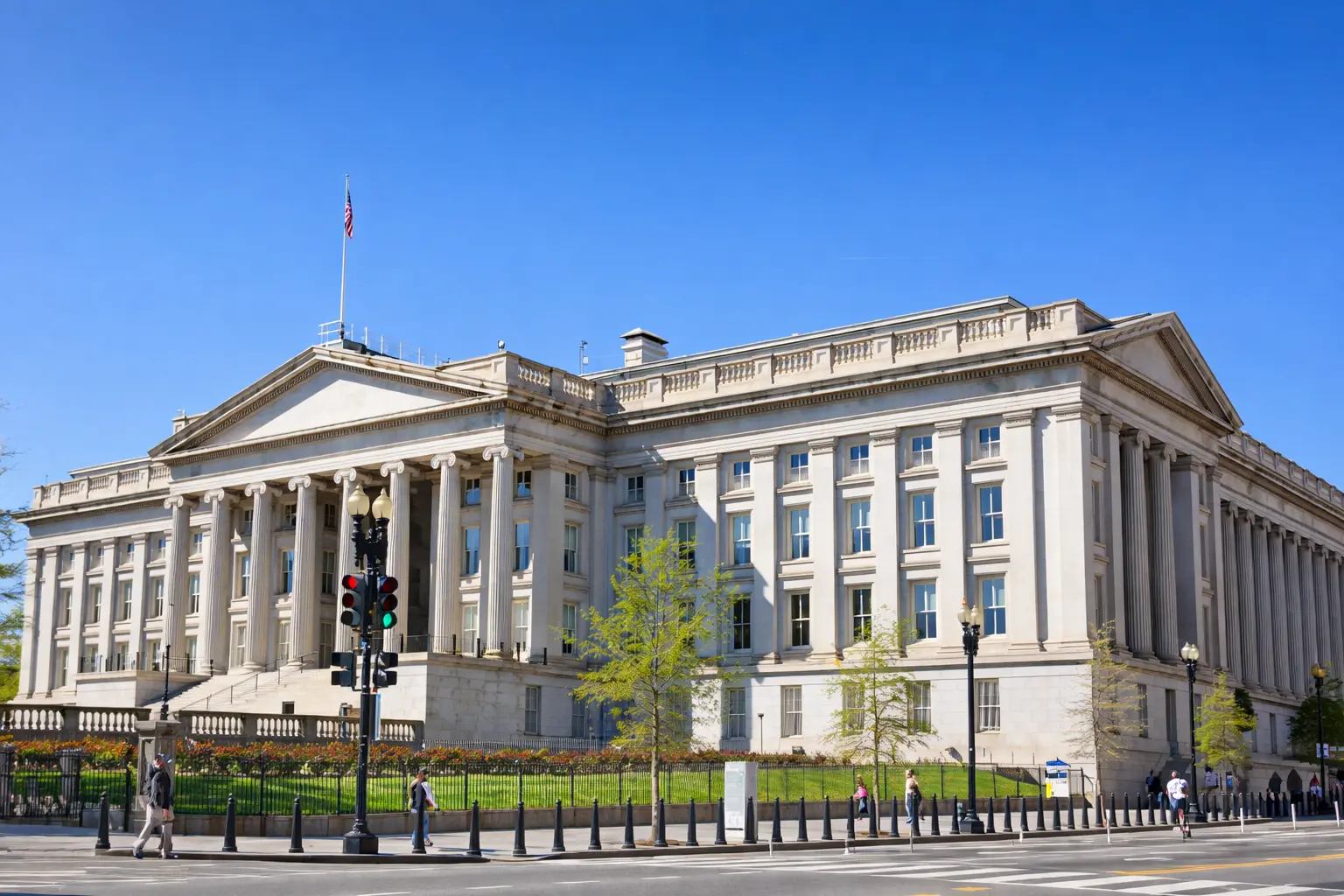
Every government payment begins as an instruction, not a transfer. The U.S. Treasury authorizes disbursements—payroll, tax refunds, benefits, vendor payments—long before households see funds appear. Those instructions move into clearing systems that route transactions between banks before final settlement occurs.
This structure is detailed throughout the deeper breakdown of the Treasury system itself. Commercial banks do not receive money instantly; they receive settlement confirmation through national rails such as ACH and Fedwire, which reconcile obligations between financial institutions.
When those rails close for a federal holiday, instructions continue stacking—but final transfers wait. This is the pause people feel.
Why Holidays Shift Liquidity Timing
Federal holidays suspend several core settlement operations. ACH batch processing does not clear, and Fedwire funds transfers close. Interbank liquidity movements pause until reopening.
Banks may still display pending credits based on incoming instructions, but they cannot complete settlement until systems resume.
The coordination between these rails—explored in depth through liquidity timing—creates a rhythm to U.S. money flows. Holidays compress that rhythm. Payments do not disappear; they queue.
When systems reopen, settlement releases in waves. That is why deposits often appear in clusters after long weekends rather than evenly spaced. This timing distortion is mechanical liquidity behavior, not administrative delay.
The Institutional Layer That Keeps Running
Even when clearing systems pause, federal cash operations continue internally. The U.S. Treasury tracks daily balances, outgoing obligations, and liquidity positioning continuously—a process documented through official Treasury data.
Authorization pipelines, risk controls, and funding allocations do not shut down with holidays; they simply wait for settlement rails to reopen.
This institutional continuity is why even large events—from a shutdown freeze to a specific refund delay—are ultimately timing disruptions, not payment cancellations. Money remains authorized and liquidity remains allocated.
Why It Feels Worse Than It Is
Humans experience money emotionally. When balances don’t update on expected days, anxiety fills the gap. In reality, the system is behaving exactly as designed. Holiday pauses concentrate settlement activity into fewer operational days, making delays more visible even though total payment volume remains unchanged.
This psychological friction explains why many households feel financial pressure despite having authorized income—a phenomenon explored in liquidity crisis research. Timing, not income, often drives financial stress.
What Pending Really Means
When a bank app shows “pending,” it usually reflects incoming instructions that have not yet completed interbank settlement. This state is not uncertainty; it is a queue. The mechanics behind that status are detailed in our deposit pending analysis.
Which shows how banks pre-credit accounts while awaiting final clearing confirmation. On holidays, that pending period naturally extends. The money is already in motion; the last mechanical step simply has not executed.
The Broader Holiday Liquidity Pattern
Over time, these pauses create recognizable patterns: settlement compression before holidays, queued releases after reopening, and temporary account stagnation in between.
This cycle is examined more closely in our coverage of holiday liquidity behavior. Markets, banks, and government systems anticipate these flows. Only households tend to experience them as surprises.
The Bottom Line: Structure Over Emotion
Federal holiday bank pauses do not stop money. They pause settlement mechanics. Authorization continues, liquidity remains allocated, and payment instructions flow steadily through institutional systems. Only the final clearing step waits for rails to reopen. Once they do, queued transactions release in orderly waves.
Money does not arrive; it moves. And on holidays, it simply waits for the last mechanical gate to open.
Author