The Quiet Behavioral Shift Around Bank Closures
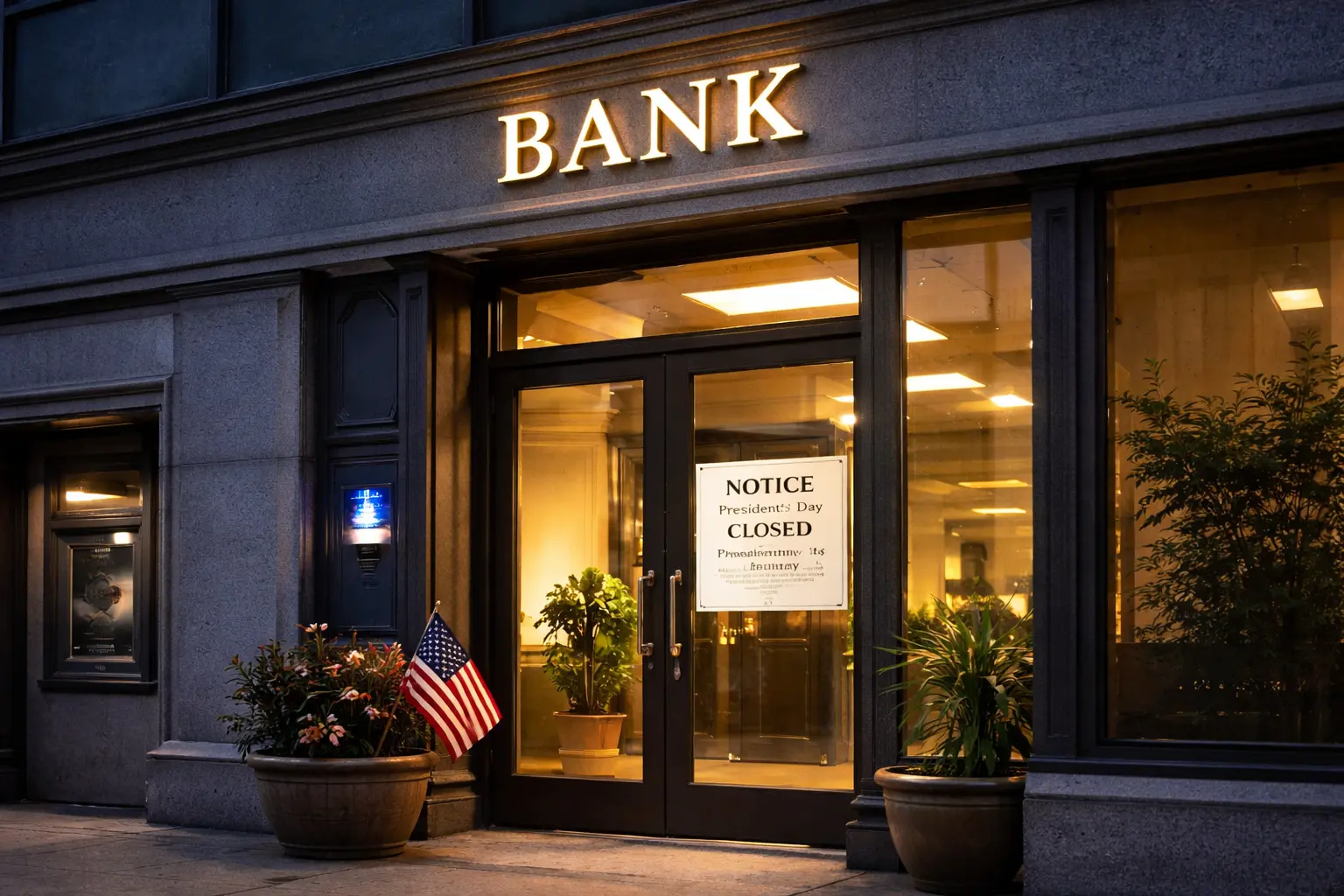
Every federal holiday creates a subtle pause in the rhythm of American financial life. Payroll calendars adjust, bill payments land earlier or later, and market activity softens. For most households, it feels like a simple scheduling inconvenience.
Yet behind that surface calm, the banking system is performing a coordinated slowdown and restart of liquidity movement that affects everything from corporate cash positions to consumer balances.
Humans experience holidays emotionally; systems experience them mechanically. When bank closures occur and settlement windows pause, money does not disappear.
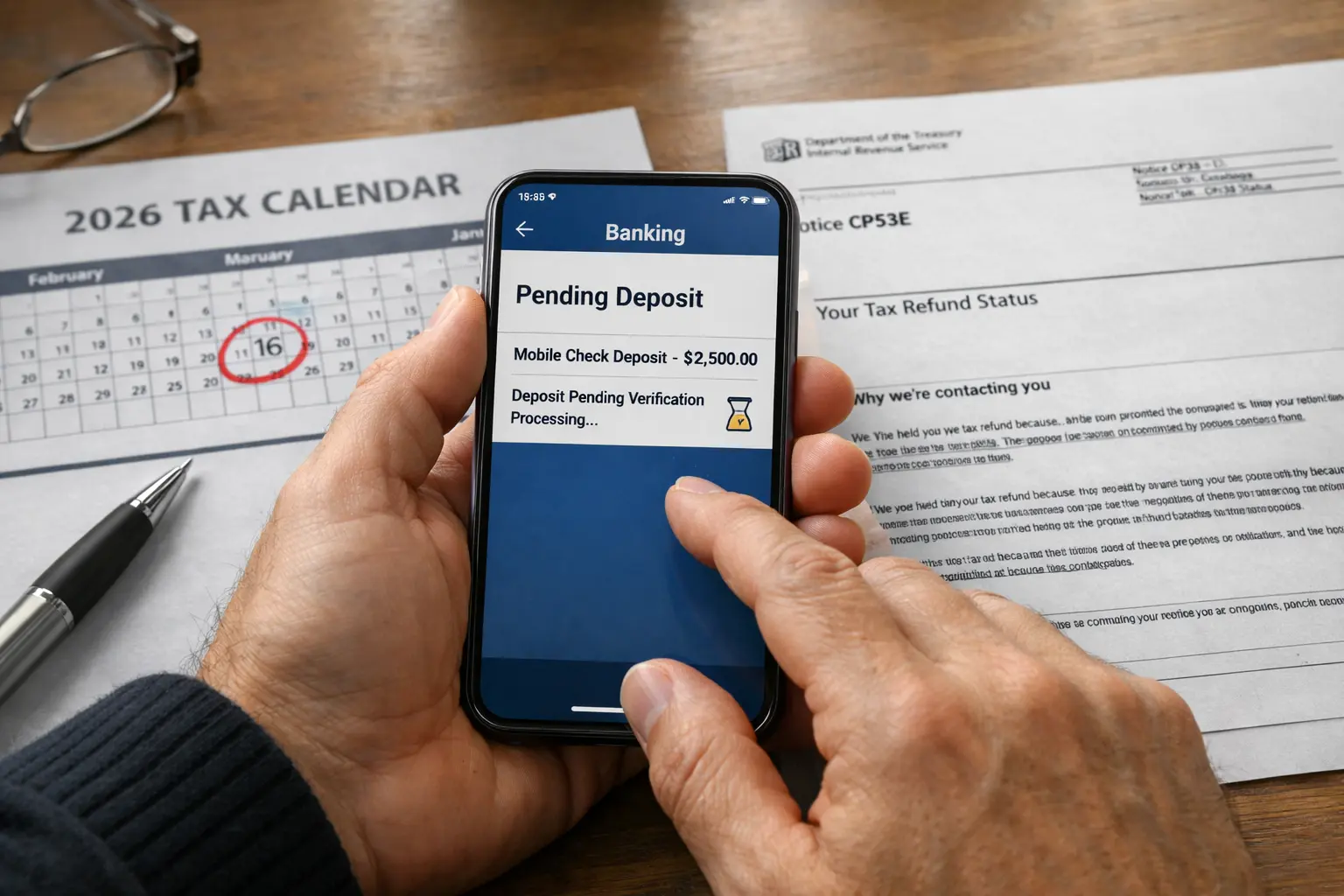
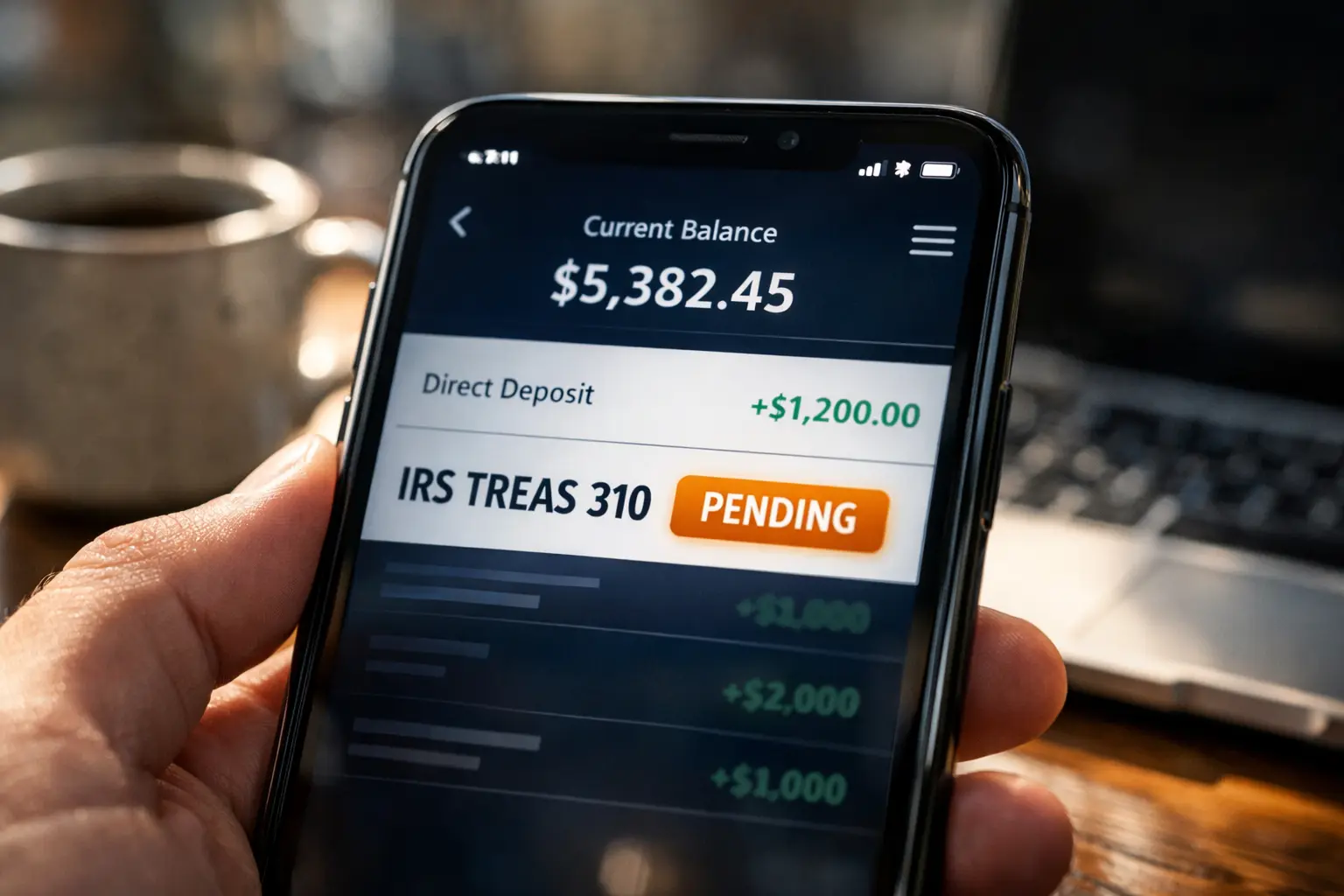
It queues, stacks, and reorders itself inside payment rails that were designed to operate in tightly controlled cycles. This is why deposit pending statuses appear and market liquidity thins even when economic demand remains unchanged.
Understanding this difference between human time and system time is essential to seeing how federal holidays quietly reshape U.S. banking liquidity.
How U.S. Payment Infrastructure Actually Pauses
The American financial system is not a single flow of money. It is a network of settlement channels governed by institutional operating hours, risk controls, and liquidity buffers.
Large-value transfers rely on Fedwire, while consumer and payroll flows move primarily through ACH. These payment rails coordinate around Fed operations calendars.
When federal holidays close settlement windows, these rails temporarily stop finalizing transactions even though instructions continue to enter the system. Banks still receive payment files, and employers still submit payroll, but settlement—the legal completion of money movement—waits.
Liquidity therefore accumulates in a holding pattern. This is why households often notice balances shifting earlier than usual before holidays, while institutions manage large pools of unsettled funds waiting to clear.
The Timing Mechanics That Shift Liquidity
Liquidity does not move continuously; it moves in settlement cycles. Before holidays, banks accelerate certain postings to reduce backlog risk. After holidays, settlement windows reopen and release accumulated transactions in compressed waves. This structural compression creates short-term liquidity distortions.
Markets feel it first as thinner trading volume. Banks feel it as temporary balance sheet bulges. Consumers feel it as deposits that appear at irregular times.
This mechanical behavior becomes especially visible during extended holiday flows, where the effect is a precise system designed to protect stability rather than convenience. Money flows are delayed by structure, not by shortage.
Institutional Liquidity Management Behind the Scenes
While households experience holidays as calendar events, financial institutions experience them as liquidity risk events. Banks must ensure they hold enough reserves to meet settlement obligations once systems reopen. The treasury system cash managers also align federal payment schedules around these closure periods.
This is where liquidity becomes a settlement timing discipline rather than a balance exercise. Even when trillions of dollars sit ready to move, settlement windows govern when they legally transfer. Institutional systems therefore build buffers around holidays, shifting liquidity forward and backward to maintain smooth clearance.
Why Households Feel the Effects
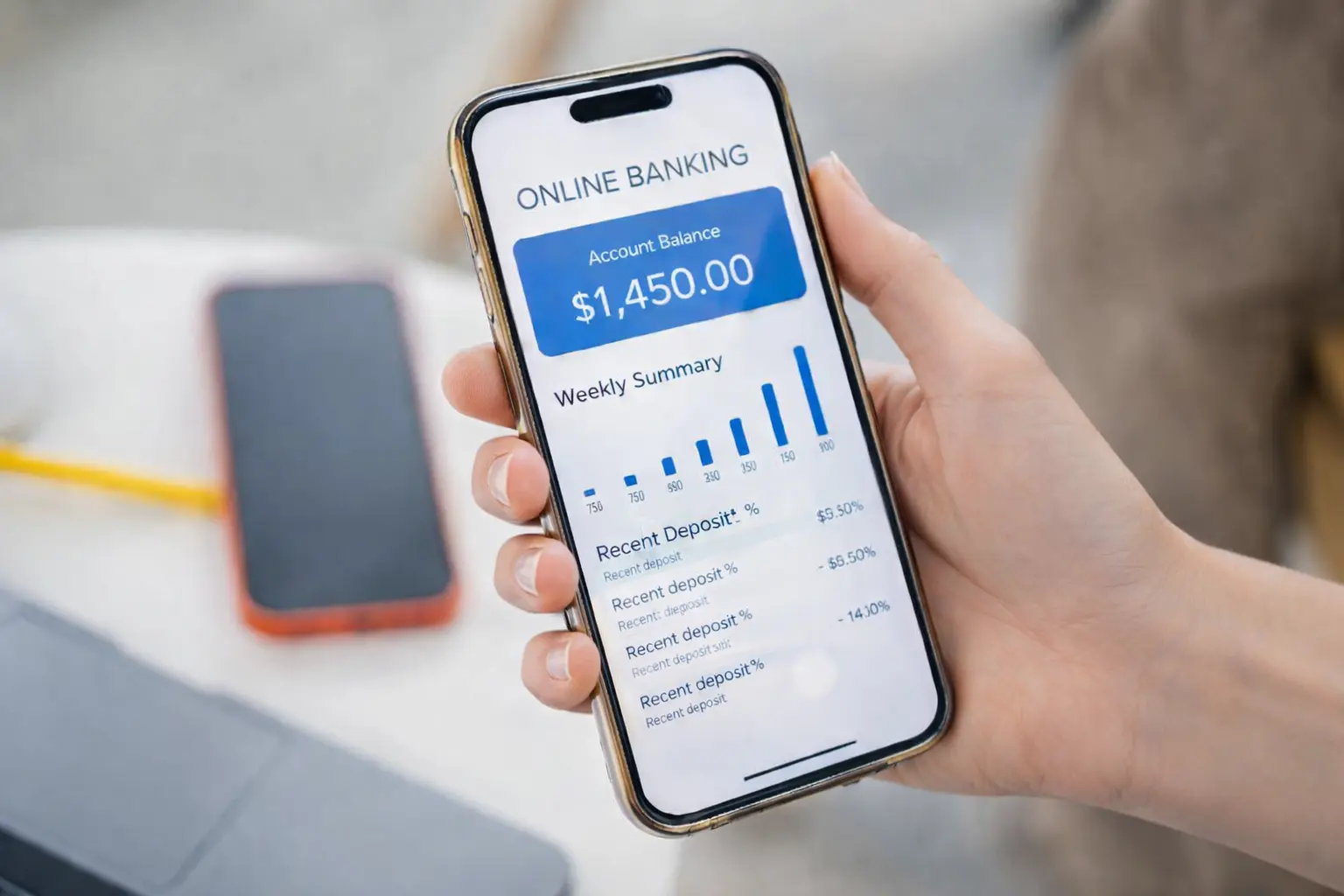
For everyday Americans, these system mechanics surface in subtle but consistent ways. Direct deposits may post earlier than usual, or transfers may linger in pending status.
None of this reflects economic stress; it reflects the reality that money travels through institutional settlement architecture that temporarily slows during federal holidays.
Once systems reopen, liquidity resumes its normal cadence—often in compressed waves that quickly normalize balances. Understanding this prevents misinterpretation. Delays are not shortages, and pending is not missing. They are simply structured pauses.
The Bottom Line: Liquidity Is Timing, Not Emotion
Federal holidays quietly reshape U.S. banking liquidity because settlement mechanics temporarily pause while payment instructions continue to accumulate. Money does not stop; it queues, it waits, and then it clears.
This structural rhythm explains why deposits shift, transfers slow, and markets soften around closures. It also reinforces a central truth: liquidity is governed by settlement timing, not by calendar sentiment. When viewed through this lens, banking behavior becomes predictable and stable.
For a deeper foundation on how these payment rails interact daily, revisit our money system overview and explore how timing drives real-world liquidity behavior.
Author