March 26, 2026 • 6:14 AM ET
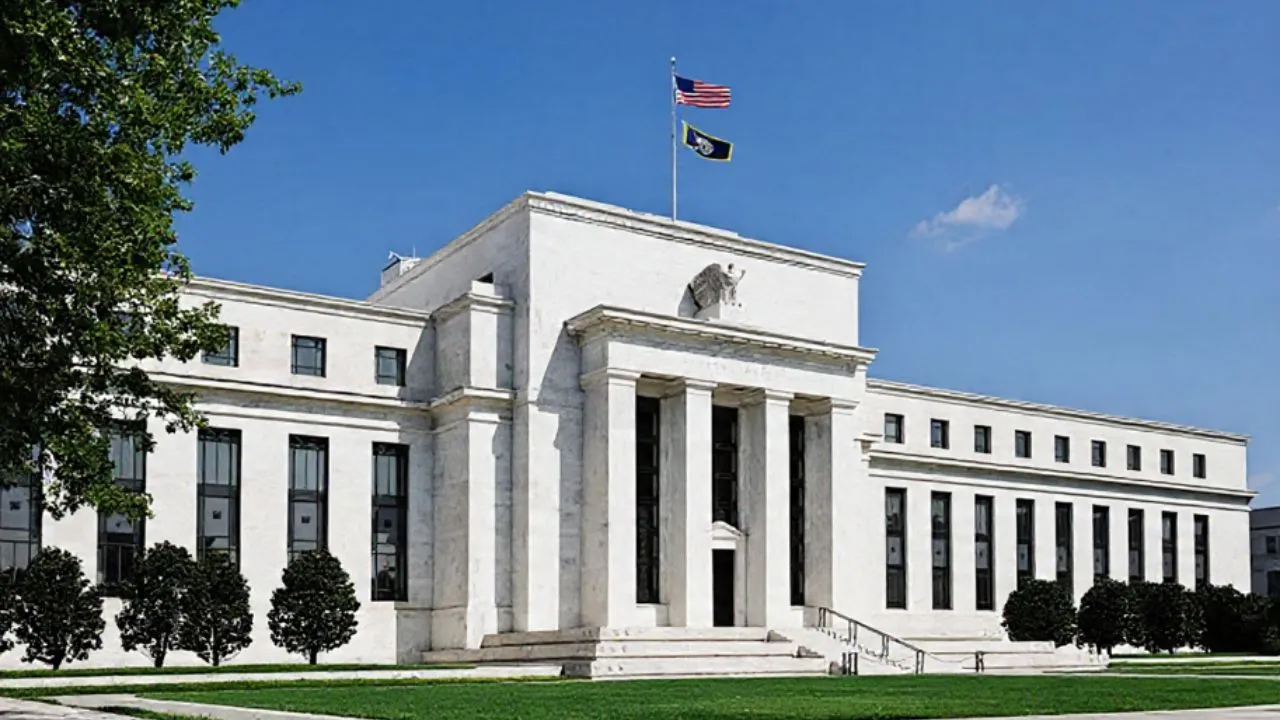
The Federal Reserve confirmed an $18.7 billion operating loss for 2025 in its audited financial statements released Wednesday, March 25 — down sharply from $77.6 billion in 2024, according to the FOMC rate statement.
The Fed loss for 2025 landed at $18.7 billion, confirmed in audited financial statements released by the Federal Reserve Board on Wednesday. Fed annual statements that number sounds alarming on its own.
However, the full picture tells a very different story — and understanding it explains exactly why your savings rate, your borrowing costs, and your direct deposit environment are all shaped by what the Fed does next. The Fed loss is the smallest in three years, and the trajectory matters more than the headline figure.
What the Federal Reserve’s $18.7 Billion Loss Actually Means
The Federal Reserve earns money from interest on the bonds it holds and from fees on financial services it provides to banks. When the Fed pays more in interest to banks than it earns from those bonds, it runs an operating loss.
That is exactly what has happened since late 2022, after the Fed raised rates sharply to fight inflation. The $18.7 billion 2025 operating loss is a dramatic improvement from what came before.
The Fed posted a $77.6 billion loss in 2024 and a $114 billion loss in 2023. The main reason for the improvement is straightforward: interest expenses fell from $226.8 billion in 2024 to $167.4 billion in 2025, as the Fed cut rates three times last year.
Interest income came in at $155.3 billion for the year. The gap between what the Fed pays out and what it earns is closing fast. The Fed has been explicit on one critical point. Losses like these do not affect the Fed’s ability to process payments or carry out monetary policy.
Your Social Security deposit, your IRS refund, and your payroll direct deposit all move on the same schedule regardless of what the Fed’s income statement shows.
The Deferred Asset: The $243.5 Billion Tab That Affects Your Money
When the Federal Reserve runs an operating loss, it does not collapse or require a government bailout. Instead, it records the shortfall as a deferred asset — essentially a running tab owed to the U.S. Treasury.
Until the Fed pays down that tab entirely, it stops sending its profits to the Treasury as normal government revenue. Those remittances typically reduce the federal deficit by tens of billions of dollars per year. The last time the Fed paid a remittance was 2022, when it returned $76 billion to the government.
Right now, the deferred asset stands at $243.5 billion — the cumulative total of losses since late 2022. Analysts widely expect the Fed will not resume Treasury remittances until 2030 at the earliest. This matters for regular Americans in one specific way.
Without those remittances, the federal government must borrow more to cover spending. More government borrowing puts upward pressure on long-term interest rates across the economy.
In practice, that means mortgage rates, auto loan rates, and credit card rates all stay elevated longer than they would if the Fed were operating at a profit and sending money back to Treasury. Understanding how the Fed rate decision flows through to your actual account balance is the piece most coverage skips.
The Rate Cut Freeze: What the March 18 FOMC Decision Tells You
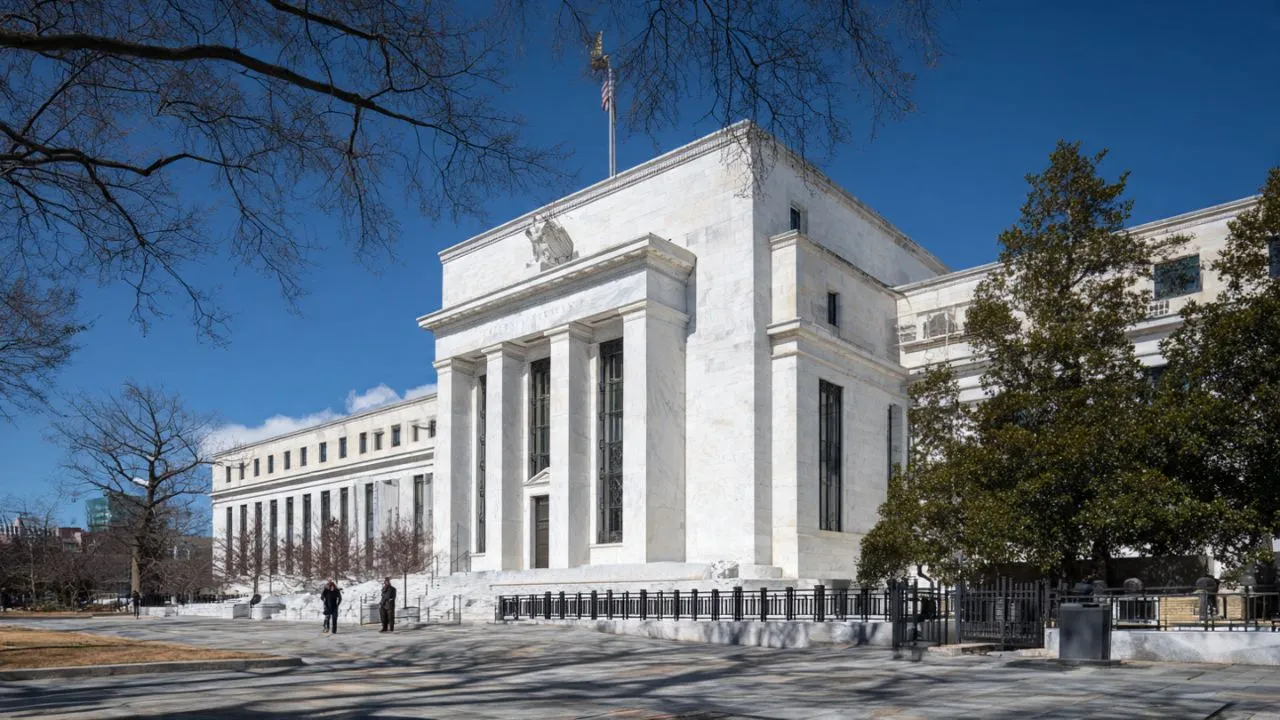
The Federal Open Market Committee met on March 17–18, 2026, and voted to hold the federal funds rate steady at 3.5 to 3.75 percent, according to the March rate decision.
This was the second consecutive meeting with no change. Inflation remains above the Fed’s 2 percent target, and uncertainty around the economic outlook — including developments in the Middle East — kept the committee cautious.
The median FOMC participant projects the federal funds rate will reach 3.4 percent by end of 2026 and 3.1 percent by end of 2027. That signals one small cut this year, at best. For most people, this means borrowing costs are not coming down quickly.
Your savings account rate is directly tied to the Fed’s benchmark. When the Fed holds rates steady, banks have little pressure to raise the interest they offer depositors. High-yield savings accounts are not improving meaningfully from today’s levels. If you are waiting for rates to fall before refinancing a mortgage or paying down variable-rate debt, the Fed’s current posture says patience is required well into late 2026.
How the Fed’s Balance Sheet Connects to Your Direct Deposit
The Federal Reserve’s payment systems handle millions of direct deposits every business day. This includes Social Security benefits, IRS refund deposits, VA payments, and payroll for millions of Americans. These transactions are processed seamlessly through the Fed’s payment systems, ensuring that funds reach recipients on time, every time.
Importantly, the Federal Reserve’s operating losses do not affect this function. The Fed has clearly stated that such losses do not impair its ability to meet financial obligations or manage the payment systems.
However, the broader financial environment the Fed maintains has a real and indirect effect on households. A Fed managing a $243.5 billion deferred asset while holding rates steady has less flexibility to cut quickly if the economy weakens.
That means elevated borrowing costs persist. If you are waiting on an IRS refund, a Social Security benefit, or a VA payment, the timing of that deposit does not change because of the Fed’s profit or loss.
What changes is the rate environment your money lands in once it arrives. The U.S. money movement system determines when federal payments hit your account — and that process is entirely separate from Fed balance sheet performance.
The Balance Sheet Pressure Building Into 2027
Incoming Federal Reserve Chair nominee Kevin Warsh has publicly called for shrinking the Fed’s balance sheet further. A smaller balance sheet means the Fed holds fewer bonds, earns less interest income, and takes longer to pay down the deferred asset. That in turn delays the resumption of Treasury remittances by months or years.
A reduced balance sheet also tightens financial conditions in the broader economy. For households, tighter conditions generally mean stricter lending standards, less generous loan terms, and more sustained pressure on adjustable-rate debt. This does not happen overnight. However, it is a pressure that builds steadily through 2027 and into 2028.
The people most affected are those carrying variable-rate debt. That includes adjustable-rate mortgages, credit cards tied to the prime rate, and home equity lines of credit. None of this is a sudden crisis. It is a slow squeeze that rewards households who take action now rather than wait for the environment to improve on its own.
Anyone tracking the Social Security Fairness Act payments should understand that the rate environment the Fed holds this year directly shapes how far those dollars stretch.
What You Should Do Right Now
The Fed loss story is not a payment disruption event. Your direct deposit arrives on its normal schedule. However, the rate environment the Fed is holding right now has specific implications for your finances over the next 12 to 18 months. Here is exactly what to do.
1. Lock in fixed-rate savings products now. With the federal funds rate at 3.5–3.75 percent and only one small cut projected this year, a fixed-rate CD or high-yield savings account locks in a competitive yield. Waiting for meaningfully better rates likely means waiting until late 2026 at the earliest.
2. Review every variable-rate debt you carry. Credit cards and adjustable-rate loans remain expensive. Use the current stable rate window to pay down balances before any potential economic softening changes your income picture.
3. Do not delay financial decisions over payment fears. Your IRS refund, Social Security benefit, or payroll deposit moves on the Treasury payment schedule and is not disrupted by the Fed’s operating loss. No action is needed on that front.
4. Monitor the FOMC meeting calendar. The next rate decision will be watched closely for any signal of an earlier-than-expected cut. The official schedule is published at FOMC meeting calendar.
5. Revisit your savings account rate. If your bank is offering below 4 percent annually on a high-yield account, compare options. Rates are not rising further right now, but they are also not collapsing. The current environment still rewards savers who shop actively.
The Fed loss of $18.7 billion in 2025 is the clearest sign yet that the worst is behind the central bank. Rates are on hold at 3.5–3.75 percent, the deferred asset is large but declining, and the Fed has confirmed the Fed loss does not touch your payments. What it does shape is the borrowing and saving environment around your money for the next two years. That is what deserves your attention today.
Editorial Note: Investozora is an independent news publication. This content is for informational purposes only. For official guidance, please visit federalreserve.gov.