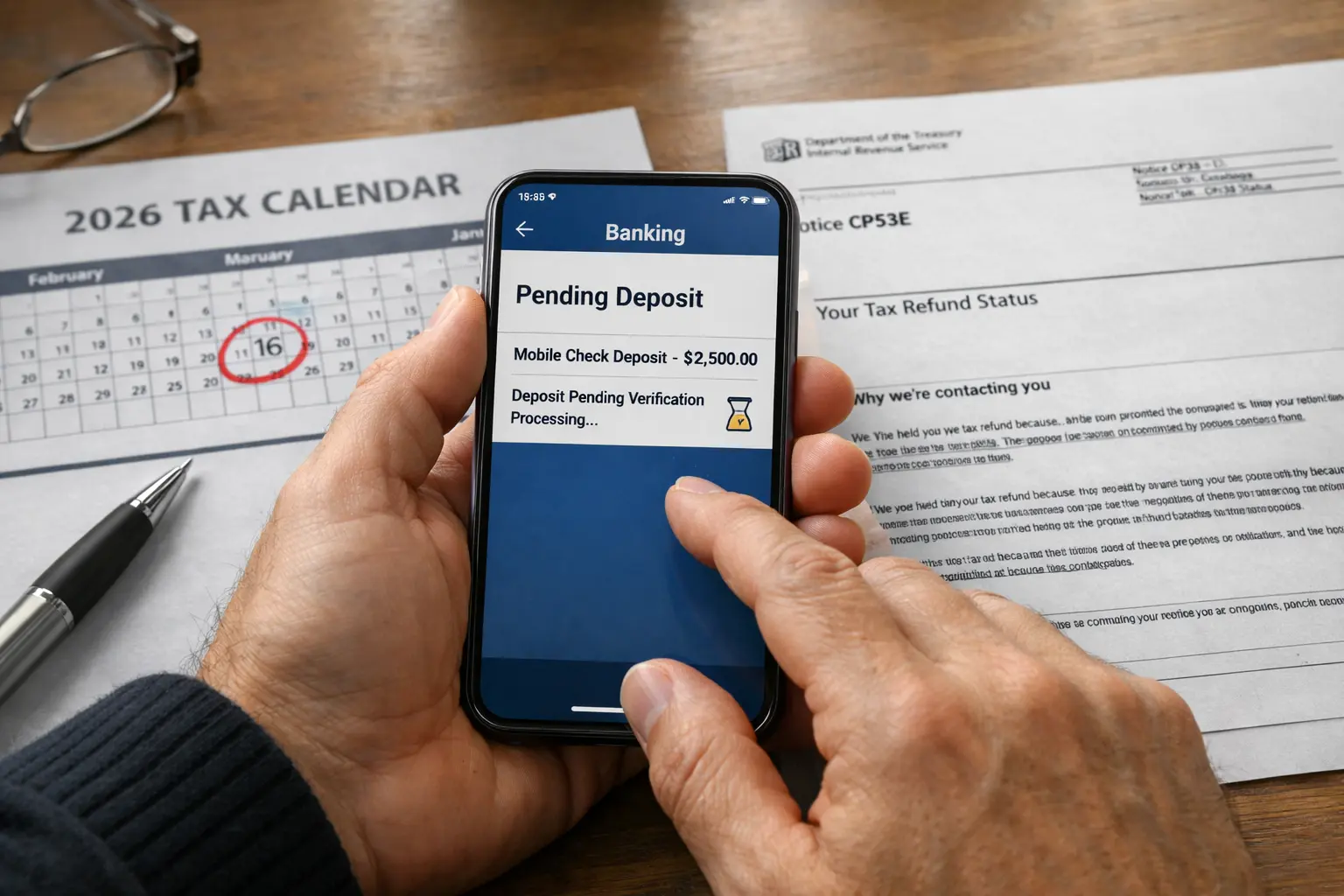
Every dollar in the United States travels a definitive path. Rather than moving metaphorically, money shifts structurally. When a tax refund arrives, when payroll posts, or when Social Security clears, those funds do not simply appear.
Instead, they navigate a coordinated, regulated, and precisely timed financial infrastructure that processes trillions of dollars daily. Most people only witness the final step, which is their bank balance.
What they rarely observe, however, is the complex architecture underneath. This article explains the complete system, from initial Treasury release to final bank settlement with absolute institutional clarity.
The Scale of the U.S. Payment System
According to Federal Reserve data, the domestic payment system processes over $4 trillion per day in combined ACH, Fedwire, card network, and wholesale transfers. Throughout 2023, the scale was immense:
- The ACH network successfully processed more than 31 billion payments totaling over $80 trillion.
- Fedwire Funds Service moved over $1 quadrillion in annual value.
- Finally, the Treasury disbursed hundreds of billions in federal payments, including crucial tax refunds and various social benefits.
You can review these figures via the Federal Reserve Payments Study. Such massive scale inherently requires rigid structure, and that structure inevitably creates specific timing requirements.
Step 1: Authorization Is Not Settlement
One of the most misunderstood aspects of national money movement is the fundamental difference between authorization and settlement. When the IRS marks a refund as approved, that action represents authorization, not settlement.
Settlement is the final, irrevocable transfer of funds between reserve accounts held at the Federal Reserve. You can find the nuances of this process explained in our settlement timeline explained framework.
While authorization confirms that a payment is cleared administratively, settlement proves the money has moved systemically. These distinct layers often confuse consumers, which leads to unnecessary anxiety.
Step 2: Treasury Release Into the Federal Network
When the U.S. Treasury releases funds, the electronic instruction enters the federal payment pipeline. Treasury disbursements move through the Bureau of the Fiscal Service, which diligently coordinates ACH transmissions and Fedwire instructions. You may verify this through the Bureau of the Fiscal Service.
Although the release itself often occurs overnight, that release does not equal immediate availability. Funds must first successfully enter the clearing network. Our institutional timing analysis regarding Treasury payment architecture documents this flow extensively.
Step 3: Clearing Through the ACH Network
Most retail federal payments travel through the Automated Clearing House. Because ACH operates in scheduled batches, it follows specific rules. As of current NACHA operating standards, standard ACH includes multiple daily settlement windows, such as morning and afternoon processing cycles.
Furthermore, Same Day ACH has expanded to include several same-day windows, yet even these remain strictly structured and cutoff-driven. You can learn more via the official NACHA system overview.
Since ACH aggregates transactions into net positions, banks receive the necessary files before final posting occurs. Consequently, this gap is not a malfunction; it is a vital form of risk management.
Step 4: Federal Reserve Settlement
Behind the ACH network sits the critical Federal Reserve settlement system. The Federal Reserve maintains reserve accounts for financial institutions, and settlement occurs when balances are adjusted between those accounts.
While Fedwire Funds Service provides real-time gross settlement for high-value transfers, ACH provides deferred net settlement. The liquidity mechanics balancing these systems are explored in our fedwire ach liquidity timing study. Systemic trust is enforced here, as funds are not considered spendable until settlement finality is officially confirmed.
Step 5: Bank Posting Windows
Once settlement occurs, banks must update their internal core ledgers. This process dictates when consumer visibility actually happens. Because each institution defines its own posting schedule, some post at midnight, whereas others wait until between 6:00 AM and 9:00 AM.
You can compare these variations in bank posting timing. Ultimately, the ‘pending’ status many customers observe is not a delay. Instead, it serves as a necessary synchronization phase between interbank settlement and consumer ledger availability.
According to Investozora Research: Timing Is Structural, Not Emotional
After analyzing dozens of payment cycles across IRS refund seasons, federal benefit dates, payroll cycles, and various bank posting behaviors, Investozora’s research shows several key findings. First, most perceived delays fall within standard U.S. money movement system architecture windows.
Furthermore, what appears as a disruption is often just simple batch sequencing. Although banking apps now expose intermediate states, whereas years ago consumers only saw final balances, this increased transparency has unfortunately heightened consumer anxiety rather than system instability.
The Invisible Risk Buffer
Why does the financial system operate in these distinct stages? Primarily, liquidity risk must be contained. If funds were released instantly upon authorization without settlement confirmation, systemic exposure would rise dramatically.
Consequently, banks must reconcile reserve balances, confirm net settlement, update internal ledgers, and manage intraday liquidity. This risk buffering remains essential for maintaining the stability of the U.S. financial system. You may read our liquidity timing stability framework for more details.
Federal Holidays, Weekends, and Market Drift
Federal holidays frequently suspend certain settlement operations. You can reference the official Federal Reserve Holidays calendar. Additionally, weekend timing compresses ACH files into Monday windows, which explains why users often perceive a ‘Sunday freeze.’
In reality, it is not freezing; it is simply the result of closed settlement cycles. We break this down structurally in our guide to Federal Holiday Bank Pauses.
Why This System Will Matter More Over the Next Decade
The United States is currently transitioning toward faster payment rails. Although the FedNow Service launched to support real-time payments infrastructure, even instant rails require liquidity positioning and robust risk controls.
As digital wallets expand and federal payments scale, understanding this infrastructure becomes increasingly critical. The future will not eliminate settlement timing; rather, it will significantly compress it.
Therefore, institutions that understand the difference between visibility and finality will successfully maintain systemic trust.
The Bottom Line
Money in the United States does not move randomly. Instead, it transitions through authorization, transmission, clearing, settlement, and posting. Each stage exists specifically to protect financial stability. Consequently, when a deposit shows pending, when a refund is approved but not yet available, or when posting windows vary, those moments are not glitches.
They are infrastructure. Because that infrastructure is built for safety first and speed second, understanding its architecture fundamentally changes how you will interpret every future financial transaction.
Author