Most Americans experience money as something that simply appears. A paycheck shows up. A refund lands. A transfer clears. The screen updates and life continues.
Yet behind every digital confirmation sits a complex web of financial infrastructure that quietly governs when funds truly move, when they settle, and when liquidity becomes real. What feels instantaneous is almost never immediate.
Beneath mobile apps and bank notifications operates a national system of clearing networks, settlement windows, institutional buffers, and timing controls — all designed to keep trillions of dollars flowing without systemic failure.
Understanding this invisible machinery reveals why balances sometimes show pending deposits, why weekends feel slower, why holidays disrupt flows, and why liquidity behaves differently than most households expect.
By the end of this article, you’ll understand how America’s payment rails infrastructure truly works — not as a tech feature, but as a structured financial system built around timing, risk control, and institutional coordination.
The Human Reality of “Instant” Money
Consider a typical Friday afternoon payroll deposit. A teacher finishes work, opens her banking app, and sees her salary labeled as received. Rent is scheduled. Groceries are planned. Bills are queued. Everything appears settled.
Yet behind that digital confirmation, her money hasn’t fully settled across the banking system. Her employer’s bank has sent instructions. Clearing networks have processed transaction batches. Her bank has provisionally credited funds based on expected settlement — not completed settlement.
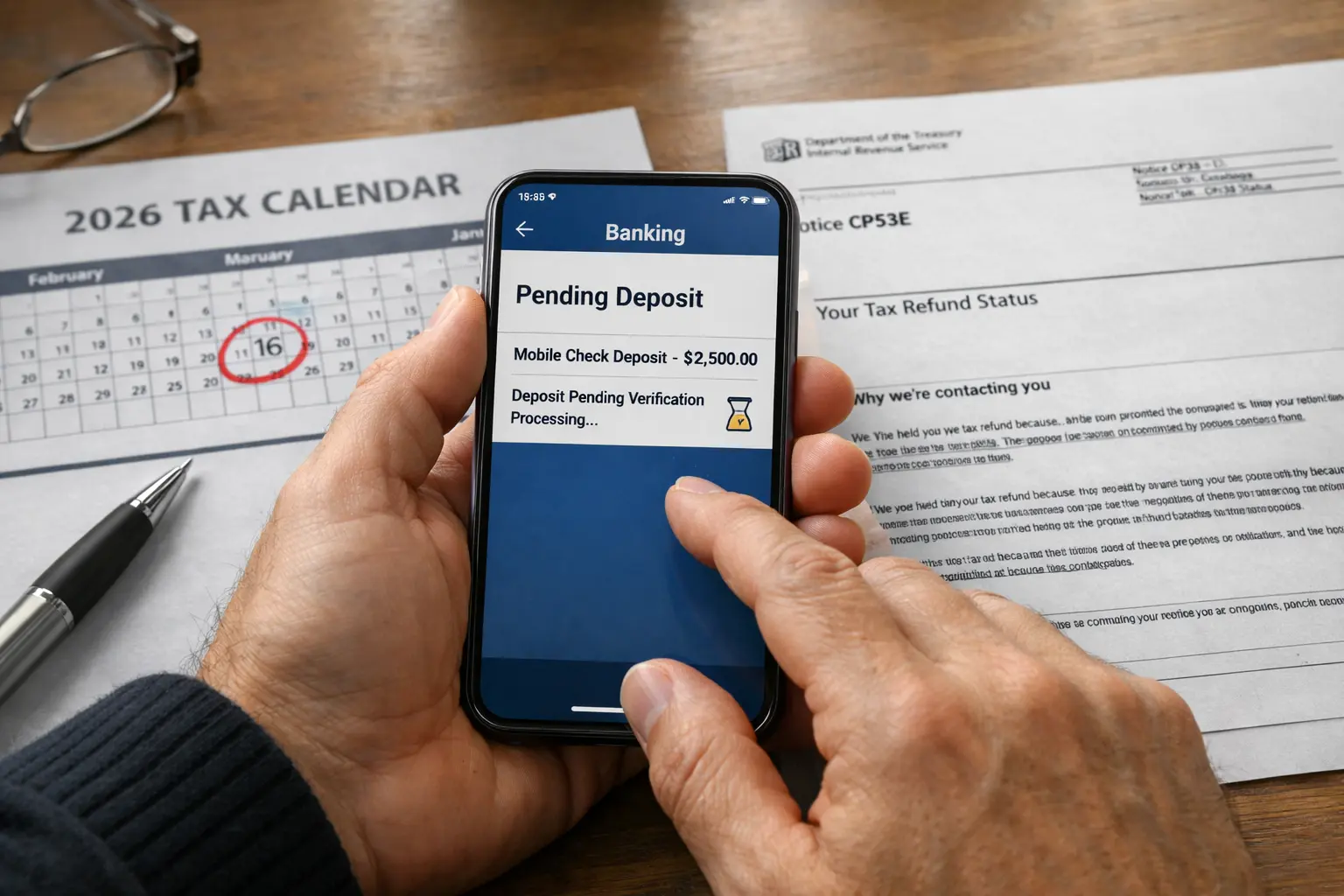
This is why balances often display as pending deposits before becoming fully usable. Most households live on provisional liquidity more often than realized. The system works remarkably well — but it is not instantaneous. It is structured.
How America’s Payment Rails Actually Move Money
At the core of U.S. money movement sit several coordinated payment systems that banks use to clear and settle obligations between one another. These rails don’t just transmit funds; they manage risk.
When a bank credits your account, it often does so before final settlement occurs because institutional trust and regulatory frameworks allow temporary liquidity based on expected completion.
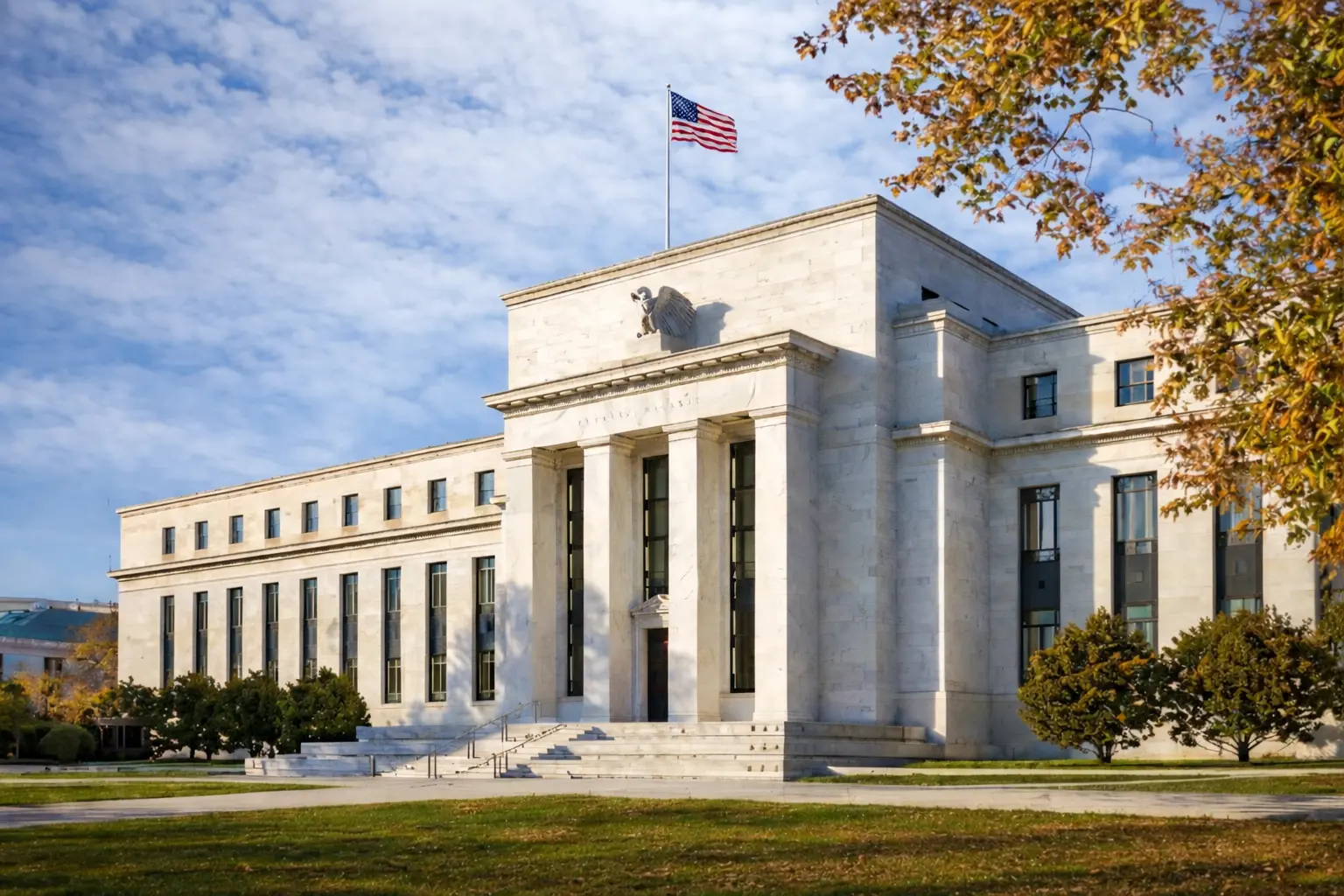
The Federal Reserve operates major clearing mechanisms that underpin this structure, coordinating transfers, interbank settlements, and systemic stability across the financial system.
In simple terms, your money moves in phases:
Instructions transmit.
Clearing verifies obligations.
Settlement windows finalize funds movement.
Only after settlement does liquidity fully become real. This timing difference is why the system relies heavily on structured settlement cycles.
Timing Is the Real Currency of Liquidity
Speed gets the headlines. Timing controls reality. Money may travel electronically in seconds, but institutional settlement occurs in organized settlement windows designed to minimize risk across banks.
This is why transfers slow over weekends, pause during federal holidays, and behave differently near system closures — patterns visible in holiday liquidity cycles. It’s also why flows shift around long weekends as institutional desks reduce exposure ahead of settlement gaps — a phenomenon seen in market drift periods.
Liquidity is not emotional; it is structural timing. Banks temporarily extend credit based on expected clearing, then reconcile positions through scheduled institutional settlement. This design keeps the system stable even under massive daily transaction volume.
The Institutional Layer Most Consumers Never See
Beyond household transactions sits a massive institutional liquidity engine. Large banks, clearinghouses, and financial institutions continuously manage exposure between settlement windows. They track expected inflows, obligations, and buffer reserves to ensure that temporary credits don’t trigger systemic strain.
This is where unseen stress can quietly build — what many analysts describe as a shadow liquidity layer — moments where transactional volume remains high while real settlement lags behind visible balances.
Institutions constantly reposition risk ahead of settlement cycles, especially around holidays and volume slowdowns — detailed in risk positioning behavior. The brilliance of the payment rails isn’t speed; it’s controlled synchronization.
Why This Invisible System Matters for Households
For everyday Americans, these mechanics shape far more than bank notifications. They determine:
Why deposits sometimes appear but aren’t immediately spendable, transfers stall over weekends. Why refunds feel inconsistent around holidays. And why balances don’t always reflect real true liquidity.
Understanding this structure reduces financial anxiety. The system isn’t broken when money feels delayed; it’s working exactly as designed. True liquidity only exists after full clearing. Once households recognize that timing governs money — not instant transmission — financial planning becomes calmer, smarter, and more predictable.
The Bottom Line: Money Moves Through Structure, Not Screens
America’s payment rails infrastructure is one of the most sophisticated financial systems in the world. It moves trillions daily with remarkable stability. But it does so through layered timing, institutional trust, and structured settlement — not instant cash movement.
Liquidity flows in phases. Settlement mechanics finalize reality. Timing governs availability. When consumers understand these mechanics, everyday banking behavior makes sense.
And when viewed at scale, this system connects directly back to the broader architecture of U.S. money movement — the foundation explored in the analysis of money movement across Treasury operations, banks, and financial infrastructure.
Author