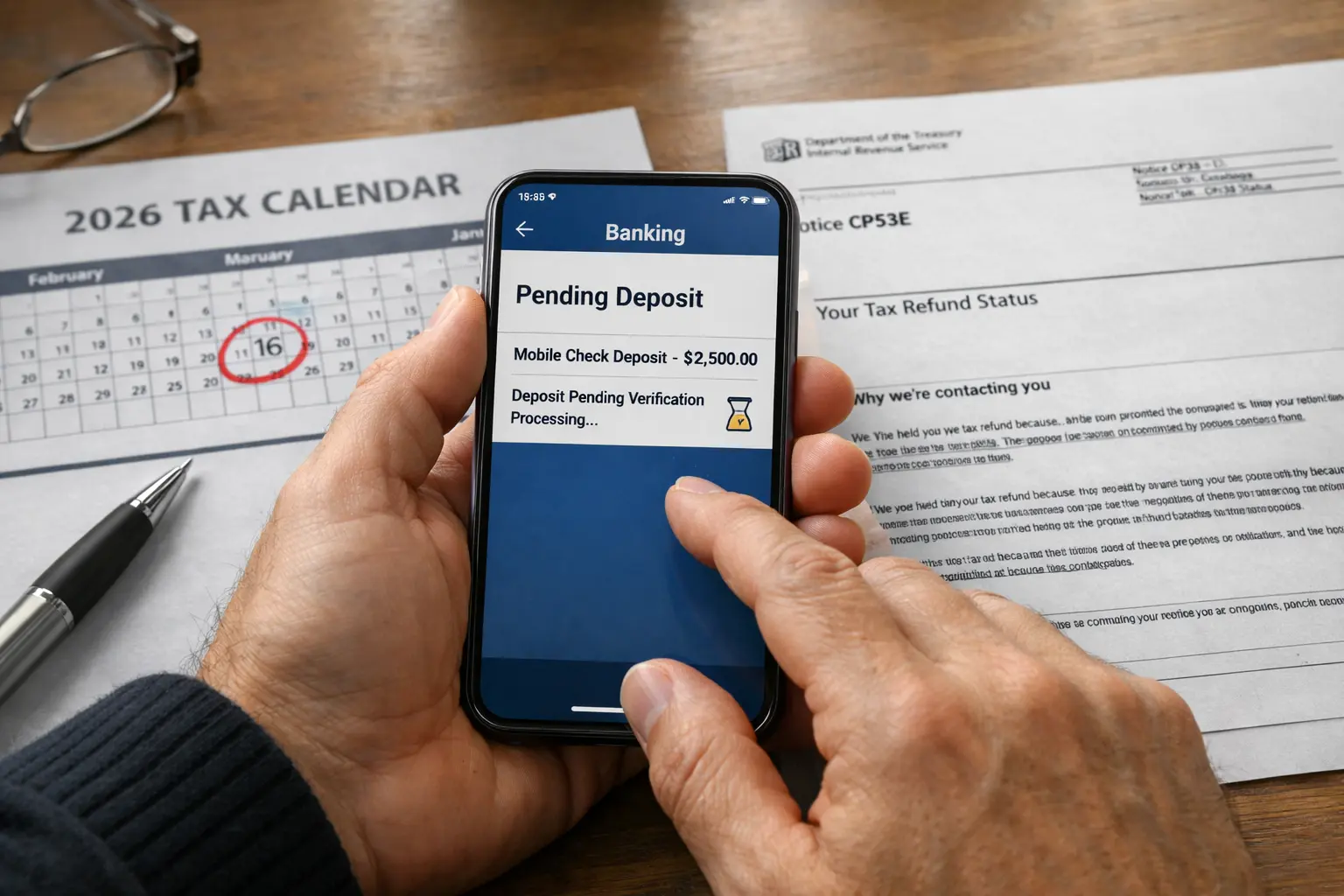
On Monday morning, millions of Americans opened the IRS Where’s My Refund tool and saw a message that creates instant confusion: Approved. But no money in the account. The emotional reaction is immediate, did something go wrong, did the bank hold it, or was it intercepted? In most cases, none of that is true.
When you see IRS refund approved but not paid, you are witnessing a gap between authorization and settlement—and that gap exists by design. When the IRS marks a refund as “approved.” It means the return passed internal review and has been authorized for release, but it is still preparing to issue it by the date shown.
Authorization is not the same as money landing in your bank account. Before a refund appears, the Treasury Bureau of the Fiscal Service schedules the payment file. The payment transmits through federal rails like the Treasury payment system processing, and the receiving bank processes and posts it.
That sequence can take hours, or sometimes one business cycle. If the approval happens late in the day near a processing cutoff, the deposit may not appear until the next settlement windows. This week, that timing matters more because many banks batch-process federal payments overnight, similar to how direct deposit pending status works before clearing.
Why This Week Feels Slower
During heavy filing weeks, Treasury payment volumes increase sharply, compressing processing windows. That doesn’t stop refunds, but it does mean files are transmitted in batches. Banks prioritize based on processing time, and posting may shift to the next cycle. If you’ve ever noticed a deposit show as “pending” before fully clearing, the same structure applies here. The money is scheduled, it just hasn’t finalized.
Bank Posting Is Separate
Banks control posting visibility. Some institutions immediately display pending federal deposits; others wait until funds fully settle. Two taxpayers can receive the same refund file at the same time and see different experiences on their banking app, that’s not an IRS problem, it’s bank-side posting behavior. This is why IRS refund approved but not paid does not automatically signal a delay, only a processing stage. For context on the broader U.S. money movement system, payments follow structured federal rails.
When To Be Concerned
There are only a few situations that warrant concern: no deposit 3–5 business days after approval, offset for federal or state debt, account mismatch or closed account, or refund flagged for review. Otherwise, short gaps are operational. The Treasury does not release funds and “hold” them randomly, payment rails follow structured schedules.
The Psychological Part
Tax refunds are not just numbers, they represent catch-up rent, credit card payoff, emergency fund rebuild, and psychological relief. So when the app shows “approved” but your balance doesn’t change, it triggers anxiety. But this week especially, most delays are not financial distress signals, they’re timing mechanics, as money moves through systems, not emotion.
What To Expect Next
If your refund shows approved today, same-day posting is possible, overnight batch posting is common, and next-business-day settlement is normal, most deposits clear within 24–48 hours of approval. Watch your bank for pending indicators. And when they do, the system will look calm again, even though nothing dramatic changed, because the system didn’t fail, it processed.
Author