April 12, 2026 • 12:55 AM ET
The IRS confirmed in IR-2026-37 (March 20, 2026) that over 1.3 million Americans have unclaimed 2022 federal tax refunds totaling approximately $1.2 billion. The April 15, 2026 deadline is firm, after that date, the money becomes the permanent property of the U.S. Treasury with no appeals and no extensions.
More than 1.3 million Americans are sitting on unclaimed IRS refunds that will permanently disappear in three days. The IRS confirmed in March that approximately $1.2 billion in 2022 tax refunds remains unclaimed by people who never filed that year’s return. Every unclaimed IRS refund in this pool faces an absolute April 15, 2026 cutoff. After that date, federal law transfers the money to the U.S. Treasury, and no process exists to get it back.
The median refund for 2022 is $686, according to the IRS. That means half the people owed money will receive more than $686 if they file now. Some states have median refunds well above that figure, Hawaii at $784, Massachusetts at $786, and New York at $757 lead the country. This is not a small inconvenience. For 1.3 million households, this is real money that disappears Tuesday unless they act this weekend.
The IRS issued this deadline warning on March 20, 2026. Today is April 12. You have today, Sunday, plus Monday before the window closes. IRS Free File remains open through April 15 and is free for anyone who earned $84,000 or less in 2022.
What Happens on April 15 and Why the Money Is Gone Forever
Federal tax law gives taxpayers exactly three years to file a return and claim a refund. For tax year 2022, those three years expire on April 15, 2026. There is no grace period. There is no extension option for refund claims. There is no appeal process once the deadline passes. Under federal statute, unclaimed refunds that cross this cutoff become the property of the U.S. Treasury General Account permanently.
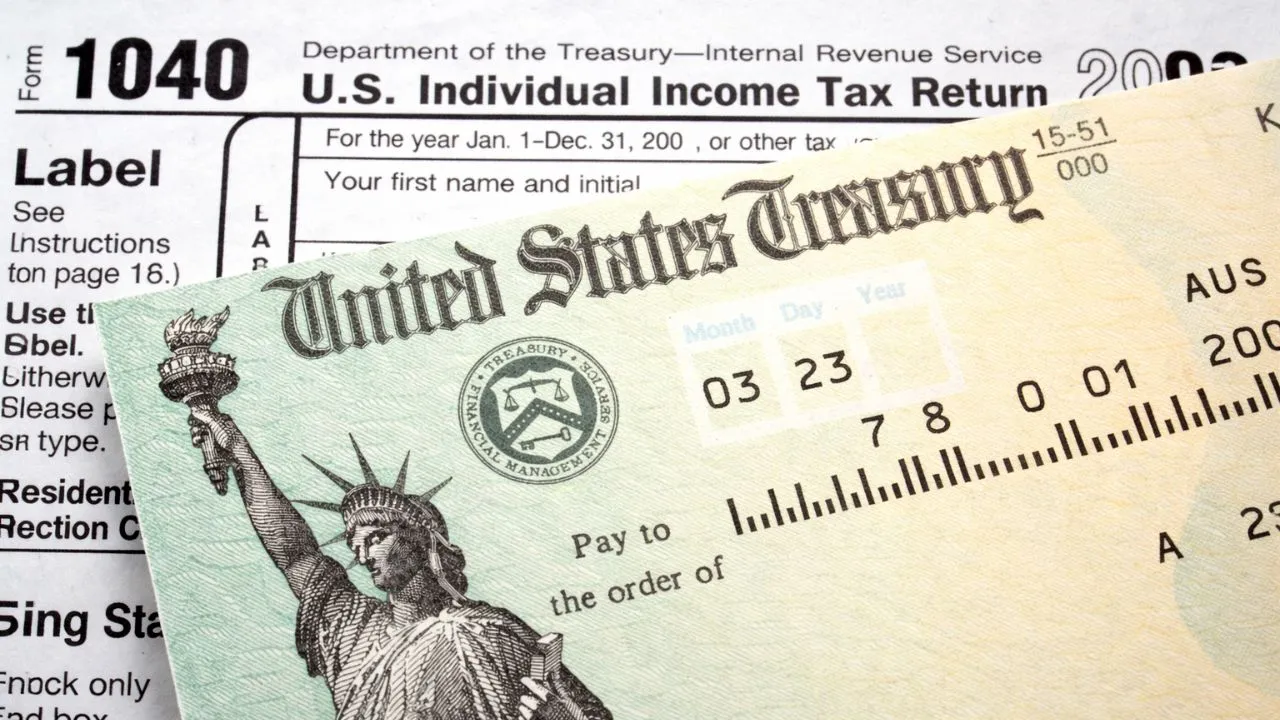

The IRS authorizes refunds and determines what each taxpayer is owed, but the Bureau of the Fiscal Service at the U.S. Treasury is the agency that physically disburses those refunds through the FedACH network and that absorbs unclaimed funds into the Treasury General Account when the statute of limitations expires. Once absorbed, that money cannot be retrieved by any administrative or legal process.
The IRS adds one more layer of complexity for some taxpayers. If you have unfiled returns for 2023 or 2024, the IRS will hold your 2022 refund until those returns are filed.
Any refund will also be applied to outstanding debts through the Treasury Offset Program, covering unpaid federal taxes, state tax debts, child support, and federal student loans, before any remainder reaches you. Filing now is still worth doing even if you carry such debts, because you cannot receive any remainder until you file.
How to File in 3 Days: Your Fastest Legal Options
The fastest path to claiming your 2022 unclaimed IRS refund is electronic filing today. IRS Free File at irs.gov/freefile is available to anyone who earned $84,000 or less in 2022 and remains open through April 15. It requires no payment and connects you directly with brand-name tax software through the IRS’s official portal.
If you are missing your 2022 W-2 or 1099 forms, you do not need to wait for paper copies. Log into your IRS Online Account and download a wage and income transcript, which contains the same data your employer reported to the IRS. You can also request a transcript through the IRS Get Transcript tool at irs.gov. Both options are free and available today.
VITA sites, Volunteer Income Tax Assistance centers operated through IRS partnerships are still accepting walk-in appointments through Tuesday, April 15. These free sites serve people who earn $67,000 or less, persons with disabilities, and limited English speakers. Filing electronically by Tuesday establishes your legal claim even if processing takes the standard 21 days afterward.
Beyond missing out on your basic refund, not filing means forfeiting any Earned Income Tax Credit you qualified for in 2022. The EITC for 2022 was worth up to $6,935 for taxpayers with qualifying children. The combined value of a refund plus EITC can significantly exceed the $686 median figure.
Your State’s Median Unclaimed Refund — What This Means for You
The IRS published state-by-state data in IR-2026-37 showing exactly how many residents are affected and what the median refund is worth. California has the largest affected population at 143,200 people, with a median refund of $680 and a total estimated pool of $124.7 million. Texas has 126,000 affected residents with a median refund of $687, totaling $111.7 million. Florida has 89,000 affected residents at a $638 median.
For states in the Northeast, the numbers are smaller but the median refunds are higher. Massachusetts residents are owed a median $786. New York residents are owed a median $757. Connecticut is at $732 and New Jersey at $746. Hawaii leads all states at a median $784 per person.
Even in states with lower medians, Mississippi at $635, Arizona at $627, the filing cost through IRS Free File is zero. The math favors filing in every state. A return that takes 90 minutes to complete this weekend can unlock several hundred dollars that would otherwise vanish permanently on Tuesday.
What You Should Do Now
- Go to irs.gov/freefile right now and confirm your eligibility for free federal filing.
- Log into your IRS Online Account to download your 2022 wage and income transcript if you are missing W-2 or 1099 forms.
- File your 2022 return electronically by April 15 to establish your legal claim before the deadline closes permanently.
- If you owe a federal or state debt, expect the Treasury Offset Program to apply your refund to that balance first before releasing any remainder.
- After filing, track your unclaimed IRS refund at irs.gov/refunds using the Where’s My Refund tool.
The deadline to claim a 2022 unclaimed IRS refund is Tuesday, April 15, 2026. Federal law makes that date absolute. If you have not filed your 2022 return and believe you are owed money, the time to act is this weekend, not Monday morning.
You can learn more about how the IRS processes and releases refunds in our complete IRS refund guide, check the exact status of any refund you are owed through our refund status guide, and understand the full federal payment system that moves your money from the IRS to your bank account. If your refund was already approved but your bank account still shows zero, our refund approved guide explains exactly what happens next.
Editorial Note: Investozora is an independent news publication. This content is for informational purposes only. For official guidance, please visit irs.gov.