The Quiet Human Pattern Behind Pre-Holiday Markets
Every long weekend carries the same subtle mood across Wall Street. Trading desks grow calmer, volatility fades, and price moves feel slower and more deliberate. To everyday investors, it often looks like the market has found its balance.
But this rhythm is not emotional. It is mechanical.
Behind the scenes, banks, brokers, funds, and clearing institutions begin shifting activity days before federal holidays arrive. Risk is trimmed, liquidity is buffered, and settlement timing tightens.
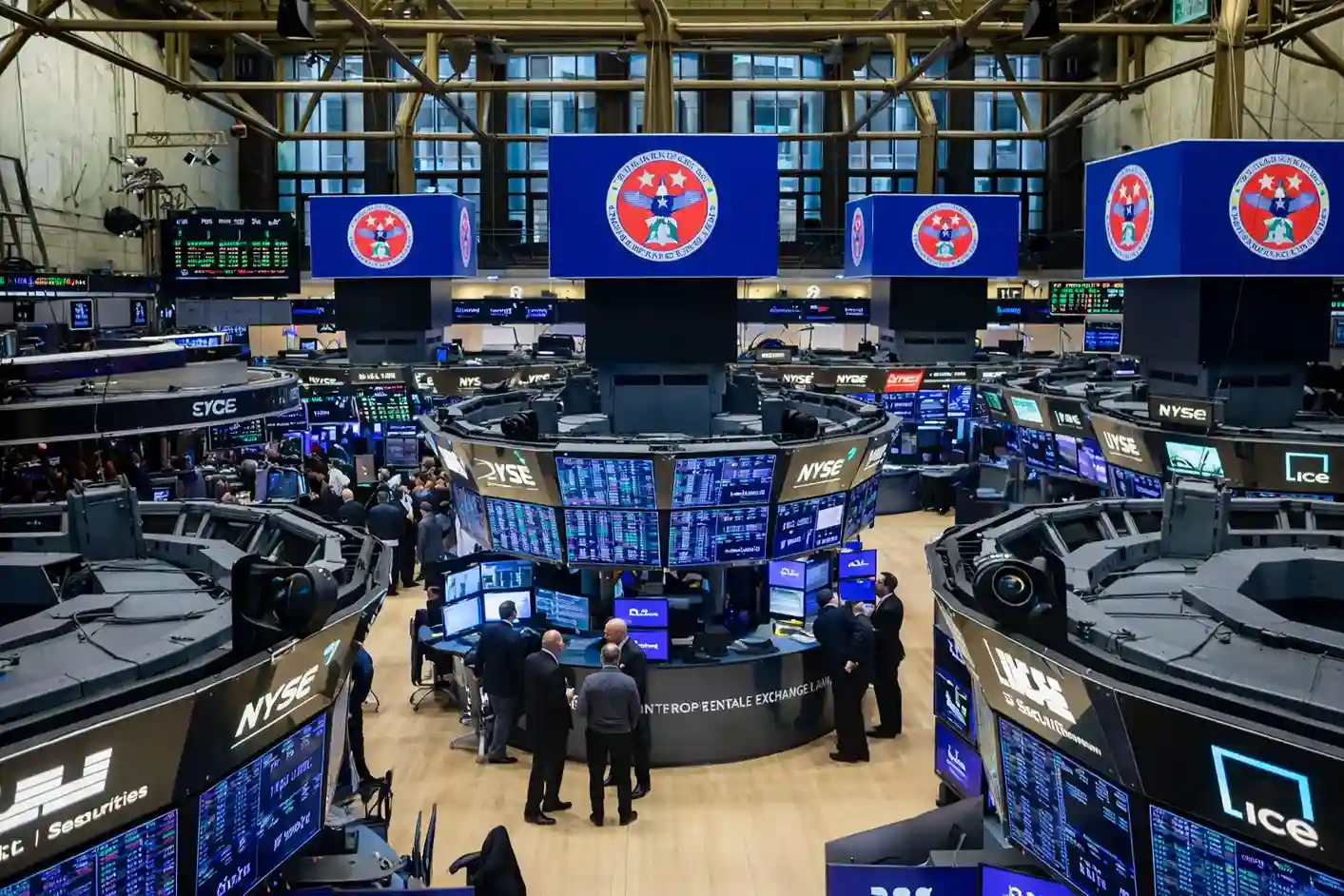
By the time Friday’s closing bell rings ahead of a three-day weekend, the market is operating in a structurally different environment—one where fewer dollars are actively moving and fewer institutions are willing to hold exposure across paused systems.
Understanding long weekend market drift begins with recognizing that money does not pause emotionally; it pauses operationally.
How Market Infrastructure Slows Before Federal Closures
U.S. financial markets depend on daily clearing and settlement flows to maintain liquidity. When those systems approach a federal holiday, activity compresses. Banks reduce interbank transfers, broker-dealers manage exposure more conservatively, and funds rebalance early to avoid holding unsettled positions.
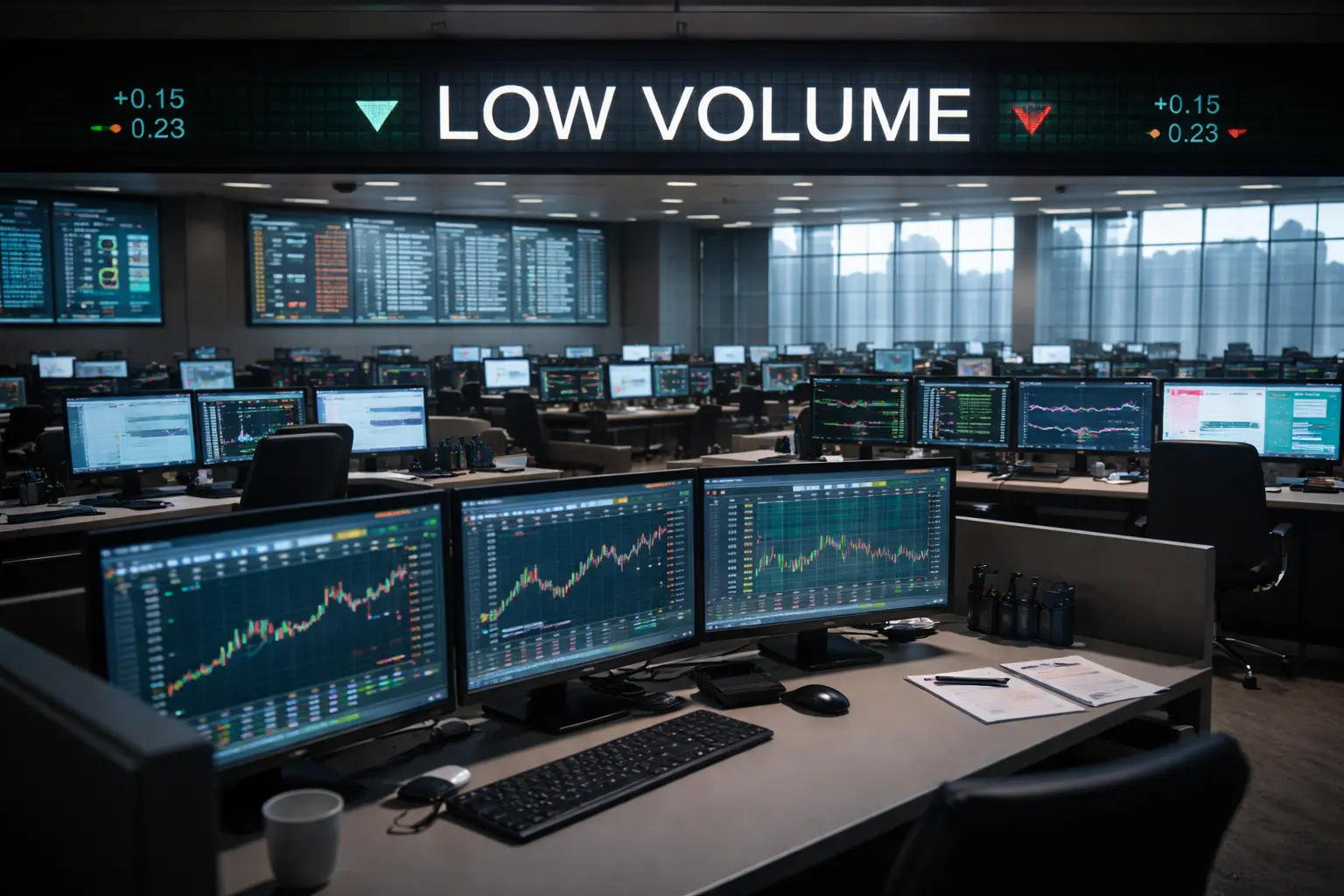
This creates a quieter trading environment. With less liquidity circulating, price movements naturally become smaller and smoother. The market is not suddenly confident; it is temporarily less liquid.
This structural slowdown is directly connected to the broader money movement network that governs everything from payroll deposits to institutional trading.
Liquidity Timing and the Pre-Holiday Drift Effect
Liquidity does not vanish before long weekends; it shifts forward in time. Large institutions complete transactions earlier in the week to avoid settlement delays. Capital that would normally circulate through Thursday and Friday gets pulled forward into Monday through Wednesday.
By late week, the system becomes lighter. With fewer orders moving through exchanges and clearinghouses, prices respond more slowly to news. This is the core mechanical driver behind long weekend market drift.
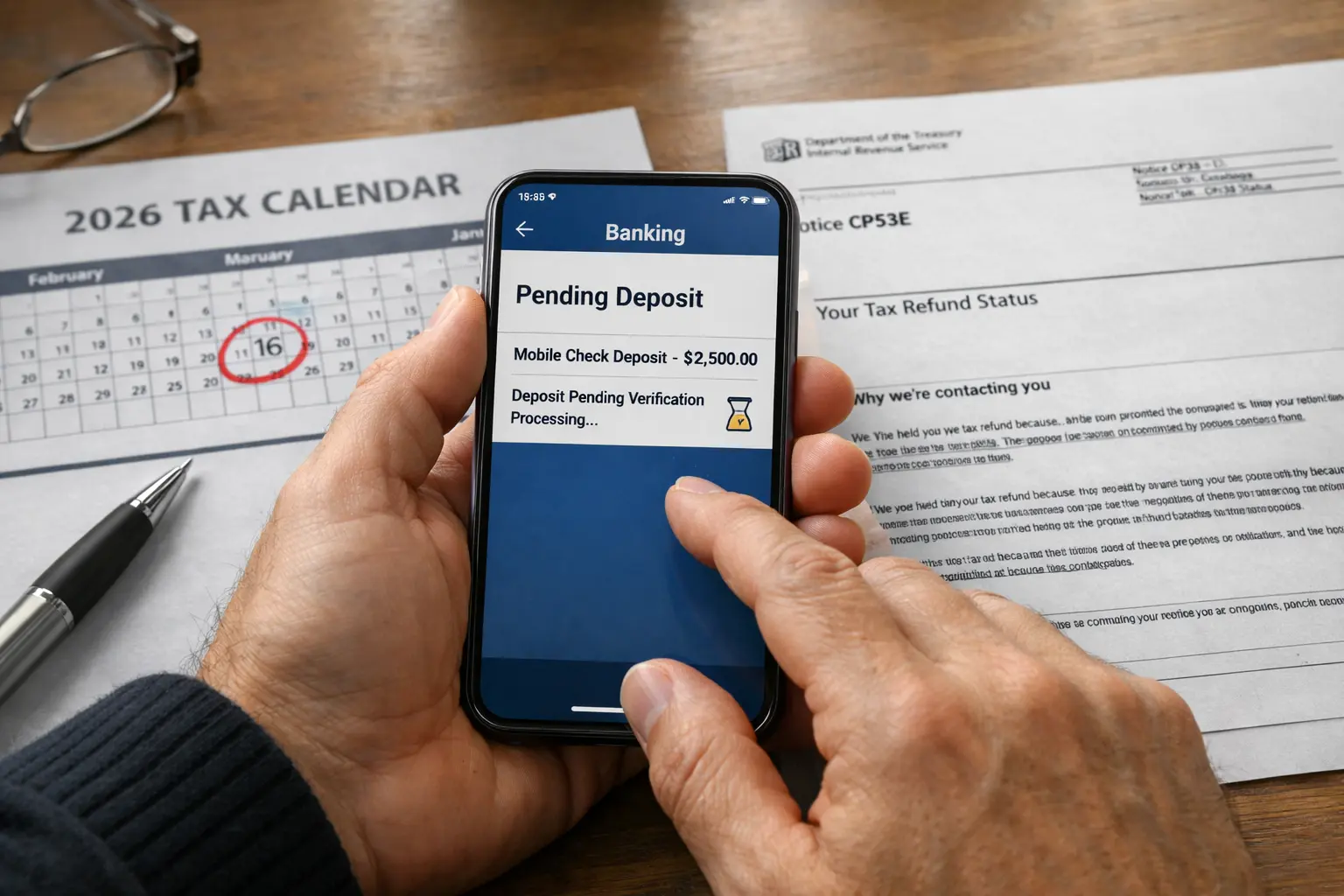
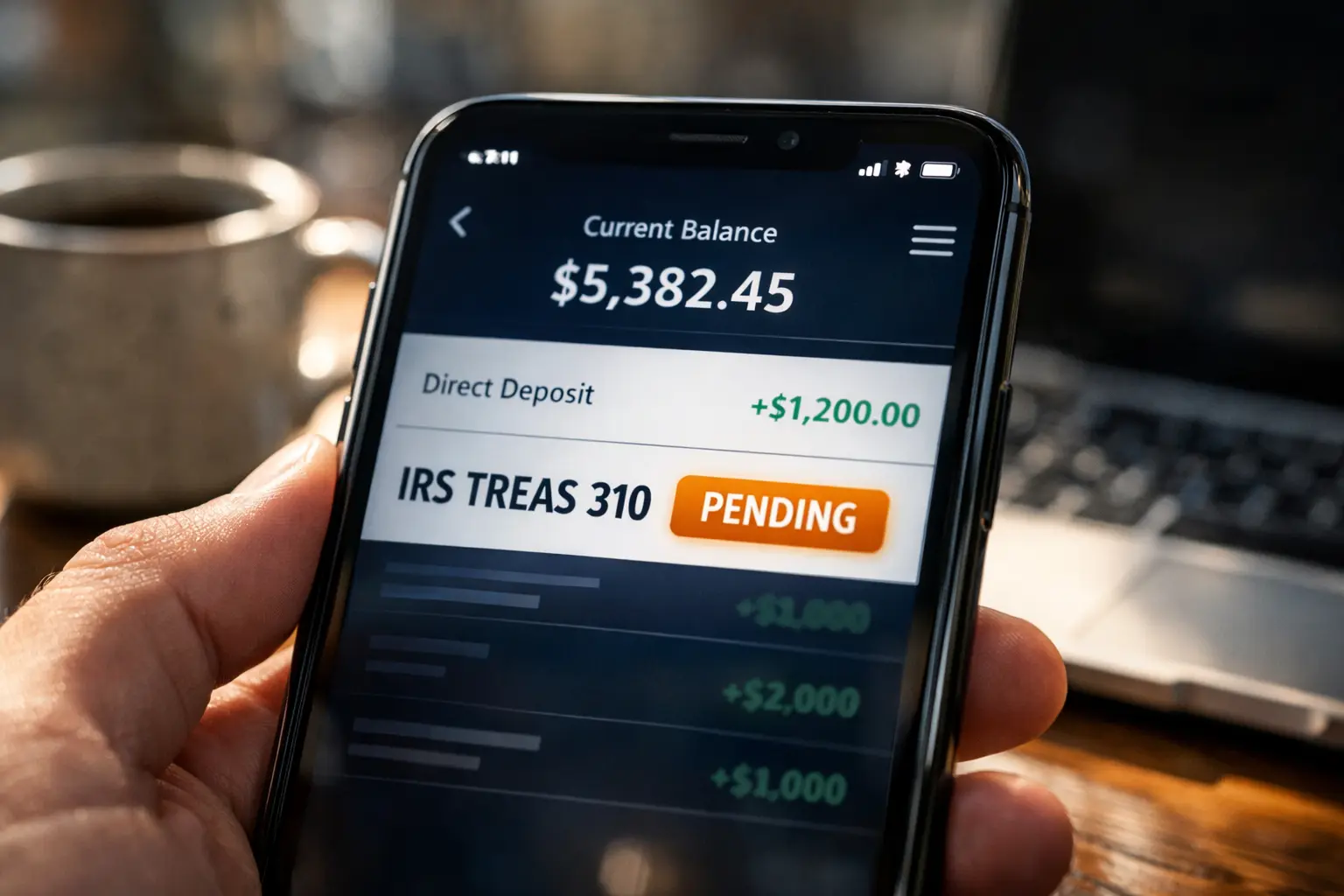
The same timing pressure that causes consumers to see pending deposits also influences institutional trading behavior—a reality explored in the mechanics of liquidity timing across payment systems.
The Institutional Risk Layer Few Investors See
Professional trading firms operate around settlement certainty. Holding positions over a long weekend introduces operational risk: delayed clearing and limited ability to rebalance if markets move unexpectedly while bank pauses are in effect.
To manage this, institutions quietly reduce exposure:
- Options positions are adjusted.
- Short-term leverage is trimmed.
- Cash buffers rise.
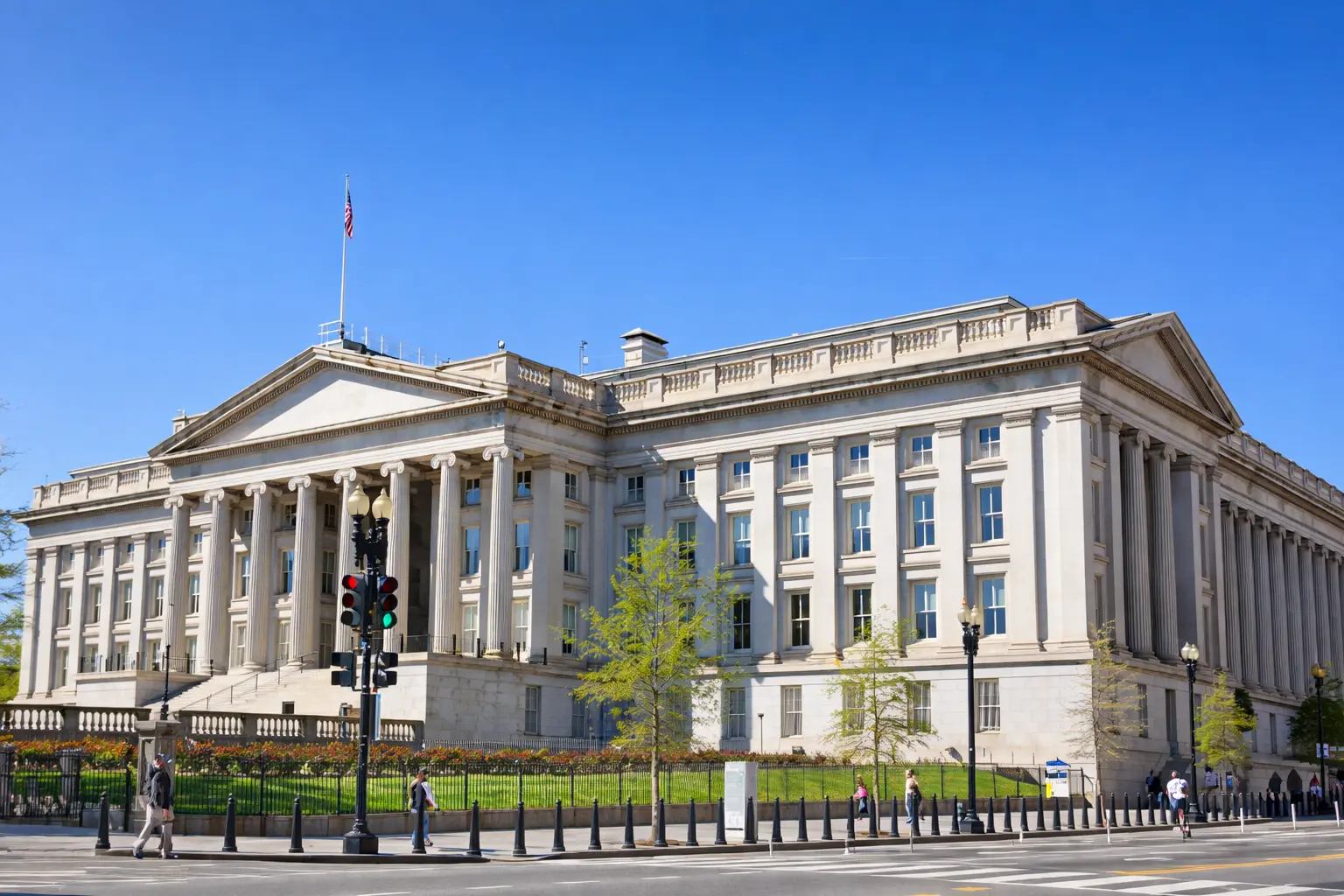
This defensive positioning further thins trading volume, reinforcing the drift effect. What looks like market stability is often risk management in motion. The same institutional caution also shapes how government payments move through the Treasury system.
Why Pre-Holiday Markets Can Feel Stronger Than Reality
Lower volume environments can amplify small price moves. With fewer trades taking place, even modest buying pressure can push indexes upward. That’s why markets sometimes show gentle gains before long weekends—not because of broad optimism, but because limited liquidity magnifies marginal activity.
This can create a misleading confidence gap where the market seems strong while underlying economic unease remains. Drift is not a trend; it is a temporary structural state.
Once normal cycles resume, prices can adjust sharply—sometimes leading to a margin collapse if deferred risks surface all at once.
How This Impacts Households and Everyday Investors
For households watching markets, long weekend drift can create emotional misreads. A quiet rally may feel reassuring, but these signals are often mechanical. Just as families experience holiday liquidity slowdowns in their checking accounts, markets experience similar timing distortions.
Recognizing this helps investors avoid making decisions based on temporary liquidity conditions. For more on how this impacts banking, explore our analysis of why long drift makes weekend banking feel slower.
The Bottom Line: Drift Is Structure, Not Sentiment
Long weekend market drift is the result of liquidity timing and institutional risk management. Money doesn’t stop moving—it moves earlier and more cautiously. Markets don’t calm emotionally—they thin mechanically.
According to the SEC’s market structure frameworks, these pauses are a fundamental part of how the U.S. financial system maintains order. When settlement mechanics tighten, market behavior follows. Drift is simply the system catching its breath.
Author