Nothing dramatic is happening with money right now. That’s the strange part. There’s no panic. No rush. No big headlines telling people to act fast or change everything.
On the surface, things look normal.
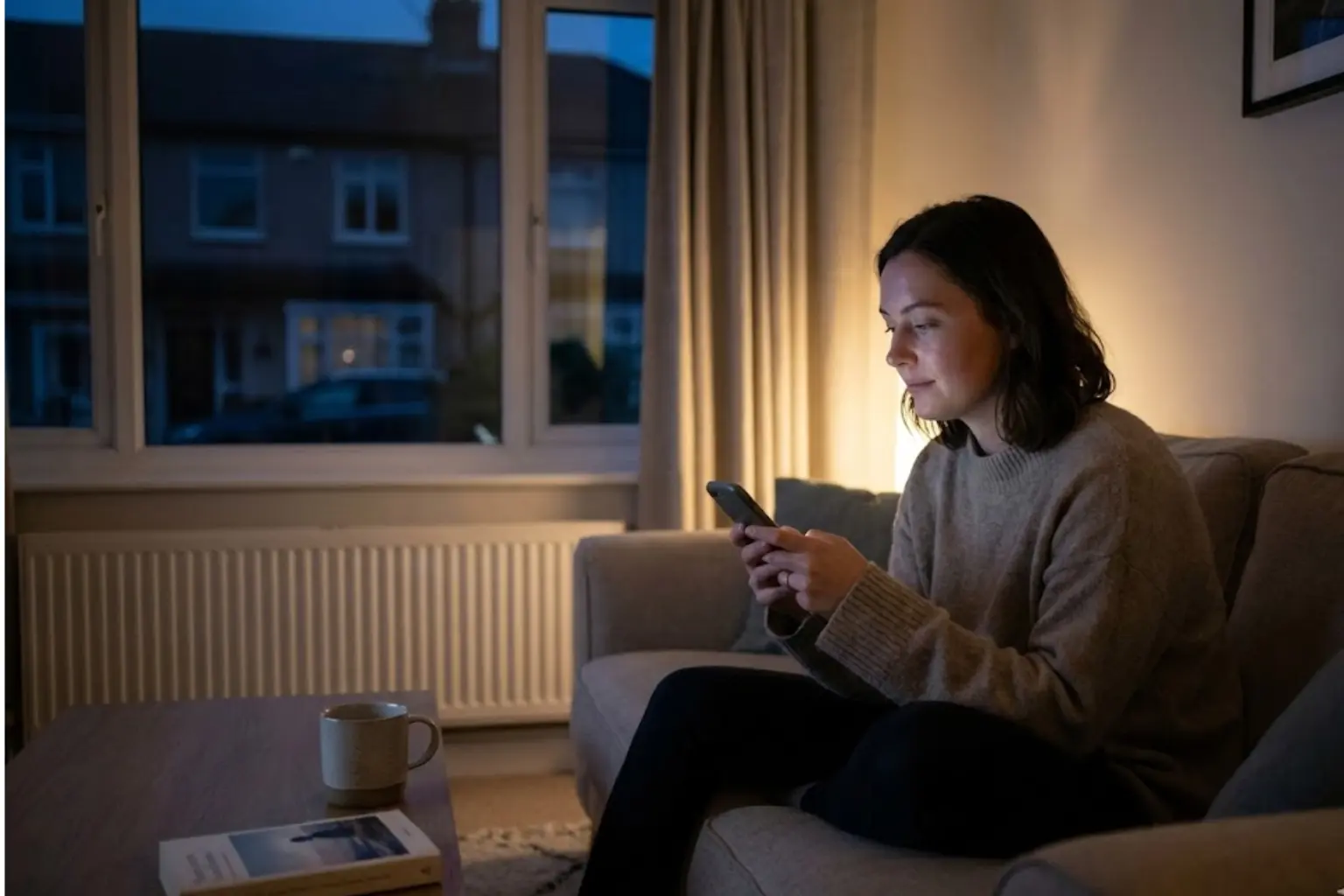
Paychecks still arrive. Bills still get paid. Stores are still open. Life keeps moving. But many Americans feel it anyway. It shows up late at night, when the house is quiet and a phone screen lights up.
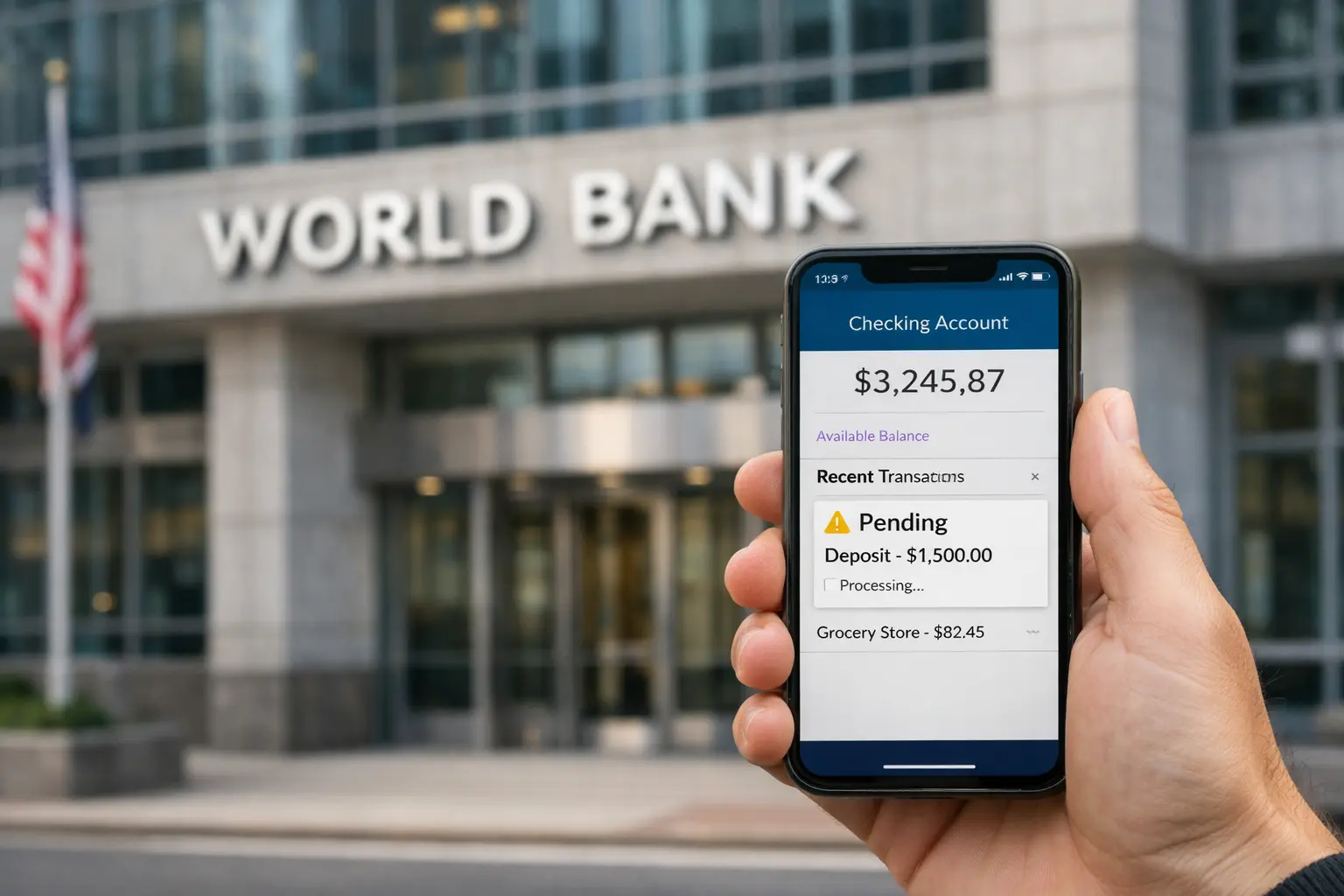
A banking app opens, not because something is wrong, but because checking feels necessary. Balances get reviewed. Transactions get scanned.
Then the app closes, and nothing happens. No purchase. No transfer. And no decision. Just awareness. Money hasn’t become scarier. It has become more present.
And that subtle shift is changing how people relate to it in ways that are easy to miss.
The absence of panic is the real signal
In past years, money stress usually arrived loudly. People reacted fast. They cut spending hard, chased side income, or made bold changes out of urgency.
The mood felt sharp and reactive. This time feels different. People aren’t panicking. They aren’t freezing either. Instead, they’re pausing. Watching.
Checking twice before moving once. There’s no feeling that everything must be fixed immediately. At the same time, there’s no sense that money can be ignored.
It sits somewhere in between, quietly demanding attention without demanding action. That middle ground didn’t exist for many people before.
And because nothing feels urgent, this shift doesn’t show up in obvious ways. It doesn’t trend on social media. It doesn’t spark dramatic conversations.
And it happens privately, one person at a time, in moments that don’t look important from the outside.
Money is being handled more carefully, not fearfully
Careful doesn’t mean scared. Many Americans still spend.
They still travel. They still enjoy small comforts. But the way decisions form has changed. There’s more hesitation, not from fear, but from thoughtfulness.
People look at a purchase and ask themselves one quiet question: “Do I need this right now?” Not forever. Not never. Just right now.
Sometimes the answer is yes. Sometimes it’s no. Either way, the pause matters. That pause didn’t exist before in the same way.
Money has stopped being something to chase or escape. It has become something to manage calmly, even when nothing feels wrong.
That calm management is new for many households.
Why this feels different from other years
In earlier periods of uncertainty, people reacted emotionally.
They felt pressure to change quickly, either to protect themselves or to take advantage of opportunity. Money decisions felt charged with urgency.
This moment doesn’t carry that energy. Instead of reacting, people are adjusting. Instead of overhauling everything, they are making smaller, quieter choices.
They aren’t trying to get ahead overnight.
They’re trying to stay steady. There’s also less belief that one big decision will fix everything. That idea has worn down over time.
Experience has taught people that money rarely changes all at once. It shifts slowly, through habits more than breakthroughs. So expectations have softened.
That doesn’t mean people care less about money. In many cases, they care more. They just care in a way that feels calmer and more controlled.
The psychology behind quieter money choices
When life feels unpredictable, people look for things they can control. Money is one of them. Checking an account creates a sense of awareness.
Awareness creates a sense of control. Even when nothing changes, knowing feels stabilizing. That’s why people open apps more often but act less.
The act of checking itself has value now. It reassures. It grounds. And it makes uncertainty feel manageable. Money has become less about growth and more about clarity.
Not clarity for the future, but clarity for today. That subtle psychological shift explains why people feel engaged with money without feeling stressed by it.
The relationship has matured. It’s less emotional, less impulsive, and more observant. That doesn’t happen overnight. It happens when people quietly decide that stability matters more than excitement.
This shift isn’t loud enough to trend yet
Big changes usually announce themselves. This one doesn’t. There’s no obvious moment when it started. No headline that captures it cleanly.
No statistic that explains the emotional side of it. That’s why it’s easy to overlook. From the outside, everything looks normal. Spending still happens.
Savings still fluctuate. Markets still move. But underneath those surface actions, the mindset has changed. People aren’t asking, “How do I win with money?”
They’re asking, “How do I stay okay with money?” That question changes everything, even when it’s never said out loud.
Why many people can’t explain what feels different
Ask someone if their money habits have changed, and many will say no. Nothing looks different on paper. But ask them how money feels, and they pause.
That pause matters. It means something has shifted beneath the numbers. Decisions carry more weight, even when they lead to the same outcome.
Spending feels more intentional. Saving feels less like sacrifice and more like balance. People aren’t tightening their lives. They’re smoothing them.
That smoothing doesn’t show up in budgets or charts. It shows up in comfort, in sleep, in fewer moments of regret.
A quieter relationship with money is forming
Money used to demand reactions. Now it invites reflection.
That doesn’t make life boring. It makes it steadier. People feel less pushed by fear and less pulled by pressure. They feel grounded in the present instead of racing toward a fix. This kind of change doesn’t come from advice.
It comes from lived experience. It grows slowly, through repetition, through noticing what actually brings peace and what doesn’t.
And once that realization settles in, it doesn’t leave easily.
Closing: recognizing the shift without naming it
If money feels different lately, you’re not imagining it. Nothing is broken. Nothing is urgent. And nothing needs to be solved tonight.
Yet the awareness is there, quietly shaping choices in the background. This isn’t a moment defined by panic or optimism. It’s defined by balance.
By attention. By calm responsibility. And while it may not make headlines, it’s changing how millions of Americans move through their financial lives, one quiet decision at a time.
Sometimes the most important shifts don’t arrive loudly. They arrive softly, and only reveal themselves once we slow down enough to notice.
Author

-
The information on this site is for educational and general guidance only. It is not intended as financial, legal, or investment advice. Always consult a licensed professional for advice specific to your situation. We do not guarantee the accuracy, completeness, or suitability of any content. For complete details, please review our full disclaimer.