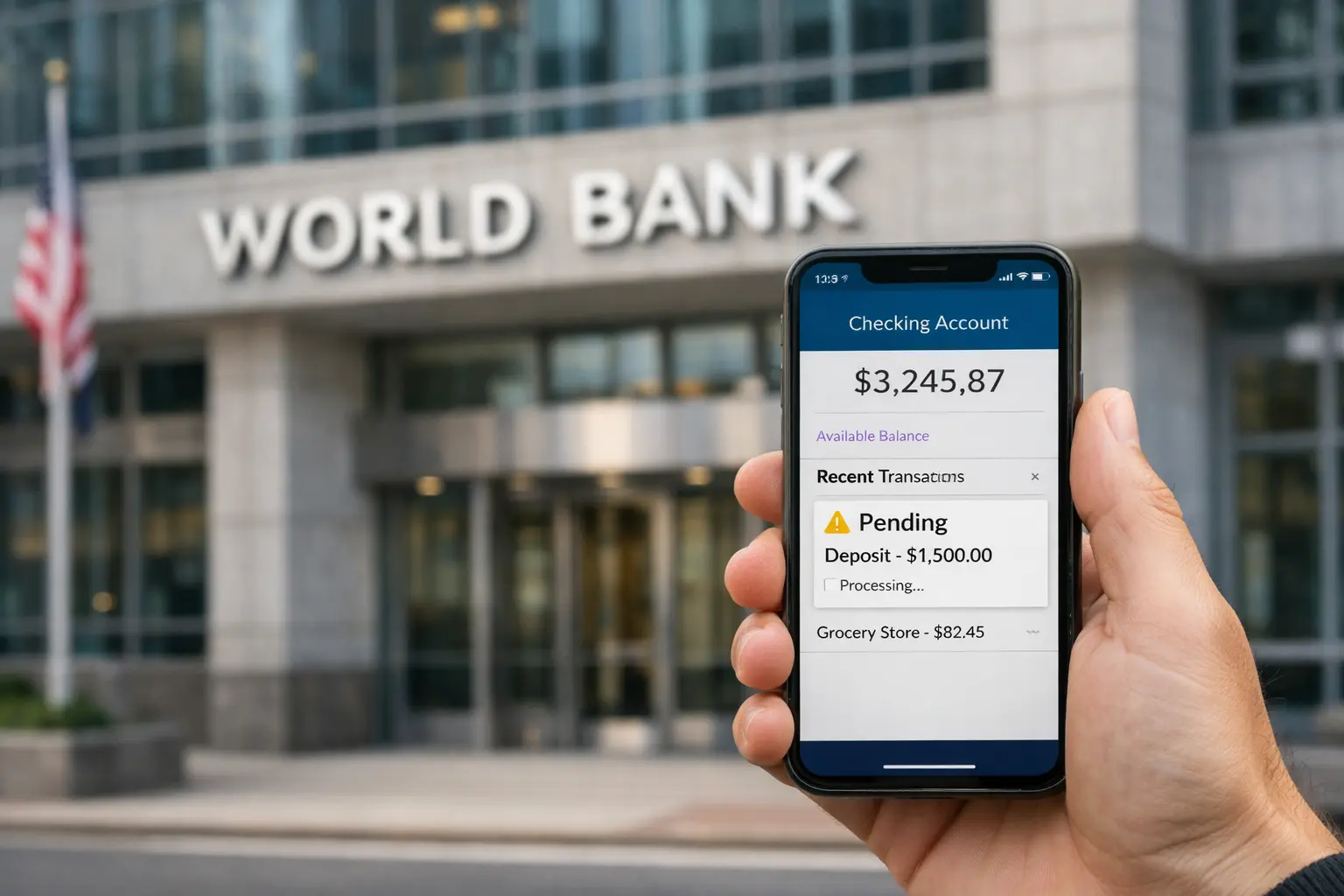
There is a quiet exhaustion settling over the American consumer in early 2026. It is a fatigue that persists despite steady paychecks and optimized budgets.
You feel it at the self-checkout kiosk, in the hours spent navigating automated customer service loops, and in the digital labor required to manage a dozen different subscription interfaces.
This is not just a decline in service; it is a structural economic shift known as shadow work. For decades, corporations provided service as part of the transaction.
Today, they have successfully offloaded their operational labor onto you. You are now performing the unpaid work of a cashier, a travel agent, and a technician, all while paying premium prices.
This is the shadow work trap: the hidden tax on your time that is quietly eroding your real-world purchasing power and hollowing out your financial peace.
- The Labor Shift: Shadow work transfers operational tasks from paid employees to unpaid consumers, quietly reducing the value of every dollar spent.
- The Time Tax: This invisible labor acts as a hidden tax on purchasing power, leaving households time-poor even when income is strong.
- Financial Fatigue: Constant micro-decisions and administrative tasks drain mental capital, making long-term financial stewardship harder.
- The Path to Peace: Reclaiming time requires intentionality—centralizing financial tasks and choosing brands that provide real service.
The Invisible Labor of the Modern Transaction
The modern economy has mastered the art of the frictionless payment while simultaneously introducing massive friction into the actual experience of consumption.
In a drive for extreme corporate efficiency, tasks that were once handled by paid employees have been transferred to the customer. This transition is framed as empowerment or convenience, but in reality, it is a redistribution of labor.
Every time you bag your own groceries, troubleshoot a software bug through a manual, or spend an afternoon auditing your own medical billing, you are performing unpaid work that subsidizes corporate margins.
According to the Bureau of Labor Statistics, while productivity has increased by 4.9 percent in recent quarters, much of this gain reflects the automation of service roles.
This automation does not eliminate the work; it simply changes who performs it. By offloading these tasks to the consumer, companies reduce their unit labor costs while your time tax increases.
This hidden labor is the primary reason why six figures feels poor in 2026. Your income may be rising, but the time required to simply function as a consumer is expanding, leaving you with less energy to focus on high-value stewardship.
The Shadow Work Audit: Identifying Your Time Leaks
This table helps you quantify the hidden labor costs currently embedded in your financial life. By identifying where your time is being repurposed, you can make more informed decisions about where to spend your energy.
| Transaction Type | Traditional Service (Paid Labor) | Modern Shadow Work (Unpaid Labor) | The Real-World Cost |
|---|---|---|---|
| Grocery Shopping | Cashier scans and bags items | Self-checkout; DIY bagging | Shadow Work |
| Travel Booking | Travel agent handles logistics | Hours spent on aggregator sites | Decision Fatigue |
| Banking | Personal teller assists with wires | Navigating complex mobile apps | Friction Tax |
| Tech Support | Technician repairs at your home | Chatbots; DIY troubleshooting | Stewardship Gap |
Source: Investozora Consumer Research 2026, synthesized from Bureau of Labor Statistics time-use trends and Federal Reserve household well-being reports.
Why Shadow Work Is a Hidden Tax on Your Wealth
Wealth is not merely a collection of digits in a bank account; it is the ability to command time and resources.
When you are forced to spend two hours resolving a billing error caused by an algorithm. You have lost two hours of your life that could have been spent on professional development, rest, or family.
This is the silent inflation that official data often misses. The price of the good stays the same, but the total cost of ownership measured in human effort rises significantly.
This phenomenon creates a state of financial fatigue that quietly drains your mental reserves. In a high-velocity economy, your attention is your most valuable asset.
By forcing you to become an unpaid administrator of your own life, the market effectively steals the cognitive surplus you need to make better money decisions.
The result is a cycle where you are too tired from the work of living to properly manage the work of building wealth.
True stability is not found in the optimization of the transaction. But in the reclamation of your time from these hidden corporate demands.
The Collapse of the Premium Experience
The shadow work trap has even breached the upper tiers of the economy. High earners often reach the invisible ceiling where they realize that despite their status. They are still doing the entry-level work of a DIY consumer.
We are paying 2026 premium rates for experiences that provide 2010 budget-tier service.
This creates a psychological weight that contributes to the february financial mood, where the initial optimism of the new year is replaced by the grinding reality of a high-maintenance life.
Data from the Federal Reserve Board suggests that while household balance sheets are multidecade strong, financial well-being has not reached previous peaks.
This disconnect exists because our unpaid labor hours are not accounted for in traditional net worth. When a person reaches the top one percent, they expect to trade money for time.
Instead, the modern economy demands both. This is the stewardship gap in action where the complexity of managing wealth. And consumption becomes so high that the wealth itself provides less utility.
Reclaiming Your Time from the Shadow Economy
Breaking free from the shadow work trap requires a radical shift in how you value your own attention. It means recognizing that convenience is often a Trojan horse for more labor.
To defend your stability, you must intentionally reintroduce friction into your financial life where it serves you. And remove it where it drains you.
This begins with a sunday money reset, a dedicated window where you handle administrative tasks all at once rather than letting them bleed into your daily life.
By building a liquidity moat, you gain the ultimate consumer power: the ability to walk away from high-friction, low-service brands.
True quiet wealth is not just about the absence of debt; it is about the presence of peace. It is about a life where you no longer have to work for free to spend your own money.
When you stop subsidizing corporate labor with your own time. You find that your life becomes quieter, your energy returns. And your wealth finally begins to feel like a tool for freedom rather than a source of chores.
The Bottom Line
Shadow work is the most successful corporate heist of the 21st century. It has turned the consumer into an unpaid employee under the guise of digital efficiency.
To win in 2026, you must stop measuring your success by the size of your dashboard. And start measuring it by the hours of your day you truly own.
The goal is to reach a point where your money works for you. And you no longer have to work for your money. Resilience isn’t just about surviving a market crash. At’s about surviving the daily erosion of your most precious resource your time.
Methodology
This article analyzes the economic impact of shadow work on consumer purchasing power in 2026. The research synthesizes labor productivity data from the Bureau of Labor Statistics with household economic well-being surveys from the Federal Reserve Board. The analysis identifies the structural shift in labor distribution and its psychological effects on the modern middle class.
Investozora uses only trusted, verified sources. We focus on white papers, government sites, original data, firsthand reporting, and interviews with respected industry experts. When relevant, we also use research from reputable publishers. Every fact is checked against a primary source so readers get clear, accurate, and up-to-date information, and we update our citations whenever official guidance changes.
- Bureau of Labor Statistics — Labor Productivity & Time Use – Used to contextualize long-term productivity gains alongside the automation of service roles and the shifting of operational labor onto consumers.
- Federal Reserve Board — Survey of Household Economics and Decisionmaking (SHED) – Primary source for identifying the gap between household balance sheet strength and lived financial well-being, particularly the burden of administrative and decision labor.
Frequently Asked Questions
Author