The final week of February 2026 is seeing a massive movement of money across the United States. While the average retiree receives about $2,074, a specific group of high earners is watching for a maximum payout of $5,181. This arrival is part of the regular birth-date wave scheduled for Wednesday, February 25, 2026.
If your birthday falls between the 21st and 31st of any month, your bank app likely shows a transaction today. However, understanding why some checks are significantly higher than others requires a look at the rules set by the Social Security Administration.
The $5,181 Standard: Who Actually Receives the Maximum Check?
Most people will not see the $5,181 figure in their account this week. To reach this level, you must meet three very strict requirements throughout your career. First, you must have worked for at least 35 years. Second, you must have earned the maximum taxable income, which is $184,500 for 2026, for every one of those 35 years.
Finally, you must have waited until age 70 to start collecting your benefits. According to the official Social Security maximum benefit guide, delaying your claim from age 62 to age 70 can increase your monthly check by more than 70%. These benefit formulas are set by the Social Security Administration and updated annually for inflation.
Why Your February 25th Payment Reflects the New 2.8% COLA
Every check landing in bank accounts this week includes the 2.8% Cost-of-Living Adjustment (COLA) that began in January. This increase helps retirees keep up with rising costs for food and housing. While the maximum possible payout gets most of the attention, the average retired worker is seeing an increase that brings their total to roughly $2,074 per month.
This shift reflect how the Treasury payment system operates. If you see a “Pending” status today, it means your bank has received the data but is waiting for the final handoff before making the cash usable.
The ‘Double Payment’ Connection: SSI and the Max Payout Week
This week is particularly busy because of a rare scheduling overlap. Tomorrow, Wednesday, brings the largest retirement checks of the month. Then, on Friday, February 27, millions of people will receive their Supplemental Security Income (SSI) for March early.
As we explained in our double payment reality report, this happens because March 1 falls on a Sunday. When the first of the month is a weekend, the government sends the money on the preceding Friday. This results in some households seeing two major deposits in the same week, which can test the speed of the U.S. money movement system.
Why Your Bank App Might Show a ‘Pending’ Status Tonight
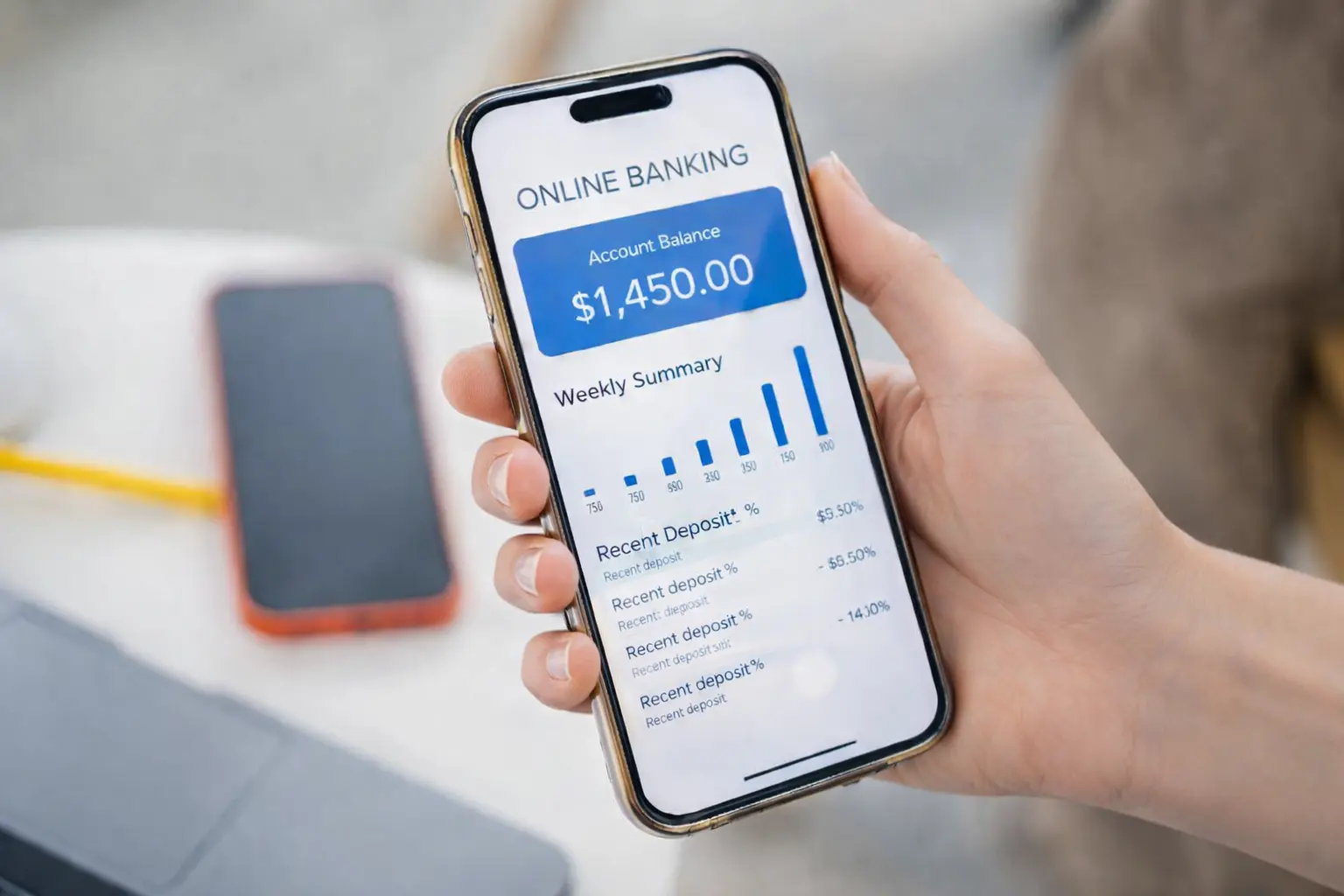
It is very common to see your money listed as “Pending” with a zero-dollar available balance the night before a big payout. This isn’t a sign that your money is missing or that your bank made a mistake. Instead, it shows that the digital information has arrived, but the actual cash is still moving through the system.
This gap is a standard part of settlement window timing. Banks usually finalize these transfers in the early morning hours, meaning your funds should be ready to spend by the time you wake up on Wednesday. Many users reported this exact experience during the February 25th banking alert earlier today.
IRS Refunds and the Federal Payment Batch Process
The IRS is also working through a massive amount of tax refunds this week. If you are checking your status and see a “Refund Approved” message, you might be part of the current processing batch. The IRS uses a specific refund schedule to send out money, often targeting Wednesdays for direct deposits.
When tax refunds hit at the same time as Social Security checks, it creates a “liquidity wave” that can cause some banking apps to lag. If you are waiting for both, checking your Fedwire and ACH timing can help you understand when each specific payment will clear.
How to Check Your Specific Payment Amount for 2026
If you want to know exactly how much your check should be, the best place to look is your personal account on the government website. By logging into your Social Security online account, you can see your 2026 COLA notice and your scheduled payment dates.
This removes the guesswork and helps you plan your budget for the rest of the month. Knowing your date and your amount ahead of time helps you stay in control, especially during weeks like this when the calendar moves payments around. The system is designed to be predictable, and once you know the rules, the timing of your money becomes much easier to manage.
Author