Why a Deposit Never Starts at Your Bank
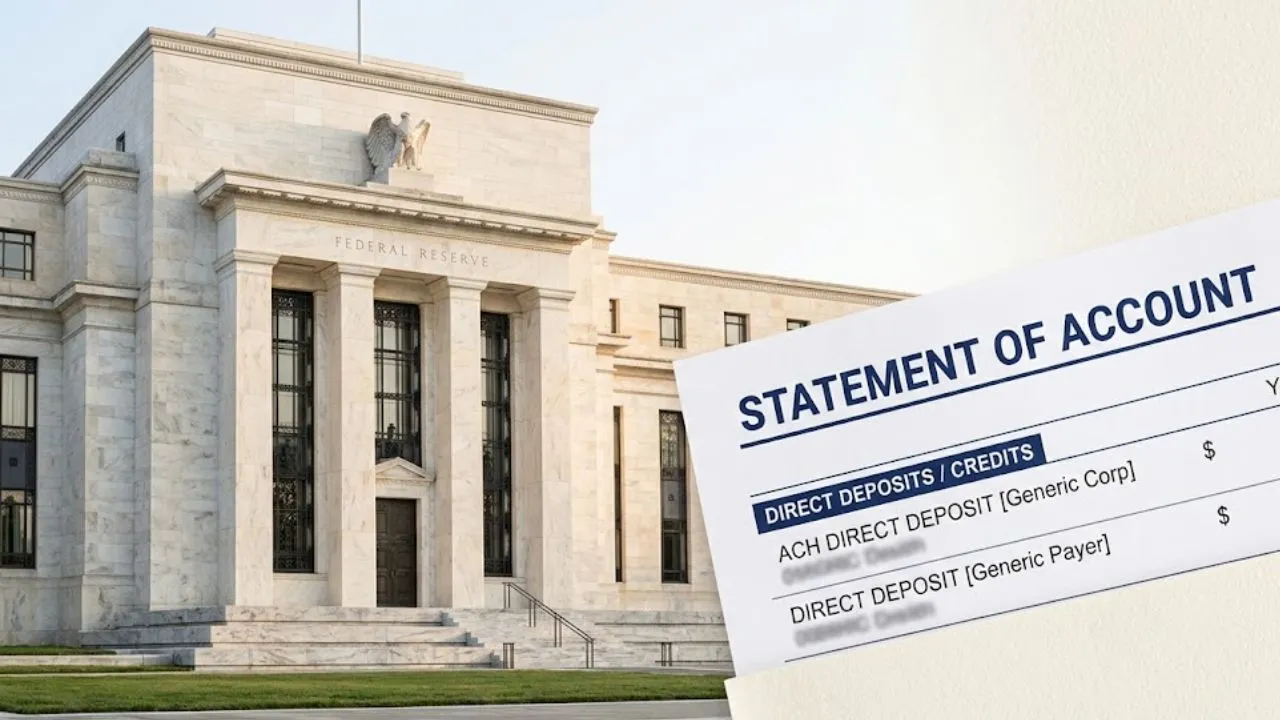
A deposit notification feels personal. It appears on a screen, updates a balance, and changes a household’s financial posture in seconds. But that visible moment is not the beginning of the process.
Inside the Treasury Payment System, the movement begins far upstream—within federal authorization systems and institutional payment files. By the time a bank posts funds to a customer account, multiple layers of coordination have already occurred.
Most consumers experience only the final stage. They do not see the transmission files, settlement calendars, or reserve adjustments that precede it. The deposit feels immediate; the system behind it is not.
Understanding that difference changes how we interpret timing. A deposit does not “arrive” at a bank as cash in motion; it clears through a national infrastructure designed around institutional precision.
How the Treasury and Federal Reserve Coordinate Settlement
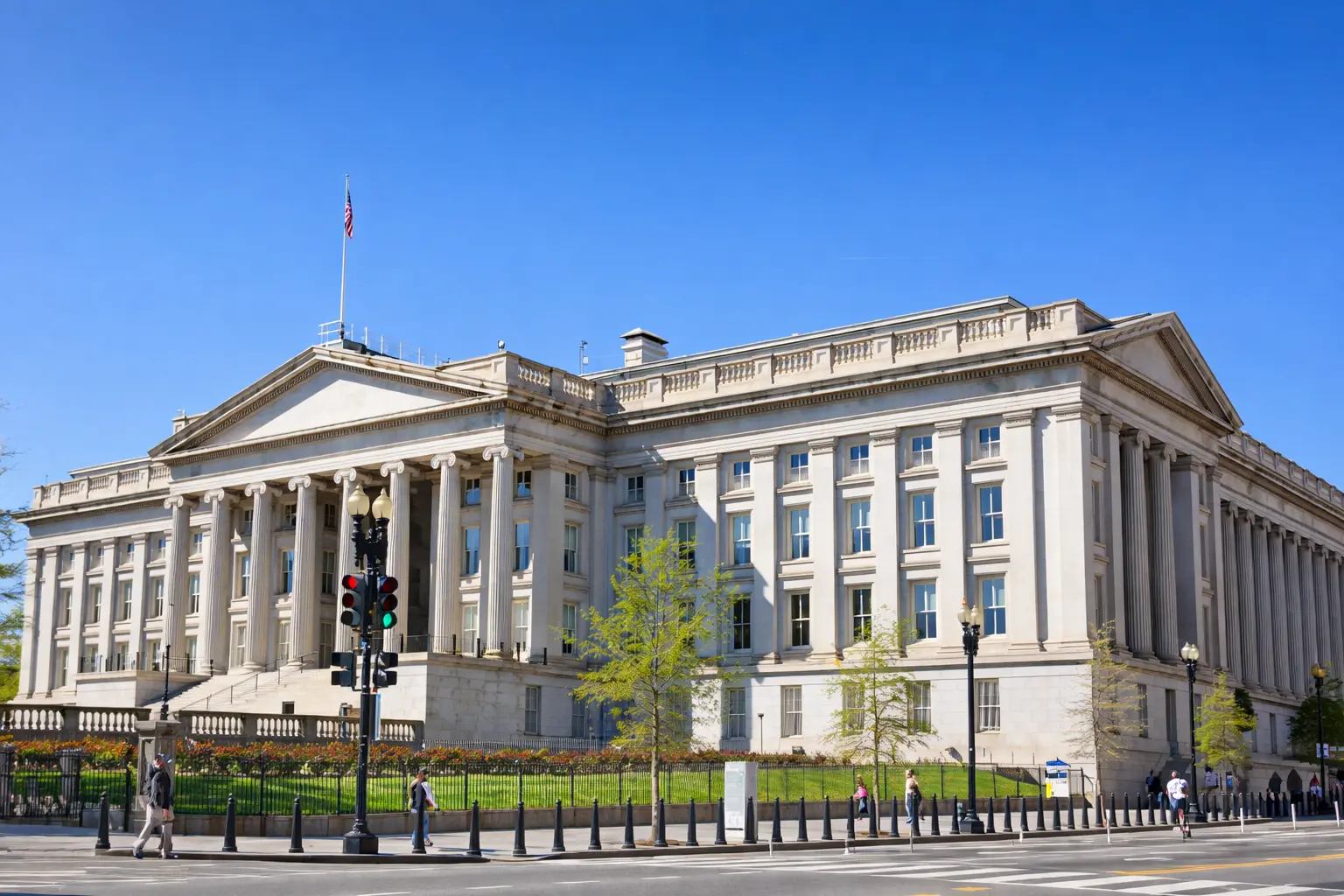
The Treasury Payment System operates through the Bureau of the Fiscal Service, which disburses federal payments on behalf of government agencies. The Treasury manages large-scale electronic disbursements that include tax refunds, federal payroll, and benefit transfers.
When payments are approved, the Treasury transmits structured payment instructions into the Federal Reserve’s infrastructure.
The Federal Reserve, acting as fiscal agent, processes settlement entries between depository institutions through its national payment architecture. This operational framework is outlined within the Federal Reserve’s public Payment Systems documentation.
The sequence follows institutional logic:
- Authorization at the Treasury level.
- Transmission into Federal Reserve systems.
- Interbank settlement between reserve accounts.
- Posting by commercial banks to individual accounts.
The Treasury Payment System is therefore not a direct-to-consumer channel; it is a ledger-based coordination process between institutions. Banks credit customer accounts only after settlement instructions move through these official rails.
For deeper context on how institutional timing shapes liquidity, see our analysis of settlement windows, which explains how predefined clearing cycles quietly structure U.S. money movement.
The Hidden Timing Layer Behind “Pending” Deposits
A common point of confusion arises when federal payments appear as “pending.” The assumption is often that something is delayed inside the Treasury Payment System. In reality, pending status frequently reflects posting policy rather than a federal slowdown.
Government-originated ACH transactions are often transmitted in advance of their effective settlement date. Banks can preview incoming credits before final reserve settlement occurs at the Federal Reserve level. The familiar TREAS 310 descriptor is a standardized code used in these transactions to identify the source.
Settlement mechanics determine availability based on the effective date — not when a bank system detects the file.
Federal holidays, weekend timing, and batch processing windows can shift visible posting by a business day. The Treasury Payment System runs on structured calendars—liquidity flows align with those calendars.
What Happens Inside Institutional Ledgers Before You See the Money
Before a deposit appears, reserve balances shift inside the Federal Reserve’s ledger system. The Treasury maintains its primary operating account at the Federal Reserve. When payments are disbursed, balances move from the Treasury’s account to commercial bank reserve accounts. Only after those adjustments are recorded can retail posting occur.
These flows affect more than individual households. Large disbursement days influence system-wide liquidity positioning. Even operational pauses—such as the situation explored in our coverage of the DHS freeze—demonstrate how authorization controls determine when payments enter settlement channels.
A disruption at the approval stage prevents instructions from reaching the Federal Reserve layer, which in turn prevents posting downstream.
The Treasury Payment System integrates fiscal disbursement with central bank settlement mechanics, ensuring reliability at scale rather than immediacy at the individual level.
How Settlement Structure Shapes Household Experience
For households, the experience is simple: a deposit is visible or it is not. But that simplicity masks a layered infrastructure. Understanding the Treasury Payment System reframes common anxieties around timing.
A one-day shift typically reflects settlement alignment or holiday adjustment. A pending status usually signals file transmission ahead of effective posting. Recognizing that liquidity moves in coordinated waves helps households anticipate rather than react. The deposit is not a surprise event; it is the final step of a synchronized process.
For a broader architectural view, our pillar analysis of money systems situates the Treasury Payment System within the full landscape of U.S. liquidity movement.
The Bottom Line: Deposits Are the Final Step of a Settlement Process
The Treasury Payment System is structured, institutional, and time-bound. Before funds appear in a checking account, payment instructions move through federal authorization channels, enter Federal Reserve settlement systems, shift reserve balances between institutions, and only then post to consumer accounts.
What looks instantaneous is scheduled. What feels personal is institutional. Understanding this process reinforces a central theme: U.S. money does not simply arrive.
It moves through coordinated systems governed by liquidity timing and settlement mechanics. When that structure becomes visible, deposit timing becomes predictable.
Author