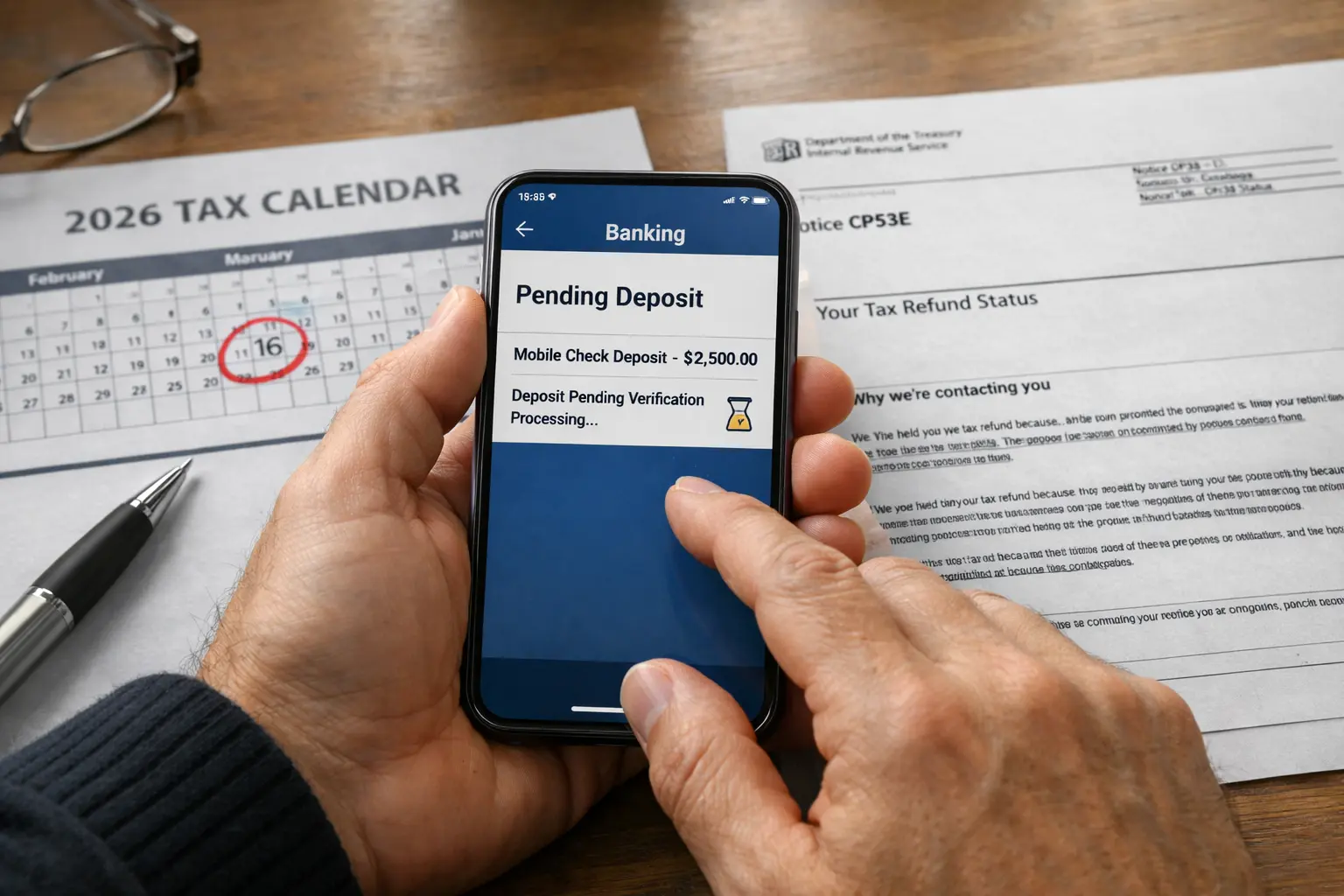
A paycheck posts. A refund appears. The balance rises. Nothing feels more certain in modern finance than a number glowing on a screen.
Yet across the U.S. banking system, millions of dollars sit in a gray zone every day—visible and counted, but not fully moved. What households interpret as money is often still in motion inside settlement rails, clearing windows, and institutional buffers.
By the time funds become truly liquid, hours or days of structural processing have already shaped what people could spend, transfer, or rely on.
Understanding that gap is the difference between seeing money as a static object and recognizing it as a system in transit.
When Money Feels Present but Isn’t Yet Real
Most Americans experience their finances through balance snapshots: Available balance, Current balance, and Pending activity. Psychologically, these numbers feel definitive.
They shape decisions instantly—rent paid early, transfers triggered, purchases approved. But the banking system doesn’t operate in snapshots; it operates in flows.
A deposit that appears “available” may still be clearing between institutions. A transfer may be provisionally credited while banks wait for settlement confirmation.
Internal liquidity cushions temporarily front money that technically hasn’t arrived. This is why people can feel flush in the morning and constrained by the afternoon. The perception of cash leads the actual movement of cash.
The Invisible Machinery Behind Your Balance
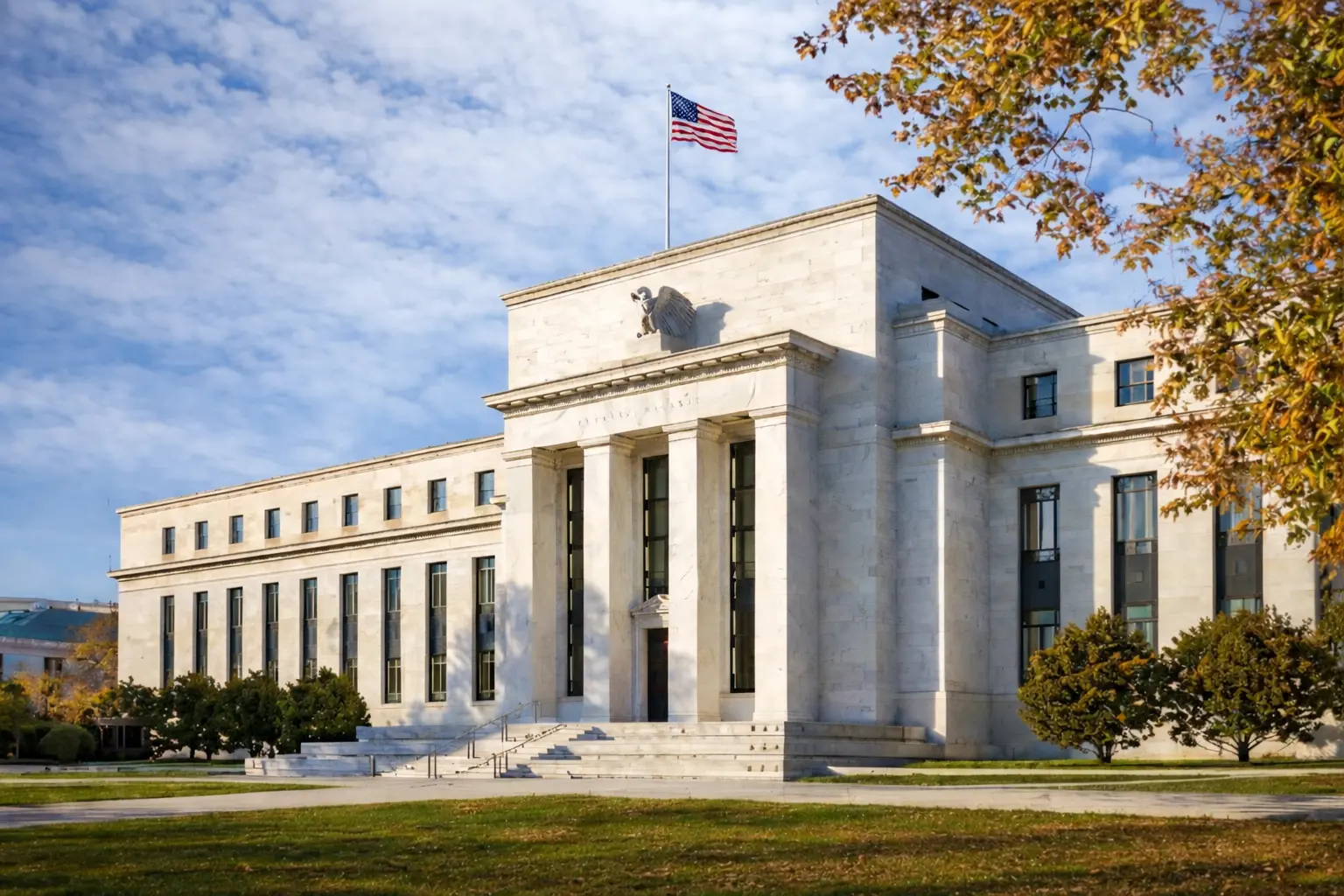
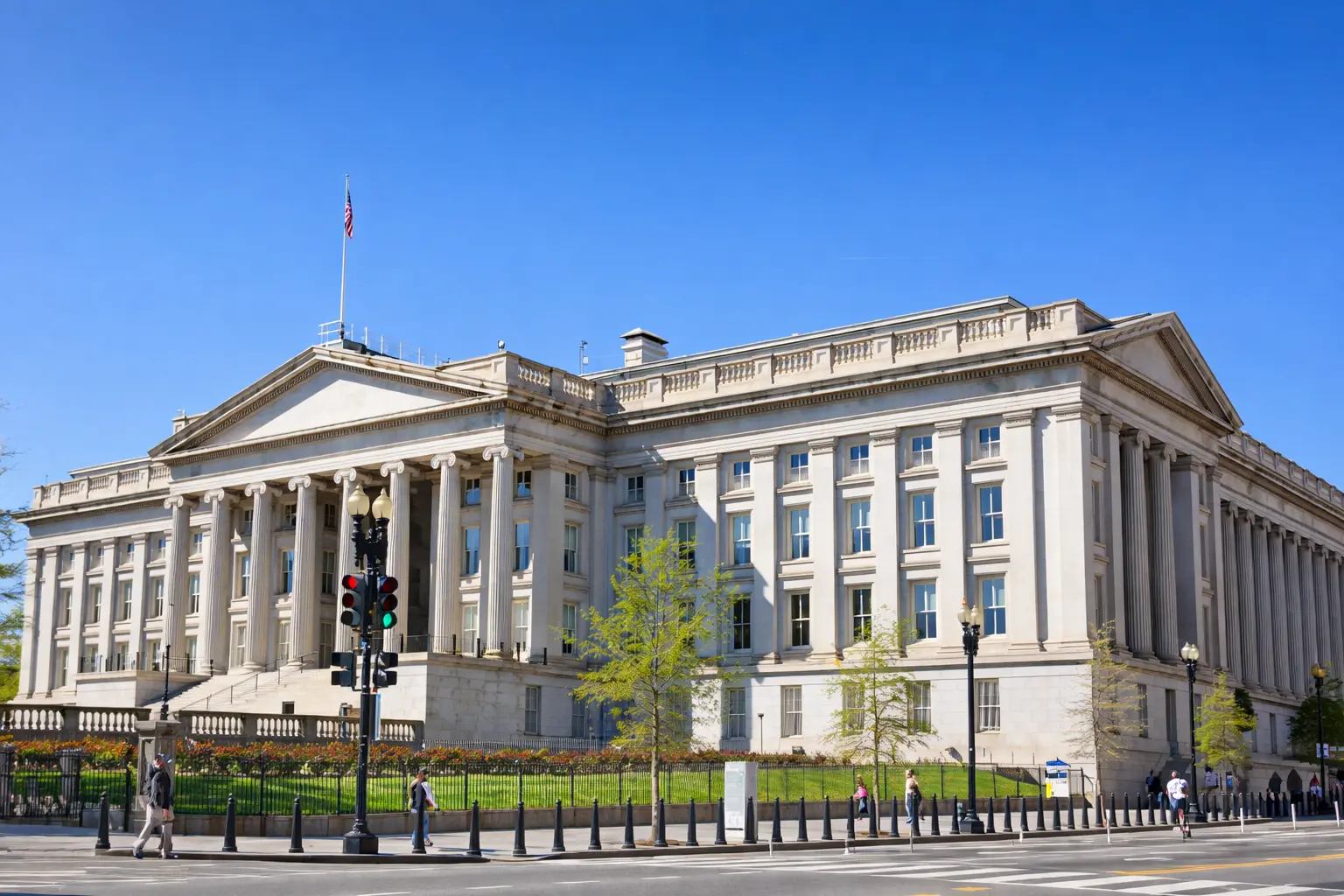
Behind every displayed dollar sits a chain of clearing obligations between banks, payment networks, and federal infrastructure. Most retail deposits travel through the U.S. Treasury and Federal Reserve settlement ecosystem before becoming final. Until settlement completes, banks treat credits as conditional—even when apps show them as spendable.
This is the structural gap explored in the broader money movement process and the upstream treasury system that feeds it. Banks routinely extend provisional access while protecting themselves against reversals and timing mismatches. Your balance reflects what the bank is willing to float—not what has finished moving.
Timing Friction Is the Real Bottleneck
This is where most consumer confusion lives. Deposits frequently appear before they clear, and transfers post before final settlement. The mechanics behind pending deposits and structural liquidity timing explain why balances often move faster than money itself.
Most “instant” balance updates are actually credit risk decisions by banks, not reflections of completed money movement.
Institutions continuously price the probability of settlement failure in real time—and your balance is the outcome of that risk model. Liquidity, in practice, is partially a trust algorithm.
Why Institutions Care About the Gap
For large financial institutions, timing mismatches are liquidity exposures. Before settlement windows close—especially around weekends and federal holidays—banks actively adjust cash positions to avoid shortfalls. This is why holiday liquidity cycles often feel slower and why bank pauses quietly reshape deposit availability.
Institutional desks manage this through buffer reserves and short-term funding markets. The same mechanics that drive professional institutional risk positioning quietly shape consumer cash flow. What feels personal is actually systemic.
The Household Pressure This Creates
When balances rise but liquidity lags, people make decisions based on incomplete settlement. Bills scheduled early bounce unexpectedly, and purchases trigger overdrafts even when funds looked available.
This dynamic compounds the broader shadow liquidity crisis many households already feel—appearing solvent while remaining structurally constrained.
It’s also why so many Americans live inside the asset rich cash poor crisis paradox: assets rising on paper while real spendable money remains fragile. Stress rarely comes from low balances; it comes from unreliable access.
Regulatory Awareness — But Structural Reality
U.S. regulators acknowledge these frictions. Consumer protections around funds availability, posting rules, and disclosures aim to reduce harm. Guidance from the Consumer Financial Protection Bureau has pushed banks toward faster posting and clearer explanations.
However, no regulation can erase settlement mechanics. Clearing systems still operate in cycles, and interbank trust still requires verification.
The system can feel faster, but it cannot become instantaneous. This same timing discipline is reflected in markets, where lower trading volume price stability or long weekend market drift reveals how the system catches its breath during pauses.
The Strategic Takeaway for Households
Seeing money as motion instead of a number changes behavior. It encourages buffer planning and reframes “missing” funds as structural delays. This perspective aligns with building resilience through a liquidity moat strategy—protecting cash access against timing friction.
The Bottom Line — Money Moves Before It Exists
Your available balance is essentially a user interface, not a physical vault. Behind the screen sits a complex choreography of clearing systems, institutional risk buffers, and settlement windows that quietly decide when your dollars actually become spendable.
Recognizing this distinction helps you navigate the system as it truly is: a network where direct deposit show pending status is an early signal of intent, rather than a completed transfer of value.
As you plan your finances, remember that weekend banking feels slower and a federal holiday bank pause occurs for structural reasons, not administrative ones. These pauses lead to federal holiday liquidity shifts that accumulate in queues before releasing in waves.
Understanding these mechanical gates allows you to manage your cash flow with institutional-grade precision, ensuring your stability isn’t compromised by the unavoidable friction of the clearing process.
Author