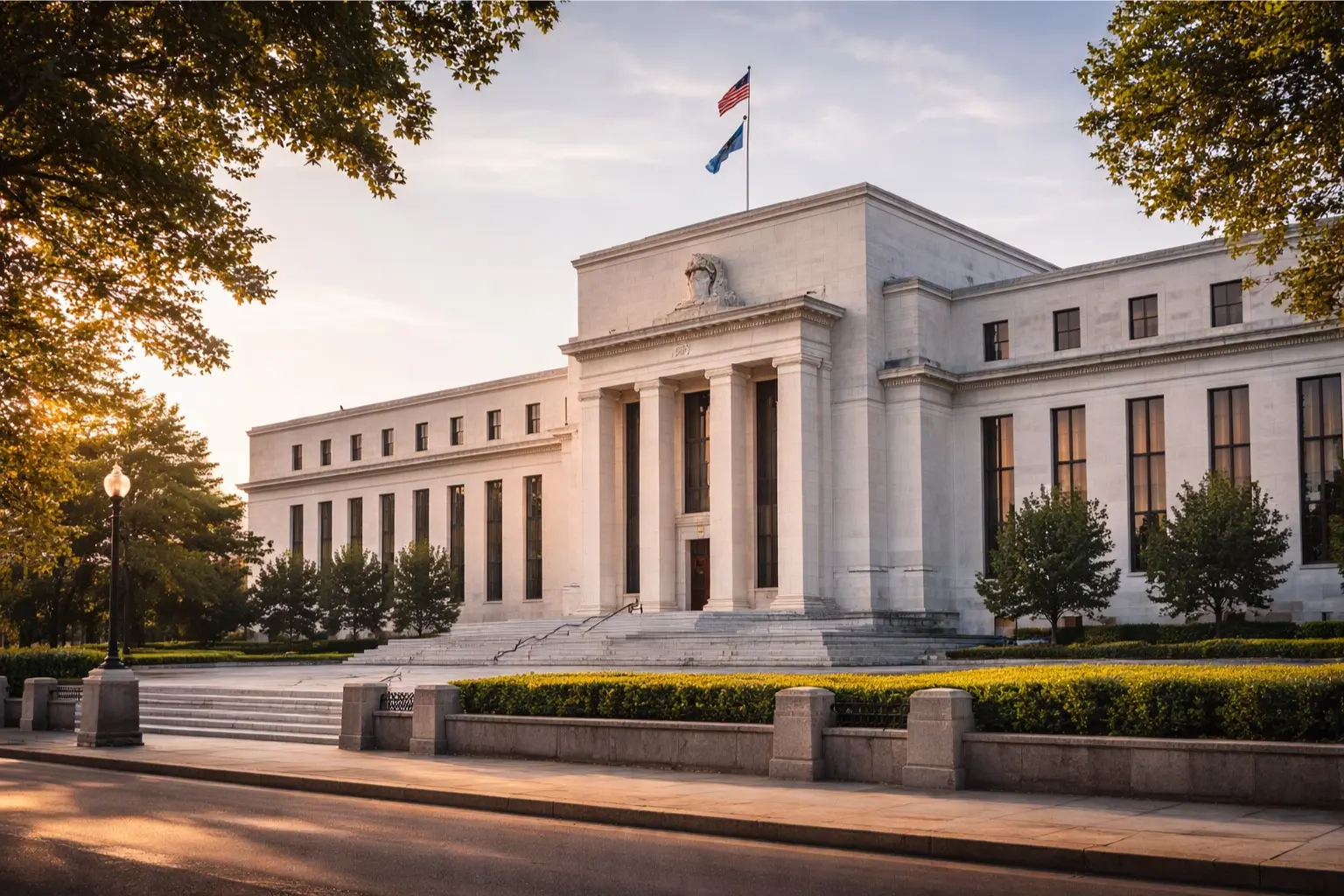
Every time money appears in a bank account, whether it is a paycheck, a tax refund, or a Social Security payment, the transaction has already traveled through a complex financial infrastructure most people never see.
To the person checking their banking app, the process looks simple. A payment is sent. A deposit appears. The balance updates. But behind that moment sits an entire national system designed to move trillions of dollars safely across thousands of financial institutions every day.
Employers submit payroll files. Federal agencies transmit payment instructions to the Treasury. Banks coordinate settlement windows through clearing networks. And central banking infrastructure ensures that every transaction ultimately settles between institutions.
Understanding this structure requires looking beyond a single deposit notification and examining the broader U.S. money movement system that coordinates how funds travel from the sender to the receiving bank. That system is built on several critical layers: ACH clearing, Fedwire transfers, Treasury payment distribution, and bank posting schedules.
How Money Actually Moves Through the U.S. Banking System
When someone sends a payment, the money does not instantly jump from one bank account to another. Instead, the transaction enters a payment network that coordinates how funds move between institutions.
Most payments follow a multi-stage pipeline where a payment instruction is created, the file enters a clearing network, settlement occurs between banks, and finally the receiving bank posts the deposit.
Each stage is handled by different institutions within the financial system, forming the backbone of the Federal Reserve Payment landscape.
The Role of ACH in Everyday Payments
The majority of everyday payments in the United States move through the Automated Clearing House network, commonly known as ACH. ACH is responsible for processing payroll deposits, IRS refunds, Social Security payments, and many recurring transfers between bank accounts.
Instead of processing payments one by one, the NACHA ACH network groups transactions into batches that settle during scheduled clearing windows throughout the day. This batching system allows the network to process extremely large volumes of payments efficiently.
Because ACH relies on scheduled processing periods rather than real-time transfers, deposits may appear hours after the payment was originally sent, a delay dictated by specific settlement window rules.
Fedwire and the Real-Time Settlement Layer
While ACH handles high-volume consumer payments, the financial system also relies on another infrastructure known as Fedwire. Fedwire is operated by the Federal Reserve and processes high-value transactions between financial institutions.
Unlike ACH, Fedwire payments settle individually and in real time. Banks use Fedwire for transactions that require immediate settlement, including large institutional transfers, securities settlement, and certain government payments.
The relationship between these two systems is explained in detail in the breakdown of Fedwire ACH timing. Together, ACH and Fedwire form the backbone of electronic money movement in the United States.
How Treasury Distributes Federal Payments
Federal payments follow a similar infrastructure but begin with the U.S. Treasury. When agencies such as the IRS or the Social Security Administration issue payments, they transmit payment instructions to the Treasury, which then releases funds into the banking system as outlined by U.S. Treasury guidelines.
These payments enter the same settlement pipeline used for private sector deposits. This stage explains why a payment can be marked sent or issued before it actually appears inside a bank account, a process described in our guide to the Treasury payment system.
Settlement Windows and Liquidity Timing
Once payments enter the banking network, they move through settlement windows that coordinate how funds transfer between institutions. Banks must ensure that sufficient liquidity exists to complete these transfers. The timing of these liquidity flows plays a major role in determining when deposits appear in individual accounts.
These dynamics are explored in the analysis of banking liquidity shifts during settlement cycles. Small differences in settlement timing can determine whether a deposit appears immediately or during the next processing cycle.
Why Deposits Do Not Appear at the Same Time
Even after settlement occurs, deposits do not always appear simultaneously across banks. Each institution operates its own internal posting schedule that determines when incoming payments become visible to customers. Some banks update balances early in the morning.
Others process deposits later in the day after reconciliation systems complete. This difference explains why two people expecting the same type of payment may see deposits appear at different times. The mechanics behind these posting schedules are examined in the explanation of bank posting windows.
The Invisible Infrastructure Behind Every Deposit
Most people never see the infrastructure that coordinates these processes. Payment instructions move through clearing networks, settlement systems, liquidity checks, and bank reconciliation pipelines before the final balance appears in a mobile banking app.
That invisible network is what allows the U.S. financial system to process enormous volumes of transactions every day.
A deeper examination of this infrastructure appears in the analysis of invisible payment rails inside the banking system. Understanding these layers explains why deposits sometimes appear instantly while others remain pending overnight.
Why does a deposit say “sent” but not appear in my bank account?
A payment marked “sent” usually means the funds have been released into the payment network, not that the receiving bank has posted them yet. Most deposits move through ACH clearing windows or internal bank settlement systems before becoming visible to customers.
During that time the transaction may still be moving between financial institutions. Once settlement completes and the receiving bank updates its posting cycle, the deposit becomes available in the account balance.
How long does ACH processing take before a deposit appears?
ACH deposits typically settle within the same business day or the next banking day depending on when the payment file enters the clearing window. The ACH network processes transactions in scheduled batches rather than real time.
If a payment file misses a cutoff window, it moves to the next settlement cycle. This timing structure is why payroll deposits, tax refunds, and government payments often appear overnight or early the following morning.
What is the difference between ACH and Fedwire transfers?
ACH and Fedwire are two different payment networks used by U.S. banks. ACH processes high-volume consumer payments such as payroll and government deposits through batch clearing windows.
Fedwire, operated by the Federal Reserve, settles transactions individually in real time and is typically used for large institutional transfers or time-sensitive payments. Together these systems form the core infrastructure that moves electronic money across the U.S. banking system.
Why do some banks show deposits earlier than others?
Banks control their own internal posting schedules after settlement occurs. Even when a payment clears through ACH or another network at the same time, each institution decides when to update customer balances.
Some banks release deposits immediately after settlement, while others wait for reconciliation processes or liquidity checks to finish. This difference in posting windows explains why identical payments may appear earlier at one bank than another.
Why Understanding the System Matters
For households, payment timing can affect cash flow, bill payments, and financial planning. For financial institutions, settlement timing determines how liquidity moves across the banking system.
And for policymakers and central banks, the infrastructure ensures that trillions of dollars move safely through the economy each day. That is why the structure of the U.S. money movement system remains one of the most important and least visible, components of the financial system.
Author