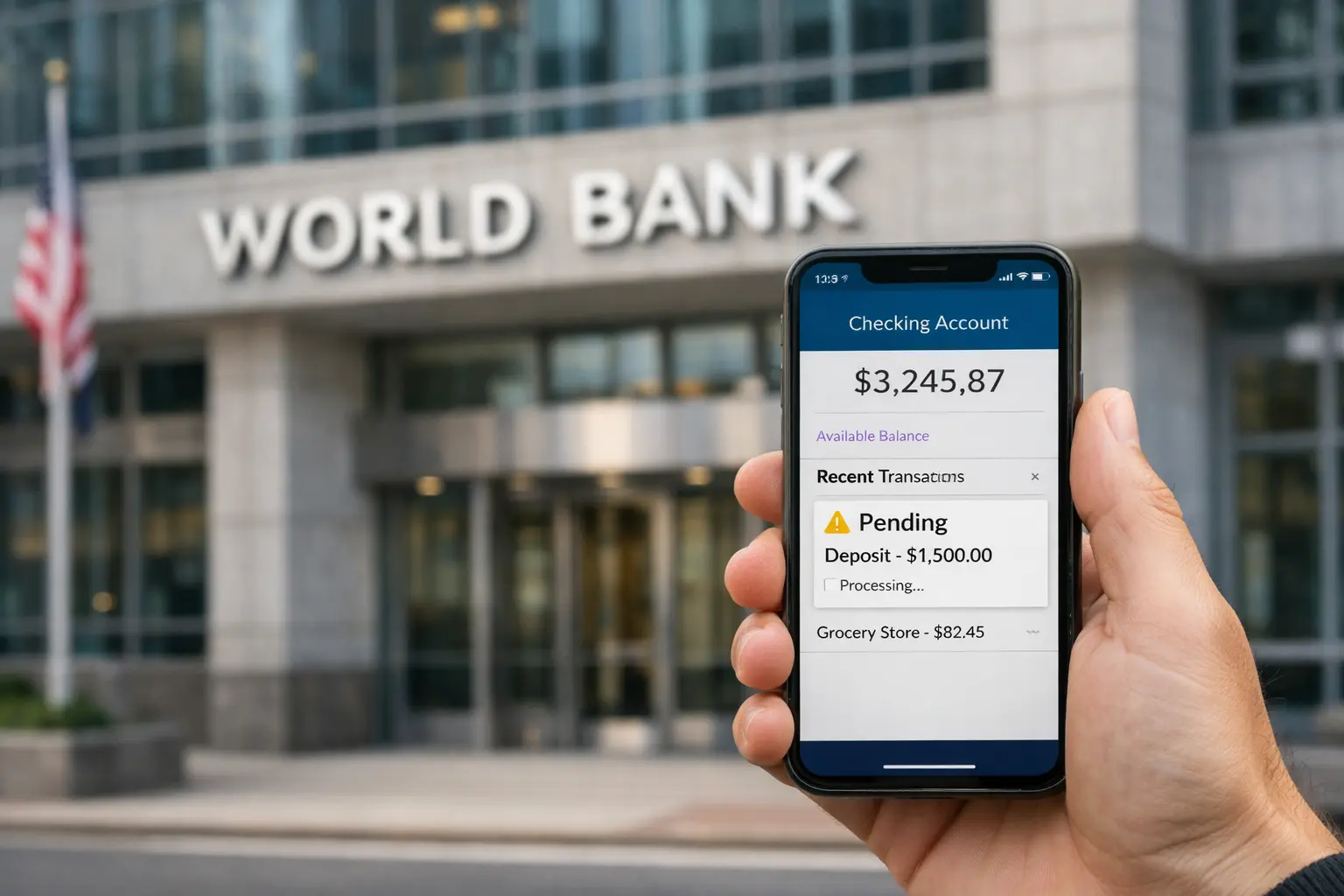
Across the U.S., many Americans feel like they’re doing what they were told to do working steadily, earning more than before, and trying to manage money responsibly—yet still falling behind. That frustration is real, and it’s growing.
This article isn’t about blaming individual choices or offering quick fixes. Instead, it explains why personal finance feels harder right now, what has quietly changed beneath the surface, and why today’s financial stress is largely systemic rather than personal.
- Personal finance feels harder today because everyday costs, interest rates, and uncertainty changed faster than household habits could adjust.
- Earning more doesn’t always create relief when housing, insurance, and borrowing costs quietly absorb income gains.
- Feeling overwhelmed by money right now reflects broader economic conditions, not personal failure or poor financial discipline.
Many Americans Feel Stuck Even When They Earn More
For years, the basic promise of personal finance felt simple: earn more, and life should gradually get easier. Lately, that promise hasn’t held up. Even as wages have risen, many households still feel financially strained, unsure why higher income hasn’t translated into greater stability.
Paychecks may look larger on paper, but real purchasing power hasn’t kept pace. Changes in everyday costs, debt pricing, and savings behavior have altered how money functions once it reaches a checking account. Shifts tied to why savings rates change now affect everyday households, not just investors or economists.
This sense of being stuck isn’t anecdotal. Broader consumer sentiment tracked through household surveys shows that many Americans feel financially worse off despite earning more than they did a few years ago. The gap between effort and outcome has widened, leaving people questioning whether they’re missing something.
What’s driving that frustration isn’t reckless spending or poor planning. It’s the growing disconnect between income growth and the rising cost of maintaining basic financial stability a pattern that appears across income levels, age groups, and career stages.
Everyday Costs Are Rising in Ways People Don’t Notice Right Away
One reason money feels tighter is that many of today’s cost increases happen quietly. Instead of one dramatic price jump, households face small monthly increases across housing, insurance, utilities, and everyday services that slowly compound over time.
Rent renewals, insurance adjustments, and service fees tend to rise in increments that don’t always trigger alarm, but they steadily reshape monthly budgets. Over time, plans that once worked begin to feel outdated, even when spending habits haven’t changed much, a pattern reflected in broader price trends tracked nationally.
This gradual pressure creates what many people experience as inflation fatigue. People stop tracking every change, yet still feel the squeeze. As a result, saving becomes harder, and rebuilding cushions like an emergency fund feels slower than expected—especially as shifts in why savings rates change affect how much cash can realistically earn.
The challenge isn’t overspending—it’s that the baseline cost of maintaining financial stability has moved upward without a clear reset point for most households.
How Core Household Costs Have Increased Faster Than Wages
This table highlights how essential living costs have risen steadily in recent years, often outpacing how Americans feel their income is growing. These gradual increases help explain why budgets feel tighter even when paychecks rise.
| Expense Category | 5-Year Trend | Why It Matters |
|---|---|---|
| Housing & Rent | Steady increase | Represents the largest share of most households’ monthly budgets |
| Insurance (Auto, Home, Health) | Rising annually | Often unavoidable, contract-based costs that adjust upward over time |
| Utilities & Services | Gradual increases | Small recurring hikes quietly compound into meaningful budget pressure |
| Food & Essentials | Volatile but elevated | Direct, frequent impact on daily and weekly household spending |
Source: U.S. Bureau of Labor Statistics — Consumer Price Index (CPI)
Interest Rates Changed Faster Than Household Habits
Another major shift is how quickly interest rates moved compared to how slowly household routines adapt. Borrowing costs for credit cards, auto loans, and variable-rate debt adjusted rapidly, while many people kept using money the same way they did before rates rose.
Minimum payments often hide the true cost of higher interest, making balances feel manageable in the short term even as long-term costs increase.
This is especially noticeable with revolving debt, where higher rates quietly drain monthly cash flow, a trend tied to changes in credit card APRs. Loan pricing and refinancing timelines now influence everyday decisions, not just big purchases.
Carrying a balance, delaying payoff plans, or refinancing later than planned can all feel heavier in a higher-rate environment shaped by broader interest policy decisions. The result is a sense that debt became more expensive almost overnight, while household habits didn’t have time to catch up.
Interest Rates Rose Faster Than Household Adjustment
This line graph shows how benchmark interest rates climbed in a relatively short period of time, while household spending and borrowing habits changed much more slowly. When rates rise faster than people can adjust, everyday debt becomes more expensive without any immediate change in behavior. That gap helps explain why balances feel heavier and payments feel tighter, even for households that haven’t taken on new debt.
Source: Federal Reserve Economic Data (FRED)
Advantages and Disadvantages of Today’s Financial Environment
This section explains why managing money feels more difficult right now without placing blame or offering prescriptions. Today’s financial environment includes both hidden benefits and real challenges that affect households at the same time. Higher rates and new tools create opportunities for some, while rising costs and uncertainty increase stress for many others.
- Higher savings rates reward patient savers who keep cash in interest-earning accounts.
- More financial tools and transparency make it easier to compare rates, fees, and options.
- Greater awareness of money management risks encourages smarter financial decisions.
- Debt becomes more expensive quickly as interest rates remain elevated.
- Budgets require constant adjustment to keep up with rising everyday costs.
- Financial decisions feel mentally exhausting due to ongoing economic uncertainty.
Financial Advice Hasn’t Kept Up With Real Life
Much of the financial advice people still hear assumes stable income, predictable expenses, and steady progress. In reality, many households juggle variable costs, changing work arrangements, and financial goals that don’t fit clean formulas.
Rules like fixed budgeting percentages or aggressive payoff timelines can feel unrealistic when insurance, housing, or childcare costs fluctuate year to year. When advice doesn’t match lived experience, it often feels discouraging rather than helpful.
That disconnect explains why even solid guidance around reducing risk or building savings can feel hard to apply alongside everyday realities like managing debt or deciding how to invest during uncertain periods.
The issue isn’t that the fundamentals are wrong—it’s that real life has become less predictable. When advice lags behind reality, people internalize stress instead of recognizing structural change.
Economic Uncertainty Makes Planning Feel Risky
Beyond numbers, uncertainty itself has become a financial burden. Job security feels less guaranteed, and major decisions—buying a home, changing careers, starting a family—feel harder to time with confidence.
When the future feels unclear, people delay financial moves not out of indecision, but caution. Saving more, investing, or making long-term commitments can feel risky when the economic environment keeps shifting.
Even traditionally “safe” decisions now require more mental energy. Questions about low-risk investments or the best time to invest reflect a broader hesitation driven by uncertainty, not a lack of financial literacy. Uncertainty makes planning feel fragile, which adds emotional weight to everyday money decisions.
Technology Made Money Easier and More Complicated
Digital tools have made spending and borrowing easier than ever, but they’ve also reduced visibility. Subscriptions, auto-payments, and app-based purchases allow money to move quickly, often without a clear sense of accumulation.
At the same time, easy access to credit can mask stress. Balances rise quietly, payments feel manageable, and financial strain builds beneath the surface—especially for those still learning how credit cards work or trying to build credit responsibly.
While technology simplifies transactions, it often complicates tracking and reflection. Managing money now requires more attention, not less, even as systems promise simplicity. This mismatch between speed and clarity is another reason money feels harder to manage than it used to.
What Hasn’t Changed About Personal Finance
Despite everything that feels different, some fundamentals remain steady. At its core, personal finance still comes down to managing cash flow, maintaining flexibility, and building resilience over time.
Having accessible savings, manageable debt, and room to adapt matters more than chasing perfect optimization. Even in uncertain periods, principles like maintaining an emergency fund and understanding basic investing continue to provide stability.
Small, consistent decisions often outweigh complex strategies. Progress still comes from habits that protect flexibility rather than maximizing short-term gains. Reassurance matters here. Stability is built through consistency, not precision.
Why Feeling Overwhelmed Is Rational Not a Failure
Feeling overwhelmed by money today isn’t a personal shortcoming. It’s a rational response to overlapping pressures that many Americans are experiencing at the same time.
Rising costs, shifting rates, and constant financial decisions create mental strain. When people feel stuck, it often reflects structural conditions—not a lack of effort or discipline.
Understanding how financial stress affects decision-making helps remove shame from the conversation. Awareness creates space for better choices without urgency or panic. Recognizing that this experience is shared is often the first step toward regaining confidence.
The Bottom Line
Personal finance feels harder right now largely because the environment changed faster than households could adapt. Costs rose quietly, interest rates moved quickly, and uncertainty became a constant background pressure.
Clarity matters more than urgency. Taking time to understand how money behaves today—rather than reacting to how it used to work—creates steadier footing. Focusing on flexibility, resilience, and awareness can help restore confidence, even when conditions remain uncertain.
Methodology
This article is based on a review of recent U.S. economic data, consumer sentiment research, and household finance trends. Information was analyzed from authoritative sources including consumer surveys, inflation data, and interest rate policy, alongside established personal-finance research.
The goal was to explain broad patterns affecting everyday Americans rather than provide individual financial advice, focusing on clarity, context, and real-world relevance.
Investozora uses only trusted, verified sources. We focus on white papers, government sites, original data, firsthand reporting, and interviews with respected industry experts. When relevant, we also use research from reputable publishers. Every fact is checked against a primary source so readers get clear, accurate, and up-to-date information, and we update our citations whenever official guidance changes.
- U.S. Consumer Price Index (CPI) – Official inflation data tracking changes in housing, utilities, food, and everyday living costs.
- Federal Reserve household survey data – Research on how Americans perceive their financial well-being, income pressures, and cost-of-living stress.
- Federal Reserve monetary policy – Explanation of interest rate decisions and how changes affect borrowing costs across the economy.
- Federal Reserve Economic Data (FRED) – Historical and current data on interest rates, lending conditions, and economic indicators.
- Congressional Budget Office economic outlook – Nonpartisan analysis of economic uncertainty, growth expectations, and long-term financial trends.
- CFPB financial well-being research – Insight into financial stress, decision-making, and consumer resilience in changing economic conditions.
Frequently Asked Questions
Author

-
The information on this site is for educational and general guidance only. It is not intended as financial, legal, or investment advice. Always consult a licensed professional for advice specific to your situation. We do not guarantee the accuracy, completeness, or suitability of any content.