April 24, 2026 • 4:25 AM ET
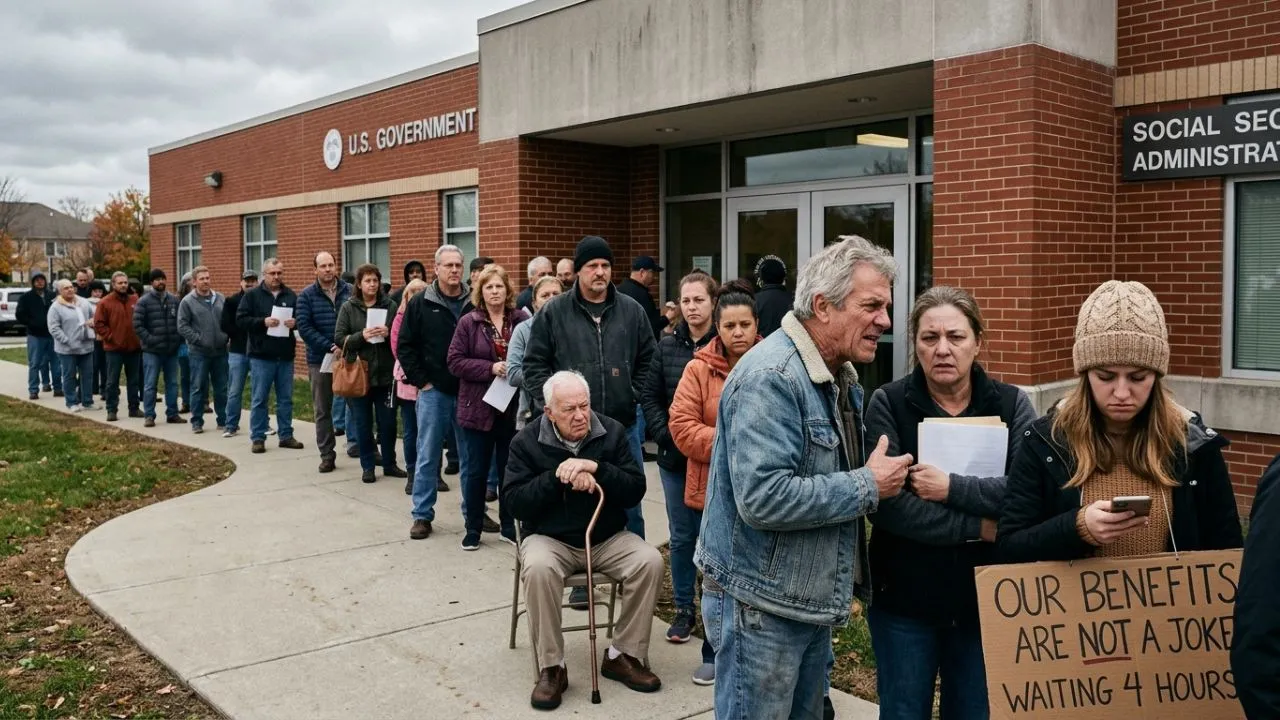
The SSA currently lists 13 offices across 10 states and one territory as temporarily closed or operating in phone-only mode. Beneficiaries are directed to SSA online account for all available self-service options.
The Social Security Administration has reduced its workforce from approximately 57,000 employees in 2025 to approximately 50,000 in 2026, and the operational consequences are now visible across the country in the form of closed offices, extended phone wait times, and strained processing capacity for 70 million beneficiaries. SSA staff cuts of this scale, roughly 7,000 positions eliminated in under a year, represent one of the most significant workforce reductions the agency has experienced in recent history.
Thirteen offices across 10 states and one territory are currently closed or operating in phone-only mode, according to the SSA’s own SSA office closures page. For beneficiaries who depend on in-person service to file new claims, correct payment errors, or appeal decisions, this is a direct disruption to the most basic level of agency access.
What the Office Closures Mean Right Now
The SSA confirms on its office closures emergency page that 13 locations are currently affected across 10 states and one territory. The agency attributes closures to construction, safety limitations, and other operational issues.
Affected offices are directing beneficiaries to the national phone line at 1-800-772-1213 and to self-service options through the ssa.gov/myaccount portal. Phone wait times at the national helpline have extended significantly, a predictable outcome when field office closures redirect more callers to a single national line simultaneously.

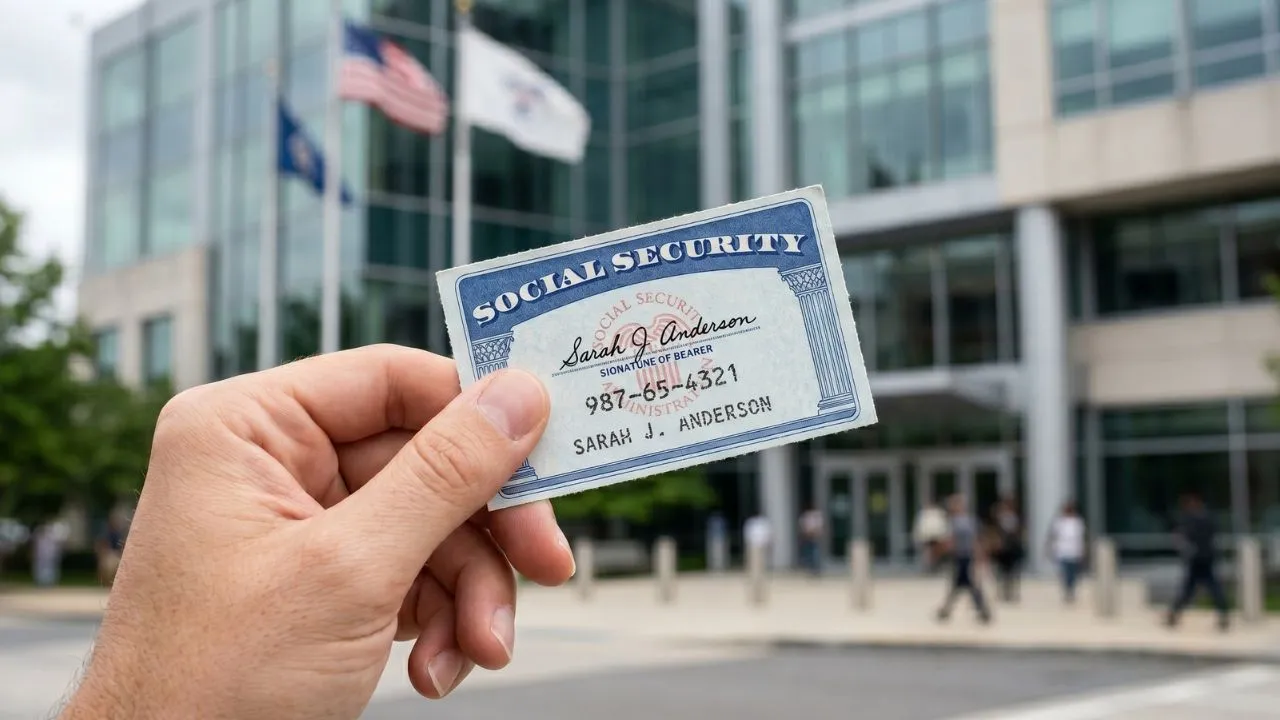

The timing creates a compounded access problem for many beneficiaries. Since April 14, 2026, the SSA no longer accepts direct deposit changes made by phone, a permanent policy change detailed in the direct deposit rule article on this site.
Beneficiaries who need to update their bank account for Social Security payments must now do so either online through SSA account or in person at an open field office. That requirement lands precisely when field offices are closing and phone service is constrained, creating a real access gap for beneficiaries who are not comfortable with digital tools or whose nearest office is currently shut.
It is important to distinguish what these closures affect and what they do not. The SSA determines Social Security benefit eligibility and payment amounts. However, the actual disbursement of those payments flows through a separate institutional chain: Treasury’s Bureau of the Fiscal Service transmits Social Security payment files through the Federal Reserve’s FedACH network to receiving banks, where funds settle in beneficiaries’ accounts.
The payment system guide explains this full pipeline. Office closures affect the SSA’s ability to process new claims and handle account changes, they do not interrupt payments already in motion for beneficiaries on an active, established payment schedule.
How the Workforce Reduction Is Driving Service Disruption
The SSA workforce reduction is the structural cause behind the service disruptions now appearing across the country. With approximately 7,000 fewer employees than a year ago, every queue the SSA manages has lengthened. Phone hold times have increased.
New disability claim processing times, which were already measured in months before the workforce reduction, are extending further. Retirement applications, benefit corrections, and appeals all require SSA staff review that cannot be automated or deferred without consequence for the beneficiaries waiting on those decisions.
The previous coverage of this issue matters here for context. The SSA staff cuts original article from March 25 covered the initial workforce announcement. The SSA offices closed article published yesterday documented the specific locations now affected. This article connects both: the workforce reduction is the cause, and the office closures and service strain are the operational effects now reaching the 70 million Americans who depend on the agency.
What is confirmed by the SSA’s own public pages is that the agency is operating with significantly reduced staffing while directing more beneficiaries toward digital self-service channels. The SSA office locator remains available for beneficiaries to identify the nearest currently open field office before traveling.
What Happens Next
SSA staff cuts of this scale do not reverse quickly. Federal hiring, onboarding, and training cycles take months. The offices listed on the SSA office closures page do not all carry published reopening timelines. Beneficiaries should plan for the current reduced-access environment to persist through the remainder of 2026 and should not expect in-person availability to return to prior levels in the near term.
Disability claims represent the highest-risk category. Multi-month processing times were already standard before the workforce reduction. Those timelines will extend further as fewer adjudicators handle the same volume of incoming applications.
New retirement applications submitted at field offices will also face longer processing windows. For beneficiaries with pending appeals, the combination of reduced staffing and closed offices means the timeline to a hearing or decision is longer than it was twelve months ago.
For the 70 million Americans currently receiving Social Security or SSI payments on an established schedule, existing payments are not at risk from the workforce reduction alone. Those payments are authorized under existing eligibility determinations and process through Treasury and the Federal Reserve’s FedACH network on the scheduled calendar.
The risk is concentrated in new applications, pending appeals, benefit modifications, and any transaction that requires SSA staff to make a new eligibility or payment determination before funds can be issued.
What This Means for Beneficiaries
The SSA staff cuts, office closures, and permanent phone restriction on direct deposit changes represent a convergence of operational changes that have reshaped how 70 million Americans must now interact with the agency that manages their benefits. The agency is handling the same volume of beneficiary needs with approximately 12 percent fewer employees and a reduced physical office footprint.
For any beneficiary with an unresolved matter at the SSA, a pending claim, a payment error, an address or bank account update, or an appeal acting through the available digital channels now, rather than waiting for in-person access to normalize, is the most practical response to the current environment.
What You Should Do Now
- Check the official SSA office closures page to stay informed about any service disruptions or temporary local office changes.
- Sign in or create your Social Security online account to manage your benefits, check status updates, and update your information securely.
- Review the latest updates on the SSA direct deposit rule to understand how your payment methods are protected and maintained today.
- Use the SSA office locator to find the contact information and physical address of the Social Security office serving your area.
The SSA staff cuts reshaping agency operations in 2026 are a structural change, not a temporary disruption. Understanding what the agency can and cannot deliver in its current state and using the digital tools that remain fully operational is the most effective response any beneficiary can take right now.
Editorial Note: Investozora is an independent news publication. This content is for informational purposes only. For official guidance, please visit at ssa.gov.