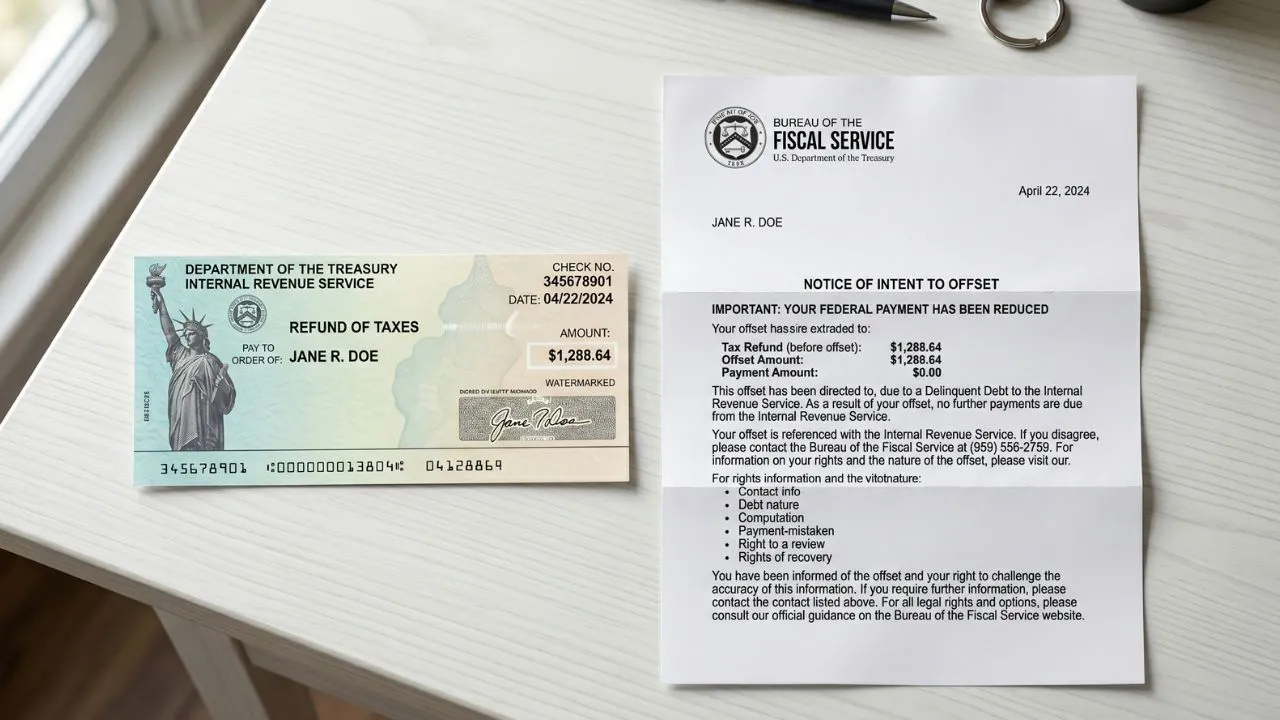


Every business day, the U.S. government publishes an exact accounting of every dollar it collected and every dollar it spent in the previous 24 hours. This document is called the Daily Treasury Statement. It is free, publicly available, and almost entirely unknown to the 330 million Americans whose taxes and benefit payments flow through it.
The Daily Treasury Statement commonly referred to as the DTS is the single most transparent window into federal government cash operations that exists. It shows the opening balance of the Treasury General Account, every dollar that came in by category, every dollar that went out by agency, and the closing balance. It is published by the Bureau of the Fiscal Service, a division of the U.S. Department of the Treasury, every business day by 4 PM Eastern time.
This guide explains what the DTS is, how to read it, what the numbers mean in plain English, and why the document matters to anyone who receives a Social Security payment, files a tax return, or follows the federal debt ceiling.
What the Daily Treasury Statement Actually Reports
The Daily Treasury Statement is a structured financial report covering one calendar day of U.S. Treasury cash operations. It is available at no cost at daily treasury statement and has been published in its current digital format since 2005.
The report is organized into tables. Table I covers the Treasury General Account, reporting the opening balance, net transactions for the day, and the closing balance. All figures are expressed in millions of dollars. A TGA balance of $500,000 million equals $500 billion. This notation trips up first-time readers, but the logic is consistent throughout the document.

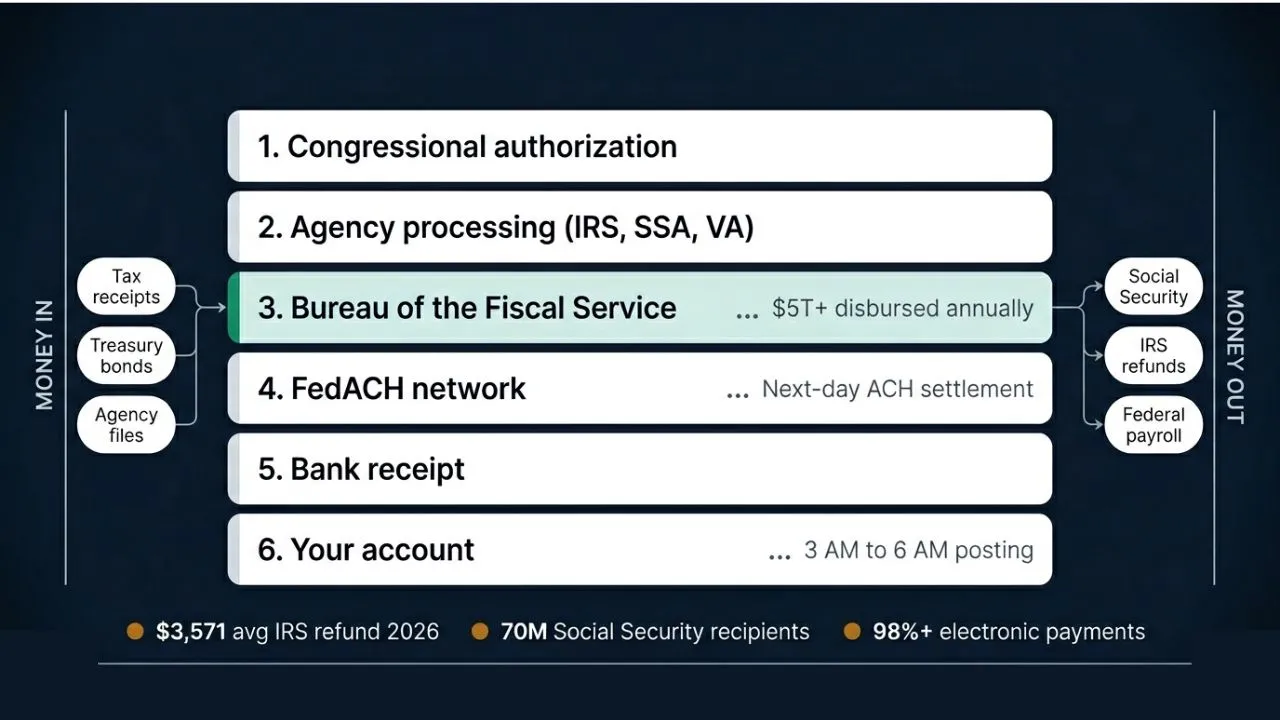
Table II covers deposits and withdrawals in detail. Deposits include individual and corporate income tax withholding, estimated tax payments, customs duties, Federal Reserve earnings remitted to Treasury, and proceeds from Treasury security auctions.
Withdrawals include Social Security benefit payments, Medicare disbursements, military active pay, veterans benefits, IRS tax refunds, interest on the national debt, and dozens of additional federal payment categories.
Table III covers the federal government’s public debt activity, showing how much new debt was issued and how much matured on that day. Table IV covers federal tax deposits, showing withholding from employers and self-employed filers. Each table builds a complete picture of the government’s cash position for that one day.
The DTS does not require registration to access. Any American can download the current day’s report or any historical report going back decades.
How to Read the TGA Balance and Why It Matters
The Treasury General Account is the federal government’s primary checking account, held at the Federal Reserve Bank of New York. As our TGA guide explains in detail, nearly every payment the federal government makes flows out of this account.
Social Security disbursements, IRS refunds, military payroll, Medicare reimbursements all of them originate in the TGA. The Daily Treasury Statement is the document that tells you, every single day, how much money is in that account.
The TGA balance fluctuates dramatically across the calendar year. Understanding those fluctuations requires knowing which days drive the largest inflows and which days drive the largest outflows.
Major inflow days include April 15, when individual income tax payments arrive in mass volume. Quarterly estimated tax payment deadlines typically January 15, April 15, June 15, and September 15 produce spikes that can add hundreds of billions to the TGA in a single week.
Treasury auction settlement dates, when buyers of newly issued Treasury bills and bonds pay for their purchases, add large lump sums. The Federal Reserve also remits its net earnings to Treasury periodically, which appear as deposits in the DTS.
Major outflow days include the second, third, and fourth Wednesdays of each month, when Social Security and Supplemental Security Income payments are disbursed to tens of millions of beneficiaries.
As of 2026, these disbursements represent some of the largest single-day cash movements in the federal system. Military active-duty pay disbursement dates, Medicare and Medicaid reimbursement processing dates, and IRS refund disbursement periods during February through April also produce large outflows visible in the DTS.
A reader who checks the DTS on the day after a major Social Security payment disbursement will see the TGA balance drop by tens of billions compared to the previous day. This is not a problem. It is the normal rhythm of the federal payment calendar, and the DTS documents it precisely.
The DTS During Debt Ceiling Situations
The Daily Treasury Statement becomes a closely watched document during federal debt ceiling standoffs. When Congress has not authorized new borrowing and Treasury approaches the statutory debt limit, Treasury cannot issue new securities to raise cash. The TGA balance on the DTS becomes the primary indicator of how much runway the government has left before it cannot meet its payment obligations.
During debt ceiling periods, financial analysts, market participants, and congressional staff track the DTS daily sometimes multiple times per day when intraday estimates become available. The TGA balance functions like a fuel gauge.
A TGA dropping toward zero without a debt ceiling resolution signals increasing risk of delayed payments or a technical default. Treasury’s cash management team uses a set of extraordinary measures legal but unconventional tools to temporarily reduce outstanding debt to extend the runway, and their effect is visible in the DTS numbers.
Our Treasury budget explained article covers how federal spending authorizations connect to the actual cash flows the DTS reports. Understanding the relationship between the DTS and the debt ceiling gives any citizen the same situational awareness that professional fixed-income analysts rely on.
The Bureau of the Fiscal Service, which publishes the DTS, is the operational arm of the Treasury Department responsible for federal payments, collections, and central accounting. It operates the payment systems through which Social Security benefits and IRS refunds are disbursed, and it reports the results of those operations each day in the DTS. More information about the Bureau’s functions is available at fiscal.treasury.gov.
How Social Security and IRS Refunds Appear in the DTS
For the millions of Americans who receive Social Security benefits or are awaiting an IRS refund, the DTS provides something no press release or news article can: a real-time confirmation of when money actually moved.
Social Security payments appear in Table II of the DTS under the “Social Security Benefits” line within the withdrawals section. On days when Social Security disbursements occur, this line will show a figure in the tens of billions.
The payments are listed on the date the Treasury disburses funds to the Federal Reserve’s FedACH network for settlement. The SSA determines the eligibility and amount of each beneficiary’s payment, but Treasury actually moves the money. The institutional handoff happens between those two agencies before you ever see a deposit notification from your bank.
IRS tax refunds appear in Table II under “Tax Refunds.” During peak refund season, February through April, this line rises substantially. The IRS authorizes individual refund amounts, but the Bureau of the Fiscal Service at the Treasury submits the payment file to the Federal Reserve’s FedACH network, which settles the transaction and credits the recipient’s bank.
The date a refund appears in the DTS is not necessarily the date a recipient sees the funds, because individual banks post ACH credits according to their own internal schedules, as our money movement system article explains. But the DTS confirms that Treasury disbursed the funds on a specific date, which matters when a beneficiary needs to verify that their payment was sent.
How to Access and Use the Daily Treasury Statement
The DTS is available free at fiscal.treasury.gov/reports-statements/dts/. No account, registration, or subscription is required. The site maintains the current day’s report and an archive of historical reports.
To read a DTS effectively, start with Table I and note the TGA’s opening and closing balances. A large single-day drop in the closing balance, relative to the opening, indicates a high-disbursement day. A large single-day increase indicates a high-receipt day such as a tax payment deadline or auction settlement.
Then move to Table II. Locate the specific line items relevant to your interests. If you receive Social Security and want to confirm that your payment disbursed on a given Wednesday, check the Social Security Benefits withdrawal line. If you filed a tax return and are waiting for a refund, check the Tax Refunds withdrawal line during peak season.
The figures are reported in millions, so a line showing $97,000 means $97 billion. Numbers this large are jarring at first. They become intuitive after a few readings.
Treasury also publishes longer-horizon cash flow analyses and forecasting reports at cash forecasting, which provide context for the day-to-day DTS figures within the broader federal fiscal calendar.
The Daily Treasury Statement is the most underused public financial document in the United States. It is updated daily. It is free. It answers, with precision, the question that every recipient of a federal payment eventually asks: did the government actually send my money today?
What You Should Do Now
- Bookmark fiscal.treasury.gov/reports-statements/dts/ and check the DTS on any day you are expecting a Social Security payment or IRS refund.
- Open Table I to check the TGA balance. A declining balance near Social Security payment dates is normal and expected.
- Open Table II on the morning after your expected payment date. If Social Security Benefits shows a large withdrawal, Treasury disbursed. Contact your bank if funds have not posted within two business days.
- During any federal debt ceiling news cycle, check the TGA balance weekly. A TGA declining toward zero is the real-time signal that matters more than any press statement.
- Pair the DTS with our TGA guide and money movement system article for a complete picture of how federal dollars travel from Treasury to your bank account.
Editorial Note: Investozora is an independent news publication. This content is for informational purposes only and reflects publicly available data as of 2026. Federal financial figures and program details are subject to change. For official guidance, visit fiscal.treasury.gov.